Search Results for: match texture plaster

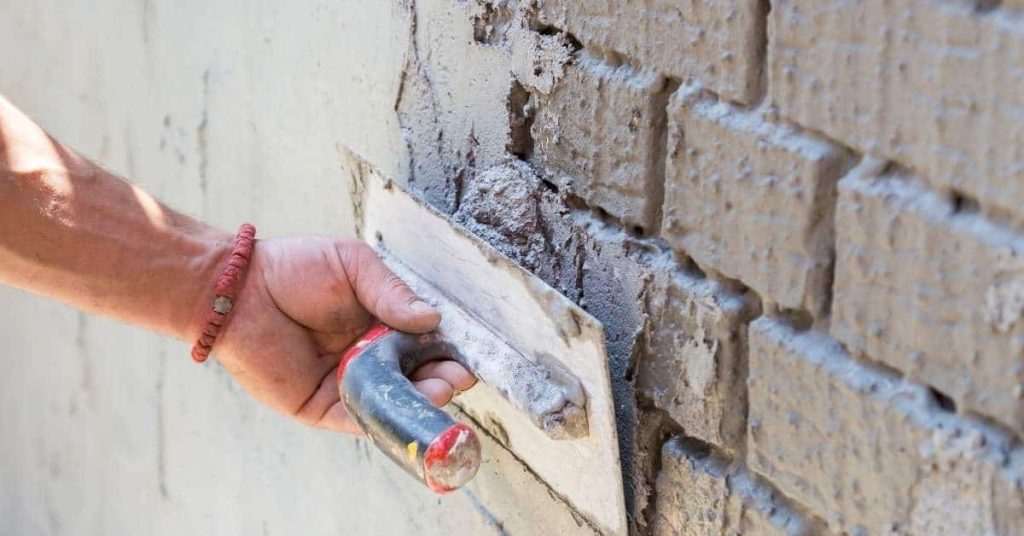
Hand applying cement plaster with trowel on brick wall

Keene’s Cement Plaster: When Hardness Helps and How to Avoid Crazing

Introduction Keene’s cement plaster is a lime-based plaster mix that hardens to a solid wall finish. Hardness in this plaster helps durability, but it can cause cracks if it’s applied or cured improperly. To avoid crazing, follow proper mixing, priming, and curing practices and check product instructions for recommended working times and environmental limits. If […]

Keene’s Cement Plaster: When Hardness Helps and How to Avoid Crazing Read More »
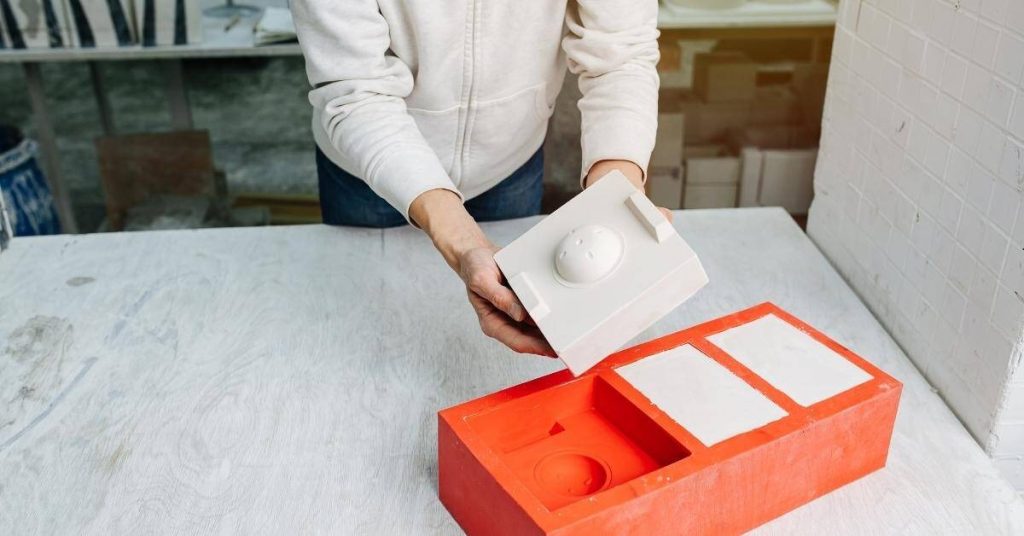
Hands holding plaster mold and casting on white table

Repairing Plaster Medallions and Ornament: Simple Mold Tricks for Missing Details

Introduction Repairing plaster medallions and ornament means recreating missing decorative detail on a plaster ceiling or wall. It starts with shaping a patch of material to mimic the curve and edge you see around the piece, then pressing it in to blend with the surrounding plaster. Take your cues from the existing profile and work

Repairing Plaster Medallions and Ornament: Simple Mold Tricks for Missing Details Read More »

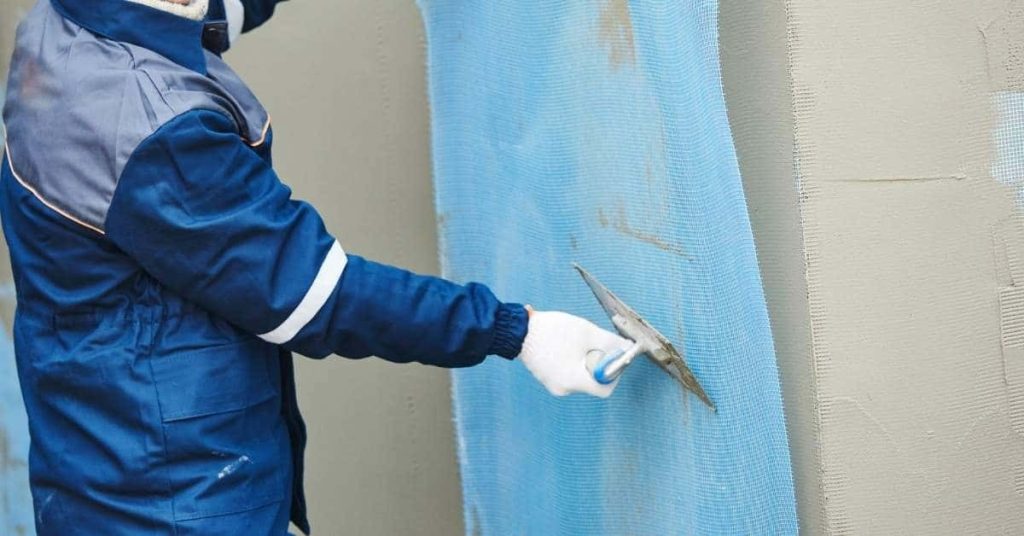
Person applying plaster over blue mesh on wall

Clay Plaster Over Plywood: Movement Joints, Mesh Choices, and Crack-Reduction Tricks

Introduction Clay plaster over plywood is a traditional finish that you apply to plywood walls, using joints and mesh to control movement and cracks. This article gives practical, hands-on steps for choosing joint spacing, mesh types, and tricks to reduce cracking. Expect a process that favors small batches, careful bonding, and testing along the way.

Clay Plaster Over Plywood: Movement Joints, Mesh Choices, and Crack-Reduction Tricks Read More »

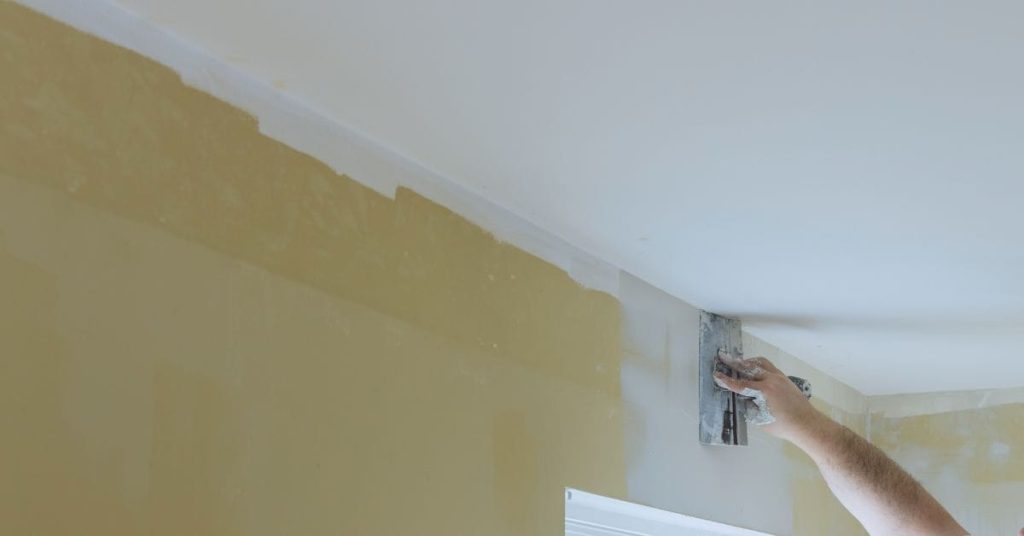
Worker smoothing fresh plaster wall wearing helmet and mask

Fresco vs Limewash on Fresh Plaster: What’s Possible and What Isn’t

Introduction Fresco involves pigments mixed into plaster as it cures, while limewash is pigment suspended in lime that you apply to the surface. On fresh plaster, the timing and technique you use will influence how well each method sticks and how the final look develops. This article gives a plain‑spoken DIY overview of what each

Fresco vs Limewash on Fresh Plaster: What’s Possible and What Isn’t Read More »

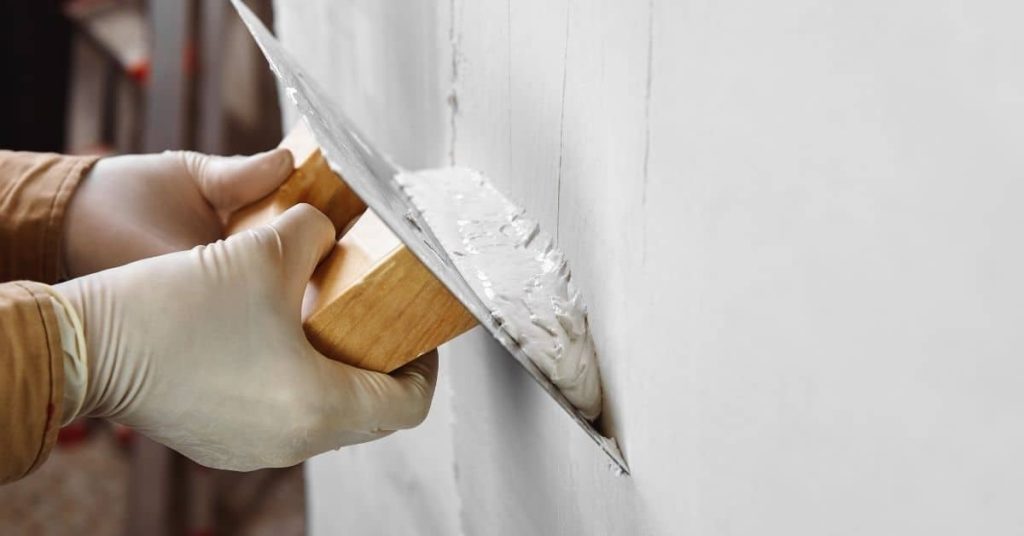
Gloved hands applying plaster on wall with trowel

Gypsum Over Lime Plaster: Compatibility Traps and Smart Primers

Introduction Gypsum over lime plaster is when you apply gypsum-based finish over a lime plaster substrate, which calls for checking compatibility first. Lime and gypsum cure differently, so mismatches can cause peeling or cracking, and a proper primer or bond coat helps. Plan your prep and follow manufacturer or product guidance for the exact steps.

Gypsum Over Lime Plaster: Compatibility Traps and Smart Primers Read More »

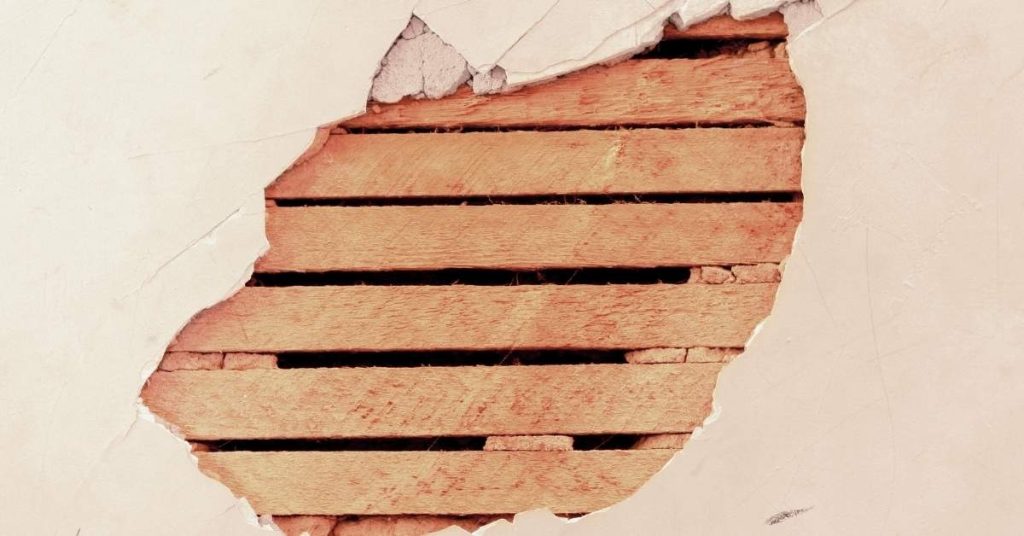
Broken plaster revealing wooden lath behind wall

Loose Lath Under Plaster: Refasten vs Replace (a Practical Decision Guide)

Introduction Refastening loose lath is usually the simplest first step to fix plaster that’s pulling away. If the lath is rotten or severely warped, replacement might be the safer option. Check for signs of damp, rot, and whether the plaster remains solid. Decide between refastening and replacing by inspecting the lath condition and the soundness

Loose Lath Under Plaster: Refasten vs Replace (a Practical Decision Guide) Read More »

Hands wearing gloves applying plaster with a trowel on wall

Interior Limewash on Plaster: Prep, Multi-Coat Technique, and Blotch Fixes

Introduction Interior limewash on plaster is a breathable, traditional finish applied in thin coats to even color and texture. Prep steps include cleaning the wall, dampening the surface, repairing cracks, and applying a compatible breathable primer. Always check the primer and limewash compatibility on the product label or with the manufacturer instructions. Apply multiple thin

Interior Limewash on Plaster: Prep, Multi-Coat Technique, and Blotch Fixes Read More »