Search Results for: match texture plaster

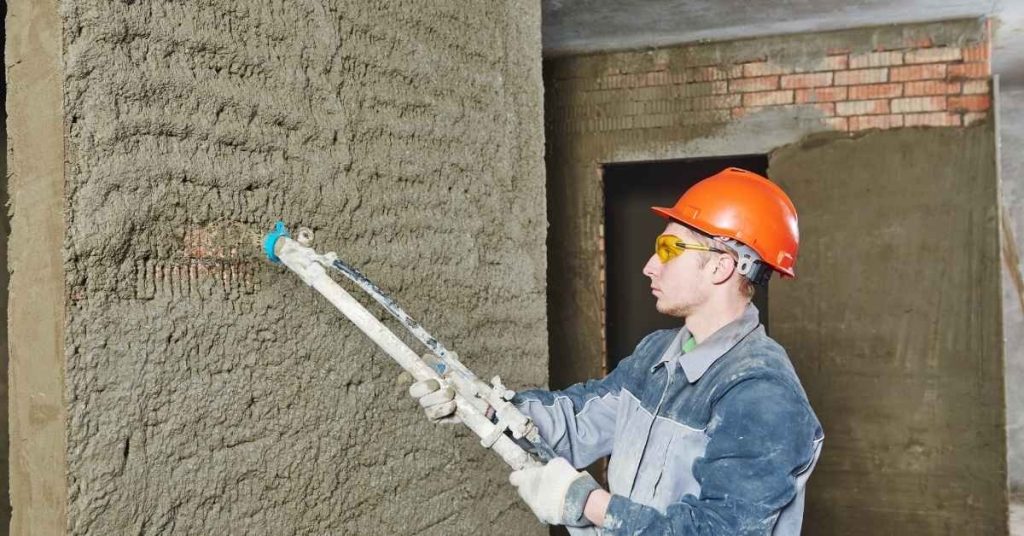
Worker spraying stucco onto brick wall indoors

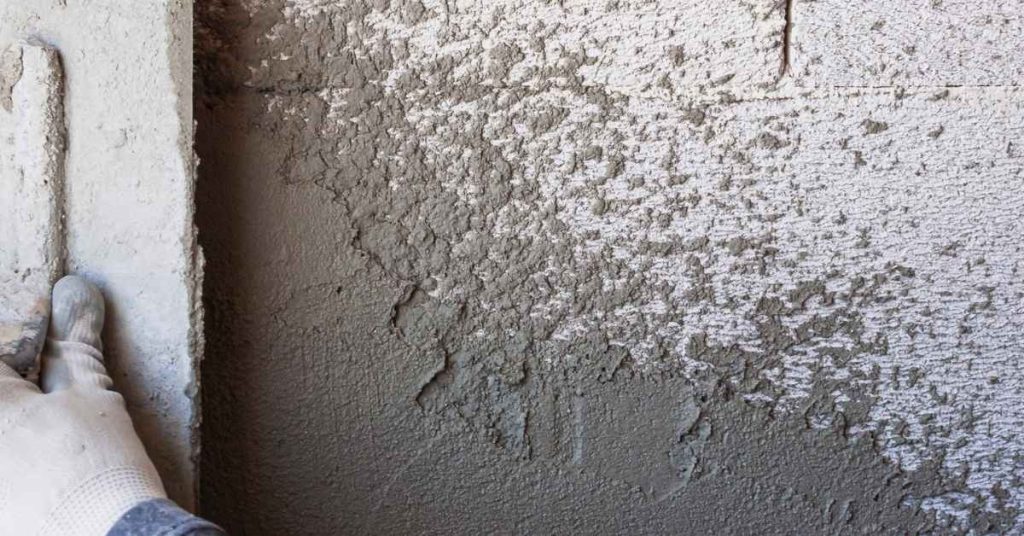
Stucco Control Joint Placement Around Large Walls: Avoiding Random ‘Map Cracking’ Patterns

Introduction Control joints are planned gaps in stucco that help prevent random map cracking on large walls. Place them at regular intervals and where the wall planes change. Check manufacturer instructions and local rules for spacing and placement guidance. This is a hands-on task you can plan during framing and stucco work. Mark the joints […]

Stucco Control Joint Placement Around Large Walls: Avoiding Random ‘Map Cracking’ Patterns Read More »

Close-up of textured pink stucco wall surface

Stucco Around Mini-Split Line Sets and Condensate Drains: Sleeves, Drip Loops, and Sealants

Introduction Stucco around mini-split line sets and condensate drains is the exterior finish that encases the lines and keeps moisture out. The job is about creating sleeves, drip loops, and proper seals so the system looks integrated and sheds water. Do this carefully so you don’t trap condensation or create paths for leaks. Plan sleeve

Stucco Around Mini-Split Line Sets and Condensate Drains: Sleeves, Drip Loops, and Sealants Read More »

Hand smoothing wet scratch coat over base wall surface

Stucco Over Autoclaved Aerated Concrete (AAC): Base Coat Choice, Fasteners, and Suction Control

Introduction Stucco over AAC is applying a compatible base coat to Autoclaved Aerated Concrete walls. Pre-installation prep is key—clean surfaces, seal any joints, and plan how you’ll store and handle panels to avoid damage. Handle AAC panels with care, store flat in a dry, shaded area, and check manufacturer guidance for any site-specific restrictions. Choose

Stucco Over Autoclaved Aerated Concrete (AAC): Base Coat Choice, Fasteners, and Suction Control Read More »

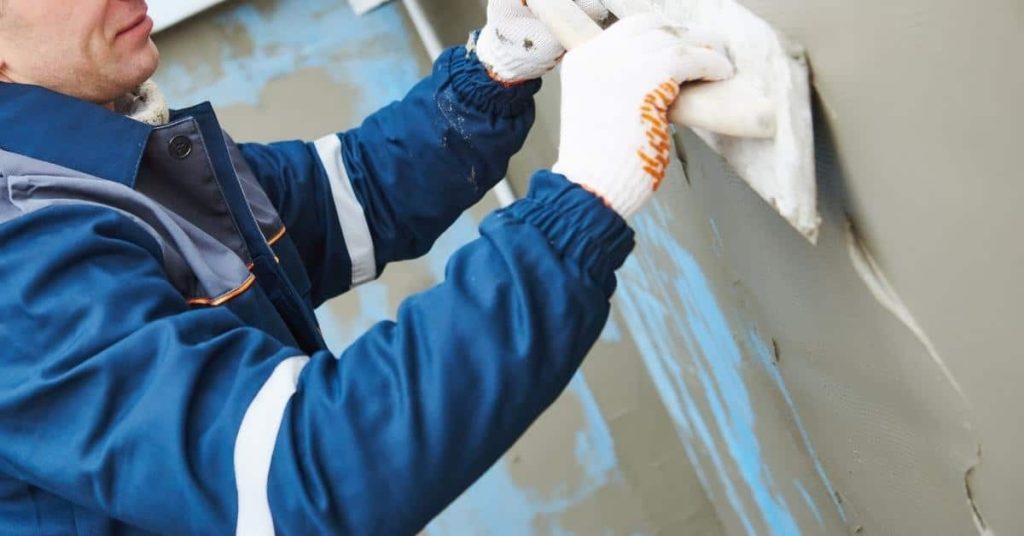
Worker applying stucco plaster onto wall with trowel

Stucco Movement Joints: Spacing Rules, Joint Profiles, and Sealant Detailing That Lasts

Introduction Movement joints in stucco are intentional gaps that let the plaster move with temperature and framing shifts. They help prevent cracks by giving the wall a controlled place to flex, not tear. Check local building rules and follow manufacturer instructions for spacing and placement in your area. There are different joint profiles and sealants,

Stucco Movement Joints: Spacing Rules, Joint Profiles, and Sealant Detailing That Lasts Read More »

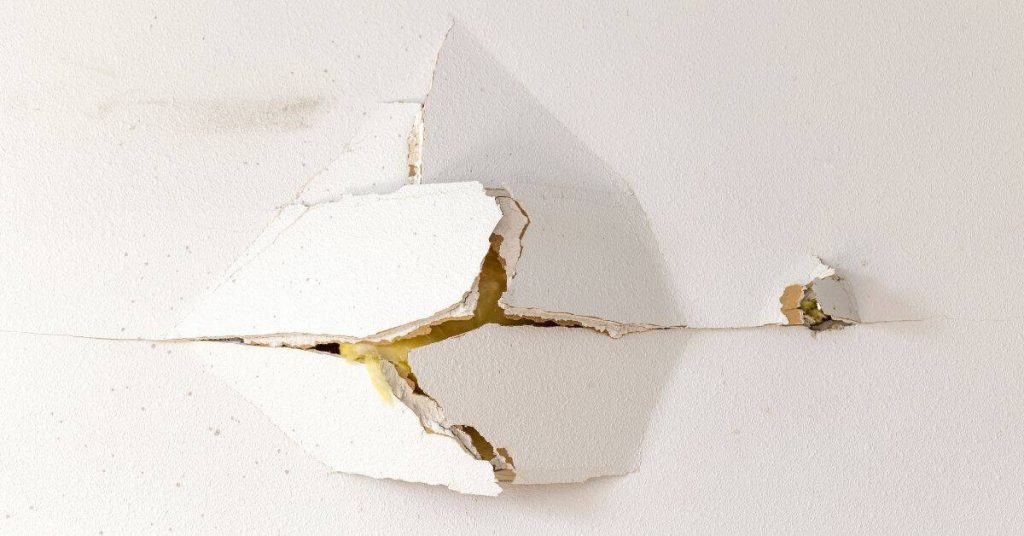
Closeup of cracked and peeling plaster on white wall

How to Repair a Failed Patch That Sounds Hollow: Cutback Rules and Reattachment Options

Introduction A failed patch that sounds hollow is a plaster area with voids that likely needs back-cutting and reattachment. In plain terms, you’ll check why it came loose and decide whether to trim the patch back or start fresh. This is a real-world, DIY job you can handle with basic tools and a patient approach.

How to Repair a Failed Patch That Sounds Hollow: Cutback Rules and Reattachment Options Read More »

Empty room with large windows and polished concrete floor

Salt-and-Pepper Polished Concrete: Achieving a Consistent Exposure Without Over-Grinding Edges

Introduction Salt-and-pepper polished concrete is a finish created by exposing a small, random mix of aggregate to produce a speckled, even look. The goal is to achieve a consistent exposure across the slab without carving too deep at edges. This approach keeps the surface looking uniform and practical for DIY applications. Edge finishing matters because

Salt-and-Pepper Polished Concrete: Achieving a Consistent Exposure Without Over-Grinding Edges Read More »

Man patching plaster on white ceiling with trowel

Patching Vertical Surfaces Overhead: Mixes, Bonding, and Sag Control

Introduction Patching vertical surfaces overhead means repairing overhead concrete with a patching mix to restore a flat surface. Use a mix rated for overhead bonding and follow the product label for prep and cure. Work from bottom to top as needed, and plan for potential sag during setting. Bonding strength and sag control come from

Patching Vertical Surfaces Overhead: Mixes, Bonding, and Sag Control Read More »

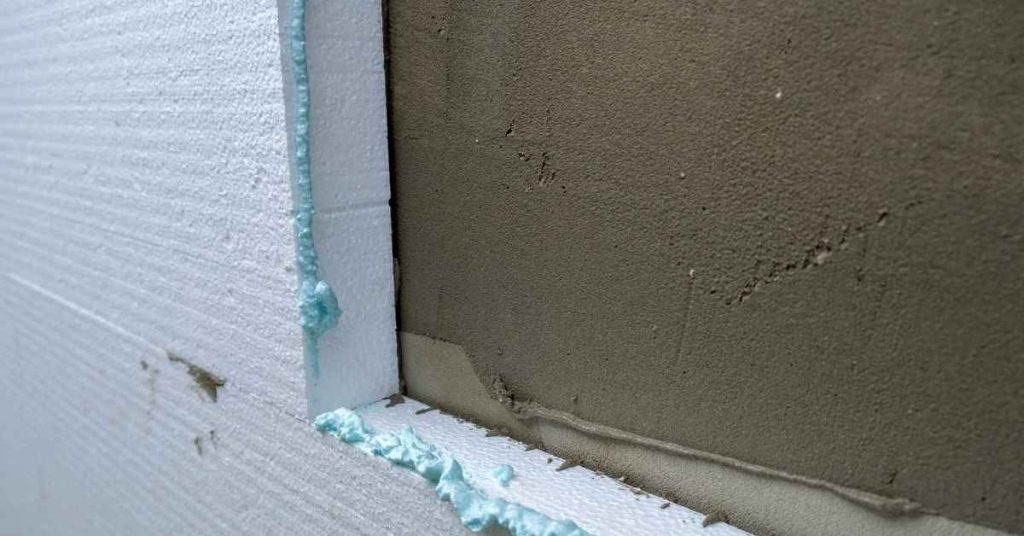
Close-up of foam insulation and repair mortar edge

Feather-Edge Rules for Repair Mortars: Minimum Thickness by Product Type

Introduction Feather-edge thickness for repair mortars is the minimum thickness you should aim for at the feathered edge of a repair, as defined by the product you choose. Because different products have different requirements, always check the label and the manufacturer instructions for the exact minimum. If in doubt, consult local rules or a pro

Feather-Edge Rules for Repair Mortars: Minimum Thickness by Product Type Read More »

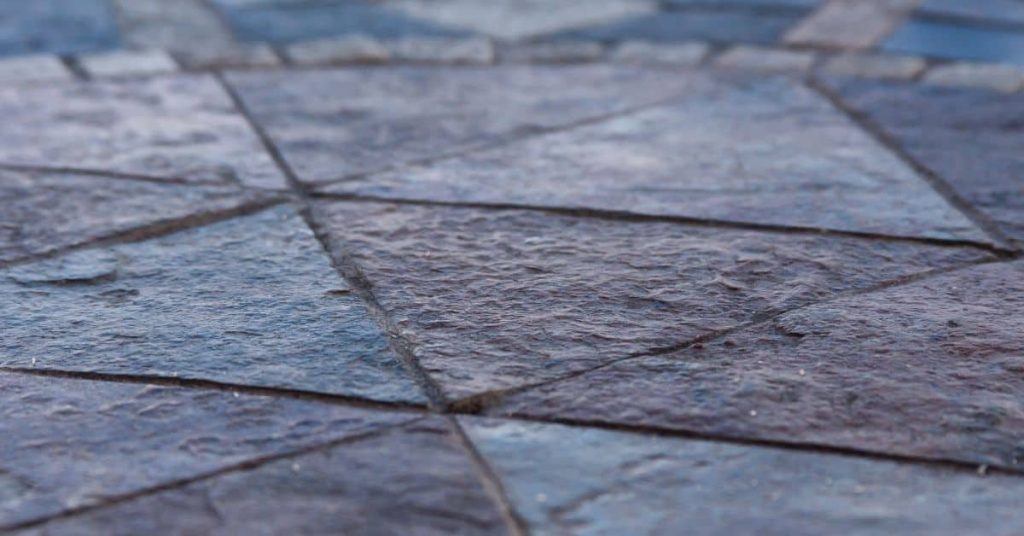
Close-up of textured and stamped concrete surface

Retarders in Decorative Concrete: Avoiding Cold Joints Without Soft Surfaces

Introduction Surface retarders are chemicals you apply to the top of fresh concrete to slow the surface set. They let you finish the body of the slab without creating a soft, uneven surface, helping you avoid cold joints. Different formulas work differently on color and texture, so understand what you’re using before you apply it.

Retarders in Decorative Concrete: Avoiding Cold Joints Without Soft Surfaces Read More »

Cracked white mortar on red brick wall in sunlight

Latex (SBR) Modifiers in Repair Mortars: Strength Gains vs Breathability Losses

Introduction Latex (SBR) modifiers are synthetic rubber additives used in repair mortars to improve flexibility and adhesion. They help the mortar resist cracking as concrete moves, but they can reduce breathability if overused. Always check the product label and manufacturer instructions for recommended usage and cure expectations. In textile-reinforced mortars (TRMs), SBR modifiers can boost

Latex (SBR) Modifiers in Repair Mortars: Strength Gains vs Breathability Losses Read More »