Search Results for: how to paint galvanized sheet metal

Worker wearing gloves and safety glasses using drill on ceiling drywall

How to Patch a Large Drywall Hole with Backer Boards (no Sag Patch)

Introduction This guide explains how to patch a large drywall hole using backer boards to prevent sag. You’ll reinforce the hole with backing and a patch that sits flush with the wall. It’s a practical, hands-on approach you can do with common tools. Begin by assessing the hole and gathering backer options, then plan where […]

How to Patch a Large Drywall Hole with Backer Boards (no Sag Patch) Read More »
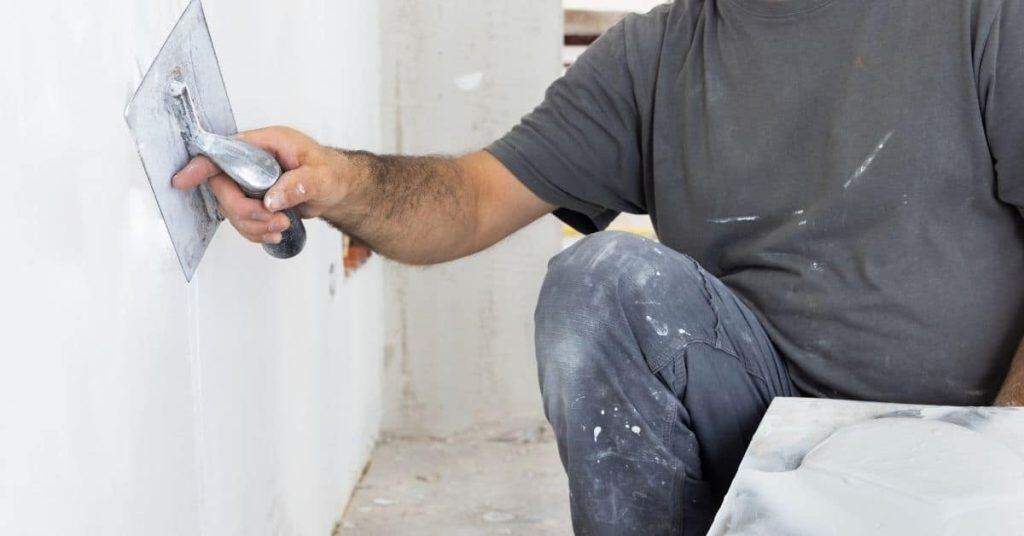
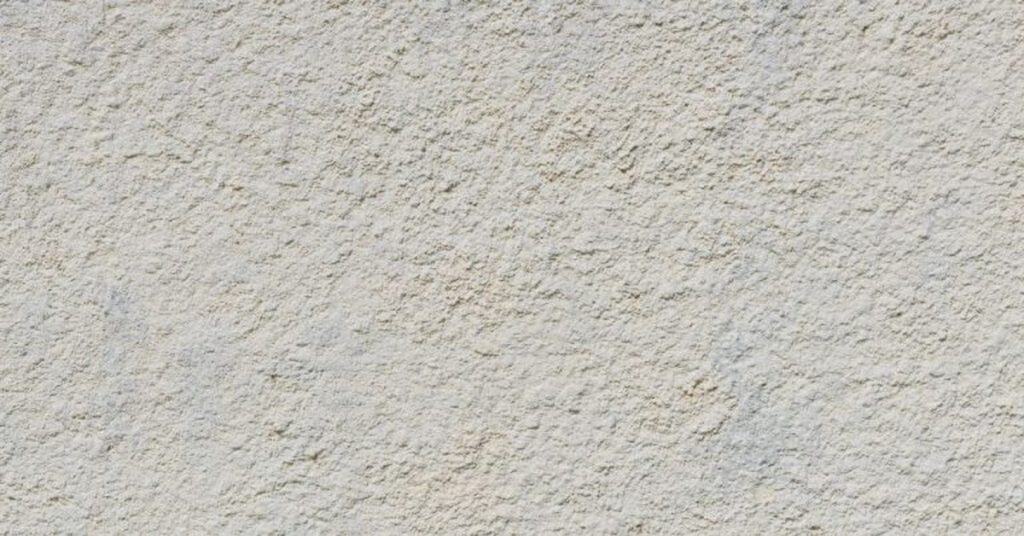
person smoothing white plaster on wall with trowel

How to Repair Cracked Plaster Without It Reappearing (Stabilize First)

Introduction Stabilizing the crack before patching is essential to keep plaster from reappearing. Identify the crack and check for signs of movement, moisture, or loose surrounding plaster before you start. Gather basic hand tools and the patching material you’ll use. Prepare the surface by cleaning away dust and loose material, and gently roughen slick edges

How to Repair Cracked Plaster Without It Reappearing (Stabilize First) Read More »

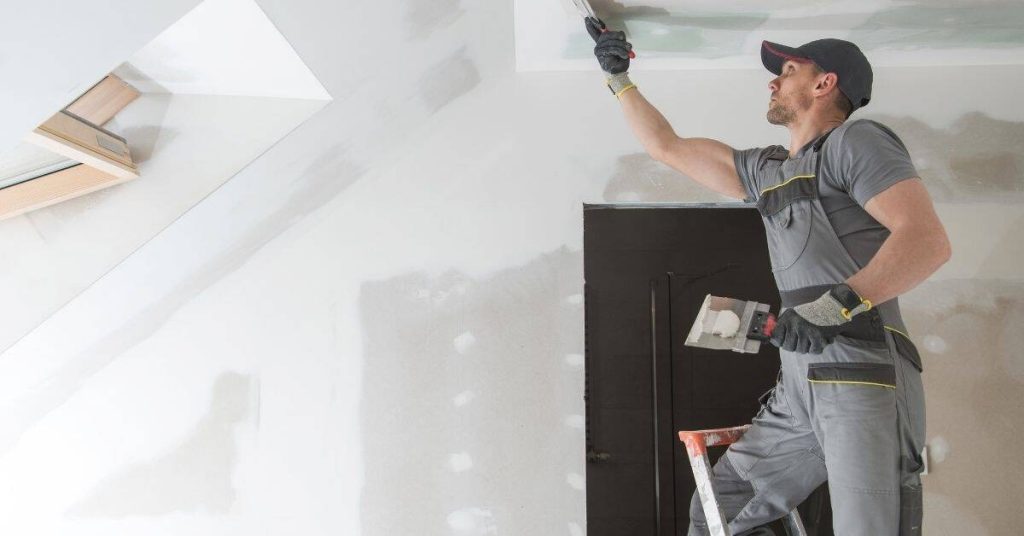
Worker applying drywall compound on ceiling with putty knife

How Long Does It Take to Reattach Loose Plaster with Washers? A Step-by-Step Timeline

Introduction Reattaching loose plaster with washers is a crucial repair task that requires careful planning and execution. Understanding the time commitment involved in each step helps you allocate your day effectively and ensures you complete the project successfully. This guide walks you through the process, breaking down the timeline so you know exactly how long

How Long Does It Take to Reattach Loose Plaster with Washers? A Step-by-Step Timeline Read More »

Exposed wooden lath behind damaged plaster wall surface

Plaster Keys Explained: How Lath-and-Plaster Actually Stays on the Wall

Introduction The age-old question among DIY enthusiasts is: how does lath and plaster stay on the wall? The answer lies in a simple yet ingenious technique called plaster keys. Let’s dive into this traditional method that has stood the test of time. Key takeaways Understand plaster keys are raised surfaces gripping the underlying lath to

Plaster Keys Explained: How Lath-and-Plaster Actually Stays on the Wall Read More »

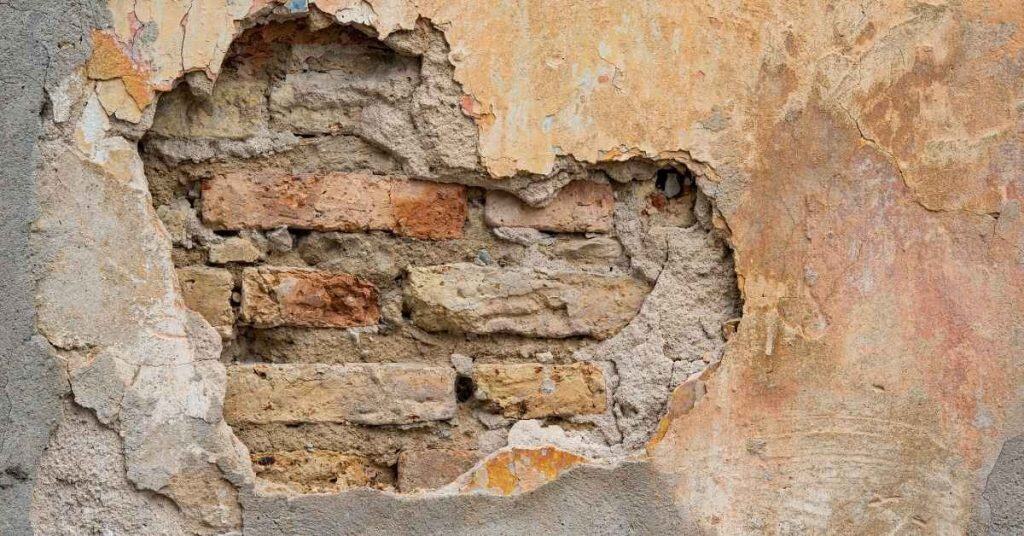
Damaged stucco with hollowed areas exposing brick underneath

How to Fix Loose or Hollow-Sounding Stucco (Delamination Repair)

Introduction Delamination in stucco occurs when the outer stucco layer loses its bond to the underlying substrate, creating a hollow or tinny sound when tapped. Visually, you’ll see cracks, bubbling, or patches that feel loose or wiggle under pressure. That combination signals a likely delamination that needs closer inspection. To assess it, gently probe suspected

How to Fix Loose or Hollow-Sounding Stucco (Delamination Repair) Read More »

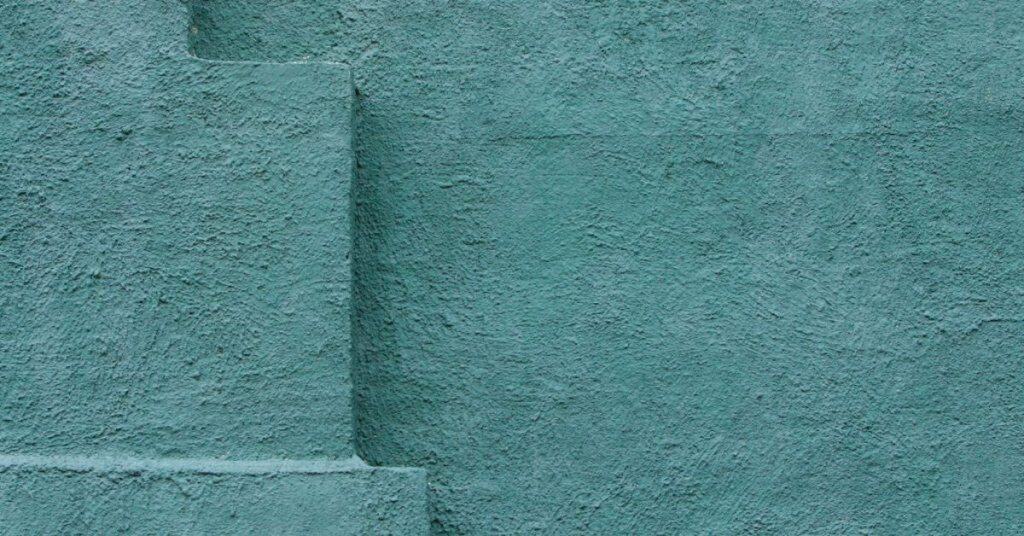
close-up of blue textured stucco wall surface

How to Patch Small Stucco Cracks That Keep Coming Back

Introduction Recurring small stucco cracks can be patched, but success depends on whether movement has stopped. Common DIY methods include caulking, meshing with reinforcement, or applying a new coat over the repaired area. Before you patch, assess how many cracks there are and whether they seem to be spreading, which guides your method. Expect patches

How to Patch Small Stucco Cracks That Keep Coming Back Read More »

Adding a Decorative Band: How to Attach Trim Screeds and Keep Lines Straight

Adding a Decorative Band: How to Attach Trim Screeds and Keep Lines Straight

Introduction Adding a decorative band means attaching trim screeds along a wall to create a framed, visual line while keeping the lines straight. Choose trim and screws appropriate for your surface and check the label or manufacturer instructions for compatibility. Keep the line true with a chalk line and clamps as you set each piece.

Adding a Decorative Band: How to Attach Trim Screeds and Keep Lines Straight Read More »

Repairing Rusted Corner Bead: How to Cut Back and Rebuild Without Chasing Cracks Forever

Repairing Rusted Corner Bead: How to Cut Back and Rebuild Without Chasing Cracks Forever

Introduction Rusted corner bead damage is when the metal trim at the wall corner has corroded and risks cracking the drywall. You’ll see rust stains, flaky edge metal, or bent corners that don’t sit square. This article walks you through a practical, hands-on repair plan. First, identify the damaged metal and assess if the drywall

Repairing Rusted Corner Bead: How to Cut Back and Rebuild Without Chasing Cracks Forever Read More »