Search Results for: heat resistant cement for high heat

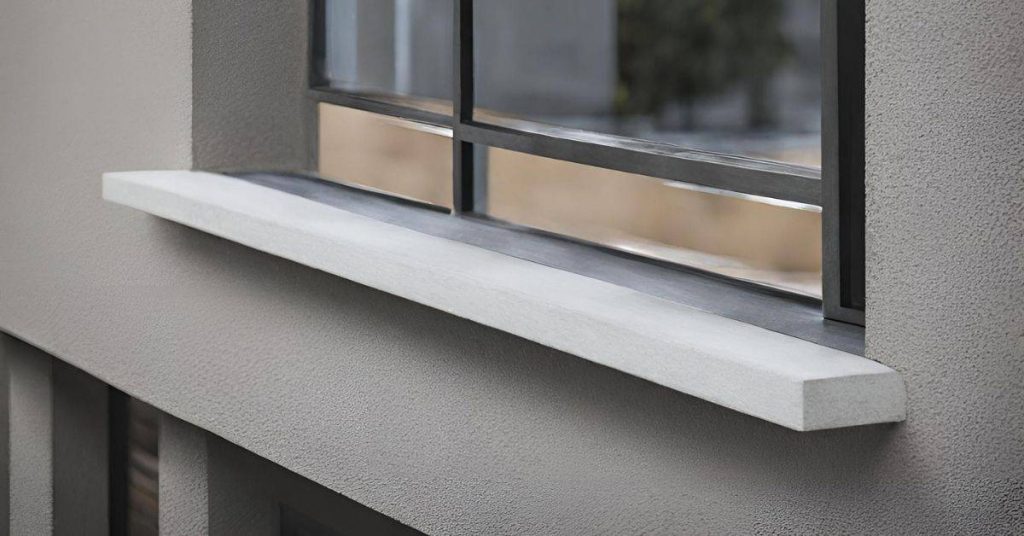
Precast concrete window sill on textured exterior wall

Concrete Pads for Mini-Split Condensers: Vibration Isolation and Drainage Details

Introduction Concrete pads provide a solid, level base for mini-split condensers while helping dampen vibration and manage drainage. In practice, you’ll pick a pad size and placement that suits your unit and how you route condensate away from the slab. Always verify load limits, mounting hardware recommendations, and local rules before pouring. Anti-vibration features and […]

Concrete Pads for Mini-Split Condensers: Vibration Isolation and Drainage Details Read More »
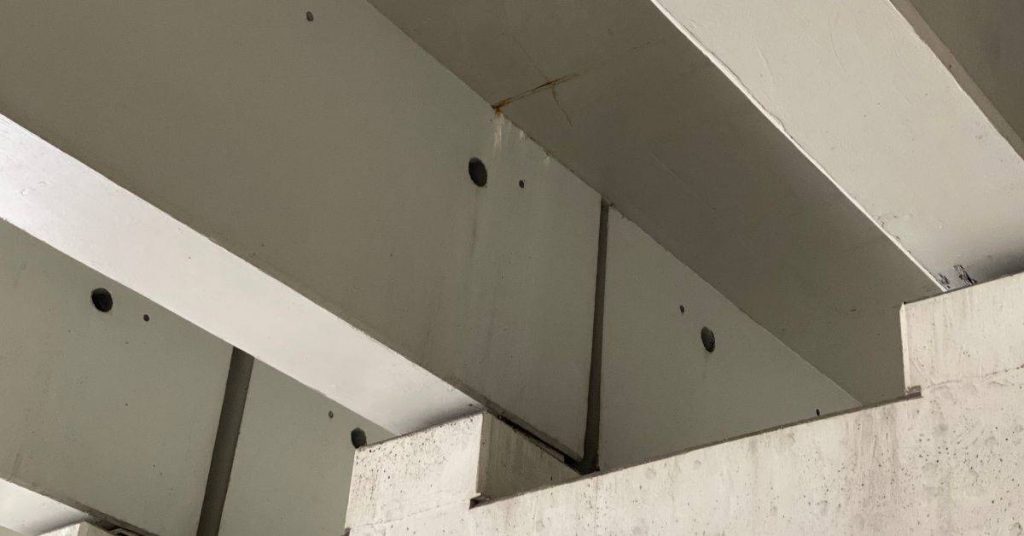
Close-up of concrete beam to column connection with visible joint

Choosing Caulk for Concrete Block Joints: Polyurethane vs Hybrid vs Silicone (and why it matters)

Introduction Caulk for concrete block joints is a flexible sealant used to close gaps between concrete blocks to keep out water and air. Choosing the right sealant starts with the joint type and weather exposure, then applying it with the right tools. Keep in mind it should bond to masonry, cure properly, and be compatible

Choosing Caulk for Concrete Block Joints: Polyurethane vs Hybrid vs Silicone (and why it matters) Read More »

Hands holding plaster mold and casting on white table

Repairing Plaster Medallions and Ornament: Simple Mold Tricks for Missing Details

Introduction Repairing plaster medallions and ornament means recreating missing decorative detail on a plaster ceiling or wall. It starts with shaping a patch of material to mimic the curve and edge you see around the piece, then pressing it in to blend with the surrounding plaster. Take your cues from the existing profile and work

Repairing Plaster Medallions and Ornament: Simple Mold Tricks for Missing Details Read More »

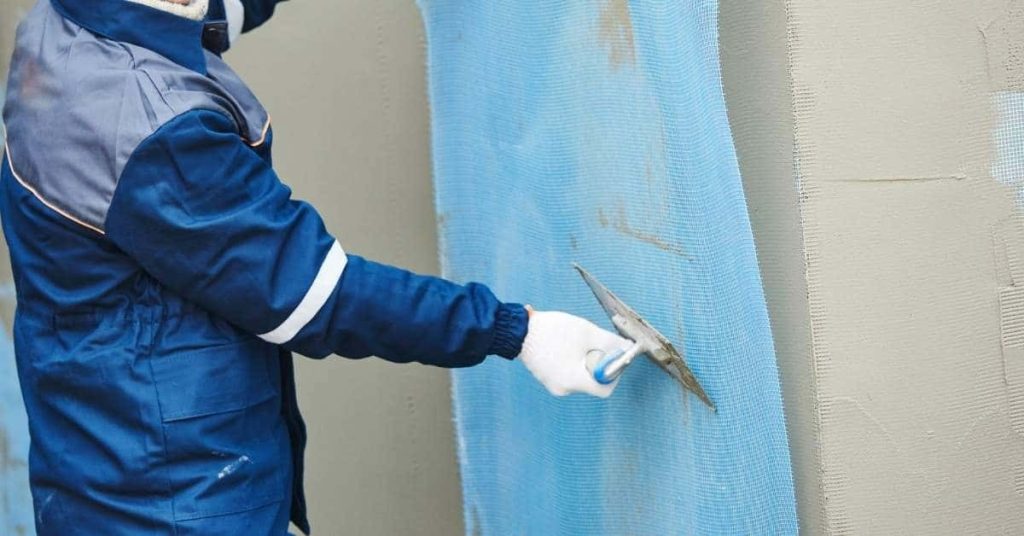
Person applying plaster over blue mesh on wall

Clay Plaster Over Plywood: Movement Joints, Mesh Choices, and Crack-Reduction Tricks

Introduction Clay plaster over plywood is a traditional finish that you apply to plywood walls, using joints and mesh to control movement and cracks. This article gives practical, hands-on steps for choosing joint spacing, mesh types, and tricks to reduce cracking. Expect a process that favors small batches, careful bonding, and testing along the way.

Clay Plaster Over Plywood: Movement Joints, Mesh Choices, and Crack-Reduction Tricks Read More »

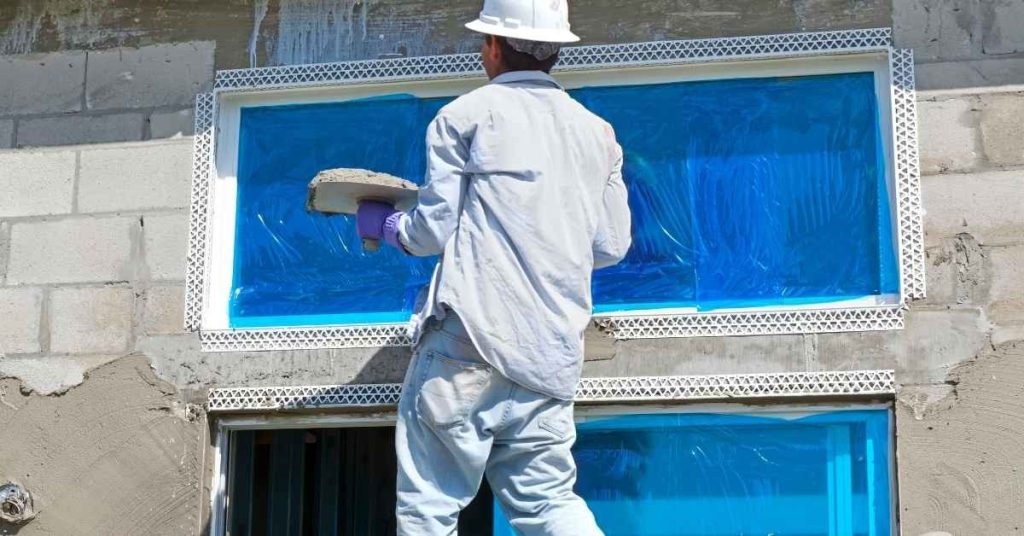
Worker applying stucco around window frame with trowel

Stucco Repairs Around Dryer Vents: Proper Sleeves, Flashing, and Slope

Introduction This guide explains how to repair stucco around dryer vents using proper sleeves, flashing, and slope. I’ll keep it practical and real-world, focusing on what you can check and adjust on the job. You’ll learn how to protect the vent opening from water intrusion while keeping the stucco looking sturdy. Key steps include selecting

Stucco Repairs Around Dryer Vents: Proper Sleeves, Flashing, and Slope Read More »

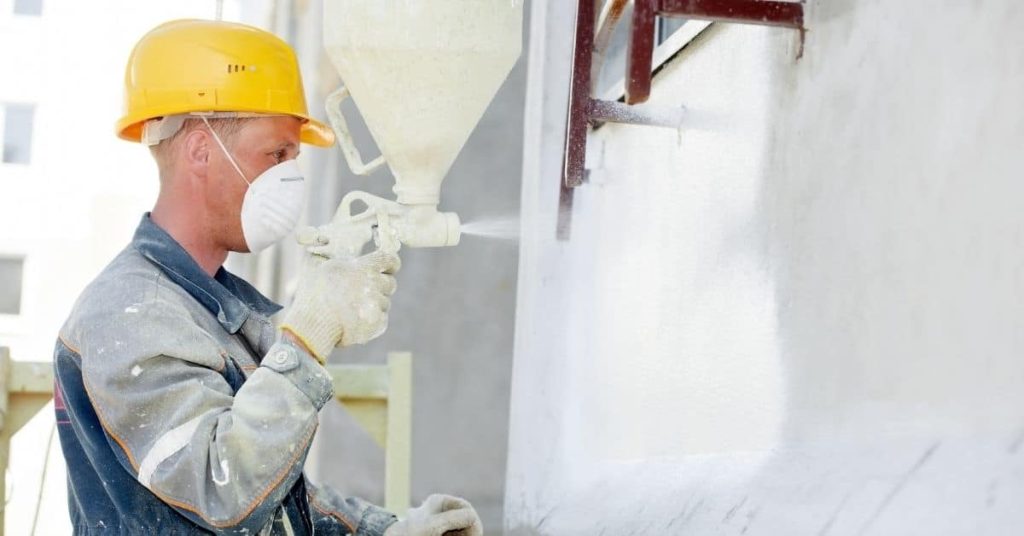
Worker spraying stucco on exterior wall wearing hard hat and mask

Stucco Around Hose Bibs: Sleeves, Sealant Geometry, and Crack Prevention

Introduction Stucco around hose bibs is the practice of enclosing the faucet with a protective sleeve and proper sealant so water stays out. The goal is a tight, weatherproof transition where the hose bib meets the stucco skin. This is a hands-on task, not a theory exercise. Start with correct sleeves and a flush, clean

Stucco Around Hose Bibs: Sleeves, Sealant Geometry, and Crack Prevention Read More »

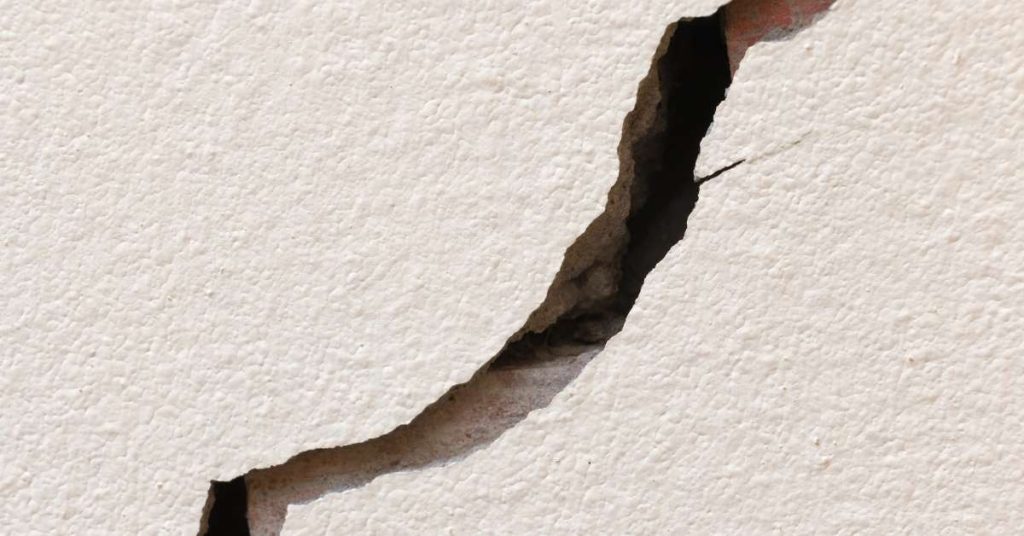
Closeup of deep irregular crack in textured stucco wall

Crack Repairs in Stucco Without Trapping Water: Drainage Plane Reality Check

Introduction Drainage planes are designed to move water out from behind stucco so you don’t trap it against the wall. When cracking repairs are done, you need to preserve that path for moisture to escape while sealing the crack. Check your current system and follow manufacturer guidance for any patch materials and installation steps. If

Crack Repairs in Stucco Without Trapping Water: Drainage Plane Reality Check Read More »

Exposed brick wall partly covered with gray stucco render

Stucco-to-Brick Transitions: Movement Joints and Water Breaks That Don’t Crack

Introduction A movement joint at a stucco-to-brick transition is a deliberate gap that lets the siding materials expand and contract without cracking. Its job is to separate the two substrates so stresses don’t transfer and crack the finish. This article shows practical, hands-on steps for placing joints and installing water breaks so the transition stays

Stucco-to-Brick Transitions: Movement Joints and Water Breaks That Don’t Crack Read More »

Polished concrete floor reflecting overhead lights and columns

Concrete Densifiers for DIY: Lithium vs Sodium Silicate and What Can Go Wrong

Introduction Lithium and sodium silicate densifiers are concrete surface treatments that harden the top layer by penetrating and sealing the pores. They can help reduce dust, improve spill resistance, and give a subtle finish, but the best choice depends on your concrete and environment. Always check the product label and follow the manufacturer instructions, and

Concrete Densifiers for DIY: Lithium vs Sodium Silicate and What Can Go Wrong Read More »

Concrete driveway ramp with grooved surface and side walls

Cold-Weather Concrete Curing for Small Casts: DIY Warm Boxes That Don’t Dry Out

Introduction Cold-weather concrete curing for small casts is keeping moisture and heat in so small pours cure properly in cold conditions. This article walks through hands-on, non-technical steps you can try at home without special equipment. You’ll learn how a simple warm box setup can help small casts stay consistent without drying out. Materials to

Cold-Weather Concrete Curing for Small Casts: DIY Warm Boxes That Don’t Dry Out Read More »