Search Results for: finishing

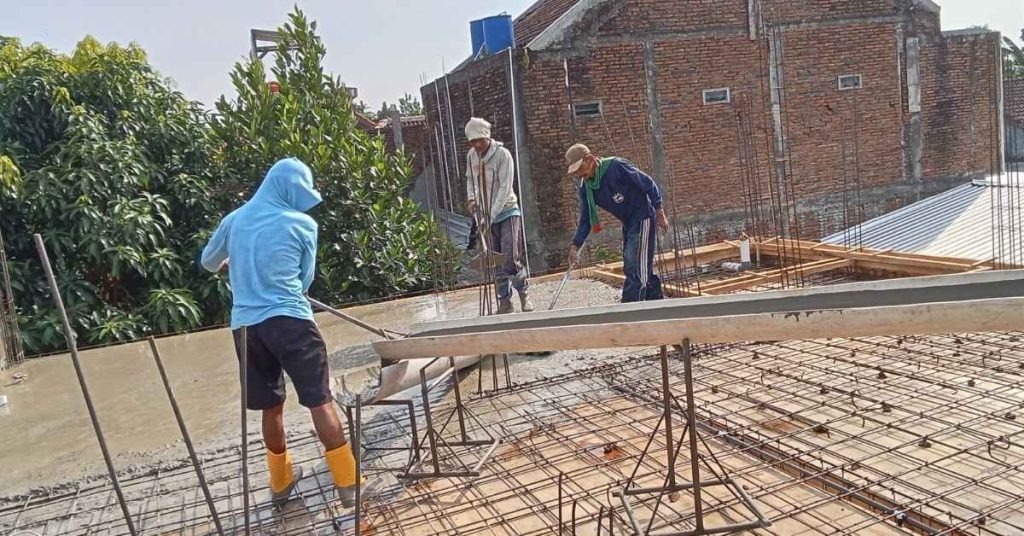
Workers pouring concrete over dense rebar on construction site

SCC vs Regular Concrete: Best Uses in Dense Rebar (and Can You DIY It?)

Introduction SCC, or self-consolidating concrete, is a flowable mix that settles around dense rebar without vibration. For DIY, this means less hammering and fewer air pockets, but you still need good formwork and clean rebar. Always check the product label and local rules for any restrictions or requirements on your project. Advantages and disadvantages depend […]

SCC vs Regular Concrete: Best Uses in Dense Rebar (and Can You DIY It?) Read More »
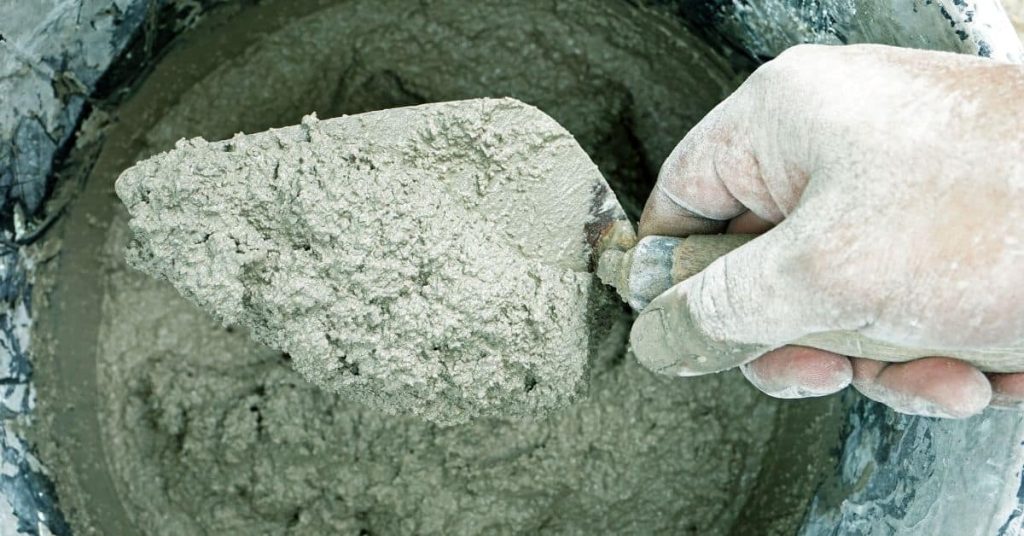
Hand holding trowel with wet concrete mixture

Shotcrete vs Hand Patching for Vertical Repairs: When Shotcrete Wins (and Why Patches Fail)

Introduction Shotcrete is a sprayed concrete repair method that builds up material quickly on vertical surfaces. Hand patches involve applying a keyed patch with mix and hand troweling, which is slower and more surface-bound. For DIY projects, shotcrete can address larger flaws, while patches rely on proper surface prep and bonding. In practice, shotcrete wins

Shotcrete vs Hand Patching for Vertical Repairs: When Shotcrete Wins (and Why Patches Fail) Read More »

Worker in safety helmet holding drill near wall

FRP Rebar: Cutting, Drilling, Cover Requirements, and Bending Limits (DIY Guide)

Introduction FRP rebar is a non-metallic reinforcement made from fiber-reinforced polymer designed to reinforce concrete. It’s lightweight, corrosion resistant, and behaves differently from steel, so plan accordingly. If you’re unsure, check the manufacturer guidance and local rules before sizing or choosing it. Cutting and drilling FRP rebar requires specific tools and care; don’t treat it

FRP Rebar: Cutting, Drilling, Cover Requirements, and Bending Limits (DIY Guide) Read More »

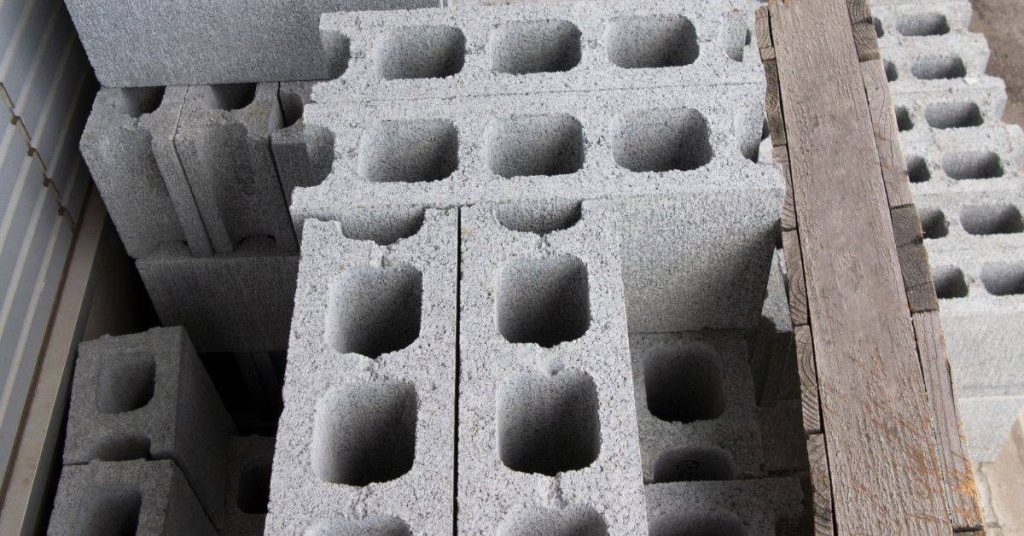
Stacked gray concrete cinder blocks with hollow centers

Rammed Earth vs Concrete Block Outdoors: Cost, Durability, and Maintenance Compared

Introduction Rammed earth and concrete block outdoors are two exterior wall options to compare in terms of cost, durability, and maintenance. This quick, hands-on look will help you decide what fits a DIY setup in your climate and budget. You’ll want to weigh initial costs, long-term upkeep, and how each holds up under weather and

Rammed Earth vs Concrete Block Outdoors: Cost, Durability, and Maintenance Compared Read More »

Box fan facing damp concrete basement floor and wall

Limecrete Basement Floors: Breathability, Moisture Control, and DIY Installation

Introduction Limecrete basement floors are lime-based, breathable floor layers that help moisture move through the slab. They differ from traditional concrete by using lime binders and softer finishes, which are more forgiving for moisture control. In practice, you’ll prep the area, mix according to the product label, and check for proper ventilation and curing. DIY

Limecrete Basement Floors: Breathability, Moisture Control, and DIY Installation Read More »

Man smoothing plaster on wall with float tool

Hempcrete Retrofits for Insulation: Detailing to Avoid Moisture Traps and Mold

Introduction Hempcrete retrofits for insulation are a breathable, lime-based mix used to insulate while letting moisture escape. This approach helps slow heat loss and reduce moisture traps if installed with proper detailing. Work with the material by keeping joints open to airflow and following manufacturer or local guidance. Plan for surface prep, air sealing, and

Hempcrete Retrofits for Insulation: Detailing to Avoid Moisture Traps and Mold Read More »

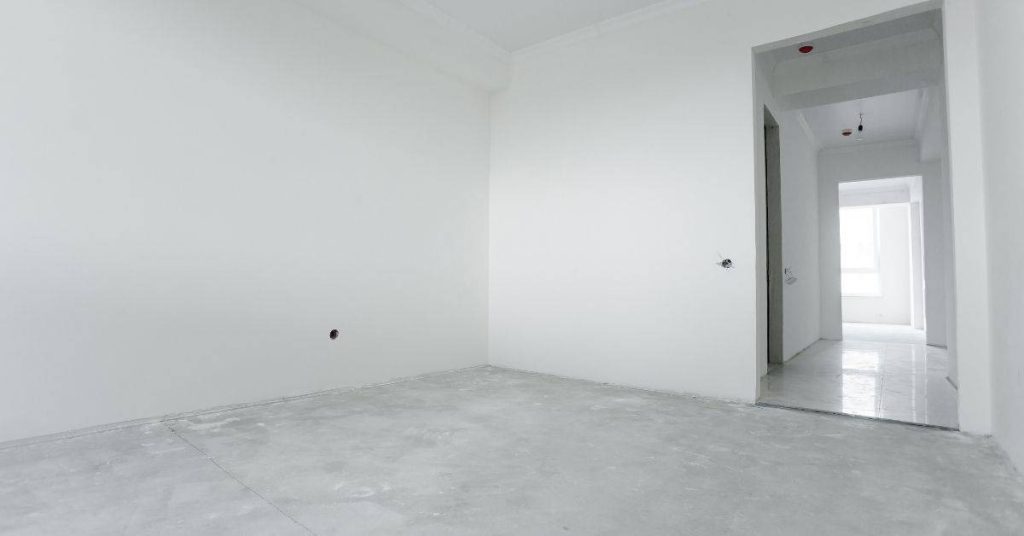
Empty unfinished room with smooth white plastered walls

Hempcrete Walls: DIY Build Basics, Drying Time, and Moisture Failure Modes

Introduction Hempcrete walls are walls built from a lime-hemp composite that forms a lightweight, breathable enclosure. As a DIY builder, you’ll mix a lime-hemp composite and place it into formwork, then let it cure with good airflow. The key is understanding that these walls are different from cement blocks and rely on porous curing and

Hempcrete Walls: DIY Build Basics, Drying Time, and Moisture Failure Modes Read More »

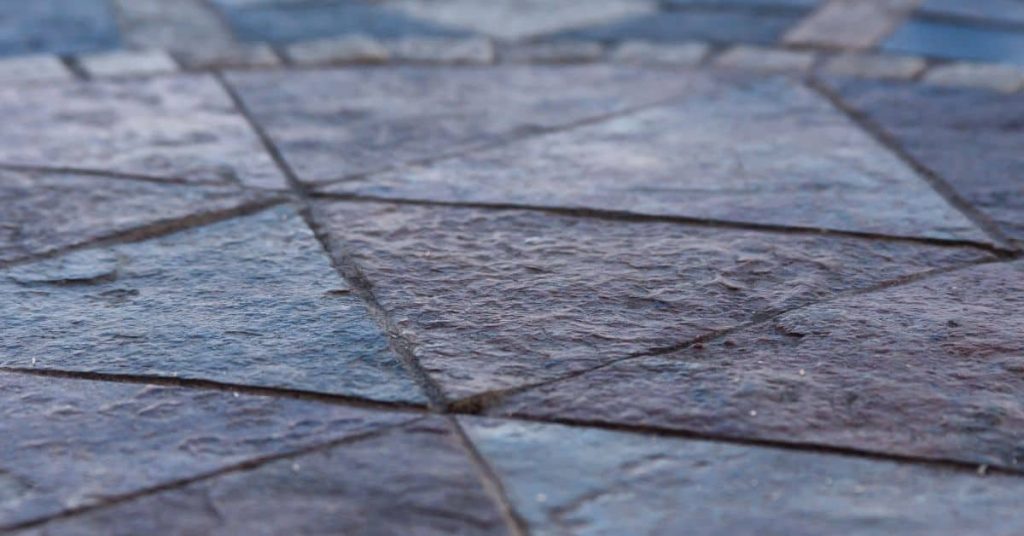
Close-up of textured stamped concrete floor tiles

Concrete Curing Compounds: When to Use Them (and When They Ruin Adhesion)

Introduction Concrete curing compounds are products applied to fresh concrete to retain moisture and control evaporation. They often come as liquid sprays or wipe-on films that form a moisture-retaining barrier as the concrete hardens. Check the label to see if it’s intended for curing only or for sealing and curing, and follow local guidance. Use

Concrete Curing Compounds: When to Use Them (and When They Ruin Adhesion) Read More »

Large precast concrete wall panels supported by braces at construction site

Geopolymer Concrete: When It Beats Portland Cement (Including Precast Planters)

Introduction Geopolymer concrete is an alternative to Portland cement that uses aluminosilicate binders activated by alkalis. For DIY projects, it can be mixed and cured similarly to regular concrete, but you’ll want to follow the product instructions and local guidelines. In precast planters, it can offer different finish options and installation flexibility. Geopolymer concrete often

Geopolymer Concrete: When It Beats Portland Cement (Including Precast Planters) Read More »

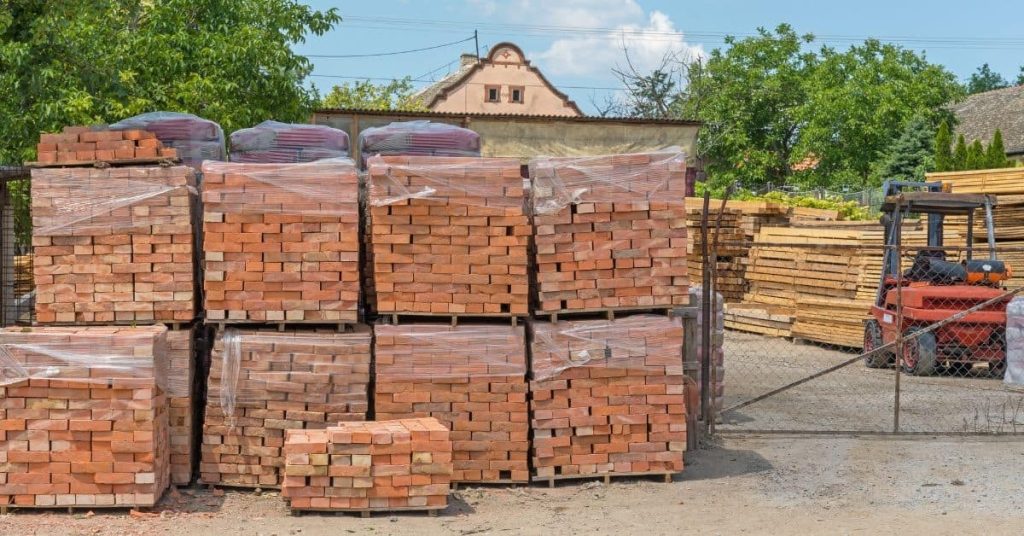
Stacks of red bricks wrapped on wooden pallets outdoors

Alternative Building Materials Compared: Hempcrete, Limecrete, Rammed Earth, and Geopolymer

Introduction This article compares hempcrete, limecrete, rammed earth, and geopolymer concrete as alternative building materials. In plain terms, these are non-traditional mixes and methods used for walls, floors, and envelopes in DIY projects. If you’re planning a project, check product labels, manufacturer instructions, and local rules for guidance on handling, curing, and compatibility with other

Alternative Building Materials Compared: Hempcrete, Limecrete, Rammed Earth, and Geopolymer Read More »