Search Results for: finishing

Stacked gray cement bags piled outdoors

LC3 Cement Explained: Low-Carbon Concrete for Decorative Work (Pros, Cons, Pitfalls)

Introduction LC3 cement is a low‑carbon concrete mix that combines clinker with limestone to reduce emissions. In practice, it blends ordinary cement components with limestone to change the chemistry and clinker demand. As a DIY reader, check the bag label and local guidelines to see if LC3 fits your project. For decorative work, LC3 can […]

LC3 Cement Explained: Low-Carbon Concrete for Decorative Work (Pros, Cons, Pitfalls) Read More »

Concrete wall surface with visible cracking and peeling

Silica Fume for Thin Concrete Sections: How to Use It Without Cracking

Introduction Silica fume is a fine supplementary cementitious material that helps reduce cracking in thin concrete sections. In plain terms, it boosts the concrete mix by refining the pore structure and tightening the finish. It’s something you mix in with cement and water per manufacturer instructions. For DIY work, think of it as a tool

Silica Fume for Thin Concrete Sections: How to Use It Without Cracking Read More »

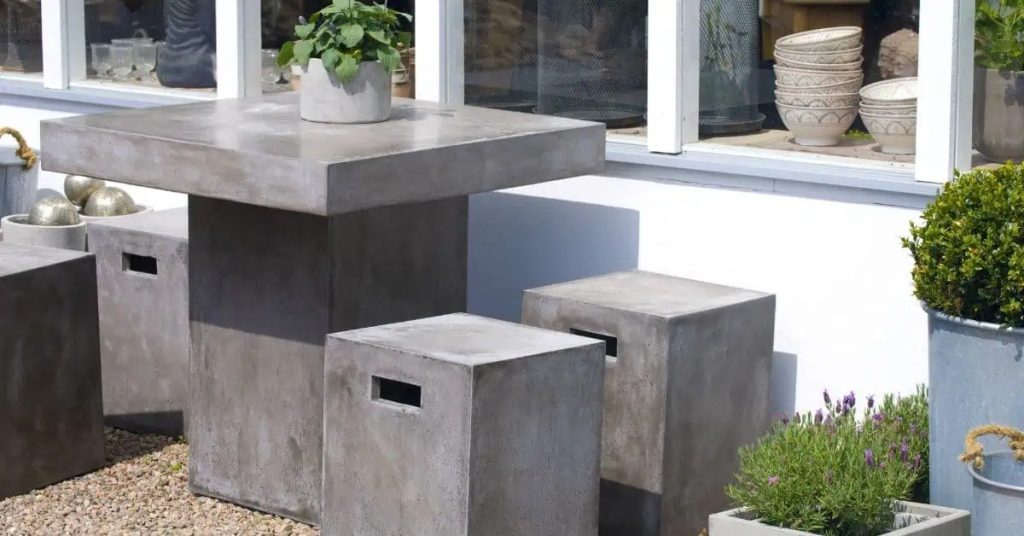
Concrete outdoor table with cube stools on gravel patio

Metakaolin for DIY Concrete Countertops: Mix Tweaks, Sealing, and Troubleshooting

Introduction Metakaolin is a pozzolanic additive that can improve the workability and durability of DIY concrete countertops. In practice, it can tighten the mix and help reduce cracking when you’re pouring custom countertops. Always follow product labels and local rules when mixing. Sealing and curing: use a proper sealer compatible with metakaolin-enhanced mixes and follow

Metakaolin for DIY Concrete Countertops: Mix Tweaks, Sealing, and Troubleshooting Read More »

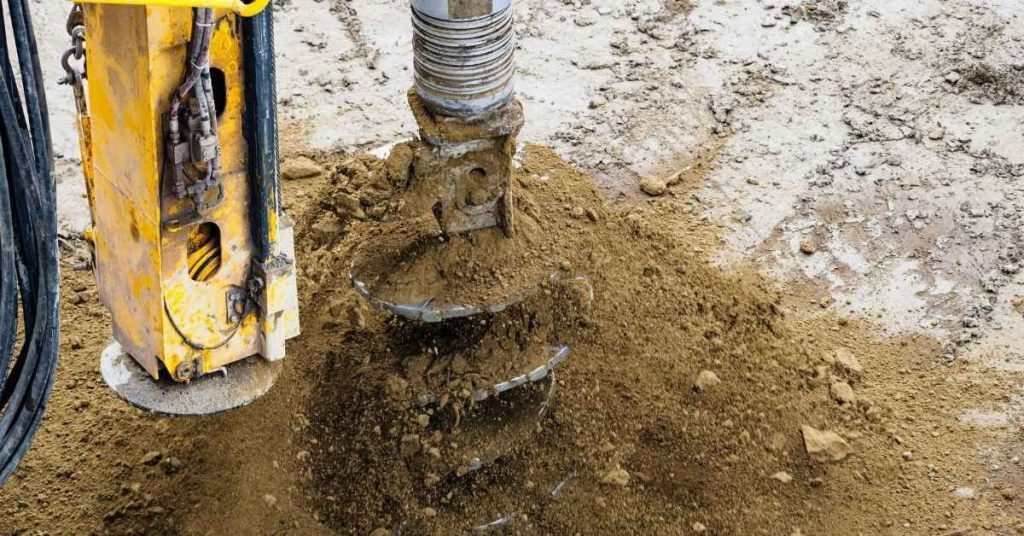
Close-up of yellow earth auger drilling into soil

Rammed Earth Garden Walls: DIY Guide to Compaction, Protection, and Durability

Introduction Rammed earth garden walls are compacted earth walls built by packing soil into forms to create solid, durable features. It’s a hands-on, DIY approach that relies on correct mix, moisture, compaction, and formwork for straight walls. Check local rules and follow manufacturer instructions for materials and safety. Historically used in traditional buildings, rammed earth

Rammed Earth Garden Walls: DIY Guide to Compaction, Protection, and Durability Read More »

Closeup of orange concrete hopper against clear blue sky

Metakaolin in Concrete: What Changes (Strength, Finish, Workability) and Best Uses

Introduction Metakaolin is a supplementary cementitious material added to concrete to modify performance. In DIY terms, you mix it with cement and aggregate to replace part of the cement, following the product label and local rules. It’s used to improve consistency and reduce shrinkage, but you should verify compatibility with your mix and jobsite conditions.

Metakaolin in Concrete: What Changes (Strength, Finish, Workability) and Best Uses Read More »

Stacked precast concrete columns outdoors on grass

SCMs for Stronger, Denser, Lower-Carbon Concrete: Metakaolin, Silica Fume, and LC3

Introduction SCMs are supplementary cementitious materials added to concrete to improve strength and density while lowering overall carbon. Metakaolin, silica fume, and LC3 are common options you might encounter in DIY mixes, each with distinct effects on workability and set. Always check product labels and manufacturer instructions, and start with small test batches to see

SCMs for Stronger, Denser, Lower-Carbon Concrete: Metakaolin, Silica Fume, and LC3 Read More »

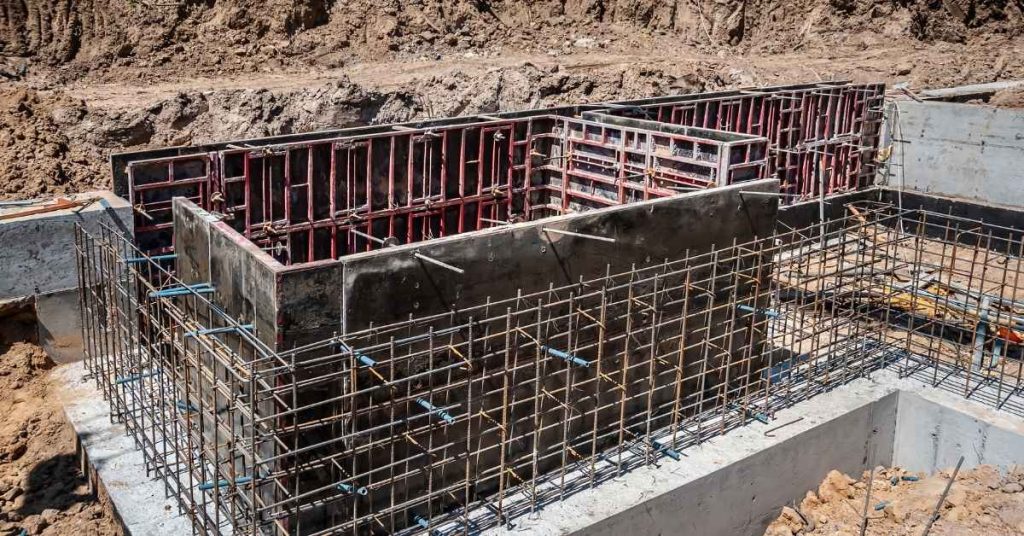
Concrete foundation with steel rebar and formwork on construction site

How to Use Hydration Stabilizers: Small Pours, Hot Weather, and Long Hauls

Introduction Hydration stabilizers are additives that help concrete stay workable and set more predictably during small pours, hot weather, or long hauls. They help manage hydration so you can pour when conditions would normally cause workability loss or early stiffening. You’ll use them by following simple mixing steps and applying the stabilizer according to the

How to Use Hydration Stabilizers: Small Pours, Hot Weather, and Long Hauls Read More »

Worker laying concrete pavers on gravel base

Hydration Stabilizer vs Retarder: What’s the Difference and Which to Choose

Introduction A hydration stabilizer is an additive that slows changes in cement hydration to keep the concrete mix workable longer. It helps maintain slump and workability without a dramatic early stiffening. Always check the product label and manufacturer instructions for proper usage, dosage, and compatibility with your mix and additives. In contrast, a conventional retarder

Hydration Stabilizer vs Retarder: What’s the Difference and Which to Choose Read More »

Wooden house on stilts over calm water at sunset

Superplasticizer vs Water Reducer: Which One You Actually Need for Workability

Introduction Superplasticizers and water reducers are concrete additives that improve workability without adding extra water. A superplasticizer is typically more powerful at lowering water while keeping consistency. Check product labels and manufacturer instructions to match your mix and slump goals. Both can help with flow and finishing, but they influence different concrete properties. Concrete properties

Superplasticizer vs Water Reducer: Which One You Actually Need for Workability Read More »

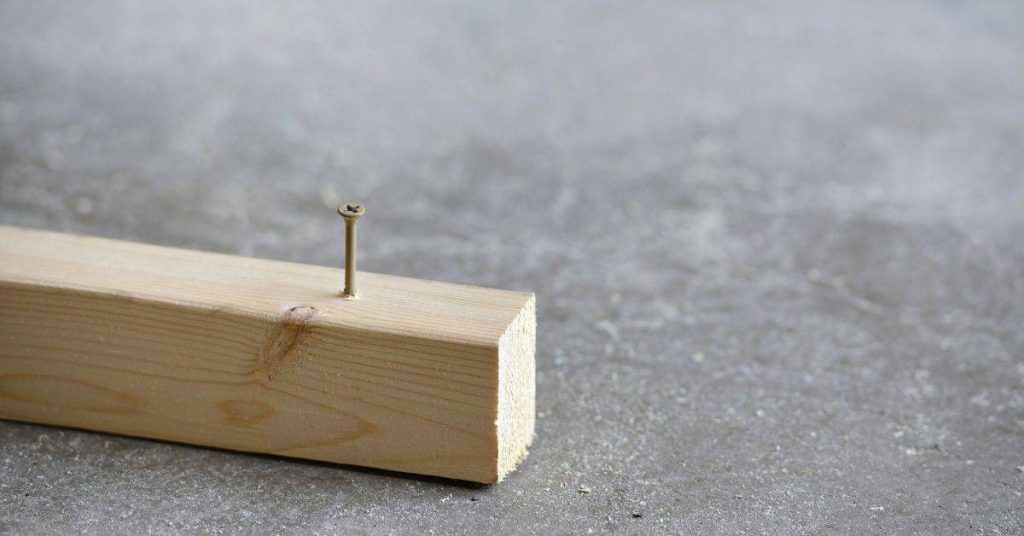
Wood block with nail standing upright on concrete surface

Superplasticizer in Concrete: What It Does and When It’s Worth It

Introduction A superplasticizer is a chemical additive that helps concrete flow more easily without adding water, improving workability for tricky pours. It lets you place and finish concrete smoother, especially in finer mixes or when you need higher slump without weakening the mix. Check the product label and follow the manufacturer’s instructions for mixing and

Superplasticizer in Concrete: What It Does and When It’s Worth It Read More »