Search Results for: finishing

Stacked precast concrete columns outdoors on grass

Concrete Admixtures for DIY Builders: What to Use, What to Skip, and Why

Introduction Concrete admixtures are additives used to modify how concrete behaves. They can improve workability, curing, strength, or durability, depending on the mix and project. For DIY projects, choose admixtures based on the goal, then check the label and manufacturer instructions for your specific cement and conditions. Common types include plasticizers for flow, air entrainers […]

Concrete Admixtures for DIY Builders: What to Use, What to Skip, and Why Read More »

Unfinished concrete building structure with window openings

Papercrete (Cardboard Concrete): Common Problems, Simple Tests, and Fixes That Last

Introduction Papercrete is a composite made from shredded paper or cardboard mixed with a cementitious binder to form a lightweight, workable material. It relies on the paper fibers to add bulk and some insulation, while the binder provides strength. It’s a hands-on option that varies with the exact mix, moisture, and curing conditions, so results

Papercrete (Cardboard Concrete): Common Problems, Simple Tests, and Fixes That Last Read More »

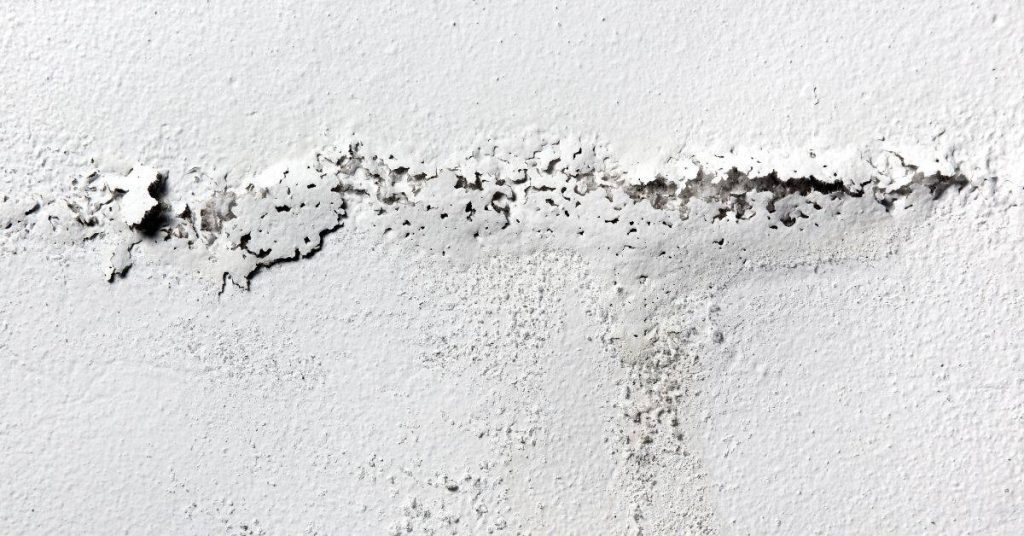
Concrete wall with peeling and damaged white paint surface

Crystalline Waterproofing for Concrete: How It Works and Where It Fails

Introduction Crystalline waterproofing is a treatment that makes concrete itself less permeable by filling its pores with crystalline compounds. It is typically applied or incorporated during construction, so the concrete blocks water intrusion rather than just coating it. This approach aims to create internal barriers that work as the concrete hydrates and cures. The mechanism

Crystalline Waterproofing for Concrete: How It Works and Where It Fails Read More »

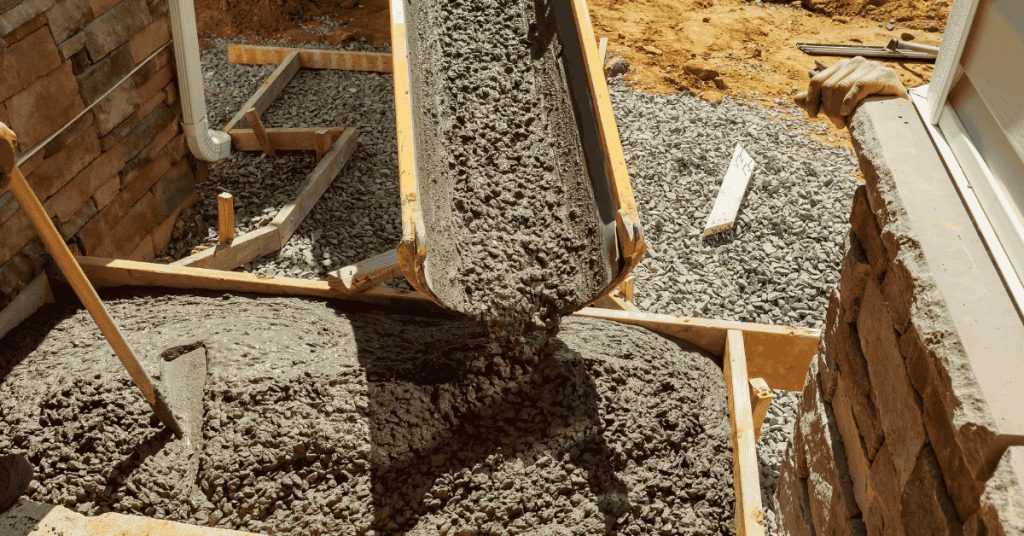
Concrete being poured into wooden formwork outdoors

Form Release Agent: How to Apply It Without Staining or Soft Spots

Introduction A form release agent is a coating applied to formwork to prevent concrete from sticking and to reduce staining. Options include water-based and solvent-based types, and the choice depends on the project, curing conditions, and safety considerations. Always read the product label and manufacturer guidance to choose the right option for your job. Apply

Form Release Agent: How to Apply It Without Staining or Soft Spots Read More »

Hand using steel trowel to smooth wet concrete surface

Steel Trowel vs Magnesium Float: Which Finish Fits Which Job

Introduction Steel trowel finish is a smooth, hard surface created by pulling steel blades across fresh concrete to close the surface. It yields a dense, glassy look when done correctly. Use it carefully, as over-troweling can trap moisture or create a brittle surface. Magnesium float finish is a light, textured surface achieved by smoothing with

Steel Trowel vs Magnesium Float: Which Finish Fits Which Job Read More »

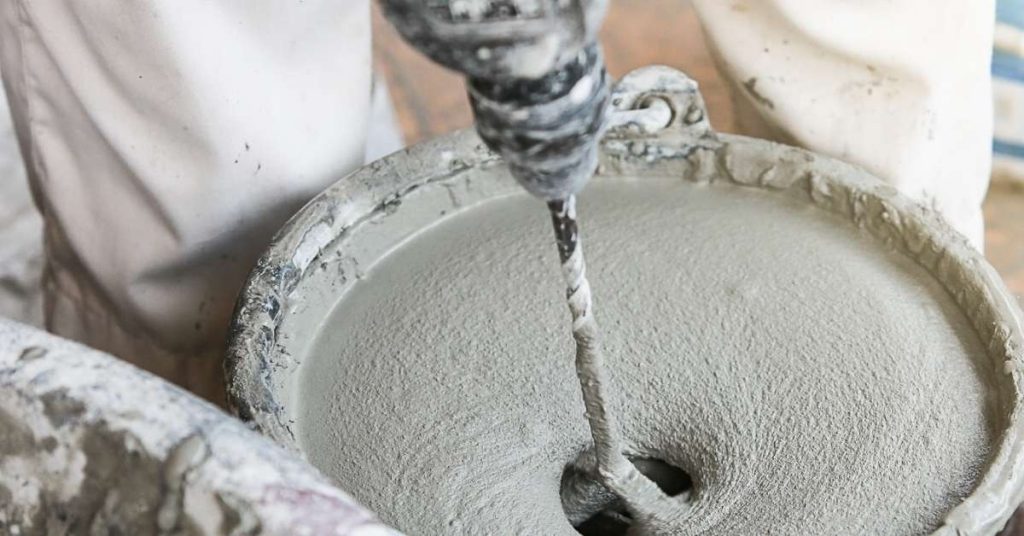
Mixing gray cement mixture in a bucket with drill paddle

Polymer-Modified Overlays: Mixing, Thickness, and Curing for Durability

Introduction Polymer-modified overlays are thin concrete toppings that use polymer additives to improve adhesion and durability. Mix according to the product label and manufacturer instructions; mix until uniform. Apply in an even coat to the prepared surface, checking that the mixture stays workable. The right thickness and proper curing are key to long‑lasting results. Follow

Polymer-Modified Overlays: Mixing, Thickness, and Curing for Durability Read More »