Search Results for: finishing

curved stamped concrete patio next to garden bed

Cutting Control Joints in Stamped Concrete: Timing, Blade Choice, and Avoiding Ragged Edges

Introduction Cutting control joints in stamped concrete is about planning when to cut, choosing the right blade, and making clean edges to prevent cracks. Get your timing right by planning ahead before you stamp, so the concrete has the strength needed when joints are cut. Always check manufacturer instructions and local rules for any timing […]

Cutting Control Joints in Stamped Concrete: Timing, Blade Choice, and Avoiding Ragged Edges Read More »

gray concrete surface with visible cracks crossing joints

Routing Cracks for Sealant: Geometry Rules That Actually Improve Longevity

Introduction Routing cracks for sealant means creating clean, engineered gaps in concrete to receive sealant that can accommodate movement. This is a hands-on job where the cut shape and depth influence how well the sealant sticks and lasts. Keep the work plain and practical, focusing on a straight, uniform groove and clean edges. Understanding crack

Routing Cracks for Sealant: Geometry Rules That Actually Improve Longevity Read More »

Concrete pour with exposed rebar in metal formwork

Repairing Spalls With Exposed Rebar: Cleaning Standards, Priming Steel, and Patch Layering

Introduction Repairing spalls with exposed rebar means patching concrete where the surface has chipped away and rebar is visible. Before you dig in, determine if the area can be saved or needs replacement, and plan for proper bonding between old concrete and the patch. Decide on a bonding method based on the site and materials,

Repairing Spalls With Exposed Rebar: Cleaning Standards, Priming Steel, and Patch Layering Read More »

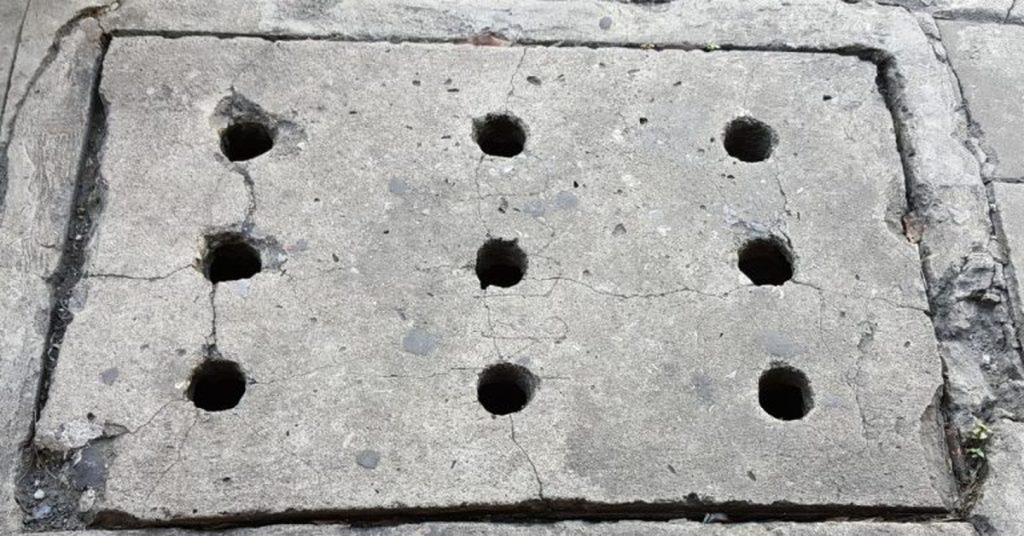
Concrete slab with nine drainage holes

Galvanic Anodes in Patch Repairs: When Sacrificial Protection Prevents Ring-Anode Spalls

Introduction Galvanic anodes in patch repairs are sacrificial metal pieces placed near the patch to protect embedded steel from corrosion. They work by attracting corrosion to themselves rather than the steel, helping prevent ring-anode spalls. Use this approach when you want durable repairs and want to minimize crumble around the patch. Spalling is when concrete

Galvanic Anodes in Patch Repairs: When Sacrificial Protection Prevents Ring-Anode Spalls Read More »

Damaged concrete surface with peeling and cracks near wall base

Concrete Jackhammer Damage Repair: Rebuilding Edges Without Creating Microcracks

Introduction Repairing concrete jackhammer damage means rebuilding damaged edges without creating microcracks. Use careful hand tools and proper cleaning to prepare the edge before any repair. Work slowly and check for hollow spots or loose material as you go. Common causes include over-penetration, vibration, and poor initial compaction, which you can look for as cracks,

Concrete Jackhammer Damage Repair: Rebuilding Edges Without Creating Microcracks Read More »

precast concrete wall panels with steel roof framing

Grinding vs Scarifying vs Milling: Picking Removal Methods by Depth and Dust

Introduction Grinding, scarifying, and milling are three removal methods that remove concrete from the surface, each with a different tool and result. Grinding uses a rotating abrasive disk to smooth and flatten the top layer. Scarifying tears and scratches the surface to lift material more aggressively, while milling removes larger sections with a powered drum.

Grinding vs Scarifying vs Milling: Picking Removal Methods by Depth and Dust Read More »

Man patching plaster on white ceiling with trowel

Patching Vertical Surfaces Overhead: Mixes, Bonding, and Sag Control

Introduction Patching vertical surfaces overhead means repairing overhead concrete with a patching mix to restore a flat surface. Use a mix rated for overhead bonding and follow the product label for prep and cure. Work from bottom to top as needed, and plan for potential sag during setting. Bonding strength and sag control come from

Patching Vertical Surfaces Overhead: Mixes, Bonding, and Sag Control Read More »

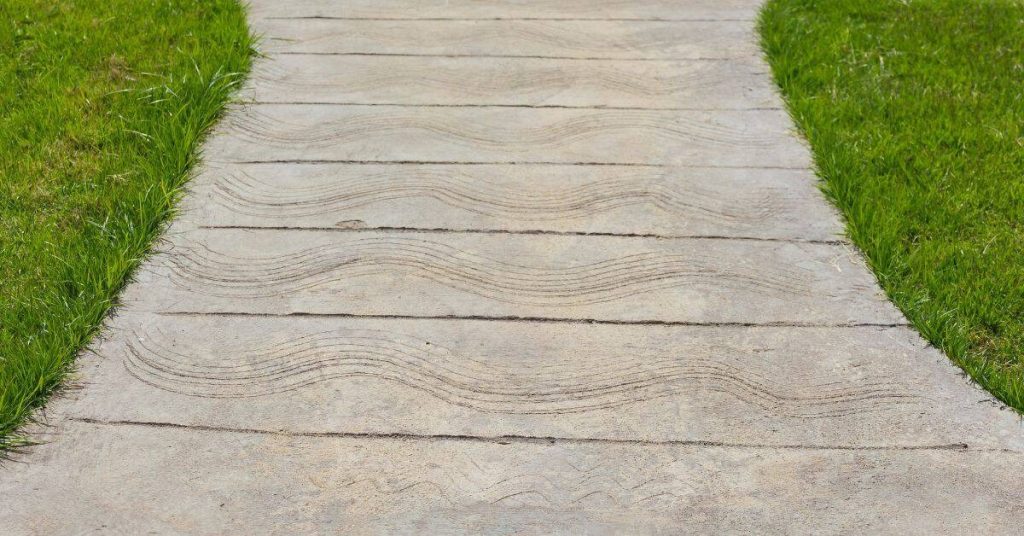
Concrete pathway with wave texture and green grass sides

Concrete Repair in Sulfate Soils: Material Selection That Won’t Turn to Mush

Introduction Concrete repair in sulfate soils means choosing repair materials that resist sulfate attack so the patch doesn’t crumble. Always check the product label and manufacturer instructions for sulfate resistance and compatible cementitious systems. If in doubt, confirm with local rules and test methods, and avoid mixes that aren’t specifically rated for sulfate exposure. Plan

Concrete Repair in Sulfate Soils: Material Selection That Won’t Turn to Mush Read More »

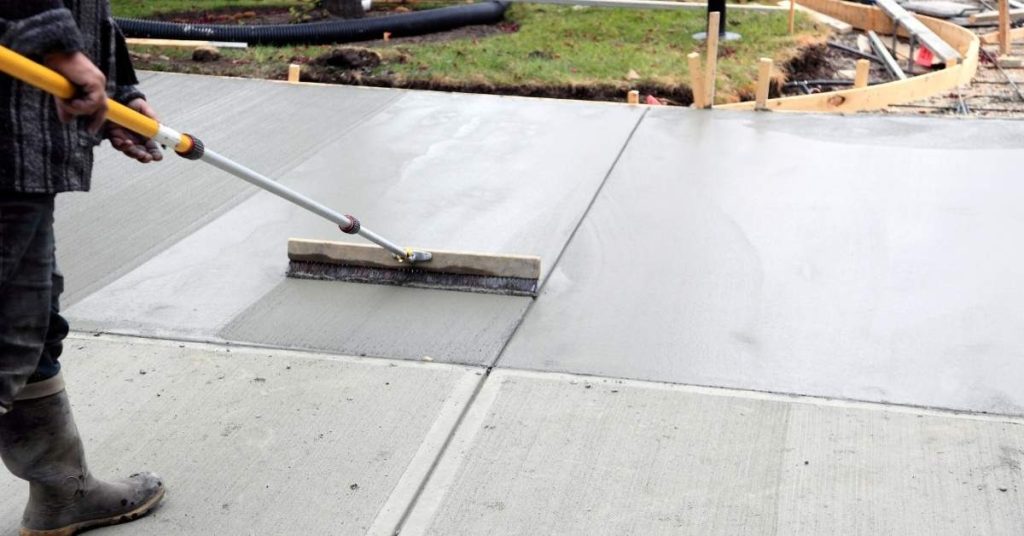
Person using concrete broom on wet concrete sidewalk

Reprofiling Worn Broom Finish: Thin Overlay vs Cut-and-Replace

Introduction Reprofiling worn broom finish means restoring a broom-textured concrete surface by either applying a thin overlay or replacing the affected slab. The approach you choose hinges on how deep the damage is, how flat you need it, and what your budget allows. Before you mix anything, focus on proper surface prep, crack clearing, and

Reprofiling Worn Broom Finish: Thin Overlay vs Cut-and-Replace Read More »

Close up of concrete floor grinding machine in use

Fixing Trip Hazards on Sidewalks: Grinding Limits, Overlay Risks, and Code-Ish Thresholds

Introduction Trip hazards on sidewalks are uneven or crowned surfaces that can snag a foot and cause a fall. For a DIY approach, start by evaluating where and how the surface is out of plane and plan gentle corrections rather than drastic reshaping. Keep changes modest, clearly mark the area, and work in daylight to

Fixing Trip Hazards on Sidewalks: Grinding Limits, Overlay Risks, and Code-Ish Thresholds Read More »