Search Results for: finishing

Close-up of a large crack in concrete slab surface

Concrete Crack Stitching With Staples: When It Works and How to Detail It

Introduction Concrete crack stitching with staples is a method that uses staples and epoxy to bridge and reinforce cracks in concrete. It’s most practical for non-structural cracks where movement is limited and the surface is accessible. Check product labels and local rules for epoxy and staple kit compatibility before starting. Typical materials to have on […]

Concrete Crack Stitching With Staples: When It Works and How to Detail It Read More »

Worker pouring concrete mix over steel rebar grid

DIY Grout-Style Mixes vs True Concrete: When High Sand Content Is Actually Stronger

Introduction Grout-style mixes with high sand content differ from true concrete in composition and how they cure. In some cases, more sand can bulk up the mix and feel stronger, but that doesn’t mean it works the same as real concrete in every situation. Always check the product label and manufacturer guidance to confirm sand

DIY Grout-Style Mixes vs True Concrete: When High Sand Content Is Actually Stronger Read More »

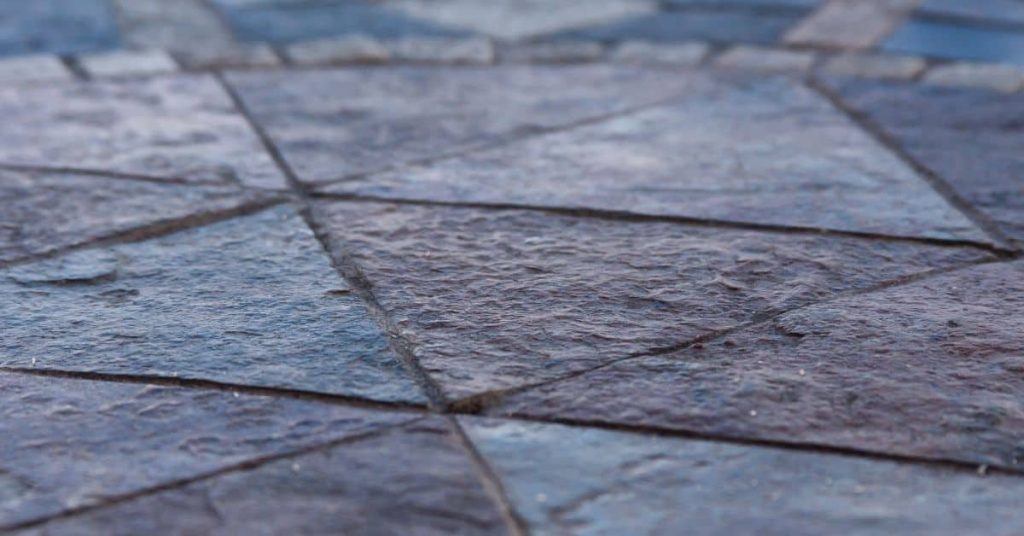
Close-up of textured and stamped concrete surface

Retarders in Decorative Concrete: Avoiding Cold Joints Without Soft Surfaces

Introduction Surface retarders are chemicals you apply to the top of fresh concrete to slow the surface set. They let you finish the body of the slab without creating a soft, uneven surface, helping you avoid cold joints. Different formulas work differently on color and texture, so understand what you’re using before you apply it.

Retarders in Decorative Concrete: Avoiding Cold Joints Without Soft Surfaces Read More »

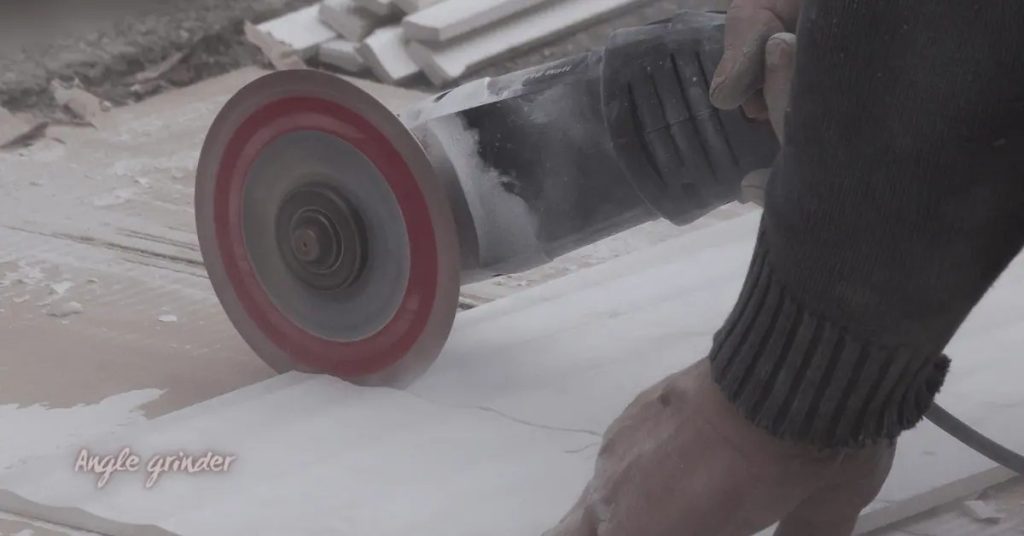
Angle grinder cutting a concrete surface with dust

Accelerator + Superplasticizer Interactions: The Combo That Can Flash Set

Introduction Accelerators and superplasticizers are concrete admixtures that, when used together, can cause rapid hardening or flash set. This article explains how their interaction can change workability and set times in DIY mixes. Always check product labels and follow manufacturer instructions for compatibility. In the field, watch for signs of quick stiffening and plan your

Accelerator + Superplasticizer Interactions: The Combo That Can Flash Set Read More »

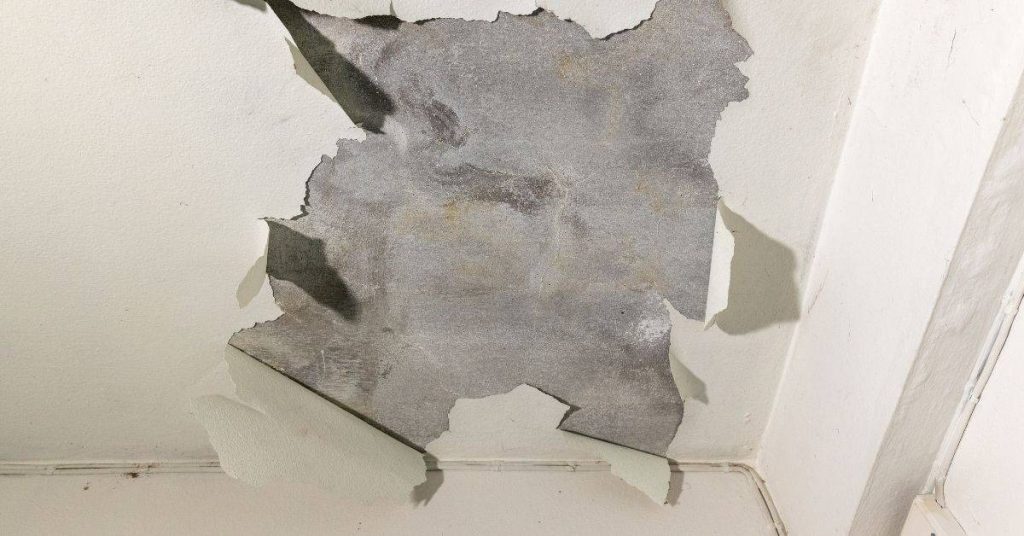
Concrete ceiling with peeling white paint

Ultrasonic Pulse Velocity (UPV) for Concrete: What It Can Detect and What It Can’t

Introduction UPV testing uses high-frequency sound pulses sent through concrete to gauge its internal quality. The basic idea is that faster, cleaner pulses indicate fewer defects, while slow or scattered signals hint at voids, cracks, or poor bonding. Use this as a quick sanity check on conditions, and always consult the equipment’s instructions and local

Ultrasonic Pulse Velocity (UPV) for Concrete: What It Can Detect and What It Can’t Read More »

Close-up of modern glass curtain wall on building exterior

Glass Fiber Dosing Math for GFRC: Converting Manufacturer Specs Into Real Batch Weights

Introduction Glass fiber dosing math for GFRC is converting manufacturer fiber dosage specs into concrete batch weights. Keep it practical by translating those specs into the actual amounts you mix on site. Tailor the math to your batch size and keep logs of what you add. Getting the fiber dosage right affects how strong and

Glass Fiber Dosing Math for GFRC: Converting Manufacturer Specs Into Real Batch Weights Read More »

Close-up of fibrous gray insulation material texture

Perlite and Vermiculite Concretes: Lightweight Fills, Insulation Value, and Crush Limits

Introduction Perlite and vermiculite concretes are lightweight mixes made with expanded mineral fillers that increase porosity in cement. They can help reduce weight and add some insulation value for fills, beds, or non-structural applications. Check the product label for how they’re intended to be used and what the mix recommends for your project. In DIY

Perlite and Vermiculite Concretes: Lightweight Fills, Insulation Value, and Crush Limits Read More »

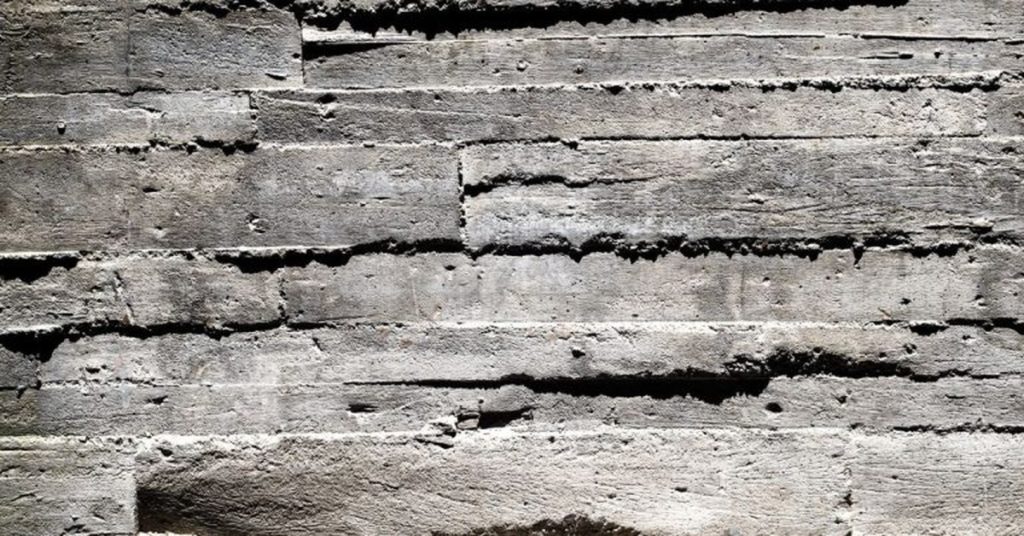
Close-up of rough concrete wall with wood formboard texture

Hydrated Lime in Concrete Mixes: Workability, Finish, and Strength Effects

Introduction Hydrated lime is a dry powder added to concrete to adjust texture and binding. In DIY mixes, it can improve workability and long-term texture, but it also changes setting behavior. Check the product label and local guidelines before use. It can influence finish quality and how smoothly you can trowel or pour. Lime affects

Hydrated Lime in Concrete Mixes: Workability, Finish, and Strength Effects Read More »

Cracked white mortar on red brick wall in sunlight

Latex (SBR) Modifiers in Repair Mortars: Strength Gains vs Breathability Losses

Introduction Latex (SBR) modifiers are synthetic rubber additives used in repair mortars to improve flexibility and adhesion. They help the mortar resist cracking as concrete moves, but they can reduce breathability if overused. Always check the product label and manufacturer instructions for recommended usage and cure expectations. In textile-reinforced mortars (TRMs), SBR modifiers can boost

Latex (SBR) Modifiers in Repair Mortars: Strength Gains vs Breathability Losses Read More »

Close-up of rusted steel rebar with metal ties

Steel Microfibers in Overlays: When They Outperform Rebar Mesh

Introduction Steel microfibers in overlays are tiny reinforcement fibers mixed into concrete to control cracking and improve durability, often replacing some needs for traditional rebar mesh. They disperse with the mix and can reduce crack widths, making overlays tougher for DIY projects. For a DIY job, compare them to rebar mesh in terms of installation

Steel Microfibers in Overlays: When They Outperform Rebar Mesh Read More »