Search Results for: finishing

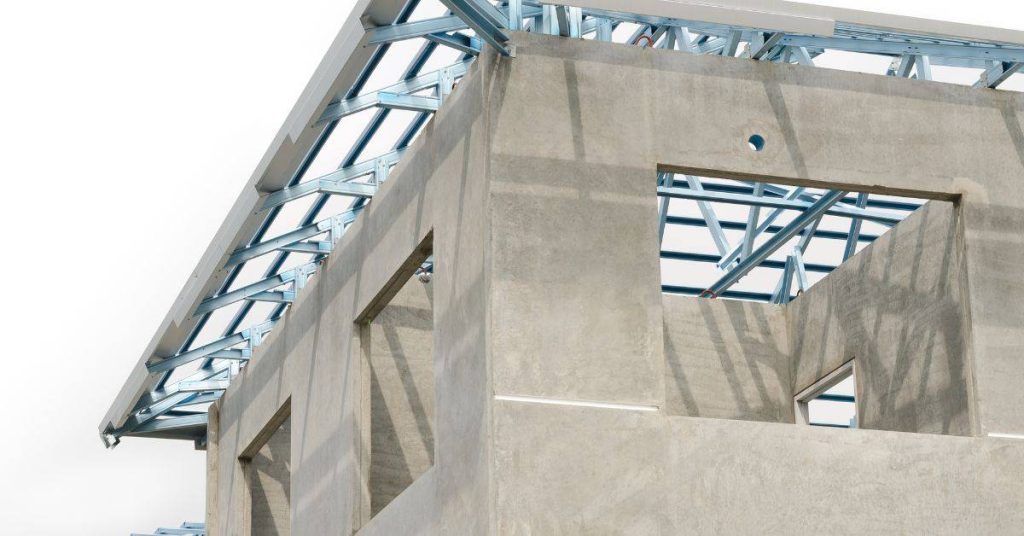
Concrete precast wall under metal roof framework construction site

Water Quality for Concrete: Chlorides, Sulfates, and Why ‘Clean’ Isn’t Always Safe

Introduction Water quality for concrete means using water free of contaminants that can weaken or damage the mix. Chlorides and sulfates in water can affect set, strength, and durability, so test or check labels and manufacturer guidance. In DIY terms, treat water like part of the recipe you must verify before mixing. There are standards […]

Water Quality for Concrete: Chlorides, Sulfates, and Why ‘Clean’ Isn’t Always Safe Read More »
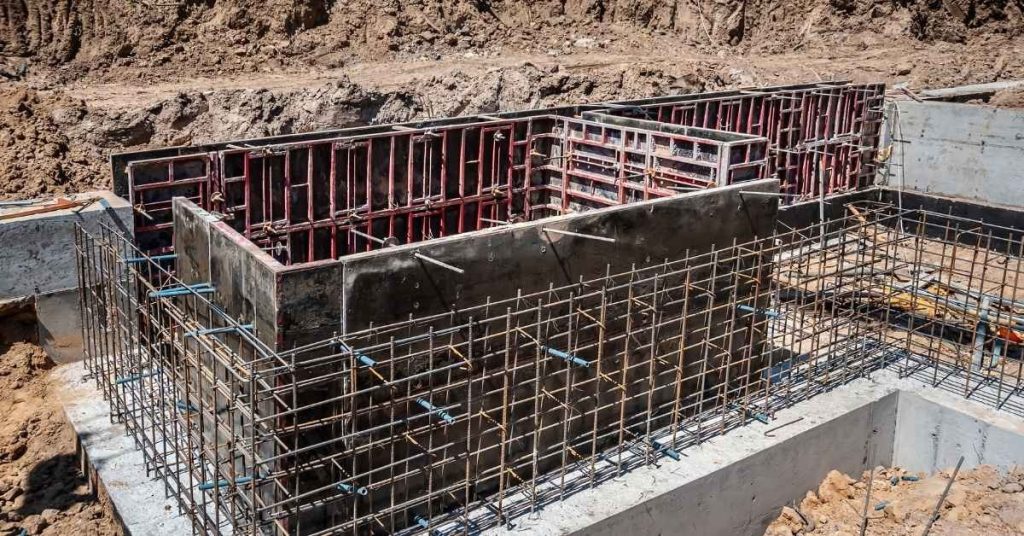
Concrete formwork with exposed rebar at construction site

Concrete Density Checks for DIY Mixes: Bucket Method, Yield, and Spotting a Bad Batch

Introduction Concrete density checks are simple tests that help you verify that your mix has the right solids-to-water balance. The bucket method uses measured volumes of fresh concrete to estimate yield and consistency, then you compare it to what you expect from your mix. If the results seem off, check the label and follow manufacturer

Concrete Density Checks for DIY Mixes: Bucket Method, Yield, and Spotting a Bad Batch Read More »

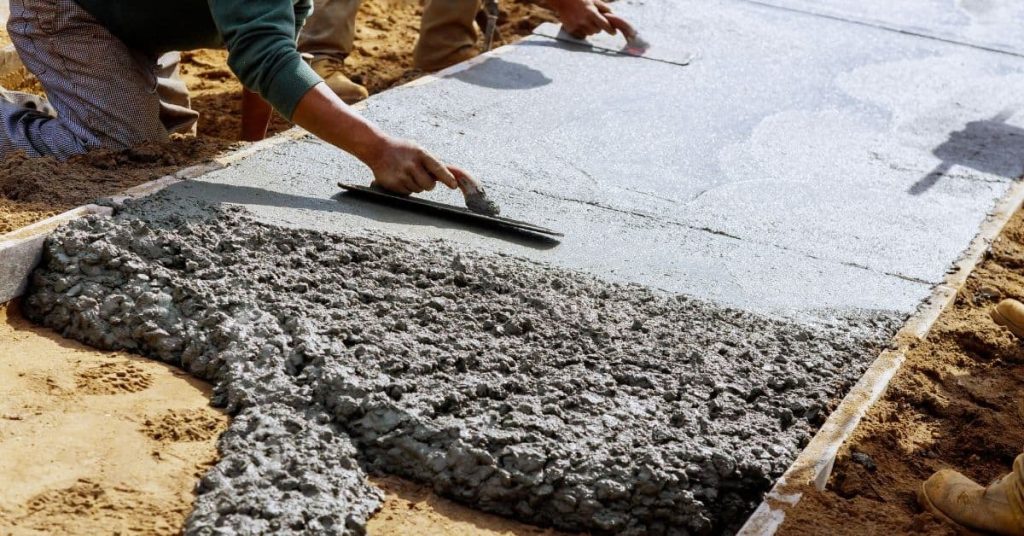
Hands smoothing wet concrete with trowels on a slab

Hot Water vs Warm Aggregates: The Better Way to Control Set Time in Cold Weather

Introduction Warm water or heated aggregates are practical options to influence how quickly concrete sets in cold weather. In chilly conditions, using warmer inputs helps the mix cure more reliably and can shorten the time to workable strength. Always check product labels and local rules to confirm what is allowed and what ranges are appropriate

Hot Water vs Warm Aggregates: The Better Way to Control Set Time in Cold Weather Read More »

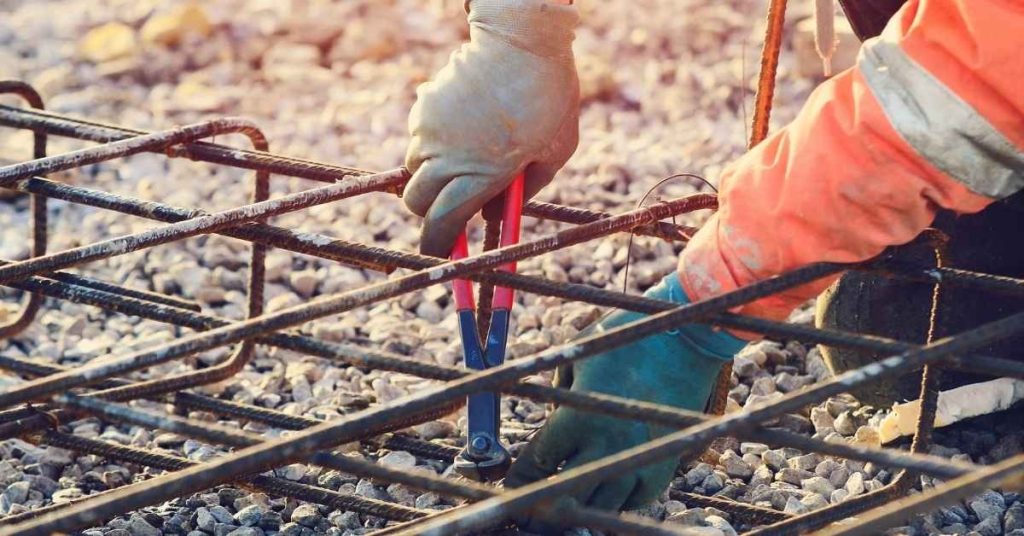
Hands tying rebar with pliers over gravel base

Carbonation Depth Mapping Across a Slab: Why One Test Spot Isn’t Enough

Introduction Carbonation depth mapping across a slab is the practice of measuring how far carbonation has penetrated the concrete across different spots. This helps you see where the concrete is more or less exposed to carbonation, not just at one point. In plain terms, you’re looking for variations rather than a single number. Why one

Carbonation Depth Mapping Across a Slab: Why One Test Spot Isn’t Enough Read More »

Concrete driveway ramp with textured surface and striped sides

Concrete Moisture Mapping With RH Probes vs Handheld Meters: Choosing the Right Method

Introduction RH probes map moisture in concrete by measuring relative humidity within the slab and comparing it to a calibrated standard. They assess moisture deeper in the concrete rather than just the surface, giving a more complete picture for decisions on finishing or coatings. This article will compare that approach with handheld meters in plain,

Concrete Moisture Mapping With RH Probes vs Handheld Meters: Choosing the Right Method Read More »

Four rectangular concrete slabs with handwritten markings

Chloride Ion Testing in Old Slabs: When Salt Exposure Is the Real Problem

Introduction Chloride ion testing in old slabs is a way to find out whether salt exposure is the real problem behind concrete issues. It helps separate chloride-related damage from other moisture or subfloor failures. In plain terms, it’s part of diagnosing why a floor isn’t performing as you’d expect. Many times, moisture problems drive cracking,

Chloride Ion Testing in Old Slabs: When Salt Exposure Is the Real Problem Read More »

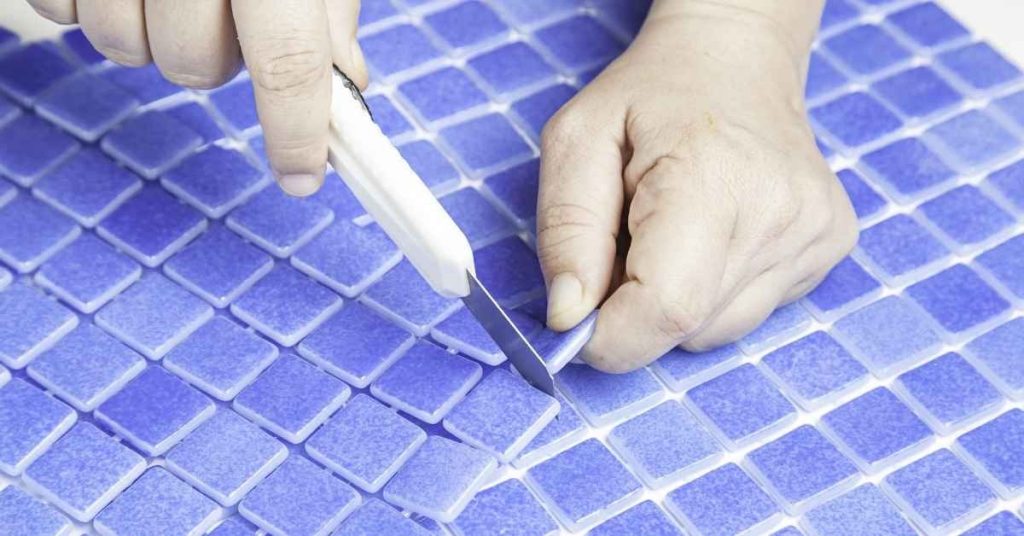
Hands cutting small blue glass mosaic tiles with a knife

Using Crushed Glass as Aggregate: ASR Risk, Mitigation, and Surface Finish

Introduction Crushed glass as aggregate is using recycled glass pieces as the rock substitute in concrete. There is an alkali-silica reaction risk with crushed glass, which varies with glass type, particle size, and the concrete mix. Always check product labels, supplier instructions, and local rules for ASR guidance and suitability. Mitigation strategies include choosing less

Using Crushed Glass as Aggregate: ASR Risk, Mitigation, and Surface Finish Read More »

Stacked hollow core concrete slabs outdoors

Recycled Concrete Aggregate (RCA) for Slabs: Gradation, Water Demand, and Pop-Out Risk

Introduction RCA for slabs is crushed concrete from demolished pavement or structures that you reuse as aggregate. You’ll typically screen and wash it to remove fines before it finds a place in a slab mix. Use it where the mix and compaction are appropriate and check local rules. Gradation and water demand depend on how

Recycled Concrete Aggregate (RCA) for Slabs: Gradation, Water Demand, and Pop-Out Risk Read More »

Exterior of house with stucco finish and tiled roof

Glass Pozzolan vs Fly Ash: Performance, Finish, and Supply Realities in 2026

Introduction Glass pozzolan and fly ash are supplementary cementitious materials that can boost concrete performance when used properly. They can improve strength development, workability, and finish quality, but results depend on the mix, curing, and finished surface. Always check the product label and follow manufacturer instructions and local rules for compatibility with your cement and

Glass Pozzolan vs Fly Ash: Performance, Finish, and Supply Realities in 2026 Read More »

Close-up of spiked roller on smooth epoxy floor

Nano-Silica in Small Batches: Benefits, Dispersion Tricks, and When It’s Not Worth It

Introduction Nano-silica in small batches means using tiny silica particles in an epoxy mix to boost performance without big-scale formulation. Keep it practical: check the epoxy label for compatibility, follow manufacturer guidance, and stay within local rules. In DIY projects, reliable resources and a few reputable references are worth a look before you start. If

Nano-Silica in Small Batches: Benefits, Dispersion Tricks, and When It’s Not Worth It Read More »