Search Results for: finishing

Hand wiping a smooth light gray wall with a cloth

Venetian Plaster in Bathrooms: Soap Scum, Cleaning, and Where It’s a Bad Idea

Introduction Venetian plaster in bathrooms is a polished, lime-based finish that can show soap scum and water marks if not cleaned with care. This article gives practical, hands-on tips for keeping the surface clean without risking damage. It also covers when it’s not a good idea to use harsh cleaners on this finish. White vinegar […]

Venetian Plaster in Bathrooms: Soap Scum, Cleaning, and Where It’s a Bad Idea Read More »
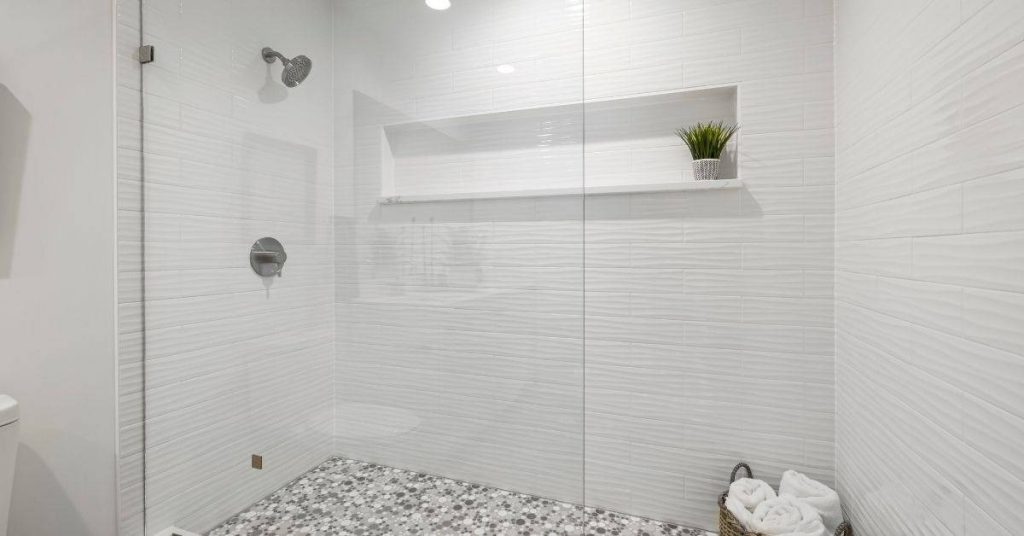
white textured tile shower with niche and glass door

Tadelakt on Shower Niches: Edge Details That Keep Water Out of Transitions

Introduction Tadelakt on shower niches is applying a polished lime-plaster finish to the niche with well-planned edge details to keep water from leaking into transitions. This is a hands-on DIY job, so you’ll be shaping and sealing the edges as you plaster and tile. Focus on edge trim profiles and how they meet the wall

Tadelakt on Shower Niches: Edge Details That Keep Water Out of Transitions Read More »

Yellow hard hat, safety gloves, white mask, and safety glasses on table

Categories

Categories: Concrete Practical concrete guides for DIY projects and repairs. You’ll find step-by-step help with prep, forms, reinforcement, finishing, curing, sealing, and troubleshooting common failures. If you’re new to concrete, start with curing/finishing timing and moisture basics first—they prevent most expensive mistakes. Stucco Stucco and cement-based render guides focused on details that prevent water damage

Categories Read More »

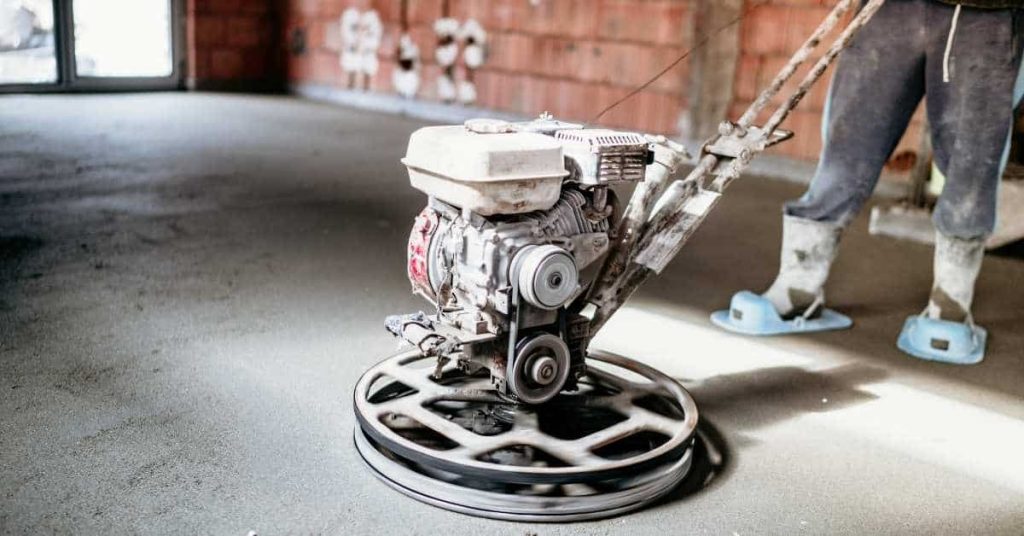
Power trowel smoothing fresh concrete floor indoors

Tools & Equipment

Tools & Equipment: Start Here This hub covers the tools that make concrete and masonry work faster, safer, and cleaner—what to buy vs rent, how to use it, and what actually matters. If you’re unsure what tools you need, start with the “core kit” guides first. They’ll save you money and stop you from buying

Tools & Equipment Read More »

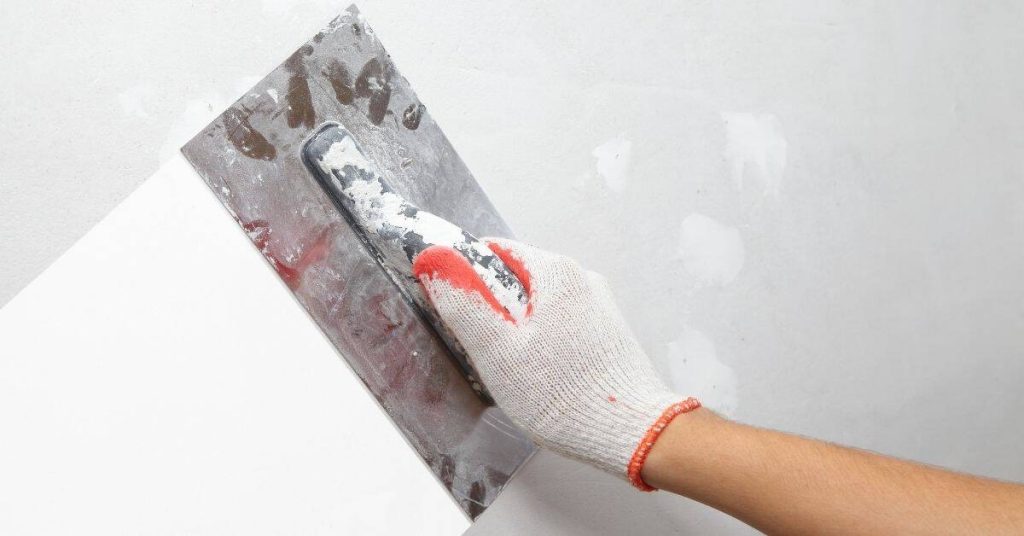
Hand in glove applying plaster with metal trowel on wall

Plaster (Interior)

Plaster Guides: Start Here This hub collects plastering guides for getting smooth, durable walls—prep, bonding, base coats, finish coats, patching, and common fixes. Plaster work rewards patience. The two biggest keys are surface prep and timing between coats. Start with those before you chase “perfect finish.” Start here Diagnose first (so you don’t patch over

Plaster (Interior) Read More »

Concrete pouring onto rebar grid with workers in background

Concrete

Concrete Guides: Start Here This hub collects my most practical concrete guides in one place—prep, forms, reinforcement, placing, finishing, curing, sealing, and repairs. If you’re new to concrete, don’t start with the pour. Start with the prep and planning guides first. That’s where most “mystery problems” are born. Start here Prep & planning (before you

Concrete Read More »

Stacked rough red bricks with varying colors and textures

Lithium Nitrate Admixture for ASR Mitigation: When It’s Used and DIY Considerations

Introduction Lithium nitrate admixture is used to help mitigate ASR in concrete. This article explains when it’s typically considered and what it means for a DIY project. It’s about practical decision points you’ll face on site. Choosing lithium nitrate involves looking at product instructions, mix design goals, and local guidance. This piece covers how it

Lithium Nitrate Admixture for ASR Mitigation: When It’s Used and DIY Considerations Read More »

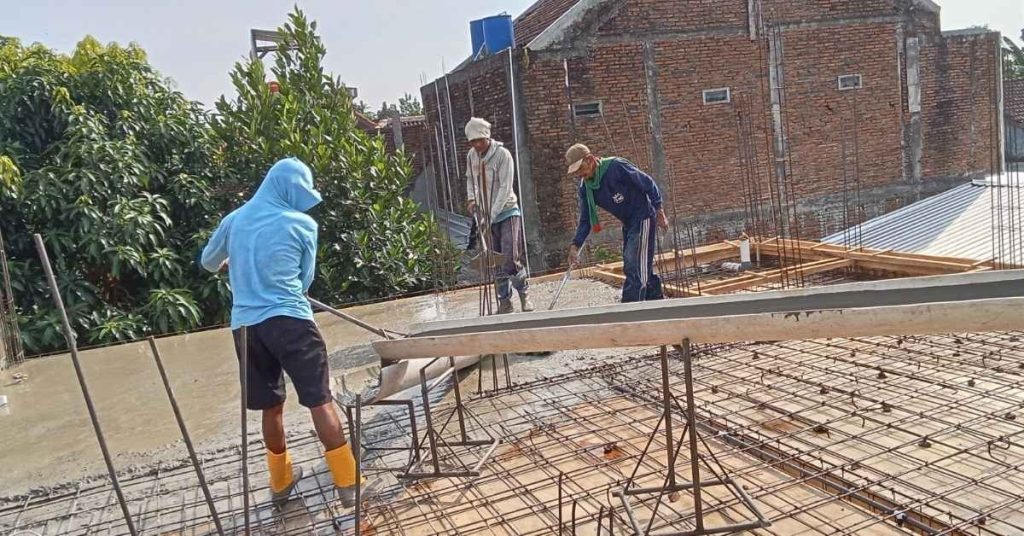
Workers pouring concrete over rebar reinforcement on building roof

Concrete Placement in Congested Rebar Without Honeycombing: Sequencing, Head Pressure, and Vibration Control

Introduction Concrete placement in congested rebar without honeycombing means planning and executing pours so concrete flows around dense steel without leaving voids. Take time to prep formwork and rebar layout, then sequence pours to keep flow paths open and minimize segregation. Choose direct discharge or pumping as your method, and use appropriate vibration and tamping

Concrete Placement in Congested Rebar Without Honeycombing: Sequencing, Head Pressure, and Vibration Control Read More »

Concrete countertop with integrated sink and black faucet

How to Avoid Rebar Shadowing on Thin Countertops: Cover, Pigment, and Sealing Strategies

Introduction Rebar shadowing on thin countertops happens when embedded metal rebar or mesh shows through the surface. This article explains practical ways to prevent that by using proper cover, pigment strategy, and sealing steps. Always verify manufacturer instructions and local rules for materials and installation before you start. Cover techniques focus on keeping the metal

How to Avoid Rebar Shadowing on Thin Countertops: Cover, Pigment, and Sealing Strategies Read More »

fresh concrete partially poured on rough surface

Using Burlap for Wet Curing: How to Keep It Wet Without Staining the Surface

Introduction Burlap can be used to keep concrete moist during curing without staining the surface when applied correctly. This method relies on evenly saturated burlap laid over the fresh pour and kept moist. Check the burlap material and manufacturer guidance for suitability and any surface protection needs. Choose burlap that is plain and untreated, and

Using Burlap for Wet Curing: How to Keep It Wet Without Staining the Surface Read More »