Search Results for: finishing

black wooden double entry doors with small window panes

Saw-Cut Timing With Early-Entry Saws: When They Beat a Standard Saw

Introduction Early-entry saws let you start a cut sooner than a standard saw. This approach aims to save time and reduce waiting around for equipment or setup. Keep in mind you must check safety and jobsite rules before changing timing. Plan your sequence, set up blades, and keep steady progression to avoid overheating or mistakes. […]

Saw-Cut Timing With Early-Entry Saws: When They Beat a Standard Saw Read More »

Unfinished basement with concrete block walls and wooden stairs

Isolation Joints Under Walls and Thresholds: Compressible Fillers That Don’t Squish Out

Introduction Isolation joints under walls and thresholds use compressible fillers to bridge gaps and accommodate movement. Common options include soft, elastic fillers like silicone or rubber that resist squishing out and stay in place as concrete cures. Always check the product label and manufacturer guidance for expansion limits and compatibility with concrete and sealants. Install

Isolation Joints Under Walls and Thresholds: Compressible Fillers That Don’t Squish Out Read More »

Three construction workers discussing a building plan indoors

Hot-Weather ‘Shade Plan’ for Pours: Tents, Misting, and Wind Screens That Don’t Backfire

Introduction A hot-weather shade plan for pours uses tents, misting, and wind screens to control heat and evaporation. Set up coverings to cut direct sun and keep the mix from drying too fast, but avoid creating stagnant air that slows curing. Check local rules and product labels for placement and safety. Use tents tall enough

Hot-Weather ‘Shade Plan’ for Pours: Tents, Misting, and Wind Screens That Don’t Backfire Read More »

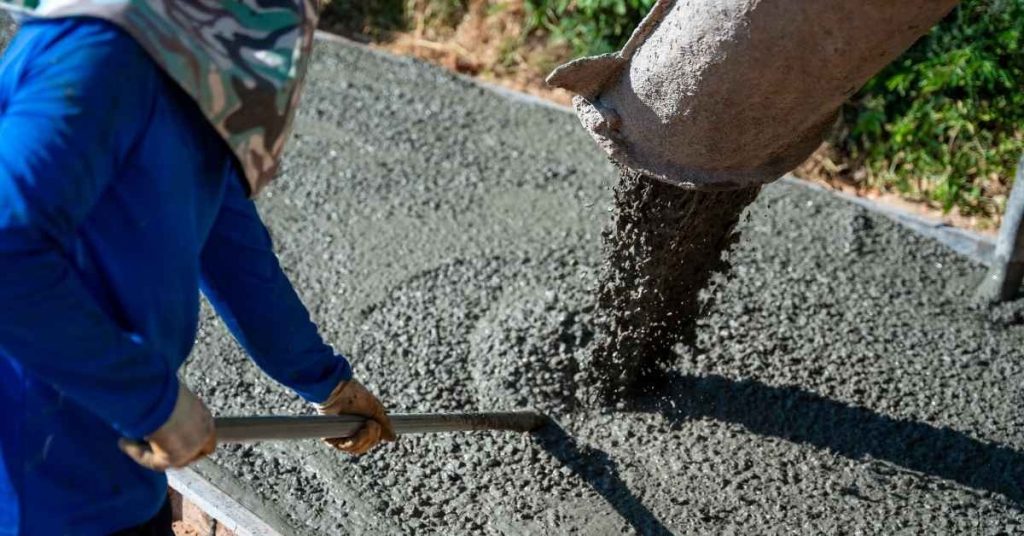
Worker pouring concrete slab outdoors using chute and tool

How to Pour a Slab With a Hidden Slope: Laser Setup, Screed Rails, and Checking Fall

Introduction A slab with a hidden slope is a concrete pad poured with a deliberate, nonlevel fall that you set up before pouring. You’ll plan the fall and confirm it as you go using simple reference points and a level tool. Keep the process practical and honest, avoiding surprises at pour time. Set up the

How to Pour a Slab With a Hidden Slope: Laser Setup, Screed Rails, and Checking Fall Read More »

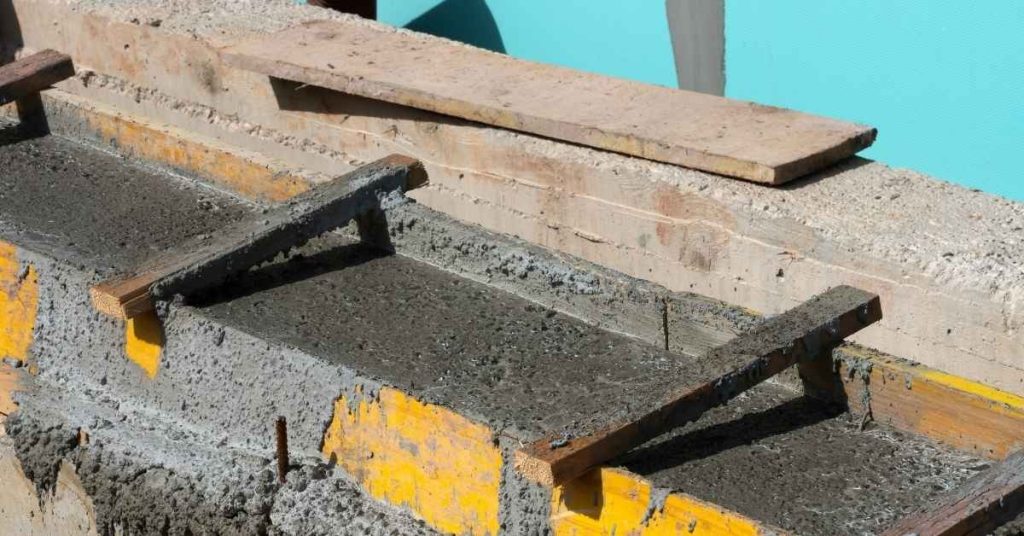
Freshly poured concrete in wooden formwork outdoors

Dealing With Surprise Rain Mid-Pour: What to Cover, What to Keep Working, and What to Redo

Introduction Rain mid-pour can ruin fresh concrete; cover, protect, and resume safely. Protect exposed areas with appropriate coverings, don’t work on wet concrete, and check forms for any change. After rain, inspect for surface defects, damp spots, or set delays before continuing. Resume pouring only when conditions are right and you follow the coating and

Dealing With Surprise Rain Mid-Pour: What to Cover, What to Keep Working, and What to Redo Read More »

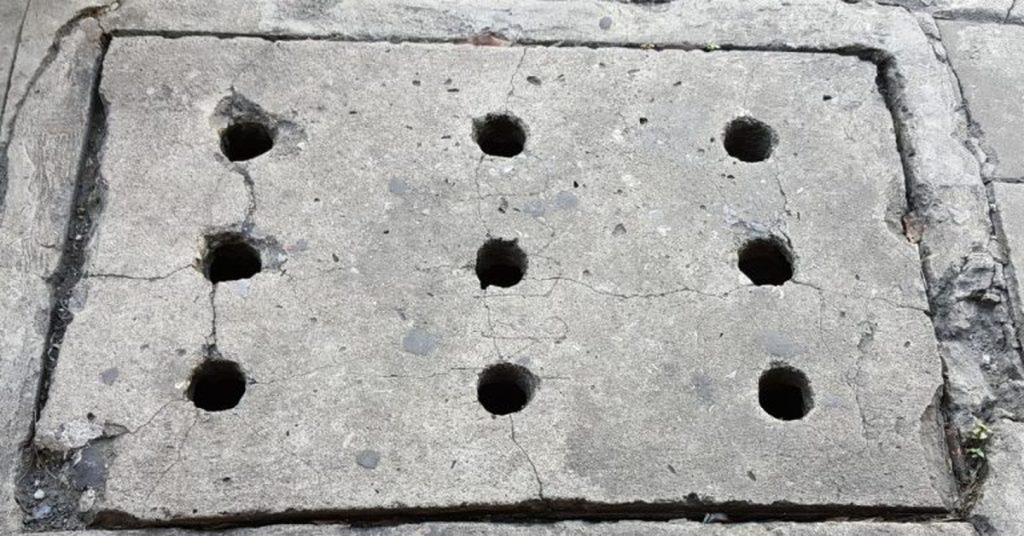
Concrete slab with nine drainage holes

Placing Concrete Against Waterproofing Membranes: Protection Boards, Punctures, and Drainage Mats

Introduction Placing concrete against waterproofing membranes means building up concrete right to the membrane while using protective layers to keep it intact. In this DIY friendly guide, we talk through protection boards, avoiding punctures, and how drainage mats help manage water pressure during a pour. Always check the product and tech literature for data sheets

Placing Concrete Against Waterproofing Membranes: Protection Boards, Punctures, and Drainage Mats Read More »

Hands applying plaster on wall with trowel

Gypsum Plaster Over Lime Plaster: Compatibility, Primers, and Preventing Debonding

Introduction Gypsum plaster over lime plaster is the practice of applying gypsum-based plaster on top of lime-based plaster to create a smooth, finished surface. Compatibility comes down to surface prep, the right primer, and following each material’s instructions. Before you start, check that the lime is fully set and not actively chalking, and plan a

Gypsum Plaster Over Lime Plaster: Compatibility, Primers, and Preventing Debonding Read More »

Hand applying white plaster with metal putty knife

Lime Putty Storage and Aging: What ‘Mature’ Lime Changes in Workability and Strength

Introduction Aging lime putty changes its workability and strength with time. Store it in breathable containers and keep it from direct moisture and temperature swings. In practice, older lime can feel different to work with than fresh material; check the manufacturer’s storage guidance for specifics. What you notice in the mix tells you how mature

Lime Putty Storage and Aging: What ‘Mature’ Lime Changes in Workability and Strength Read More »

Close-up of decorative plaster floral relief pattern

Sgraffito on Lime Plaster: Layering Colors, Cutting Timing, and Protecting the Artwork

Introduction Sgraffito on lime plaster is a decorative technique where you scrape away a colored top layer to reveal a contrasting color beneath. It relies on careful layering of lime plaster and pigment, followed by controlled cutting to create that contrast. Make sure you verify weather conditions, surface preparation, and product instructions before starting. Start

Sgraffito on Lime Plaster: Layering Colors, Cutting Timing, and Protecting the Artwork Read More »

Hand applying white plaster with metal putty knife

Scagliola Basics: Making Faux-Marble Plaster Panels and Sealing Them for Real Use

Introduction Scagliola is a plaster technique used to imitate marble. Key takeaways Choose faux-marble panels when you want durable, low-maintenance decorative plaster. Prepare substrate with clean, sound surface and proper moisture management. Use sharp tools and steady mixing with PPE to avoid texture inconsistencies. Marbling requires even color distribution; test small panels before full cast.

Scagliola Basics: Making Faux-Marble Plaster Panels and Sealing Them for Real Use Read More »