Search Results for: finishing

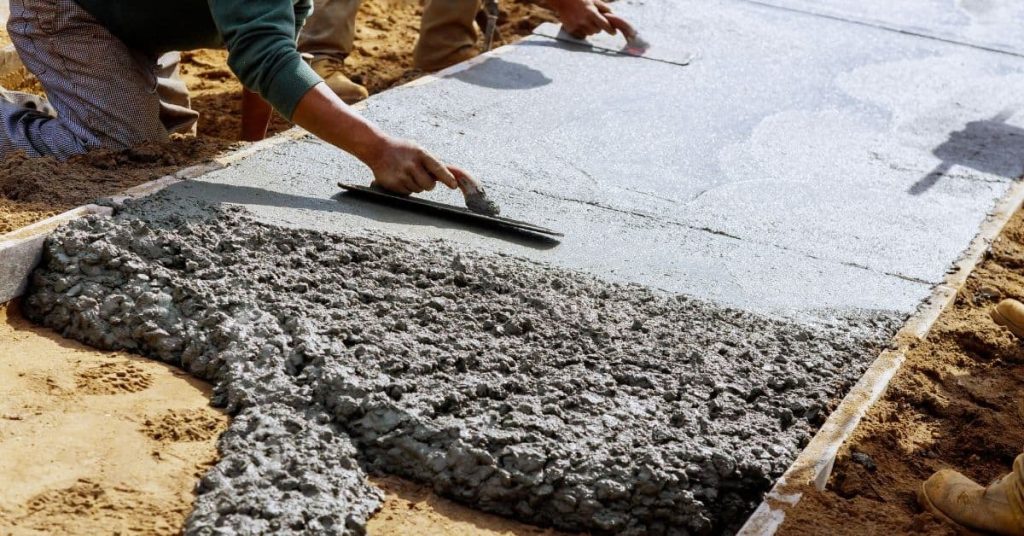
Hands smoothing wet concrete with trowels on a slab

Basalt Fibers vs Polypropylene Fibers: Crack Control, Finishing, and Cost Tradeoffs

Introduction Basalt fibers and polypropylene fibers are two concrete add-ons that help crack control and finishing, with different costs and handling requirements. In practice, the choice comes down to how you mix, place, and finish the concrete, plus how much you’re willing to pay for long-term durability. Always check the manufacturer instructions and local rules […]

Basalt Fibers vs Polypropylene Fibers: Crack Control, Finishing, and Cost Tradeoffs Read More »

Red concrete formwork braces supporting structure

Concrete That Turns Dark When Wet: Diagnosing porosity and finishing issues

Introduction Concrete that turns dark when wet indicates moisture affecting the surface, usually tied to porosity and finishing issues. In plain DIY terms, that color change is your cue that water is soaking in or being held near the finish. It’s a practical clue to start diagnosing what went wrong during pour, finishing, or sealing.

Concrete That Turns Dark When Wet: Diagnosing porosity and finishing issues Read More »

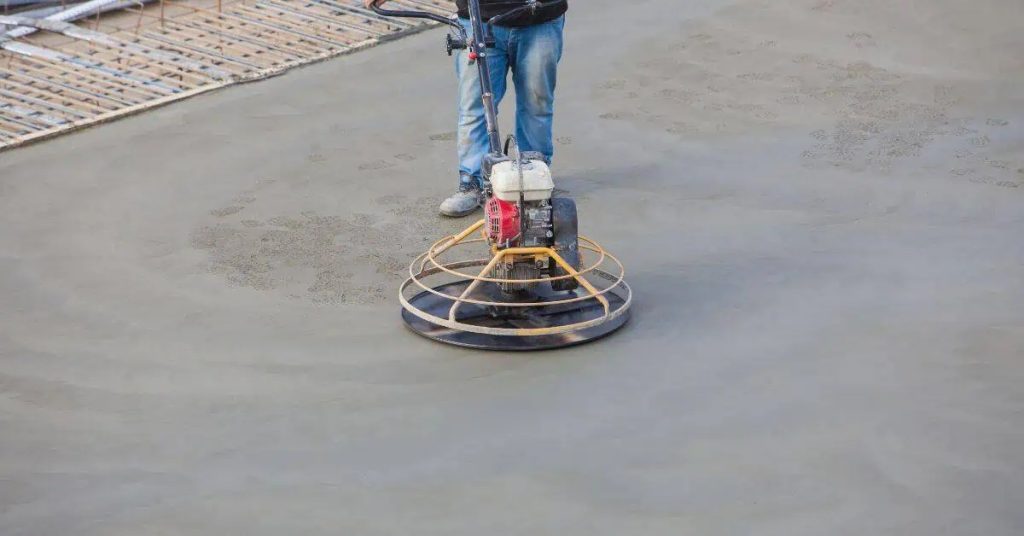
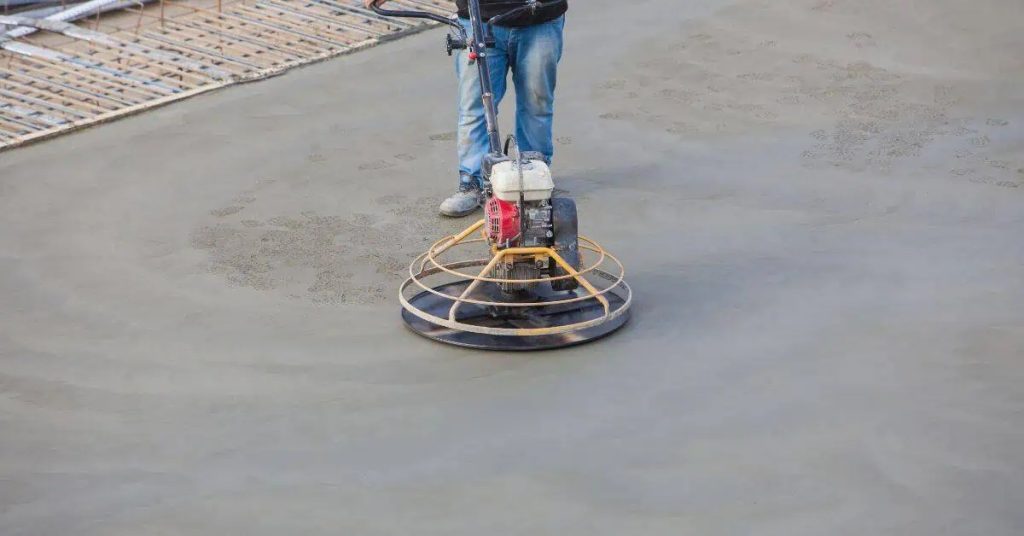
Worker using power trowel to smooth fresh concrete slab

Concrete Finishing Timing: When to start floating and when to stop troweling

Introduction Floating and troweling are concrete finishing steps that shape and smooth the surface. You start floating after the concrete begins to stiffen and can hold its edge, then you move to troweling to achieve a smooth, even finish. Stop troweling when the surface looks uniform and has the desired sheen, without overworking it. Always

Concrete Finishing Timing: When to start floating and when to stop troweling Read More »

Smooth light gray concrete wall surface

Windy Day Concrete Finishing: How to stop surface checking and plastic cracks

Introduction Windy day concrete finishing is how you control surface checking and plastic cracking when wind makes the mix dry out too fast. In a DIY setup, you’ll work to keep the surface from drying too quickly while you’re finishing. Be prepared to adjust speed, moisture, and protection as you go, and always follow the

Windy Day Concrete Finishing: How to stop surface checking and plastic cracks Read More »

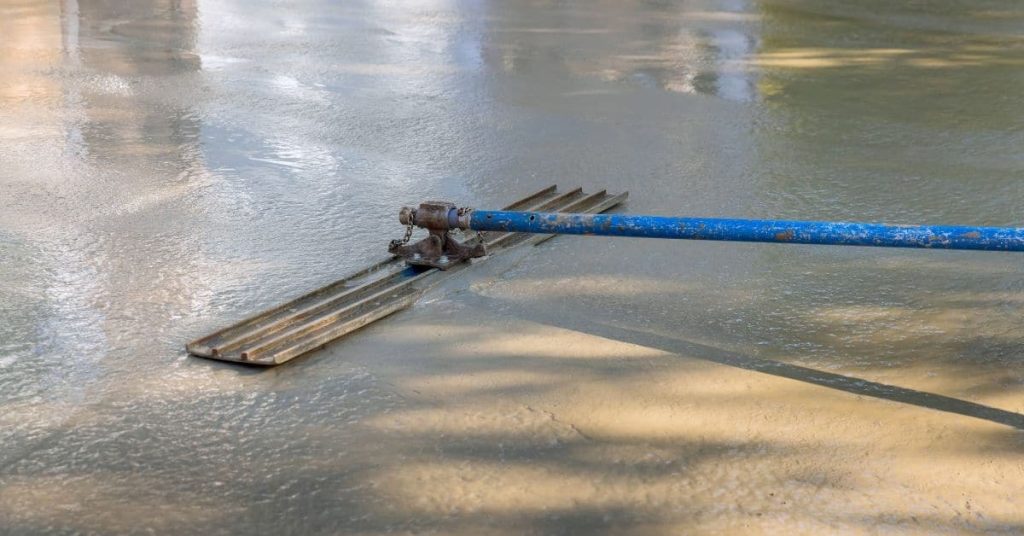
Close-up of concrete screed tool smoothing wet concrete slab

Concrete Bleed Water: Finishing timing to avoid dusting, blisters, and flakes

Introduction Bleed water is the surface water that rises through the concrete mix as it sets. Finishing timing means waiting for that water to emerge and begin to dry before you apply final troweling or brooming. Doing it too soon can trap moisture and lead to dusting, blisters, or flaking later. The bleeding rate depends

Concrete Bleed Water: Finishing timing to avoid dusting, blisters, and flakes Read More »

Polished concrete floor with ocean view through large glass door

Concrete That Looks Patchy When Wet: Diagnosing porosity and finishing issues

Introduction Patching that looks patchy when wet means the surface is showing uneven water absorption due to porosity and finishing issues. It often happens when the concrete has inconsistent density or when the finish was applied without addressing bleed water and surface moisture. For DIYers, it’s a hands‑on check of how the surface feels, looks,

Concrete That Looks Patchy When Wet: Diagnosing porosity and finishing issues Read More »

Worker using power trowel on fresh concrete slab

Concrete Finishing in Wind: Evaporation Control and Burn Risks

Introduction Concrete finishing in wind means shaping and smoothing concrete while wind speeds pull moisture away, increasing surface evaporation. Wind can cause rapid surface drying and burn risks if you rush finishing actions. Work with small batches, plan timing, and watch the surface for signs of drying. Use evaporation control methods such as misting, shade,

Concrete Finishing in Wind: Evaporation Control and Burn Risks Read More »

Concrete screed tool smoothing wet concrete surface outdoors

Concrete Finishing in Direct Sun: Shade, Fogging, and Timing Tips

Introduction Concrete finishing in direct sun means you need shade, moisture control, and smart timing to get a smooth, durable surface. Shade helps slow rapid moisture loss, fogging or misting adds surface cooling, and timing keeps finishing steps aligned with the concrete’s surface condition. Plan ahead to avoid streaks, itching, or surface damage from heat

Concrete Finishing in Direct Sun: Shade, Fogging, and Timing Tips Read More »

Smooth light gray concrete wall surface with faint texture

Finishing Fiber-Reinforced Concrete: How to Avoid “Hairy” Fibers at the Surface

Introduction Hairy fibers at the surface happen when fibers protrude from the concrete finish. This surface issue is usually caused by how the mix is placed and how fibers are distributed during finishing. Work with the goal of keeping fibers below the surface as you strike off and trowel. Synthetic fibers can help with crack

Finishing Fiber-Reinforced Concrete: How to Avoid “Hairy” Fibers at the Surface Read More »

person using power trowel on wet concrete slab

Foamed Concrete for Lightweight Planters and Fill: DIY Mixing, Placing, and Finishing

Introduction Foamed concrete is a lightweight mix used for making planters and fill, mixed with air-entraining foam to reduce weight. This article walks you through practical, hands-on steps for mixing, placing in forms, and finishing for a durable, good-looking result. Check the product instructions and local rules for material limits before you start. Choose the

Foamed Concrete for Lightweight Planters and Fill: DIY Mixing, Placing, and Finishing Read More »