Search Results for: epoxy floor for home

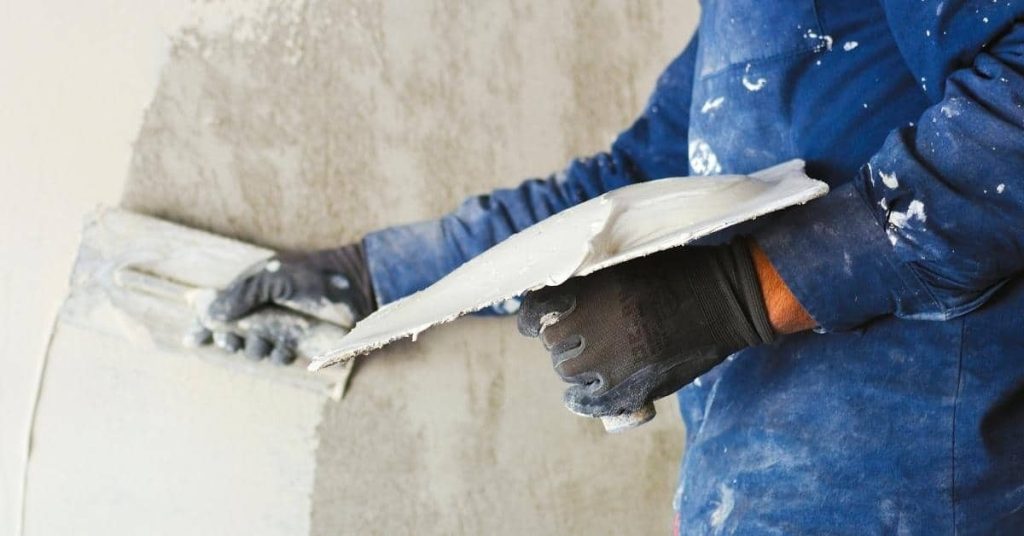
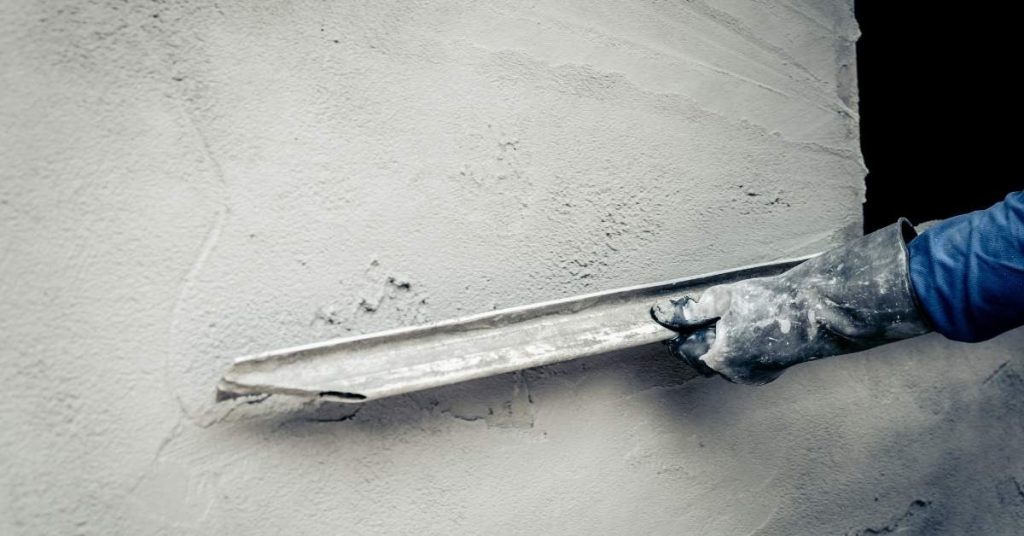
Gloved hand holding a metal trowel against a plaster wall

Hollow-Sounding Plaster Walls: Tap Maps, Key Failure Patterns, and Targeted Stabilization

Introduction Hollow-sounding plaster walls hide voids behind the plaster, so tapping sounds hollow. This usually means the lath or backing has failed or separated from the surface. Understanding this helps you map where stabilization work is needed. To map the problem, tap in several spots and note where the sound is the weakest. Look for […]
Hollow-Sounding Plaster Walls: Tap Maps, Key Failure Patterns, and Targeted Stabilization Read More »

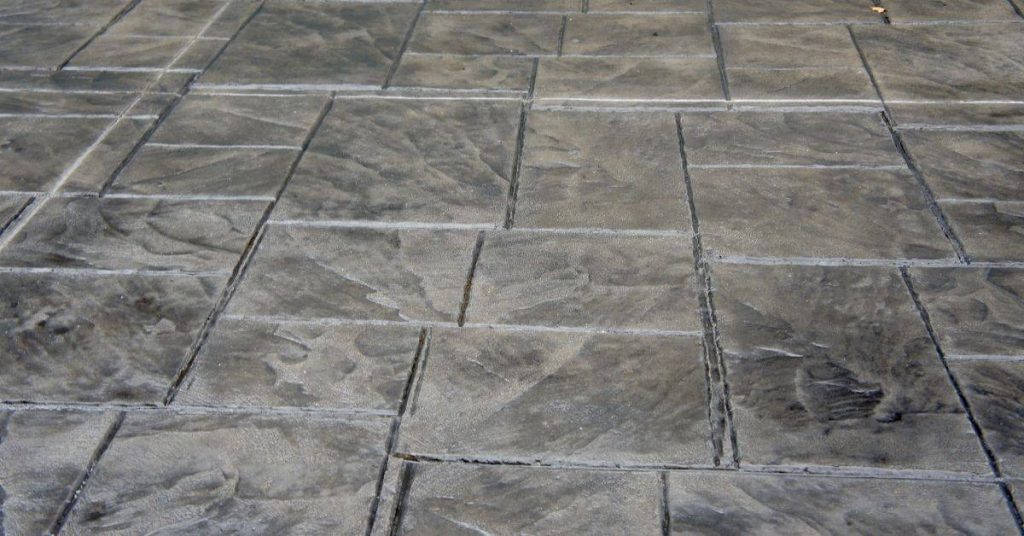
Stamped concrete patio surface with textured pattern

Sealing Micro-Cracks Before Concrete Staining: Products That Don’t Telegraphed-Darken

Introduction Sealing micro-cracks before staining helps prevent telegraphing of dark spots by blocking uneven absorption of the stain. This step slows and evens out how the color takes across the surface. Check the product label for surface prep and cure times to ensure proper results. Choose sealants designed for concrete floors and compatible with staining,

Sealing Micro-Cracks Before Concrete Staining: Products That Don’t Telegraphed-Darken Read More »

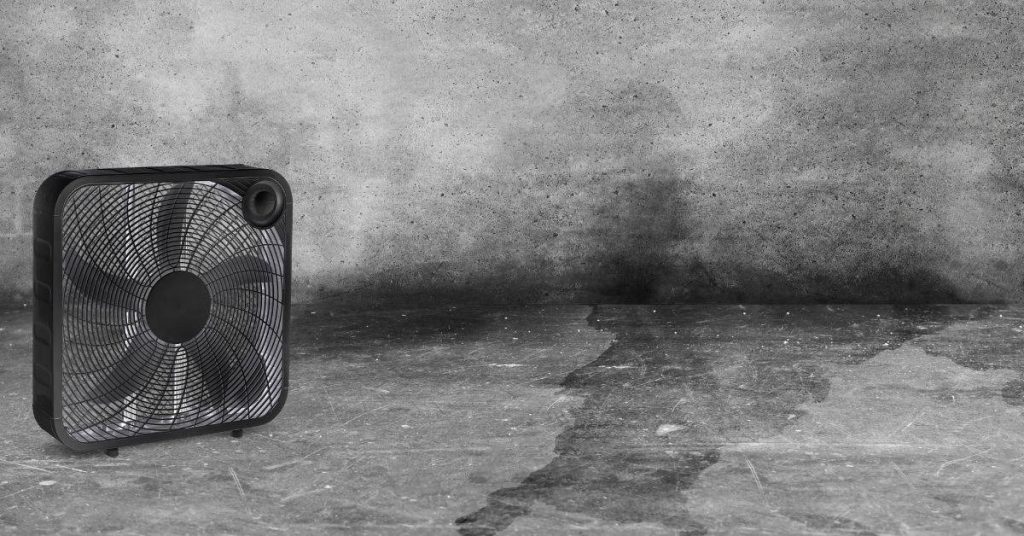
Box fan on concrete floor with dark moisture stains on wall

Concrete Block Moisture Problems: Capillary Rise, Sealers, and Interior Coatings That Make Sense

Introduction Moisture problems in concrete blocks happen when water wicks through the wall, showing up as damp patches and mineral blooms. This is commonly caused by capillary rise and can occur even when the surface seems dry. To deal with it, you need to identify where the moisture is coming from and how the wall

Concrete Block Moisture Problems: Capillary Rise, Sealers, and Interior Coatings That Make Sense Read More »

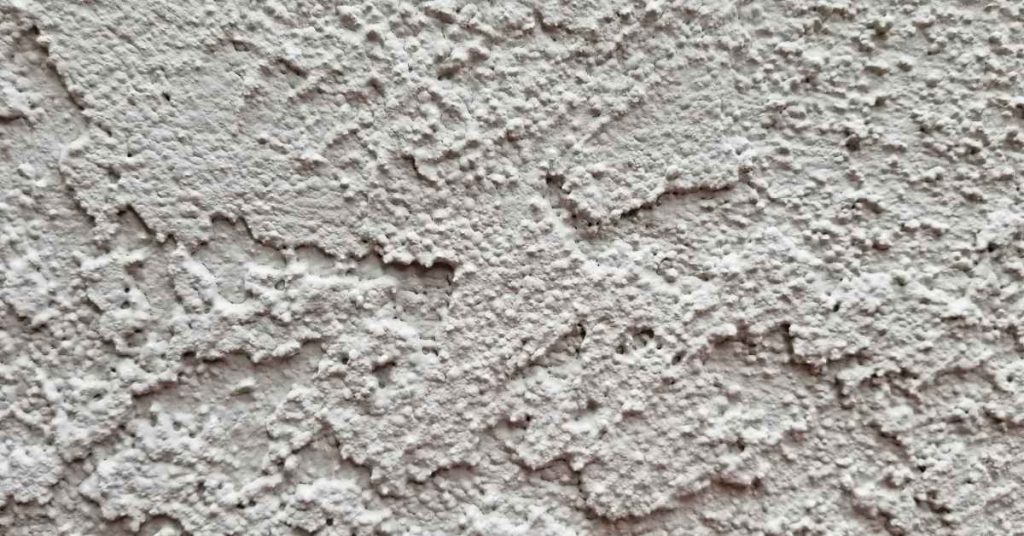
Close-up of white stucco wall texture

Mounting Heavy Items on Stucco: Spacers, Blocking, and Not Crushing the Finish

Introduction Mounting heavy items on stucco means creating solid backing behind the finish and using spacers to keep the surface intact while fasteners carry the load. Choose an anchor type appropriate for stucco and plan spacers and backing to avoid crushing the finish. Follow installation steps for the chosen anchor, check for proper spacing and

Mounting Heavy Items on Stucco: Spacers, Blocking, and Not Crushing the Finish Read More »

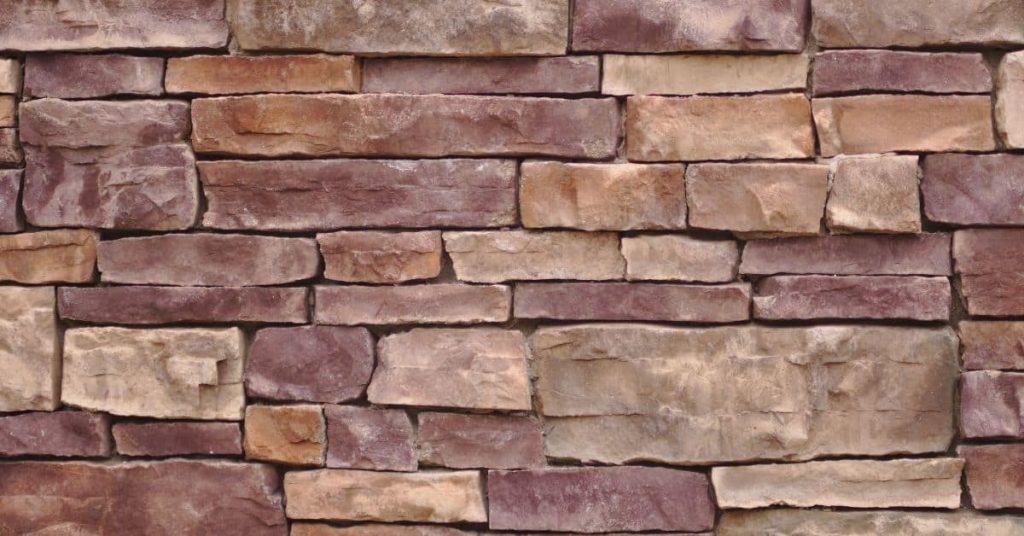
Close-up of stacked stone veneer wall with varied shapes

Brick Veneer 101: Air Gaps, Weeps, and Why “Stuck-On” Systems Fail

Introduction Brick veneer is a non-structural facing that sits on a wall with an intentional air gap to vent moisture. Understanding why air gaps and weep holes matter helps you spot issues before they show up. This setup is what keeps brick veneer performing without relying on the wall itself for support. Stuck-on brick systems

Brick Veneer 101: Air Gaps, Weeps, and Why “Stuck-On” Systems Fail Read More »

Person applying fresh plaster to wall with trowel and hawk

When Plaster Cracks Matter: Cosmetic Lines vs Movement Red Flags

Introduction Cosmetic cracks are fine, non-structural lines that don’t indicate movement. Movement-related cracks show ongoing change in the wall and may signal settlement or moisture problems. In DIY terms, sturdy plaster can crack from drying or shrinkage, but bigger concerns require closer checks for movement. Visual signs to watch include hairline cracks that stay the

When Plaster Cracks Matter: Cosmetic Lines vs Movement Red Flags Read More »

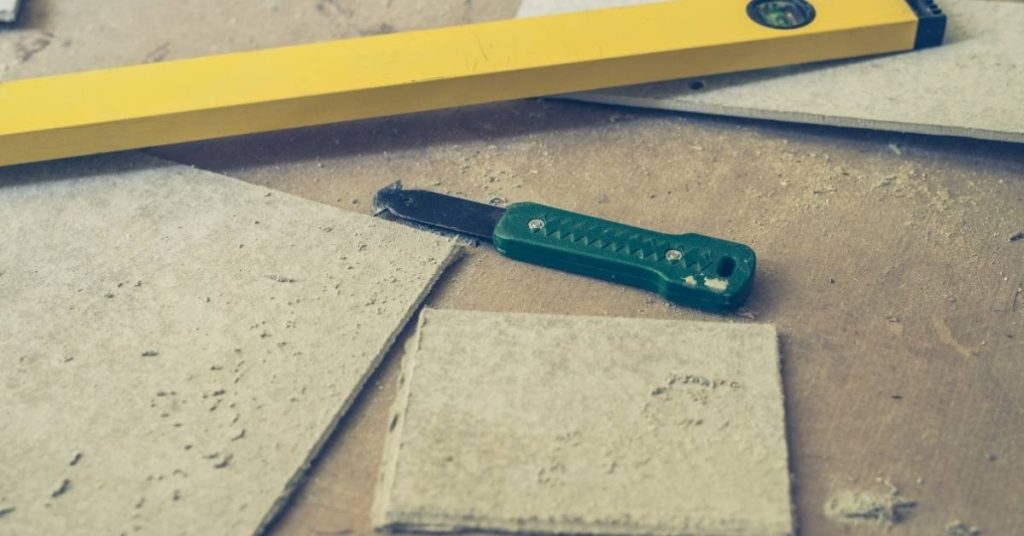
Yellow level tool and green cutting knife on concrete board pieces

Cement Shelf-Life Reality: How Storage Conditions Change Set Time and Strength

Introduction Cement shelf-life is the window during which stored cement stays workable and can reach intended strength when mixed. Storage conditions like moisture, temperature, and how long it sits affect how fast it sets and how strong the final pour will be. In practice, poor storage tends to shorten set time and reduce final strength.

Cement Shelf-Life Reality: How Storage Conditions Change Set Time and Strength Read More »

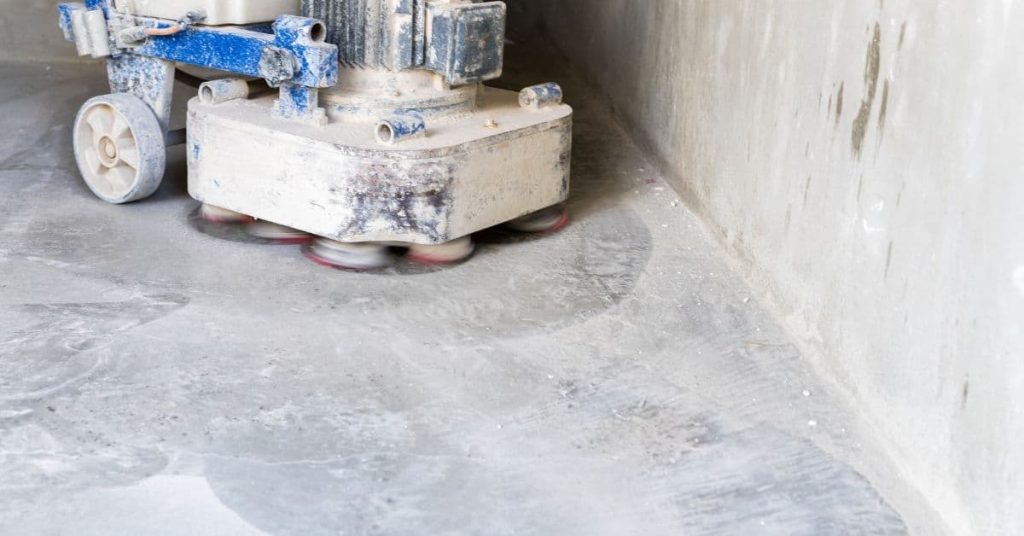
Concrete floor grinding machine smoothing surface near wall

Fixing Trip Hazards by Grinding: How Much You Can Remove Before You Create New Problems

Introduction Grinding to fix trip hazards is removing small amounts of material from high spots so the surface becomes even. Do not remove more than necessary, since over-grinding can create new problems. Check the material, tool, and surface before you start, and follow manufacturer instructions and local rules. Do small passes and check your progress

Fixing Trip Hazards by Grinding: How Much You Can Remove Before You Create New Problems Read More »

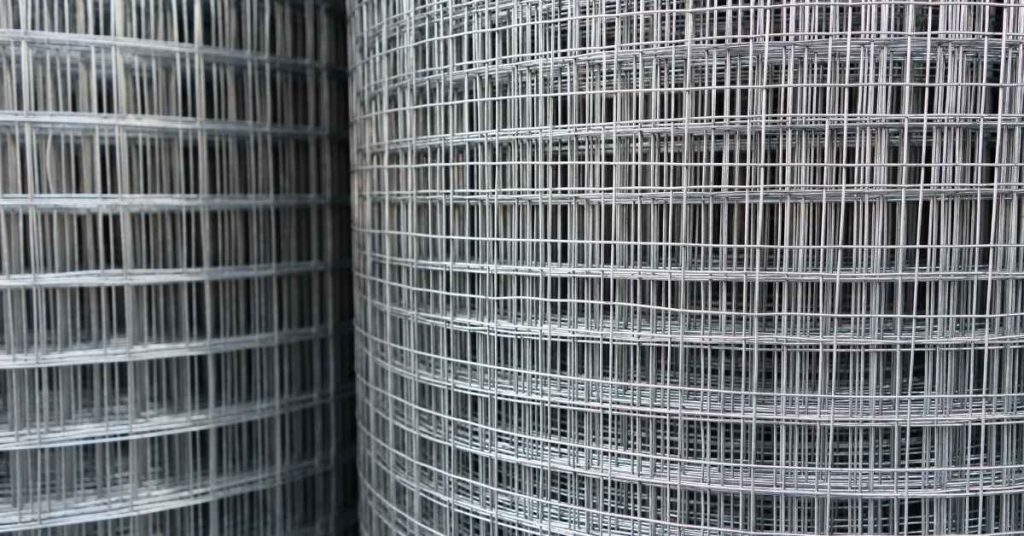
Close-up of two rolls of metal wire mesh

Fiber + Wire Mesh Together: When It’s Redundant and When It Helps

Introduction Fiber + wire mesh together is a reinforced concrete setup where fibers help control cracking and mesh provides added structural distribution. Redundancy can mean extra fibers or extra mesh ends up overlapping; watch for overcomplicating the pour. Combining fiber with mesh can help in slabs with control joints or poor soil, but it can

Fiber + Wire Mesh Together: When It’s Redundant and When It Helps Read More »

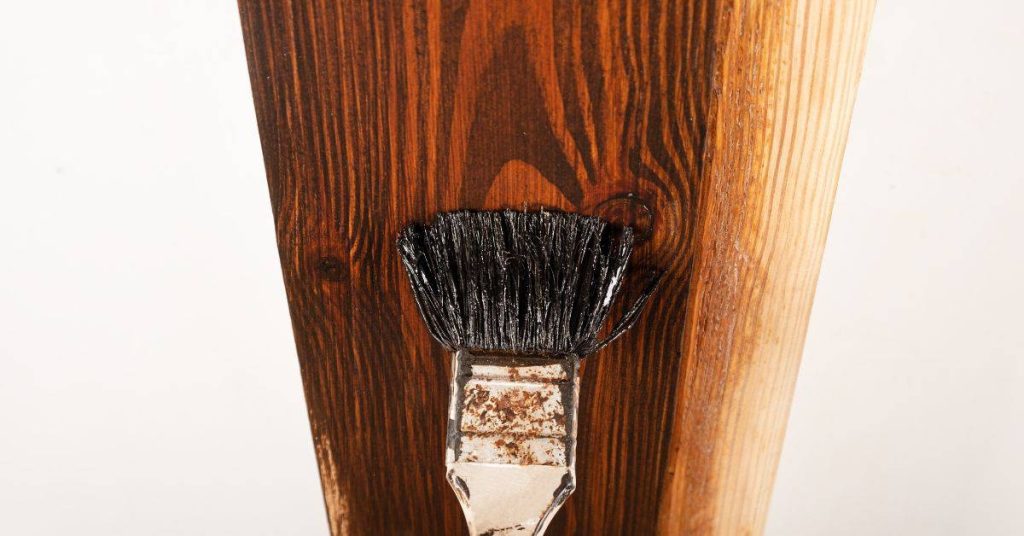
Paintbrush applying dark varnish to wooden plank

Coating Over Damp Wood Near Concrete: Why Blisters Form and Better Breathable Systems

Introduction Blisters form when moisture underneath the coating pushes through and splits the film over damp wood near concrete. You’ll see raised bubbles or pockets as the coating tries to cure in a wet, alkaline environment. Work is risky if you skip drying and proper surface prep. Look for breathable coating options and follow proper

Coating Over Damp Wood Near Concrete: Why Blisters Form and Better Breathable Systems Read More »