Search Results for: efflorescence

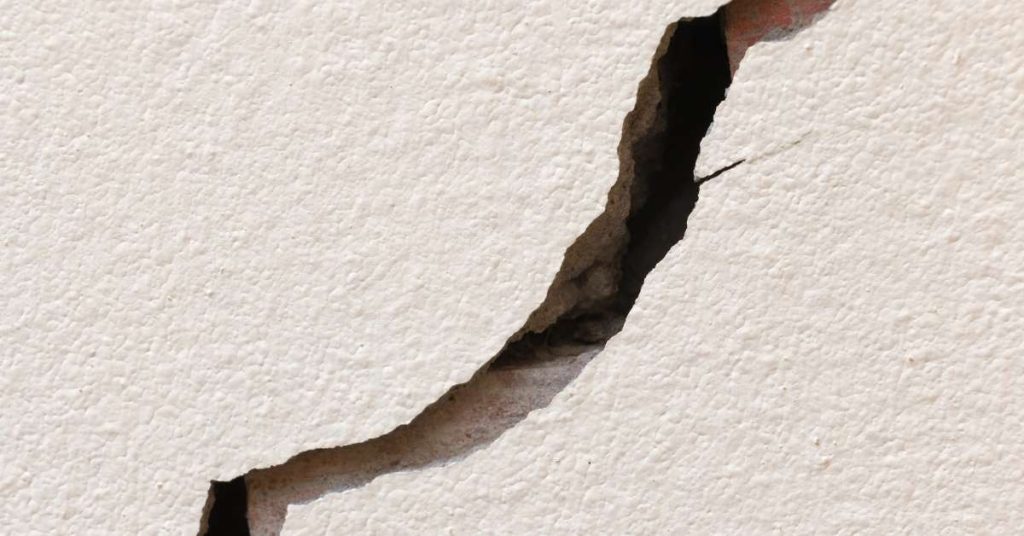
Closeup of deep irregular crack in textured stucco wall

Crack Repairs in Stucco Without Trapping Water: Drainage Plane Reality Check

Introduction Drainage planes are designed to move water out from behind stucco so you don’t trap it against the wall. When cracking repairs are done, you need to preserve that path for moisture to escape while sealing the crack. Check your current system and follow manufacturer guidance for any patch materials and installation steps. If […]

Crack Repairs in Stucco Without Trapping Water: Drainage Plane Reality Check Read More »

Open can of white paint with color swatch cards on colored paper

Breathable Paint for Stucco vs Elastomeric: When “Waterproof” Becomes a Problem

Introduction Breathable paint is a coating that lets moisture escape from the wall while still blocking water on the surface. When used on stucco, it helps the wall “breathe” so moisture isn’t trapped inside the coating or substrate. For DIY work, read the label and follow the manufacturer instructions to ensure proper surface prep and

Breathable Paint for Stucco vs Elastomeric: When “Waterproof” Becomes a Problem Read More »

Hand in pink glove scrubbing stucco wall with brush

Algae on Stucco: Cleaning Methods That Don’t Bleach Color or Etch Finish

Introduction Algae on stucco is algae growth that appears as green or dark spots on the surface. Identify it by color, texture, and where it’s growing, especially in shaded or damp areas. This guide keeps things simple for DIY homeowners and avoids bleaching or etching. Use safe cleaners that are milder than bleach and follow

Algae on Stucco: Cleaning Methods That Don’t Bleach Color or Etch Finish Read More »

closeup of textured light gray stucco wall surface

Sprinkler Damage on Stucco: Salt, Staining, and Long-Term Protection

Introduction Sprinkler damage on stucco is the salt and water-related staining and surface effects caused by sprinkler spray. Sprinkler spray can leave salty deposits, efflorescence, and moisture issues on stucco. This article covers how to spot salt staining, what causes it, and why sealing can help protect the surface. Look for white, powdery deposits, dark

Sprinkler Damage on Stucco: Salt, Staining, and Long-Term Protection Read More »

Closeup of rough stucco texture with grooves and patches

Dash-and-Lace Stucco Repairs: Hiding Patches Under Raking Light

Introduction Dash-and-Lace Stucco Repairs are patch-and-texture fixes designed to hide patches when light hits the wall. This hand-on method relies on small, deliberate texture changes to blend repairs with the surrounding surface under raking light. It’s a straightforward, bottom-line approach you can do with basic tools and patience. Work up-close so you can see the

Dash-and-Lace Stucco Repairs: Hiding Patches Under Raking Light Read More »

Exposed brick wall partly covered with gray stucco render

Stucco-to-Brick Transitions: Movement Joints and Water Breaks That Don’t Crack

Introduction A movement joint at a stucco-to-brick transition is a deliberate gap that lets the siding materials expand and contract without cracking. Its job is to separate the two substrates so stresses don’t transfer and crack the finish. This article shows practical, hands-on steps for placing joints and installing water breaks so the transition stays

Stucco-to-Brick Transitions: Movement Joints and Water Breaks That Don’t Crack Read More »

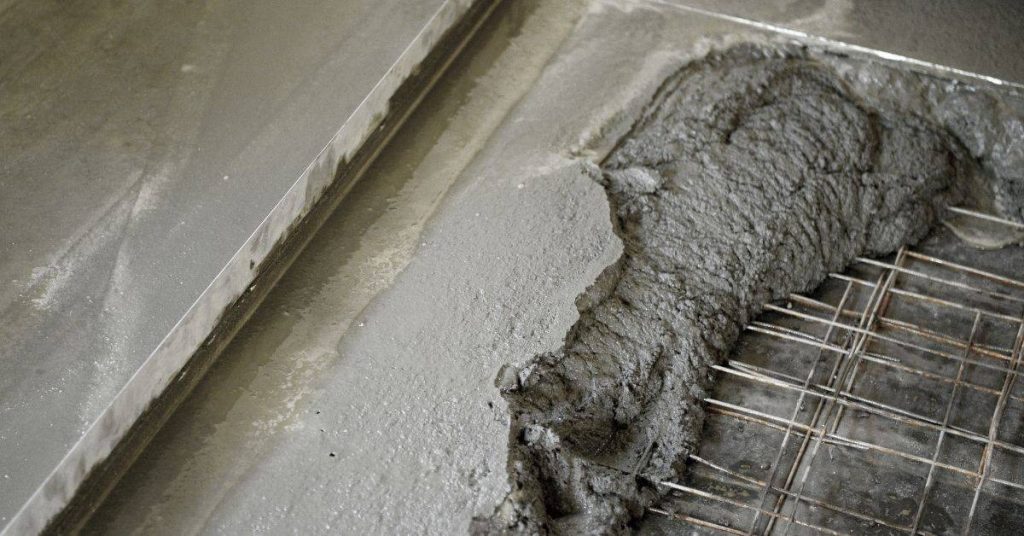
Wet concrete being poured over steel rebar grid

Rust “Ghosting” in Concrete: Preventing Stains from Chairs, Ties, and Rebar

Introduction Rust ghosting is stains left in cured concrete by corroded metal in contact with the mix. It happens when moisture and metal react, causing rust to bleed into the surface during curing. Common culprits are chairs, ties, and rebar that sit in the pour. Prevent it by choosing non‑corroding or protected hardware and by

Rust “Ghosting” in Concrete: Preventing Stains from Chairs, Ties, and Rebar Read More »

Polished concrete floor reflecting overhead lights and columns

Concrete Densifiers for DIY: Lithium vs Sodium Silicate and What Can Go Wrong

Introduction Lithium and sodium silicate densifiers are concrete surface treatments that harden the top layer by penetrating and sealing the pores. They can help reduce dust, improve spill resistance, and give a subtle finish, but the best choice depends on your concrete and environment. Always check the product label and follow the manufacturer instructions, and

Concrete Densifiers for DIY: Lithium vs Sodium Silicate and What Can Go Wrong Read More »

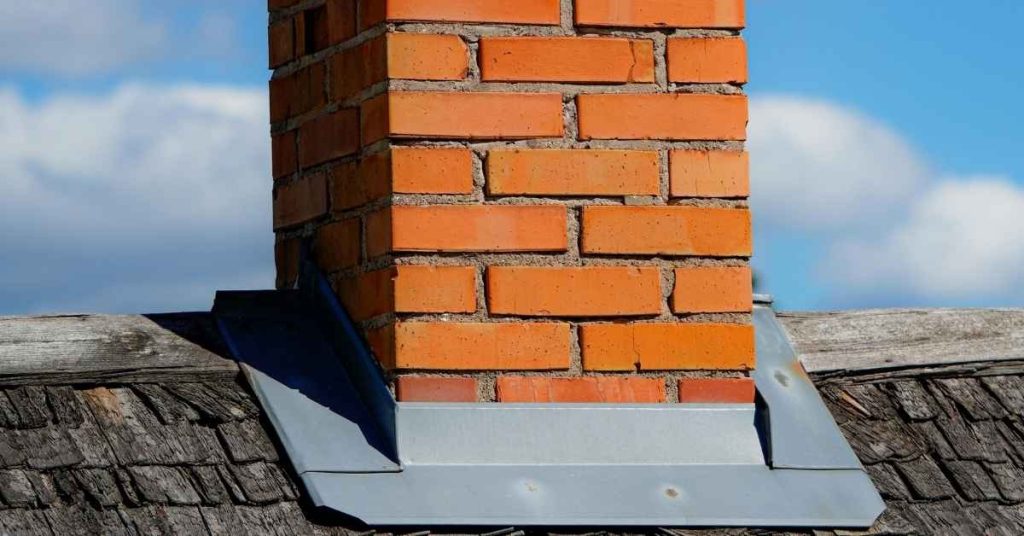
Brick chimney with metal flashing on wooden shingle roof under blue sky

Brick Flashing and Weep Holes at Ledges: How Water Is Supposed to Escape

Introduction Brick flashing and weep holes at ledges are features that let water escape from behind brickwork. They direct runoff away from the wall and help prevent moisture damage. As a DIYer, you’ll inspect for proper placement and unobstructed openings before finishing the ledge. Start by checking that flashing is in place under the brick

Brick Flashing and Weep Holes at Ledges: How Water Is Supposed to Escape Read More »

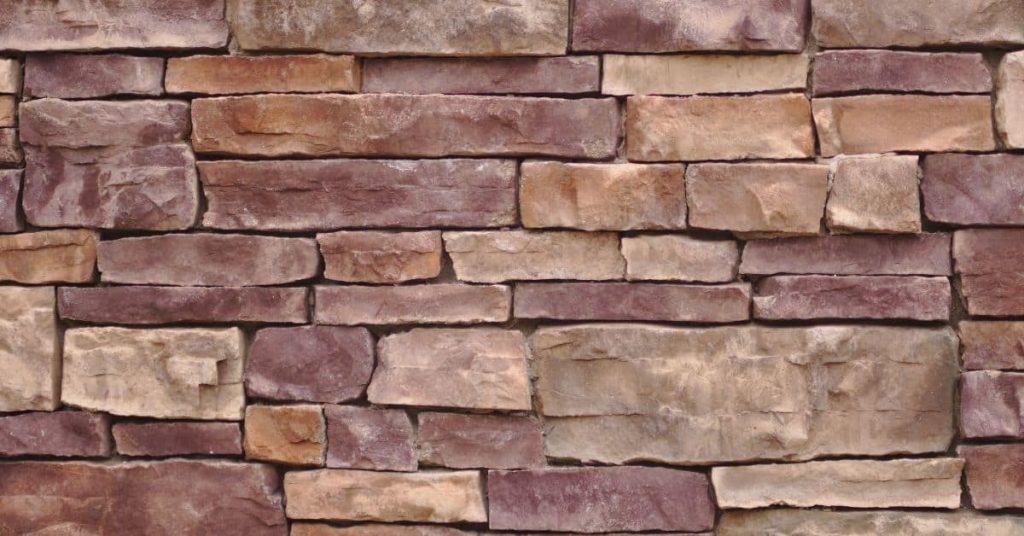
Close-up of stacked stone veneer wall with varied shapes

Brick Veneer 101: Air Gaps, Weeps, and Why “Stuck-On” Systems Fail

Introduction Brick veneer is a non-structural facing that sits on a wall with an intentional air gap to vent moisture. Understanding why air gaps and weep holes matter helps you spot issues before they show up. This setup is what keeps brick veneer performing without relying on the wall itself for support. Stuck-on brick systems

Brick Veneer 101: Air Gaps, Weeps, and Why “Stuck-On” Systems Fail Read More »