Search Results for: efflorescence

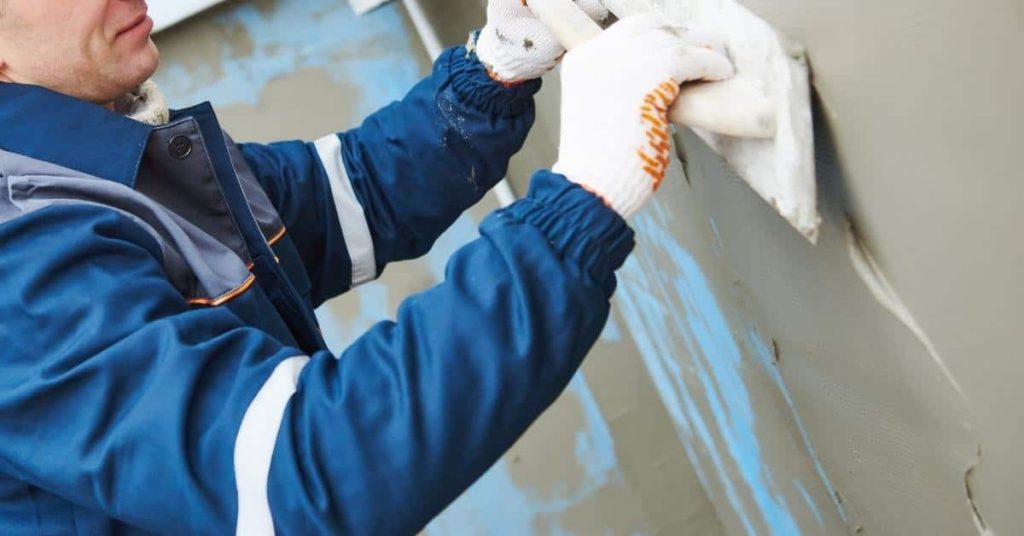
Worker smoothing stucco plaster on wall

Stucco Around Solar Mounts: Standoffs, Sealants, and Keeping Drainage Paths Open

Introduction This article covers how to stucco around solar mounts to seal, support, and keep drainage clear. It’s a hands-on, DIY approach that balances protection with easy maintenance. Use proper technique for applying stucco around mounts, choosing standoffs that keep panels level and allow drainage paths. Select sealants rated for roof penetrations and check manufacturer […]

Stucco Around Solar Mounts: Standoffs, Sealants, and Keeping Drainage Paths Open Read More »

Close-up of blue painted wood siding with horizontal grooves

Acrylic Render Over Painted Stucco: Bond Tests, Prep, and Failure Prevention

Introduction Acrylic render over painted stucco is the process of applying an acrylic finish coat on top of painted stucco to create a new, durable surface. Before you start, run bond checks and surface prep to decide if the paint will hold and where it may peel. Inspect for peeling paint, loose patches, and gloss,

Acrylic Render Over Painted Stucco: Bond Tests, Prep, and Failure Prevention Read More »

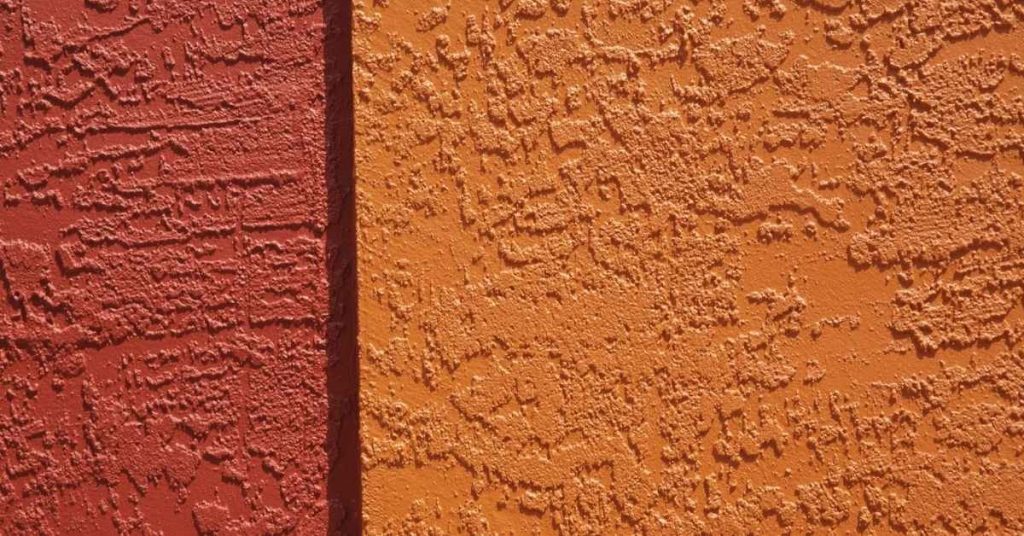
Close-up of two-tone orange and red textured stucco wall

Two-Tone Stucco Bands Without Cracks: Movement Joints and Sequencing

Introduction Two-tone stucco bands without cracks are achieved by using deliberate movement joints and proper sequencing to control where cracks form. This approach keeps the color bands crisp and the surface durable during temperature changes and settling. Avoid guessing—check labels and manufacturer guidance for allowable joint spacing and material compatibility. Identify crack types as they

Two-Tone Stucco Bands Without Cracks: Movement Joints and Sequencing Read More »

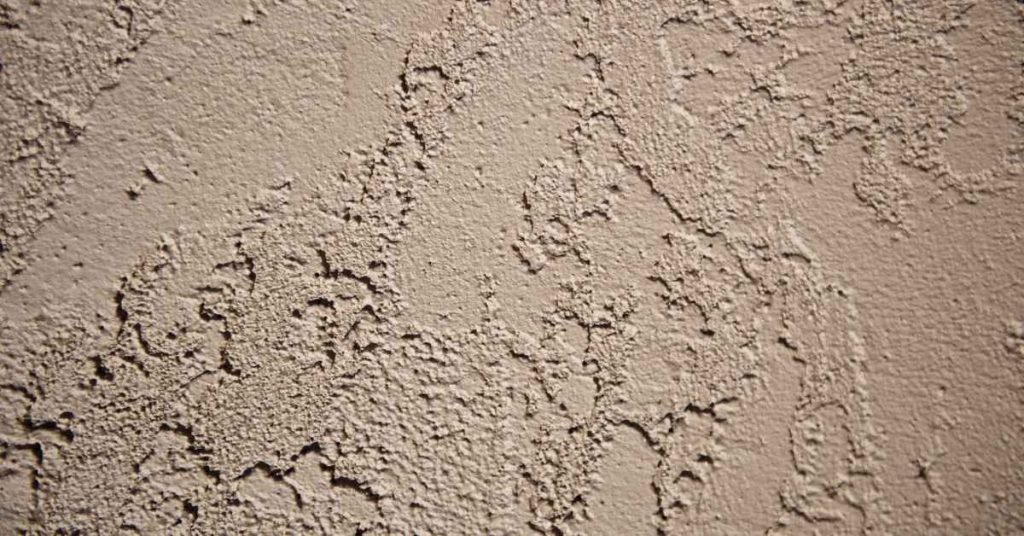
Close-up of rough stucco wall texture in neutral color

Blending Stucco Texture on Large Patches: Avoiding the “Panel” Look in Sunlight

Introduction Blending stucco texture on large patches means creating a continuous, uniform surface that hides seams and avoids the “panel” look when sunlight hits the wall. This article keeps things practical for DIY homeowners, focusing on how to feather textures, work in stages, and check for consistent saturation. You’ll want to match the base coat,

Blending Stucco Texture on Large Patches: Avoiding the “Panel” Look in Sunlight Read More »

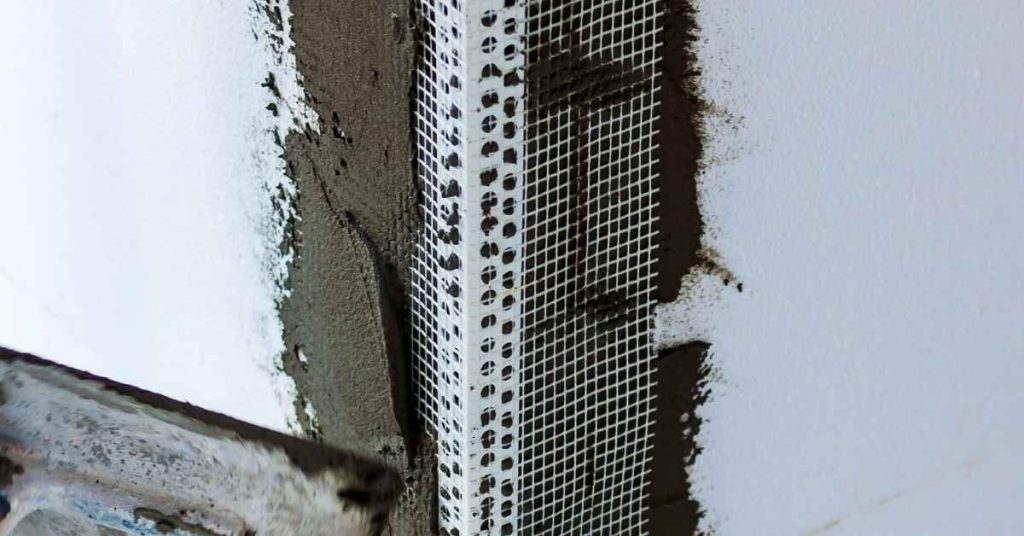
Stucco wall with reinforcing mesh and metal bead at corner

Corner Cracks at Stucco Windows: Mesh Orientation and Bead Choices

Introduction Proper mesh orientation and bead selection help prevent corner cracks around stucco windows. The way the mesh is aligned and the type of bead you use influence how the stucco moves at the casement and sill transitions. Choose options based on manufacturer guidance and local methods, then apply consistently. Bead installation techniques matter, especially

Corner Cracks at Stucco Windows: Mesh Orientation and Bead Choices Read More »

Worker leveling wet concrete with screed tool

DIY Compaction Checks Before Concrete: Moisture, Pass Counts, and Simple Field Tests

Introduction Compaction checks before pouring concrete means testing how tightly the soil is packed and how wet it is to see if it’s ready for formwork. Getting this right helps prevent settling, cracks, and uneven slabs. In this article, we’ll cover moisture checks, visible pass counts, and quick field tests you can do on site.

DIY Compaction Checks Before Concrete: Moisture, Pass Counts, and Simple Field Tests Read More »

Concrete beam skeleton frame under clear blue sky

Stopping Leaks at Concrete Cold Joints: Injection Options and Negative-Side Coatings

Introduction A concrete cold joint is a seam that forms when pours stop and then resume, creating a potential weak point where water can seep through. Leaks at these joints happen when the joint isn’t bonded or sealed well enough, especially under pressure or through capillary paths. For a DIY approach, this article covers practical

Stopping Leaks at Concrete Cold Joints: Injection Options and Negative-Side Coatings Read More »

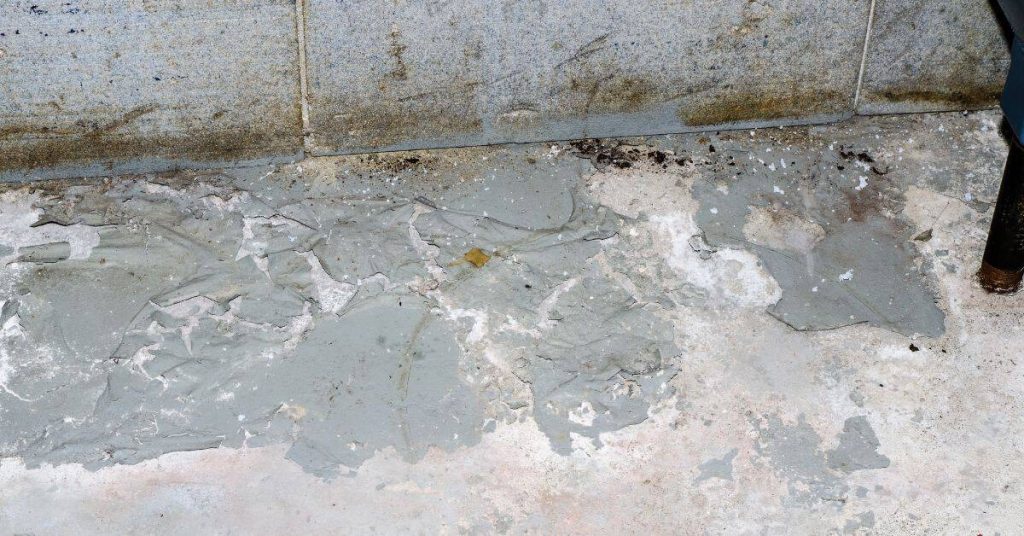
Peeling gray coating on damaged concrete surface

Waterproofing a Concrete Birdbath: Liners vs Coatings and How to Prevent Peeling

Introduction Waterproofing a concrete birdbath involves choosing between liners or coatings to prevent water from penetrating the concrete. This guide focuses on practical, hands-on basics to help you decide what to use and why. This choice affects durability, ease of repair, and how you plan to fill and maintain the basin, so compare options like

Waterproofing a Concrete Birdbath: Liners vs Coatings and How to Prevent Peeling Read More »

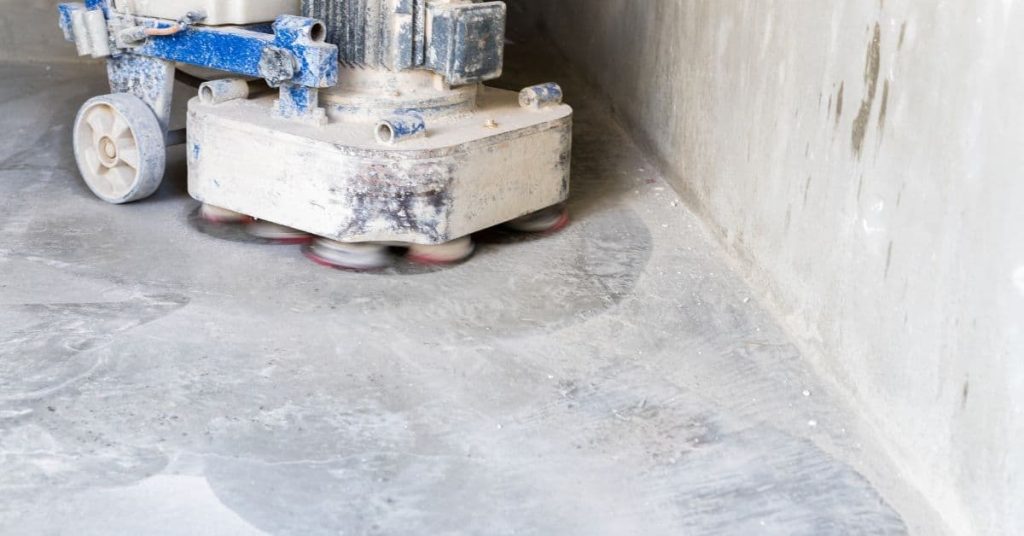
Close-up of floor grinding machine smoothing concrete floor

Tarp Lines on Concrete After Curing: Cleaning vs Light Grinding vs Patience

Introduction Tarp lines on concrete after curing are the visible creases or texture lines where a tarp overlapped during the curing process. They show up as different shading or ridges on the surface. You can address them by cleaning, light grinding, or letting time and use soften or blend them in. Start with a simple

Tarp Lines on Concrete After Curing: Cleaning vs Light Grinding vs Patience Read More »

Decorative plaster corbel on brick wall under sill

Adding a Drip Groove Under Brick Sills: Cutting, Sealing, and Stopping Stains

Introduction A drip groove under brick sills is a small channel cut into the sill edge or underside to guide water away from the wall. Cutting it helps prevent standing water and staining, while proper sealing keeps materials from wicking moisture. It’s a practical DIY step that reduces moisture problems behind brick. To do it,

Adding a Drip Groove Under Brick Sills: Cutting, Sealing, and Stopping Stains Read More »