Search Results for: dust mop for concrete floors

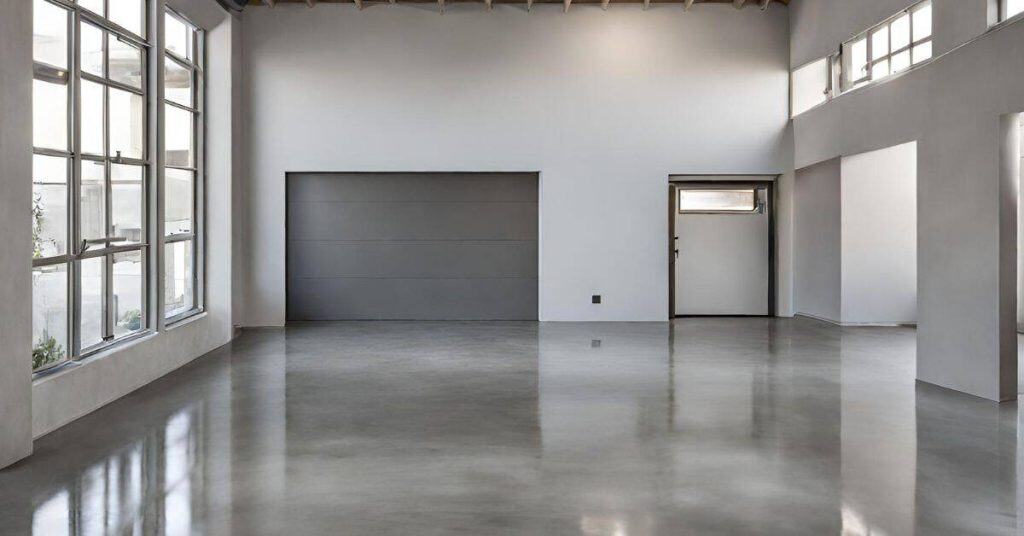
Empty garage with concrete floor and closed metal door

Dusty garage slabs: when sweeping and densifiers help and when resurfacing is the only fix

Introduction Dusty garage slabs are concrete floors that shed fine dust from the surface as you walk on them. Causes include worn surface, moisture, and exposure to chemicals or abrasion from vehicles and tools. Keeping the area swept and free of grit helps you see how bad the dust problem is and what needs doing […]

Dusty garage slabs: when sweeping and densifiers help and when resurfacing is the only fix Read More »

Stone-look concrete gate pillars with metal fence panels

Stone-Look Concrete Finishes: Rub Techniques, High Spots, and Sealer Choices

Introduction Stone-Look Concrete Finishes are achieved by rubbing and refining a concrete surface to resemble natural stone. On the job, you’ll use hand tools and trowels to work the surface while it’s still workable, then wipe, rub, and burnish to blend colors. Check product labels and manufacturer instructions for cure times and safety before starting.

Stone-Look Concrete Finishes: Rub Techniques, High Spots, and Sealer Choices Read More »

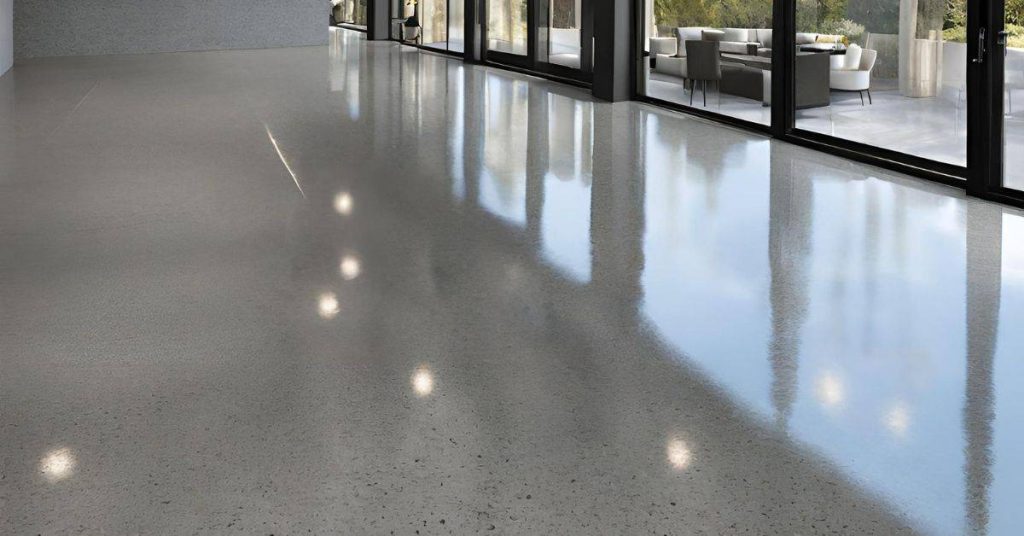
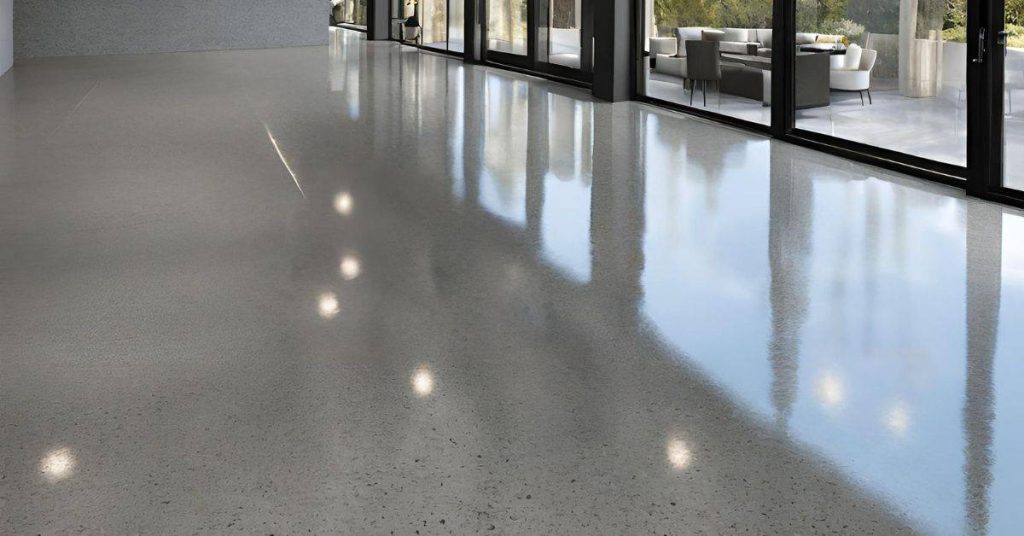
Polished concrete floor reflecting overhead lights and columns

Concrete Densifiers for DIY: Lithium vs Sodium Silicate and What Can Go Wrong

Introduction Lithium and sodium silicate densifiers are concrete surface treatments that harden the top layer by penetrating and sealing the pores. They can help reduce dust, improve spill resistance, and give a subtle finish, but the best choice depends on your concrete and environment. Always check the product label and follow the manufacturer instructions, and

Concrete Densifiers for DIY: Lithium vs Sodium Silicate and What Can Go Wrong Read More »

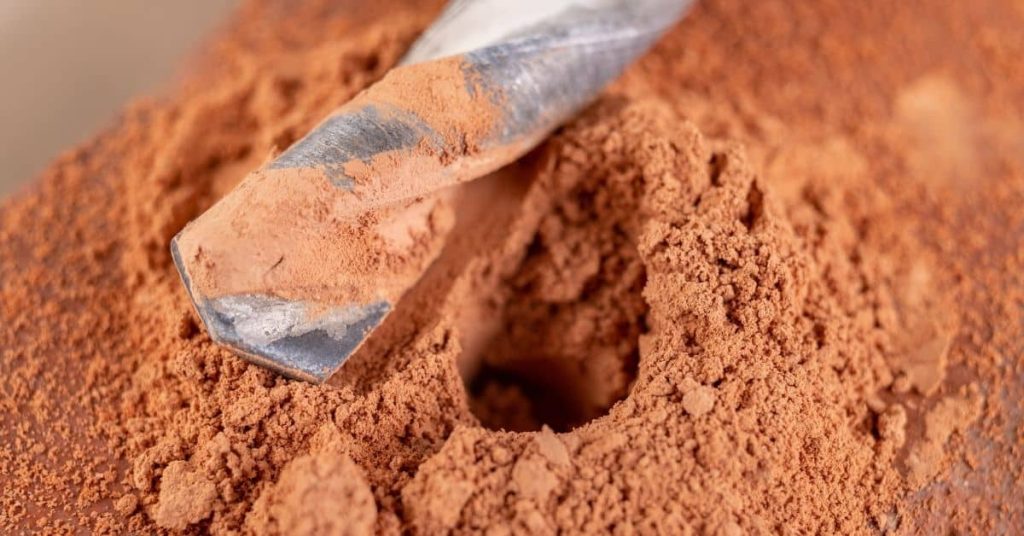
Close up of drill bit covered in red dust powder

Plaster Dust Control for Small Jobs: Containment, Venting, and Cleanup That’s Livable

Introduction Plaster dust control means keeping dust confined, vented, and cleaned so a small job stays livable. Set up a defined work area with barriers or plastic, cover floors, and contain the dust to the room you’re working in. Wear appropriate PPE like a dust mask, eye protection, and gloves, and remove loose clothing to

Plaster Dust Control for Small Jobs: Containment, Venting, and Cleanup That’s Livable Read More »

Smooth polished concrete floor reflecting windows and lights

Concrete Finishing for Broom Direction: Traction vs Cleanability Tradeoffs

Introduction Concrete finishing for broom direction is the texture you create when you drag a broom across fresh concrete to set a pattern. This defines how much traction you get and how easy it is to clean. Keep it simple and work with what your slab can tolerate—no gimmicks. Broom patterns range from tight, firm

Concrete Finishing for Broom Direction: Traction vs Cleanability Tradeoffs Read More »

Empty room with polished concrete floor and large windows

Using Sacrificial Wax Systems on Polished Concrete: Maintenance Schedule That Doesn’t Turn Dull

Introduction A sacrificial wax system on polished concrete is a protective layer you apply to guard the surface and keep the shine. As you wear and spill on the floor, you refresh the wax rather than grind the surface again. Approach this like a practical DIY job: work in small areas, follow the product instructions,

Using Sacrificial Wax Systems on Polished Concrete: Maintenance Schedule That Doesn’t Turn Dull Read More »

shiny polished concrete floor in modern indoor space

Repairing Etched or Dull Polished Concrete: Densifier Reapplication vs Re-Polish

Introduction Repairing Etched or Dull Polished Concrete: Densifier Reapplication vs Re-Polish is about choosing between reapplying a densifier to revitalize the surface or running a light re-polish to restore gloss. The decision hinges on whether the dullness comes from chemical etching, wear, or a dull film on the surface. Plan based on what the surface

Repairing Etched or Dull Polished Concrete: Densifier Reapplication vs Re-Polish Read More »

Precast concrete wall panels stacked outside a building

Concrete Micro-Inlays: Engraving, Filling With Colored Grout, and Sealing So It Stays Clean

Introduction Concrete micro-inlays are small engravings in concrete that are filled with colored grout and sealed to stay clean. The basic idea is to create a crisp line or pattern, then repair and protect it with color and a sealant. With the right hand tools and a steady hand, you can add simple lines or

Concrete Micro-Inlays: Engraving, Filling With Colored Grout, and Sealing So It Stays Clean Read More »

Covered porch with painted concrete floor and metal chairs

Controlling Sheen on Concrete Sealers: Matte vs Gloss, Slip Risk, and Maintenance Reality

Introduction Matte and gloss sealers define the look and reflectivity of a concrete surface. A matte finish hides minor wear but can be harder to keep clean, while a gloss finish is clearer but may show wear and slip risk more readily. This article gives a practical, DIY‑friendly overview of what to expect and how

Controlling Sheen on Concrete Sealers: Matte vs Gloss, Slip Risk, and Maintenance Reality Read More »

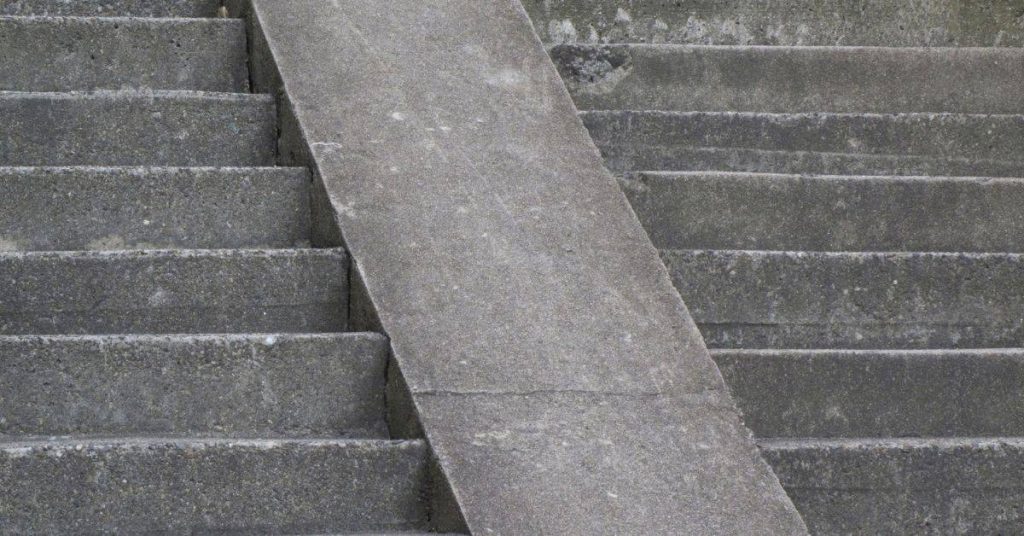
Concrete stairs with a smooth ramp in the middle

Fixing a Concrete Patch That Won’t Take Stain: Porosity matching and blending

Introduction Porosity matching and blending means adjusting a concrete patch so it accepts stain like the surrounding concrete and hides the edges. Start with a clean, dry surface and test a small area to see how the stain looks. If the patch seems off, adjust the patch mix with a compatible additive or bonding agent

Fixing a Concrete Patch That Won’t Take Stain: Porosity matching and blending Read More »