Search Results for: drywall op

hand with glove smoothing wet plaster on wall with trowel

How to Create a Zero-Lap-Mark Wall: Timing Your Sections for a True Wet Edge

Introduction The key to achieving a seamless, zero-lap-mark wall lies in meticulous timing and coordination. Every minute counts when you’re working with wet materials, so understanding the timeline is crucial. In this guide, we’ll break down the process into manageable timeframes, helping you plan your sections effectively and maintain that all-important true wet edge. For […]

How to Create a Zero-Lap-Mark Wall: Timing Your Sections for a True Wet Edge Read More »

Worker smoothing stucco on wall with hawk tool

Removing Loose Stucco Safely: Dust Control, Cut Lines, and How to Protect the WRB

Introduction Removing loose stucco safely means knocking out and replacing only the failing material while keeping dust off you and your house and protecting the weather-resistive barrier behind it. Start by finding the delaminated areas with a tap test and visual checks, then plan cuts and containment before you touch the wall. Use dust control

Removing Loose Stucco Safely: Dust Control, Cut Lines, and How to Protect the WRB Read More »

Close-up of weathered pink stucco wall texture

Making Stucco Sample Boards: Test Panels That Predict Color and Texture

Introduction Making stucco sample boards means applying small, finished panels that show how a specific mix, color, and texture will look on the real wall. These test panels let you see drying color shifts, surface texture, and how the base and finish layers interact before you commit to the whole job. Keep the process hands-on:

Making Stucco Sample Boards: Test Panels That Predict Color and Texture Read More »

Close-up of blue stucco wall texture with visible rough surface

Diagnosing Moisture Behind Stucco: A Step-by-Step Timeline for DIY Inspections

Introduction Uncovering moisture behind stucco involves a systematic process that requires time and patience. Understanding the timeline of each step is crucial to ensure you don’t cause further damage or miss any critical signs. This guide walks you through the entire process, from initial inspections to final assessments, with clear timelines for each task. Let’s

Diagnosing Moisture Behind Stucco: A Step-by-Step Timeline for DIY Inspections Read More »

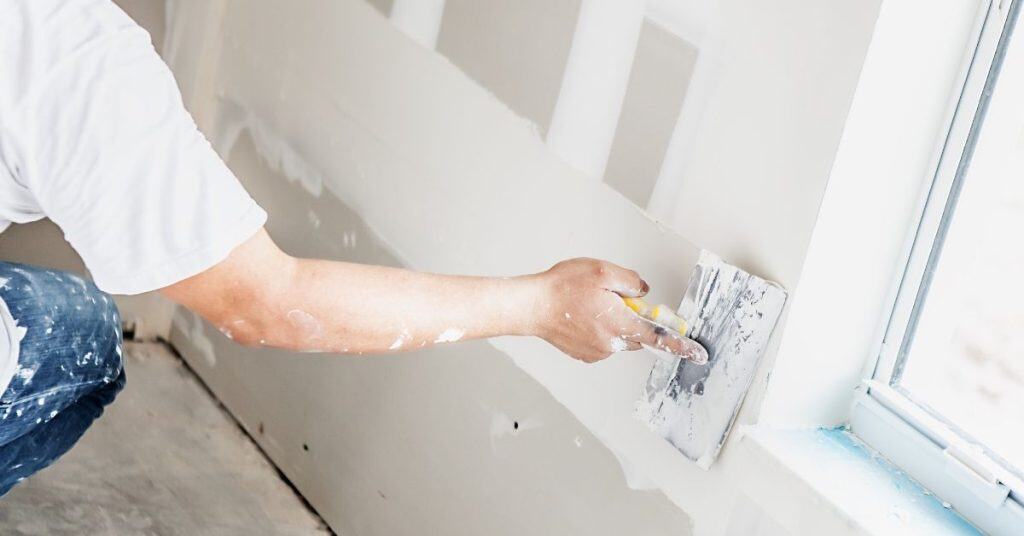
Person applying drywall joint compound near window

Choosing Plaster vs Joint Compound for Repairs: Durability, Sanding, and Paint Finish Differences

Introduction Plaster is a harder-setting wall finish made from cement- or gypsum-based mixes, while joint compound is a softer, gypsum-based product meant for taping and small repairs. For DIYers that means plaster will hold up better in high-traffic areas and where impact resistance matters, and joint compound is easier to apply and feather for small

Choosing Plaster vs Joint Compound for Repairs: Durability, Sanding, and Paint Finish Differences Read More »

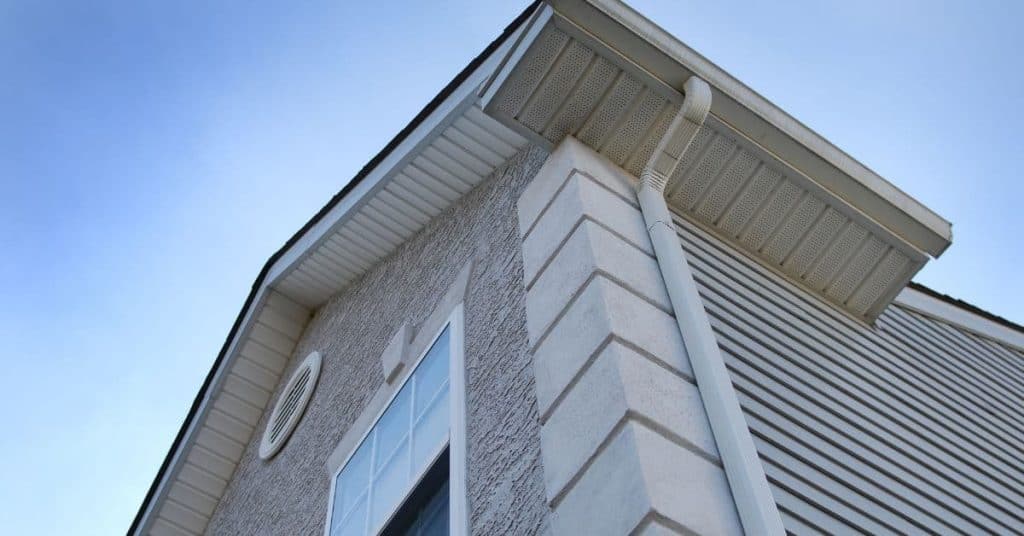
Close-up of house corner showing fascia drip edge gutter downspout

Fascia and Drip Edge: Common Failures, How to Diagnose, and Repairs That Last

Introduction Drip edge is the metal or flashing that directs roof runoff into the gutter and protects the fascia. Fascia is the board along the roof edge that the gutter hangs from. Common failures include loose or bent drip edge, corroded metal, gaps at corners, and damaged fascia that lets water behind the gutter. To

Fascia and Drip Edge: Common Failures, How to Diagnose, and Repairs That Last Read More »

Close-up of gray asphalt shingle roof

Most Durable Roofing Material: How to Compare, Test, and Choose

Introduction The most durable roofing material is the option that resists weathering and lasts the longest with proper installation and maintenance. In practice, that means considering how well a roof stands up to wind, hail, temperature changes, and UV exposure. A good choice fits your climate, roof pitch, and maintenance plan. When comparing options, balance

Most Durable Roofing Material: How to Compare, Test, and Choose Read More »