Search Results for: drill bit for concrete

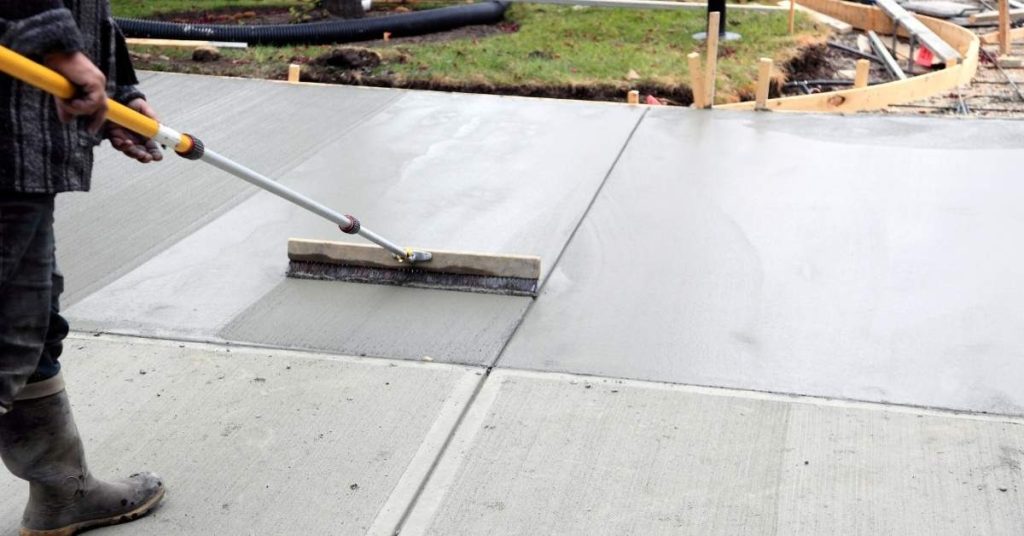
Person using concrete broom on wet concrete sidewalk

Reprofiling Worn Broom Finish: Thin Overlay vs Cut-and-Replace

Introduction Reprofiling worn broom finish means restoring a broom-textured concrete surface by either applying a thin overlay or replacing the affected slab. The approach you choose hinges on how deep the damage is, how flat you need it, and what your budget allows. Before you mix anything, focus on proper surface prep, crack clearing, and […]

Reprofiling Worn Broom Finish: Thin Overlay vs Cut-and-Replace Read More »
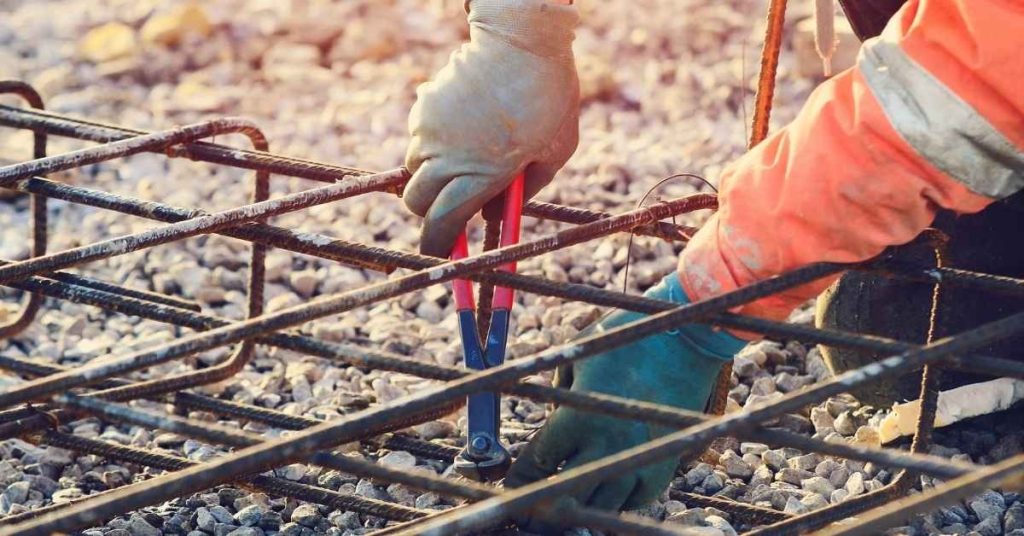
Hands tying rebar with pliers over gravel base

Carbonation Depth Mapping Across a Slab: Why One Test Spot Isn’t Enough

Introduction Carbonation depth mapping across a slab is the practice of measuring how far carbonation has penetrated the concrete across different spots. This helps you see where the concrete is more or less exposed to carbonation, not just at one point. In plain terms, you’re looking for variations rather than a single number. Why one

Carbonation Depth Mapping Across a Slab: Why One Test Spot Isn’t Enough Read More »

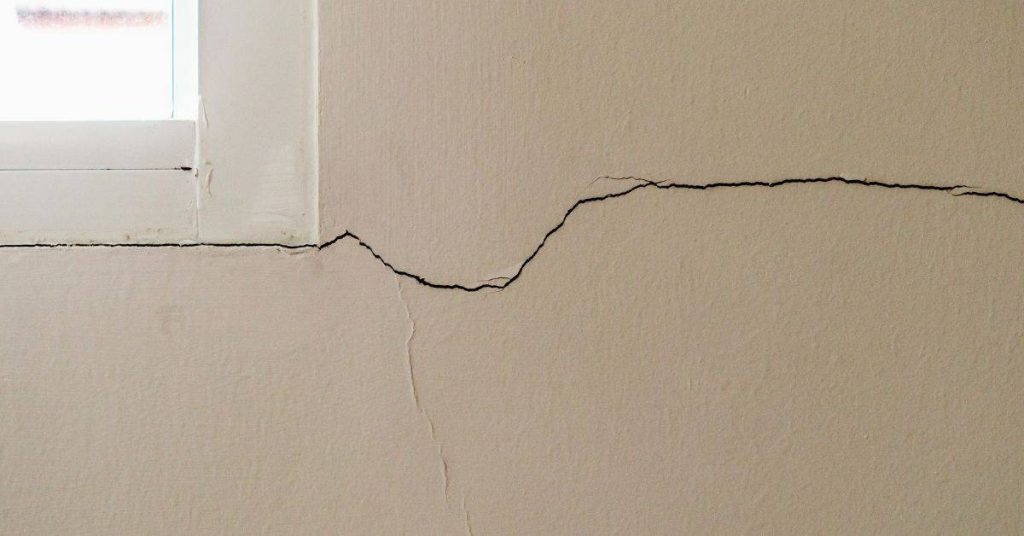
Close-up of wall crack near window frame indoors

Crack Monitoring on Slabs: Tell-Tales, Gauges, and When Movement Is Active

Introduction Crack monitoring on slabs is watching cracks for changes to tell if the slab is moving. You use simple tell-tales or gauges to notice width changes over time, so you can decide if action is needed. Keep it plain and repeatable, with measurements at the same spots. Start with an initial measurement of the

Crack Monitoring on Slabs: Tell-Tales, Gauges, and When Movement Is Active Read More »

Four rectangular concrete slabs with handwritten markings

Chloride Ion Testing in Old Slabs: When Salt Exposure Is the Real Problem

Introduction Chloride ion testing in old slabs is a way to find out whether salt exposure is the real problem behind concrete issues. It helps separate chloride-related damage from other moisture or subfloor failures. In plain terms, it’s part of diagnosing why a floor isn’t performing as you’d expect. Many times, moisture problems drive cracking,

Chloride Ion Testing in Old Slabs: When Salt Exposure Is the Real Problem Read More »

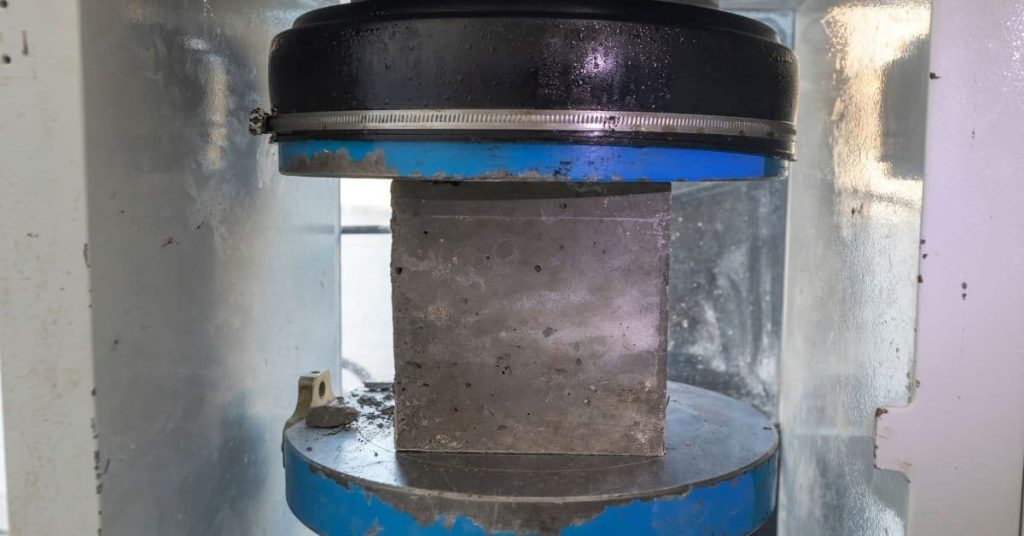
concrete compression test cube inside testing machine

DIY Slump Test: How to Make a Slump Cone and Read the Results

Introduction A slump test measures the workability of fresh concrete by using a cone and watching how much it settles. Key takeaways Understand the slump test measures concrete consistency by observing cone collapse height. Check tools: slump cone, trowel, sampling scoop, and clean curing surface. Follow a step-by-step procedure to ensure consistent results and repeatability.

DIY Slump Test: How to Make a Slump Cone and Read the Results Read More »

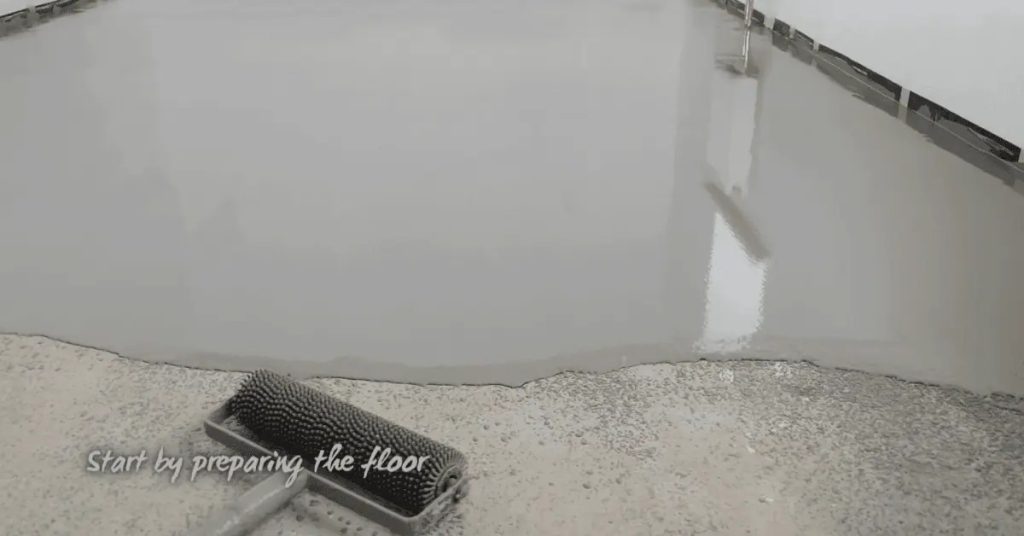
Fresh epoxy coating being rolled onto garage floor

Choosing a Garage Floor Topcoat: Durability, gloss, and recoat windows

Introduction Choosing a garage floor topcoat means selecting a durable, glossy protective finish and planning how and when you can recoat. Think about how much traffic, spills, and chemical exposure your space sees, and match that to a finish type and cure time. Consider how soon you’d like to apply another coat and how comfortable

Choosing a Garage Floor Topcoat: Durability, gloss, and recoat windows Read More »

Hand applying green paint with roller on taped surface

Why Stucco Paint Peels: Coating compatibility and moisture red flags

Introduction Paint on stucco peels mainly because the coating loses adhesion from moisture or from incompatibility with the surface. That means the top layer isn’t gripping the stucco or is being pushed loose by moisture behind it. A proper diagnosis starts with checking the surface for signs of moisture and poor bonding. Before repainting, inspect

Why Stucco Paint Peels: Coating compatibility and moisture red flags Read More »

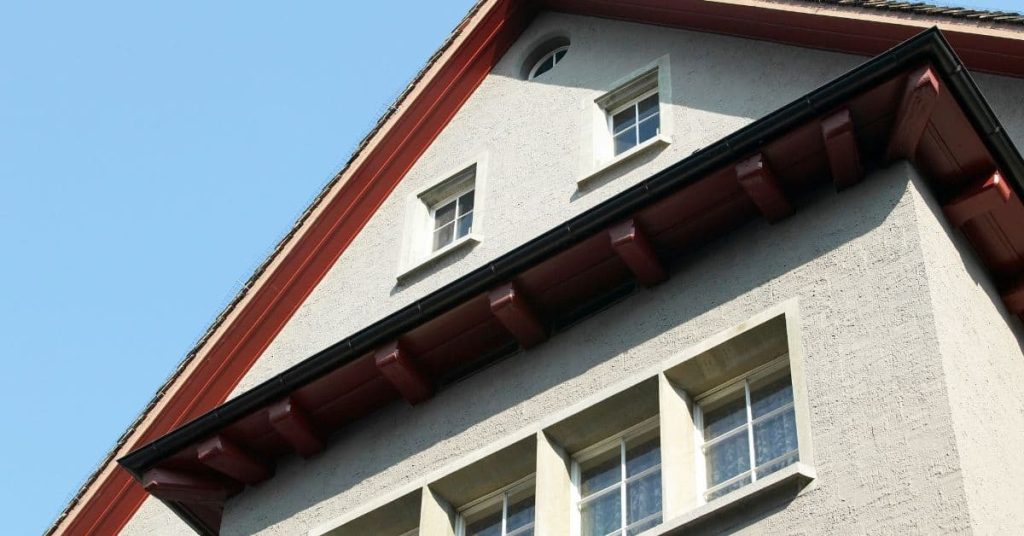
Close up of stucco exterior wall under windows with roof eaves

Water Staining on Stucco Under Windows: Causes and better details

Introduction Water staining on stucco under windows is damp marks caused by moisture seeping or condensing near the window area. It often shows as brown, gray, or darker streaks and can come from leaks, condensation, or improper flashing. Check the window flashing, sealants, and the siding above to find where moisture is entering. To address

Water Staining on Stucco Under Windows: Causes and better details Read More »

Concrete surface with small holes and surface pitting

Hairline Cracks in Countertops: Repair methods that don’t leave lines

Introduction Hairline cracks in countertops are tiny, surface-level fractures that often appear in concrete or stone slabs. They can be caused by shrinkage, temperature changes, or minor impacts during curing and use. Polishing can sometimes reveal hidden flaws, so assess the whole slab before deciding how to fix it. For repair, choose materials designed for

Hairline Cracks in Countertops: Repair methods that don’t leave lines Read More »

Hand painting white paint on wooden door panel

How to Stop Door Paint From Sticking: Cure time, blocking, and topcoat choices

Introduction Door paint sticking happens when the finish doesn’t dry fully or cures unevenly. Give each coat enough cure time and choose a topcoat that suits door surfaces to prevent sticking. Check the product label and local rules for drying times and recommendations. Use a finish approved for doors and follow thinning or application guidance

How to Stop Door Paint From Sticking: Cure time, blocking, and topcoat choices Read More »