Search Results for: disposal of cement waste

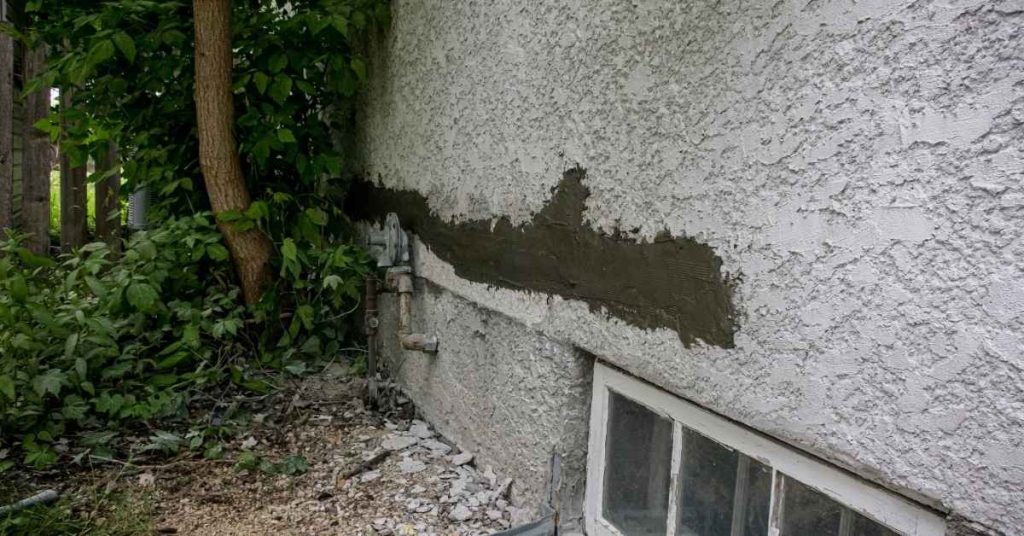
Patch of dark wet stucco on white stucco wall near window

Fixing a Patch That Cures Too Fast: Re-wetting Rules and When It’s Already Lost

Introduction A patch that cures too fast is a concrete repair that dries or stiffens before you get a proper surface set, risking weak bonding. Keep the patch and surrounding surface moist with light, even misting and shade as long as the material remains workable. Don’t let it puddle or dry out too quickly, and […]

Fixing a Patch That Cures Too Fast: Re-wetting Rules and When It’s Already Lost Read More »
Stone water well with bucket hanging from pulley system

How to Prevent Concrete ‘Mud Cracks’ in Patches: Water Control and Layer Thickness

Introduction Mud cracks in patches occur when water leaves the mix faster than the concrete sets and the patch is too thick. Keep forms tight and manage moisture so the surface cures evenly, not with a runny or dry edge. Always check the product label or local guidance for curing and thickness recommendations before you

How to Prevent Concrete ‘Mud Cracks’ in Patches: Water Control and Layer Thickness Read More »

Concrete beams with exposed rebar on construction site

Salt-Finish Concrete on Small Projects: Timing, Cleanup, and Sealing Without Haze

Introduction Salt-finish concrete is a decorative surface created by applying and later washing away salt to expose a textured layer. On small projects, it’s a practical way to add grip and character, but timing and technique matter for a clean look. Always check manufacturer guidelines for how long to work the surface, how to apply

Salt-Finish Concrete on Small Projects: Timing, Cleanup, and Sealing Without Haze Read More »

Hand painting interior wall corner with roller

Painting Over Powdery Masonry: Consolidants vs Primers and When to Repoint First

Introduction Consolidants and primers are coatings used on powdery masonry to stop dusting and ready the wall for paint. Consolidants penetrate and bind loose material, while primers create a sealed, paint-ready surface. Choose based on the condition of the masonry and follow manufacturer instructions. If the masonry is badly eroded or the joints crumble, repointing

Painting Over Powdery Masonry: Consolidants vs Primers and When to Repoint First Read More »

painted concrete porch floor with chairs and small table

Concrete Floor Paint Blistering Months Later: Vapor Drive vs Cleaning Residues

Introduction Blistering on a finished concrete floor is when paint bubbles and lifts away months after you painted. Two common culprits are vapor drive from the slab and leftover cleaning residues. Both causes require different fixes, so identify which is at fault before touching up. To tell which is the cause, check for moisture or

Concrete Floor Paint Blistering Months Later: Vapor Drive vs Cleaning Residues Read More »

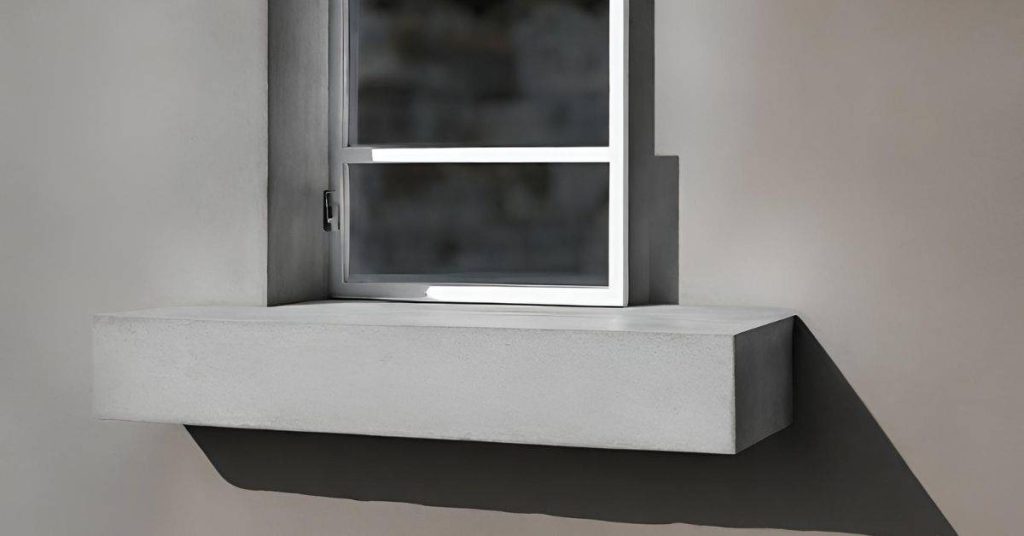
Concrete window sill beneath an open window

Removing Silicone Smears From Concrete: Why Sealers Fish-Eye and How to Fix It

Introduction Silicone smears on concrete are leftover sealant residues that can ruin a finish. They create spots where new coatings won’t adhere properly. That adhesion gap is what we mean by fish-eye and it shows up as specks or craters. Plan a careful cleanup: choose a remover that matches the sealant and the concrete, and

Removing Silicone Smears From Concrete: Why Sealers Fish-Eye and How to Fix It Read More »

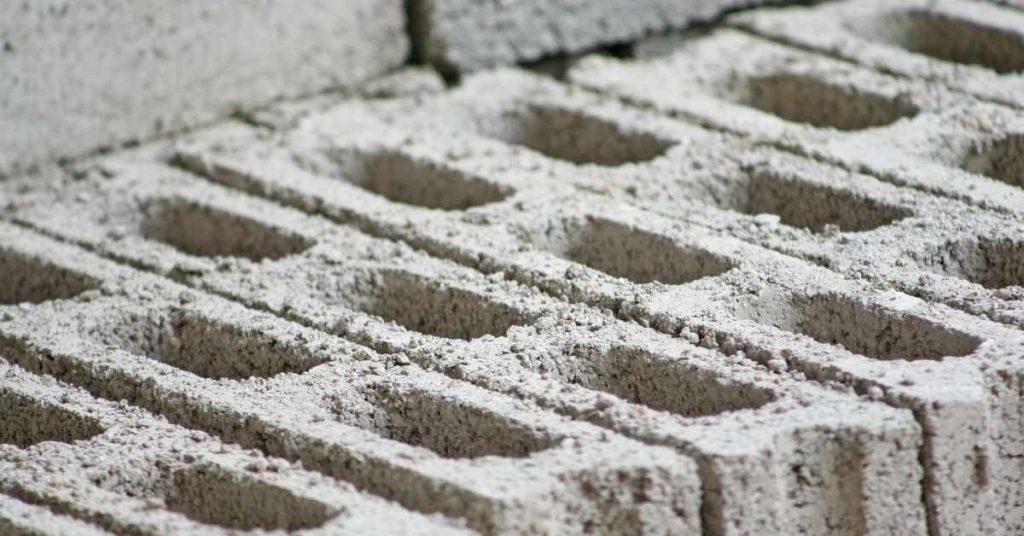
Closeup of stacked gray concrete cinder blocks

Removing Mulch Dye Stains on Concrete: Why They Stick and How to Lift Them

Introduction Mulch dye stains are color residues left on concrete after mulch pigments dry. Key takeaways Act quickly on fresh dye stains; blot, rinse, and avoid spreading. Identify stain type before treatment: dye stain, discoloration, or finish film. Test cleaner on a small area first to prevent damage. Use least-aggressive methods in sequence; wear eye/skin

Removing Mulch Dye Stains on Concrete: Why They Stick and How to Lift Them Read More »

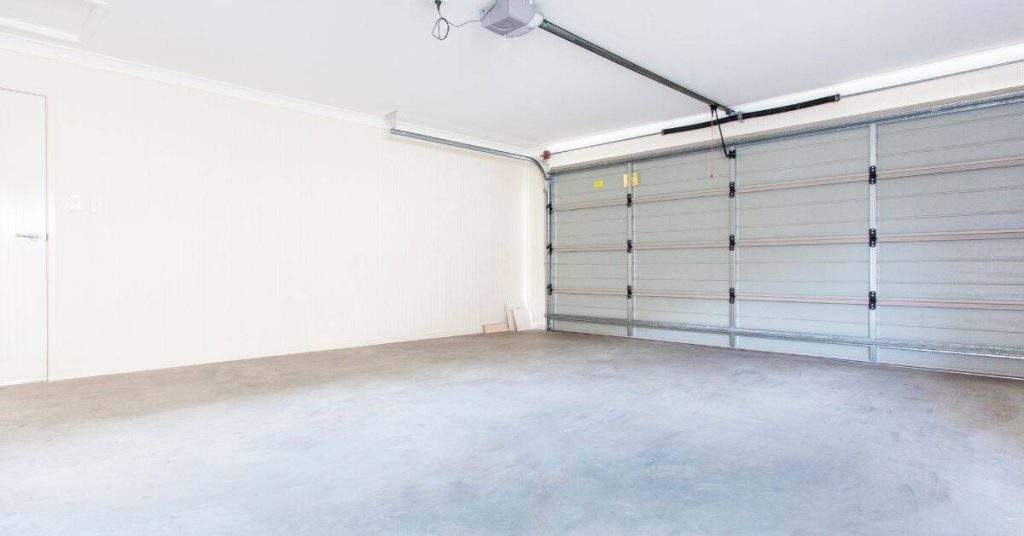
Empty residential garage with concrete floor and closed garage door

Cleaning Concrete After Fertilizer Spills: Salts, Staining, and Rinse Rules

Introduction Cleaning concrete after fertilizer spills involves removing salts and stains while rinsing away residue. Fertilizers can leave mineral salts that pull water from the surface and leave pale or dark spots. This guide keeps it practical for DIY work and warns you to follow product labels and local rules. Start by rinsing the area

Cleaning Concrete After Fertilizer Spills: Salts, Staining, and Rinse Rules Read More »

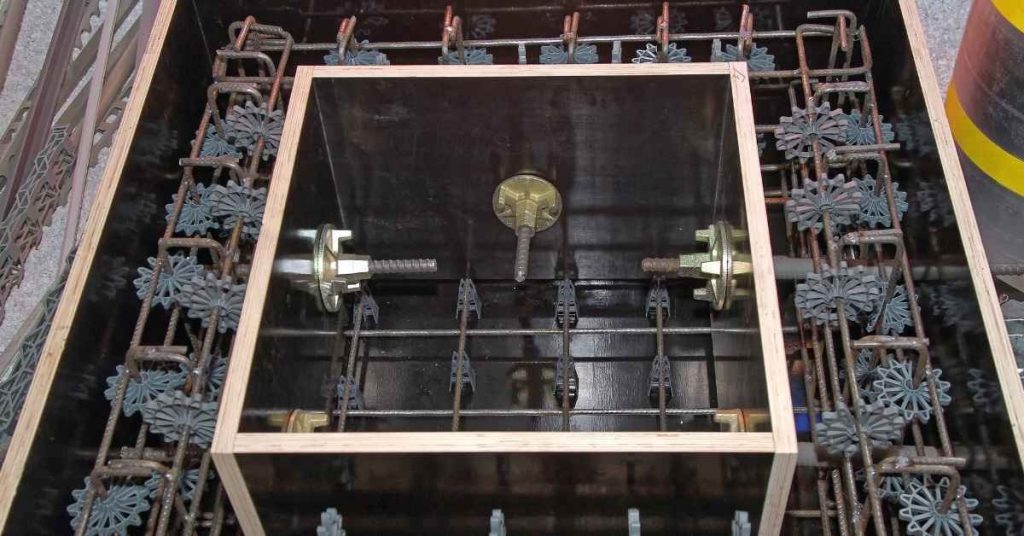
Concrete formwork with rebar and spacer components inside

Concrete Spall Repairs at Rebar: Cleaning Standards, Corrosion Protection, and Patch Build-up

Introduction Concrete spall repairs at rebar involve cleaning the damaged area, exposing corroded steel, and rebuilding the surface. This is a hands‑on task you can handle with basic tools, patience, and attention to safety. You’ll focus on cleaning to remove loose material, protecting rebar from further corrosion, and patching with compatible concrete. Check manufacturer instructions

Concrete Spall Repairs at Rebar: Cleaning Standards, Corrosion Protection, and Patch Build-up Read More »

Person applying joint compound near window on drywall corner

Setting-Type Compound on Plaster: When Hot Mud Beats Topping Compound

Introduction Setting-Type Compound on Plaster is a fast-setting patching material that cures through a chemical reaction, not just by drying. On plaster walls, it can provide a hard, sandable surface and may cut touch-up time compared to traditional topping compounds. Check label instructions and local rules for mix ratios, open time, and ventilation before starting.

Setting-Type Compound on Plaster: When Hot Mud Beats Topping Compound Read More »