Search Results for: disposal of cement waste

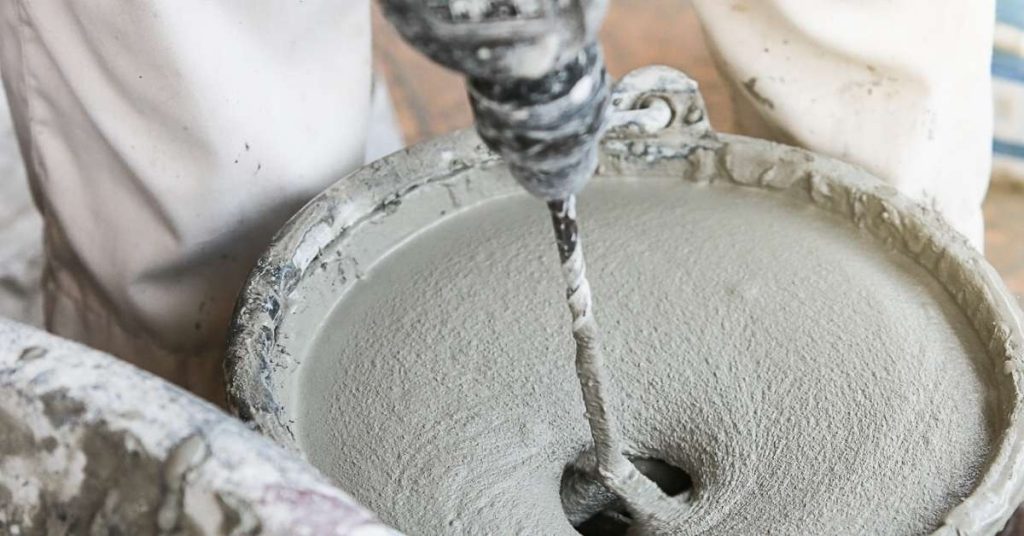
Electric mixer blending cement in a bucket

Cleaning concrete and mortar mixers and paddles: preventing rust flakes and stuck cement rings

Introduction Cleaning concrete and mortar mixers and paddles involves removing cement residue, grime, and surface rust to ensure smooth operation and prevent rust flakes or cement rings from forming. This routine maintenance extends equipment life and maintains consistent mixing results. Use simple steps and ordinary shop tools for this hands-on task. Select cleaning methods and […]

Cleaning concrete and mortar mixers and paddles: preventing rust flakes and stuck cement rings Read More »

Closeup of three steel lag screws with hex heads

Rusting steel lintels over brick openings: expansion cracks, temporary fixes, and proper replacement

Introduction Rusting steel lintels over brick openings are corroded structural supports that span the opening and can threaten the masonry. Early signs include rusty stains, cracking joints, and subtle movement around the opening. These issues arise from moisture, age, or poor installation and call for careful assessment before any fixes. Addressing them involves identifying causes

Rusting steel lintels over brick openings: expansion cracks, temporary fixes, and proper replacement Read More »

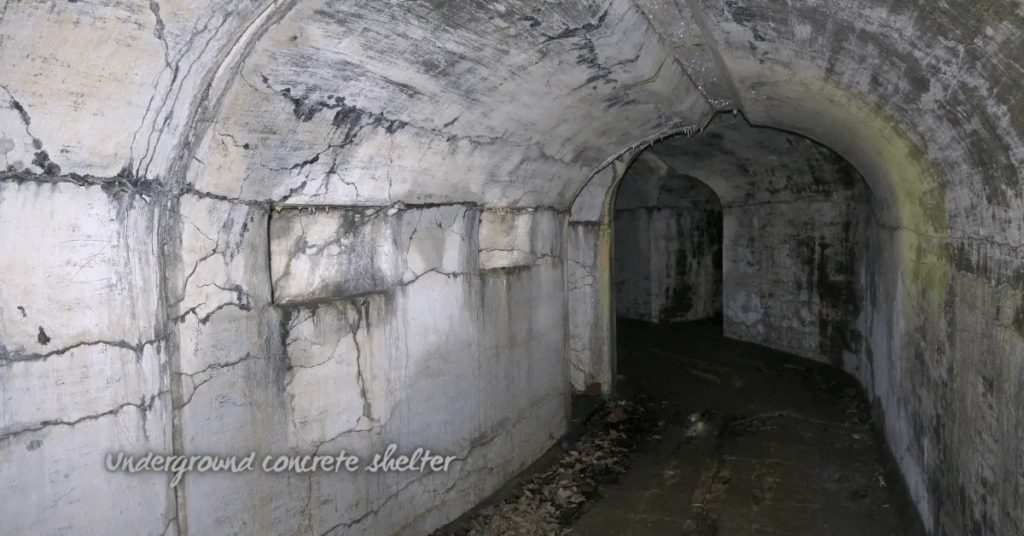
Cracked concrete walls and ceiling inside underground tunnel

Concrete Overlay Vs Full Replacement: a Decision Guide Based on Movement, Moisture, and Thickness

Introduction Concrete overlay is a thin surface layer applied over an existing floor to refresh or repair it without removing the old substrate. Full replacement requires removing the existing concrete and pouring a new slab or substrate. Both options have tradeoffs in durability, cost, and installation time. Choosing between them depends on movement, moisture, and

Concrete Overlay Vs Full Replacement: a Decision Guide Based on Movement, Moisture, and Thickness Read More »

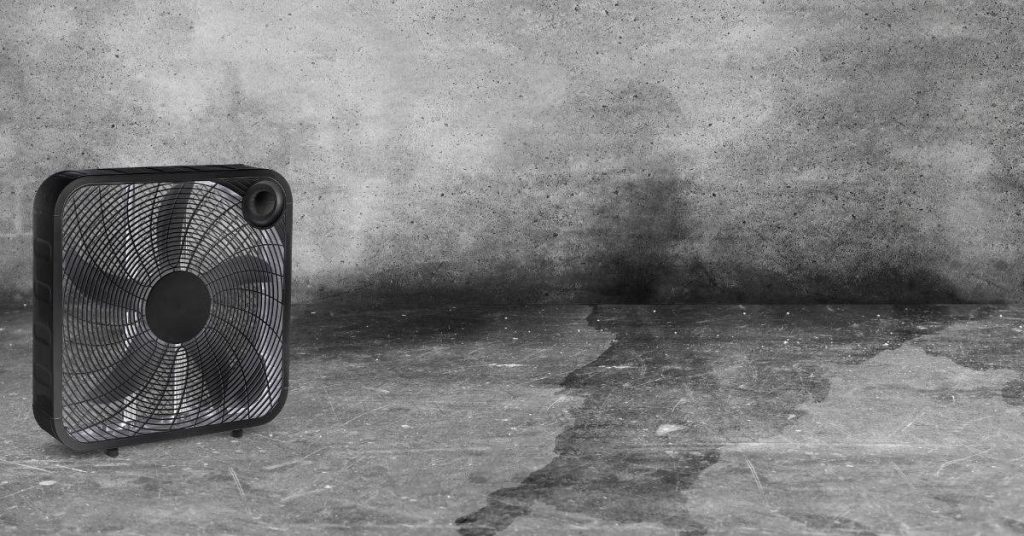
black box fan on concrete floor with dark moisture stains on wall and floor

Overlay vs full replacement: a decision guide based on movement, moisture, and thickness

Introduction Overlay vs full replacement is a choice between patching a deck with an overlay or tearing it out and rebuilding, based on movement, moisture, and thickness. For overlays, assess whether the existing concrete can accept an overlay without excessive cracking or movement, and follow manufacturer instructions and local rules. If movement is high or

Overlay vs full replacement: a decision guide based on movement, moisture, and thickness Read More »

White concrete mixer truck parked on dirt under clear sky

Heaved Sidewalk Fixes in Concrete: Mudjacking vs Polyjacking vs Full Replacement

Introduction This article compares three concrete repair options for a heaved sidewalk: mudjacking, polyjacking, and full replacement. Mudjacking uses a cement slurry to lift the slab from below, while polyjacking uses a foam material to fill voids and lift. Full replacement means removing the old slab and pouring a new one. Each method has its

Heaved Sidewalk Fixes in Concrete: Mudjacking vs Polyjacking vs Full Replacement Read More »

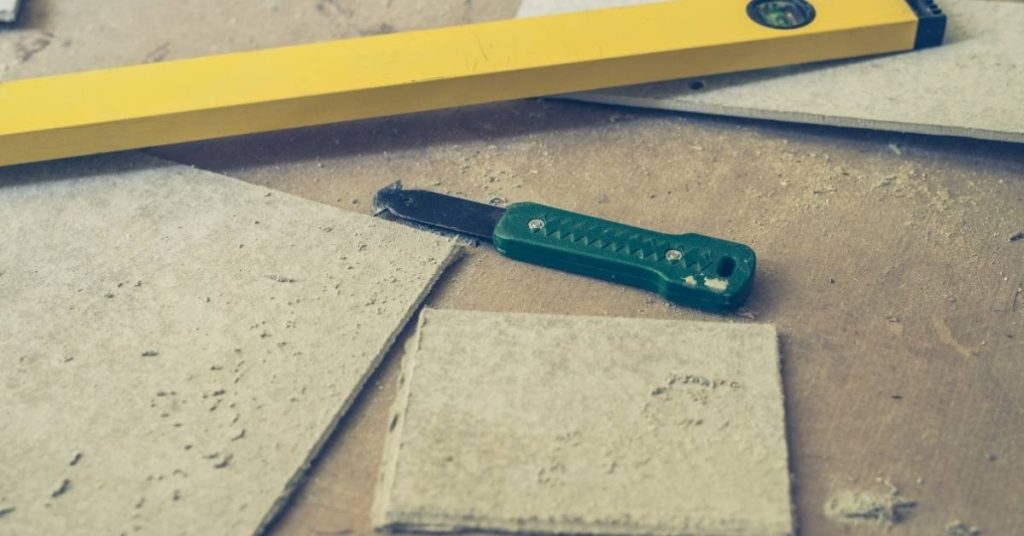
Yellow level tool and green cutting knife on concrete board pieces

Cement Shelf-Life Reality: How Storage Conditions Change Set Time and Strength

Introduction Cement shelf-life is the window during which stored cement stays workable and can reach intended strength when mixed. Storage conditions like moisture, temperature, and how long it sits affect how fast it sets and how strong the final pour will be. In practice, poor storage tends to shorten set time and reduce final strength.

Cement Shelf-Life Reality: How Storage Conditions Change Set Time and Strength Read More »

Person painting a metal pipe white near wooden floor and radiator

Painting Over Chalky Fiber Cement: Cleaning Thresholds and Primer Choices

Introduction Painting over chalky fiber cement means you must remove, neutralize, and prime a rough, powdery surface before any paint sticks. Rinse and scrub the surface to remove chalk, dust, and debris. Choose a primer that keys to the chalky layer and a weatherproof topcoat, and follow label directions. Watch for signs like flaking, chalking,

Painting Over Chalky Fiber Cement: Cleaning Thresholds and Primer Choices Read More »

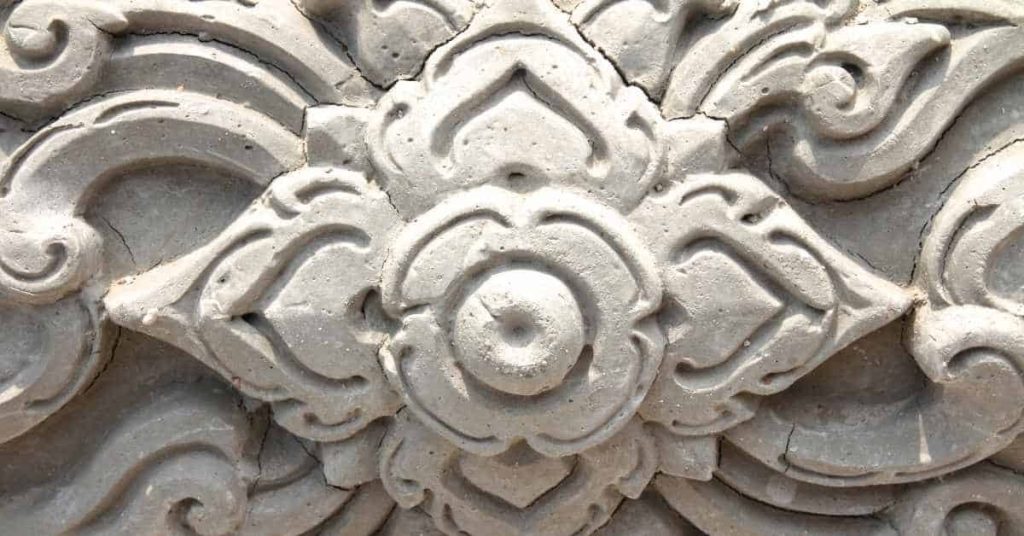
Decorative plaster floral relief with visible cracks

Fixing Plaster Cracks Above Doorways: Stress Relief Cuts and Reinforcement Choices

Introduction Stress-relief cuts and reinforcement help fix plaster cracks above doorways by reducing tension and adding support. I’ll show you how to identify the crack pattern and decide if you need cuts, mesh, or patching compound. This is a hands-on job you can do with common tools, but check your plaster type and any local

Fixing Plaster Cracks Above Doorways: Stress Relief Cuts and Reinforcement Choices Read More »

Closeup of dark wooden floorboards with knots

Cast Concrete Sinks: Drain Reinforcement, Sealing Choices, and Stain-Proofing Reality

Introduction Cast concrete sinks are sinks formed by pouring concrete into a mold and letting it cure into a finished bowl. They require drain area reinforcement and careful form work to avoid cracking around the outlet. Sealing choices vary, and the reality is that stain resistance depends on the finish and maintenance. GRC, traditional concrete,

Cast Concrete Sinks: Drain Reinforcement, Sealing Choices, and Stain-Proofing Reality Read More »

Paintbrush with white paint against white background

Mixing Pigments With White vs Gray Cement: Controlling Undertone and Saturation

Introduction Pigments are color additives you mix into cement to change its look, and using white or gray cement sets the undertone you’ll work from. In practice, you’ll notice white cement tends to brighten and cool things, while gray gives a neutral base that can lean warm or cool depending on the pigment. Start with

Mixing Pigments With White vs Gray Cement: Controlling Undertone and Saturation Read More »