Search Results for: curing

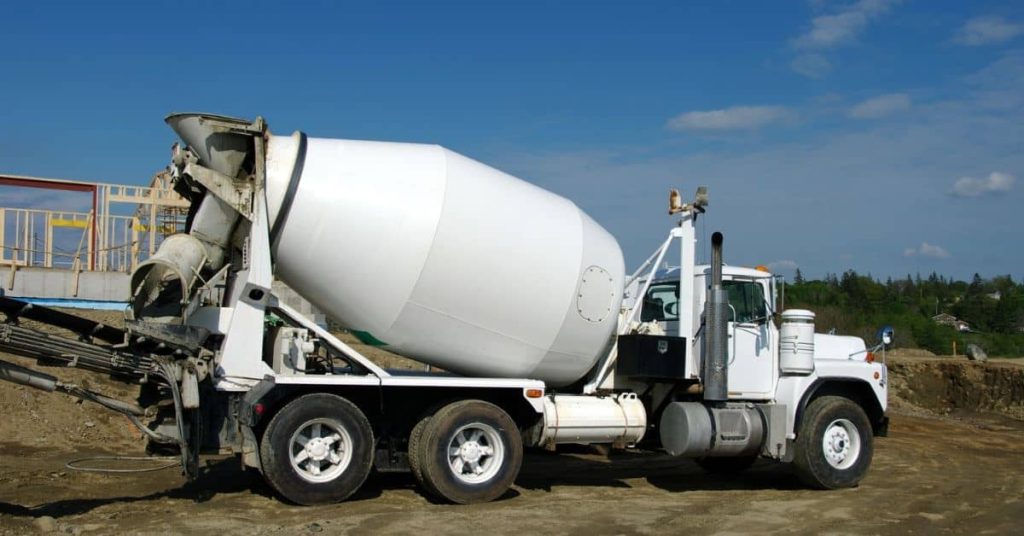
White concrete mixer truck at a construction site

Water Reducer vs Extra Water: How to improve workability without weakening concrete

Introduction Water reducers are additives that improve workability without adding extra water. They help concrete flow and finish smoother, so you can spread and trowel more easily while keeping the mix consistent. Check the product label and manufacturer guidance to use them safely on your project. Adding extra water can make work easier in the

Water Reducer vs Extra Water: How to improve workability without weakening concrete Read More »

Stone water well with wooden bucket and pulley system

Concrete Mixing Water Temperature: How hot or cold water changes set time

Introduction Water temperature can affect how quickly concrete starts to set. Using water that is too hot or too cold can change workability and the rate of early strength gain. For a DIY job, check the mix instructions and local guidelines to choose a safe water range. Always confirm with the supplier or jobsite code

Concrete Mixing Water Temperature: How hot or cold water changes set time Read More »

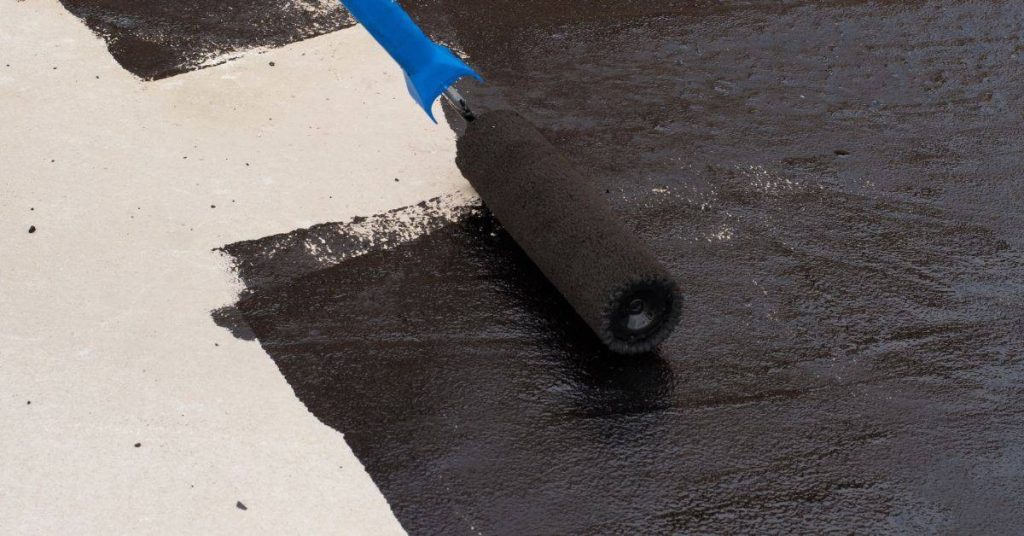
Paint roller applying black sealer on concrete surface

Concrete Sealer Recoat Windows: Why ‘too soon’ and ‘too late’ both cause problems

Introduction A concrete sealer recoat is best done when the surface is ready to bond again, so applying too soon or too late can cause problems. If you seal too soon, the new coat may not adhere well or cure correctly. If you wait too long, contaminants or the old film can prevent proper bonding.

Concrete Sealer Recoat Windows: Why ‘too soon’ and ‘too late’ both cause problems Read More »

paintbrush wooden stick metal can opener on wood surface

Neutralizing After Acid Stain: Rinsing until it’s truly clean and stable

Introduction Neutralizing after acid stain means stopping the chemical reaction and restoring a stable pH before rinsing and sealing. In practice, you rinse and treat the surface to remove residual acid, then wipe or scrub as needed. This is a hands-on step that affects color, consistency, and how the sealer will grab. Gather basic tools

Neutralizing After Acid Stain: Rinsing until it’s truly clean and stable Read More »

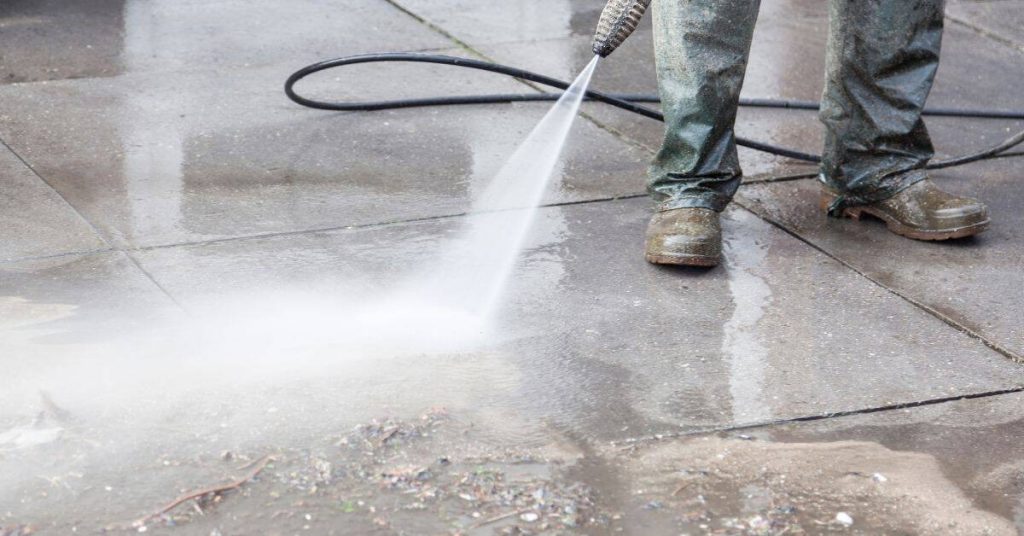
Close-up of peeling white concrete sealer on wall surface

Peeling Concrete Sealer: The moisture and prep mistakes that cause failure

Introduction Peeling concrete sealer happens when a coating lifts away from the concrete rather than sticking. Moisture coming up from the slab and poor surface prep are common causes. We’ll cover the practical mistakes DIYers run into and how to spot them before sealing. Make sure the surface is clean and porous enough to accept

Peeling Concrete Sealer: The moisture and prep mistakes that cause failure Read More »

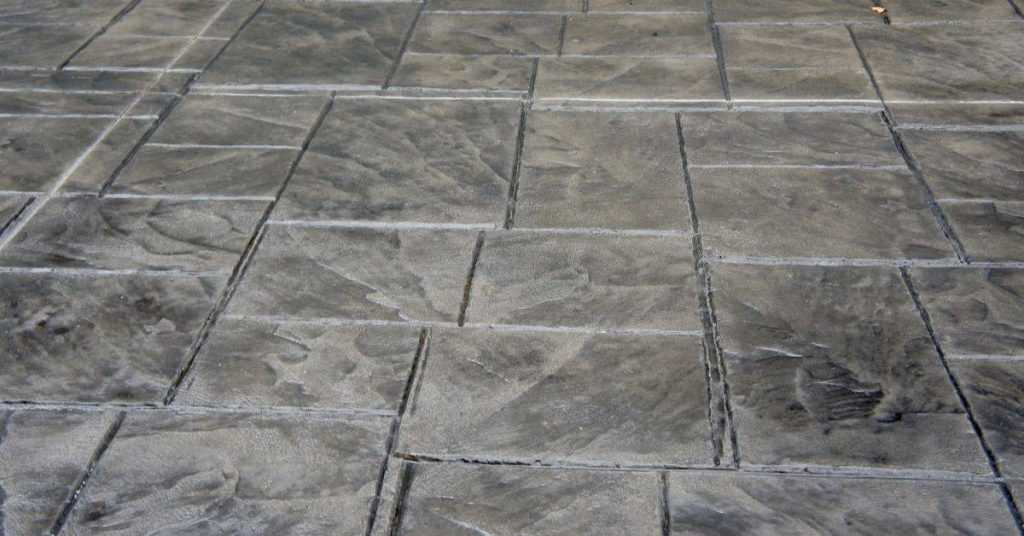
Stamped concrete patio surface with visible texture and seams

Bubbles in Concrete Sealer: Causes, prevention, and how to repair them

Introduction Bubbles in concrete sealer are air pockets that form in the film as you apply it and during curing. They usually come from trapped air, fast application, or surface moisture and dust. Always check the product label and follow surface prep steps for best results. To prevent them, apply thin, even coats and backroll

Bubbles in Concrete Sealer: Causes, prevention, and how to repair them Read More »

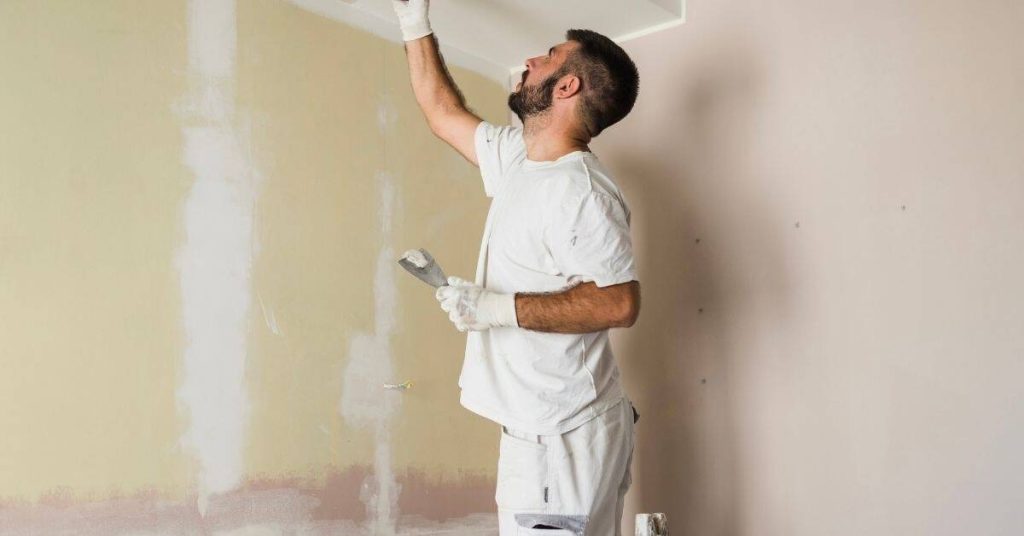
Man patching plaster on interior wall with putty knife

Patching Clay Plaster: Matching texture and color without a patch ring

Introduction Patching clay plaster means repairing damaged plaster by blending fresh material with the surrounding texture so the patch isn’t obvious. This guide treats texture and color matching as a hands-on, jobsite task you can do with basic tools. You’ll work in small steps, testing on a scrap area first. Start by cleaning the area,

Patching Clay Plaster: Matching texture and color without a patch ring Read More »

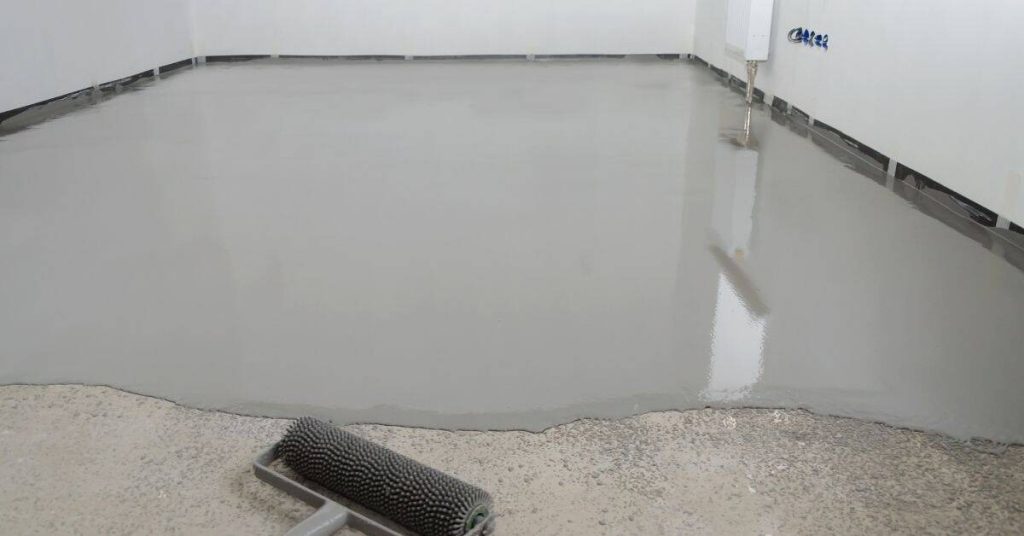
Freshly applied self-leveling concrete floor with roller

Microtopping Problems: Preventing bubbles, pinholes, and delamination

Introduction Microtopping problems are defects like bubbles, pinholes, and delamination that happen when a thin decorative concrete layer can’t bond or level properly. This article covers straightforward, hands-on steps to prevent them during mixing, prep, and application. You’ll also see how surface preparation and choosing self-leveling options can help you get a smoother, longer-lasting finish.

Microtopping Problems: Preventing bubbles, pinholes, and delamination Read More »