Search Results for: curing

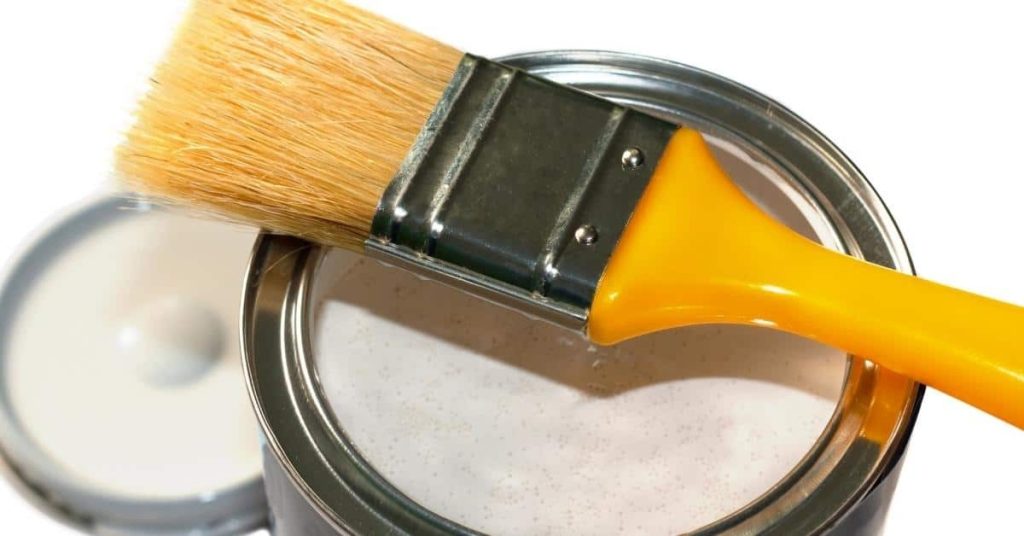
Paintbrush resting on an open can of white paint

Brush Drag and Pulling Paint: Why it happens and how to improve flow

Introduction Brush drag and pulling paint happen when the brush edge catches and drags on the surface, causing uneven flow. It’s usually caused by a combination of stiff paint, a too-dry brush, and rough or improper surface prep. Understanding these cues helps you adjust your approach on the job. To improve flow, load the brush […]

Brush Drag and Pulling Paint: Why it happens and how to improve flow Read More »
Paint brushes and roller on paint tray with orange paint

Paint Cratering: Oils, cleaners, and residue that cause defects

Introduction Paint cratering is the appearance of crater-like defects on a painted surface caused by oils, cleaners, or residue left on the material before painting. These contaminants disrupt how the paint film bonds, leaving dull spots and pinholes as it dries. In DIY work, it often happens after rushed cleaning or using unsuitable cleaners. To

Paint Cratering: Oils, cleaners, and residue that cause defects Read More »

Worker in protective gear spray painting metal beams indoors

Painting Over Powder Coat: When it’s possible and how to prep correctly

Introduction Painting over powder coat means applying paint directly on a powder-coated surface after proper prep. It can work, but only if the surface is clean, sound, and properly prepared. If you’re unsure, check the primer and paint labels for compatibility and follow local rules. Prep should start with a thorough cleaning, roughing the gloss,

Painting Over Powder Coat: When it’s possible and how to prep correctly Read More »

Opened can of white paint on white background

Reducing Paint Odor Indoors: Ventilation plans that work in winter

Introduction Reducing paint odor indoors means actively moving air to exchange fumes for fresher air. In winter, that means coordinating openings, fans, and timing so fumes don’t linger. Always check product labels and local rules for any ventilation warnings before you start. Plan a simple airflow path: bring in fresh air from a lower‑level opening

Reducing Paint Odor Indoors: Ventilation plans that work in winter Read More »

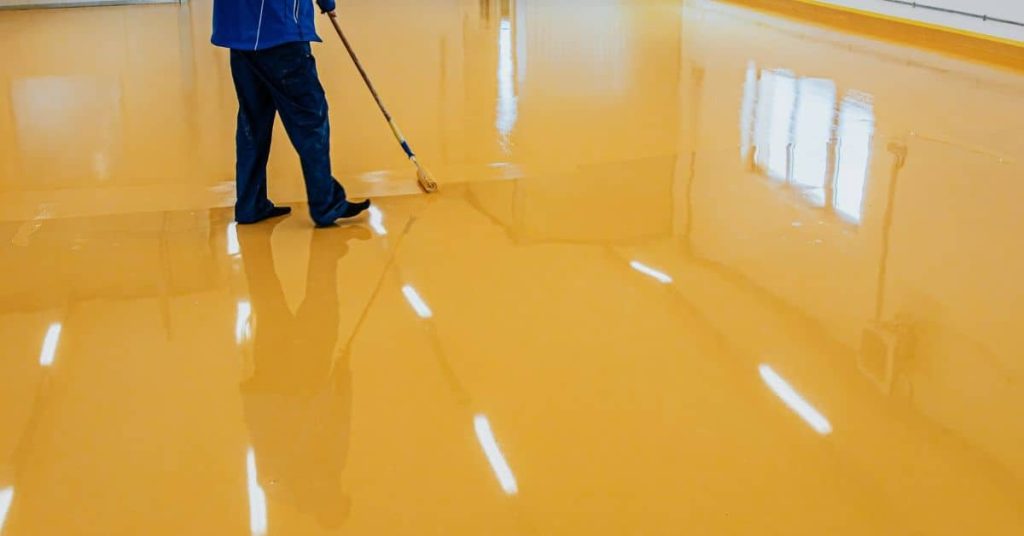
Person applying yellow epoxy floor coating with roller

Bubbles in Epoxy: Where they come from and how to stop them

Introduction Bubbles in epoxy are air pockets that form during mixing and pouring. They come from trapped air, improper mixing, or surface contamination. Taking care during prep and curing helps reduce them. Minimize bubbles by following the product’s mixing instructions and preparing the surface before pouring. Pour slowly, avoid stirring air into the resin, and

Bubbles in Epoxy: Where they come from and how to stop them Read More »