Search Results for: curing

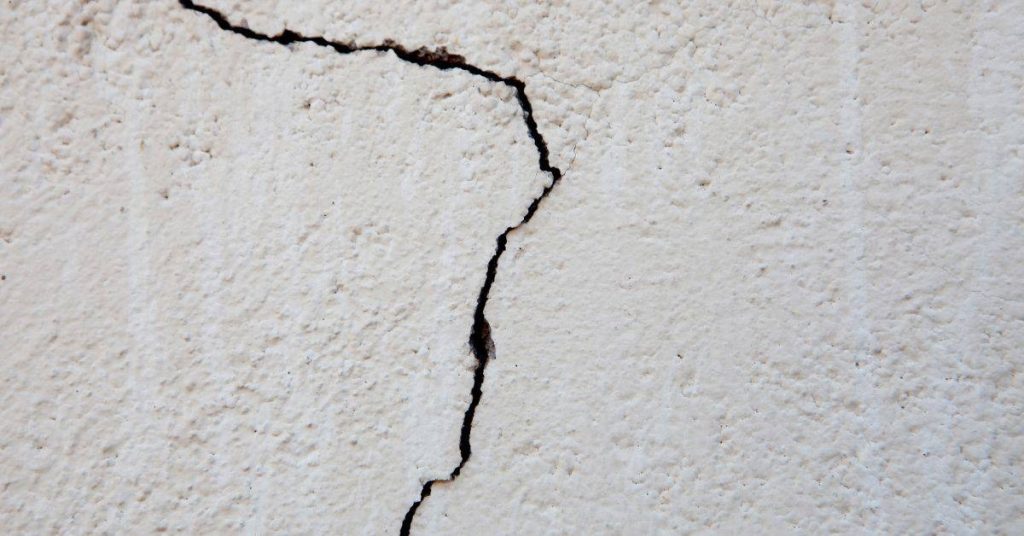
Closeup of stucco surface with a visible crack

Curing Stucco Patches in Heat and Wind: Mist Schedules and Weak-Finish Prevention

Introduction Curings stucco patches in heat and wind means maintaining a light, frequent mist to keep the surface from drying too fast and cracking. Misting is usually done on a schedule you adjust to the day, shielding the patch from direct sun when needed. Always monitor the patch for dryness, and check product and local […]

Curing Stucco Patches in Heat and Wind: Mist Schedules and Weak-Finish Prevention Read More »
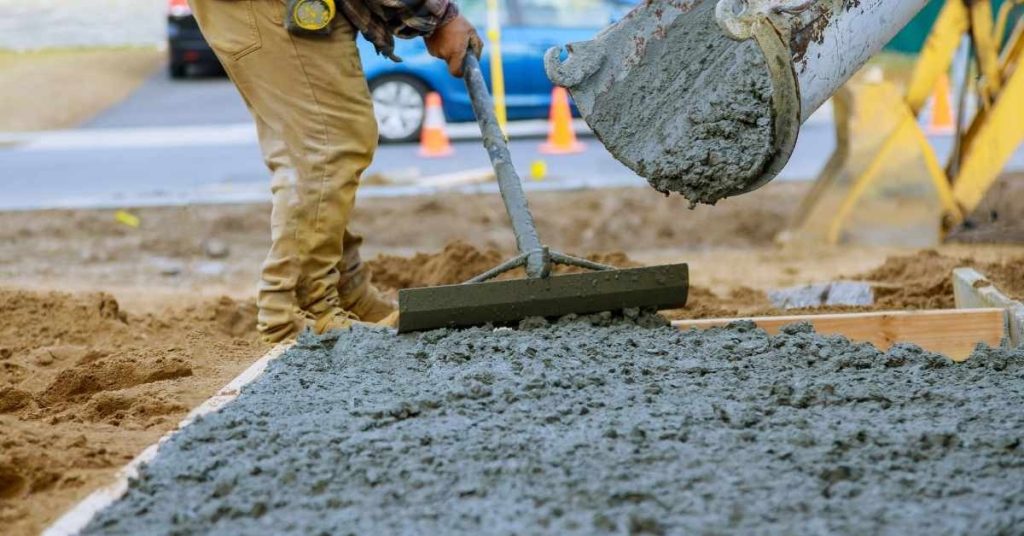
Worker smoothing wet concrete with rake near pouring excavator

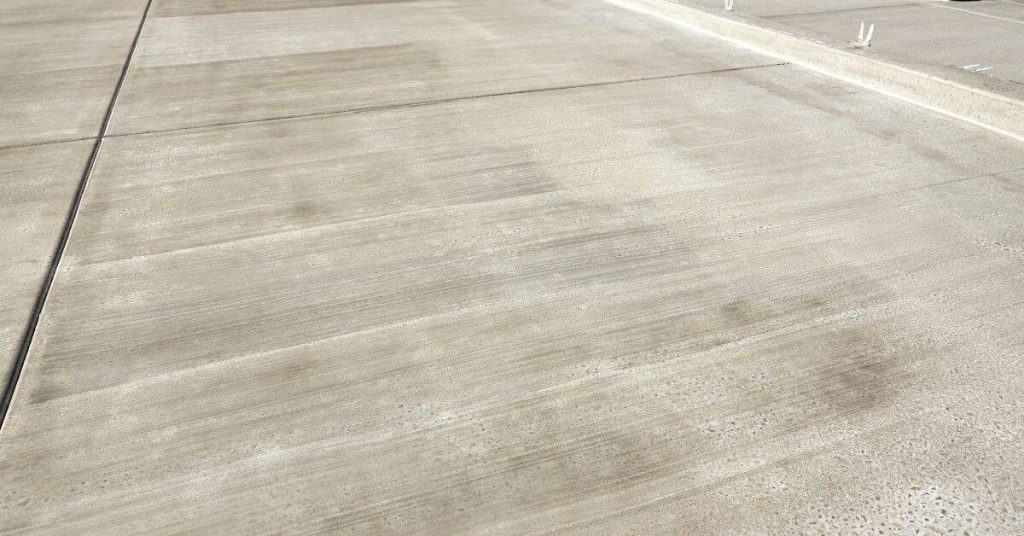
Concrete Discoloration From Plastic Curing: Preventing ‘Tarp Lines’ and Blotches

Introduction Concrete discoloration from plastic curing happens when the surface dries unevenly under plastic sheeting, creating lighter and darker patches. Tarp lines and blotches form where edges or wrinkles trap moisture or restrict evaporation. That’s a common DIY issue when you want a smooth, uniform finish without waiting longer. To prevent it, lay the plastic

Concrete Discoloration From Plastic Curing: Preventing ‘Tarp Lines’ and Blotches Read More »

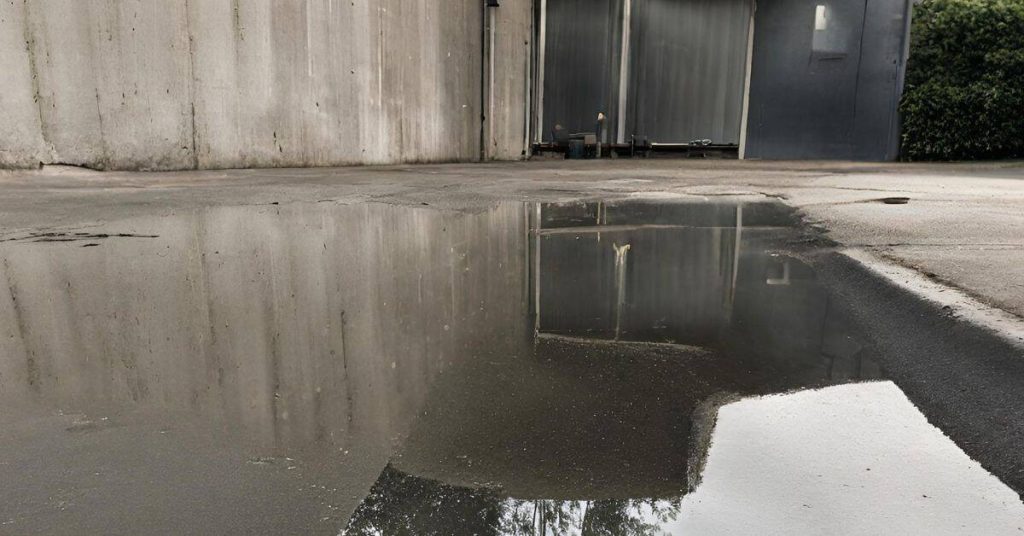
Concrete floor with large water puddle near wall

Concrete Dark Spots After Cure: Water, Curing Plastic, or Contamination—How to Tell

Introduction Dark spots on cured concrete usually indicate moisture issues, improper curing, or contamination. This article will help you tell which cause is at play and what to check on a DIY jobsite. We’ll cover practical signs to look for and simple checks you can do with common tools. Curing methods include keeping moisture with

Concrete Dark Spots After Cure: Water, Curing Plastic, or Contamination—How to Tell Read More »

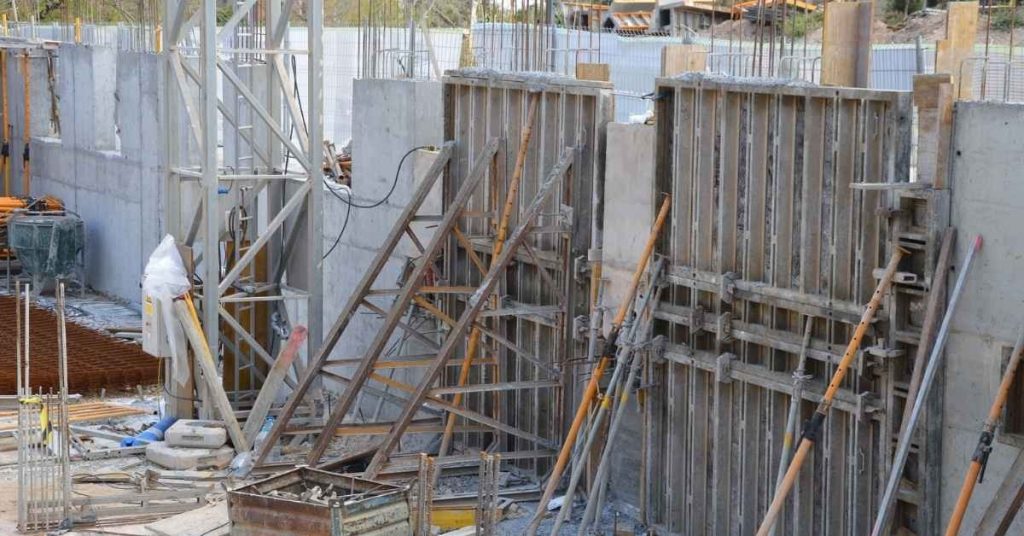
Concrete wall formwork with bracing supports at construction site

How to Fix Concrete That Starts Dusting Early: Curing Mistakes and Densifier Options

Introduction Dusting concrete early means the surface is wearing away, leaving a chalky film. It often comes from curing mistakes that kept the slab too dry or too wet during early hardening. This basic guide covers how to spot it and what you can do next. Densifiers and similar surface hardeners can help bind the

How to Fix Concrete That Starts Dusting Early: Curing Mistakes and Densifier Options Read More »

Concrete driveway slab with visible discoloration and stains

Why Thin Concrete Warps: Moisture Gradients, Reinforcement, and Better Curing Setups

Introduction Thin concrete warps when uneven moisture and temperature pull the slab in different directions. Moisture gradients and the way the mix dries out interact with the slab’s thin profile to cause bowing. Reinforcement and curing setup can worsen or help the effect depending on how evenly things stay throughout the cure. To keep things

Why Thin Concrete Warps: Moisture Gradients, Reinforcement, and Better Curing Setups Read More »

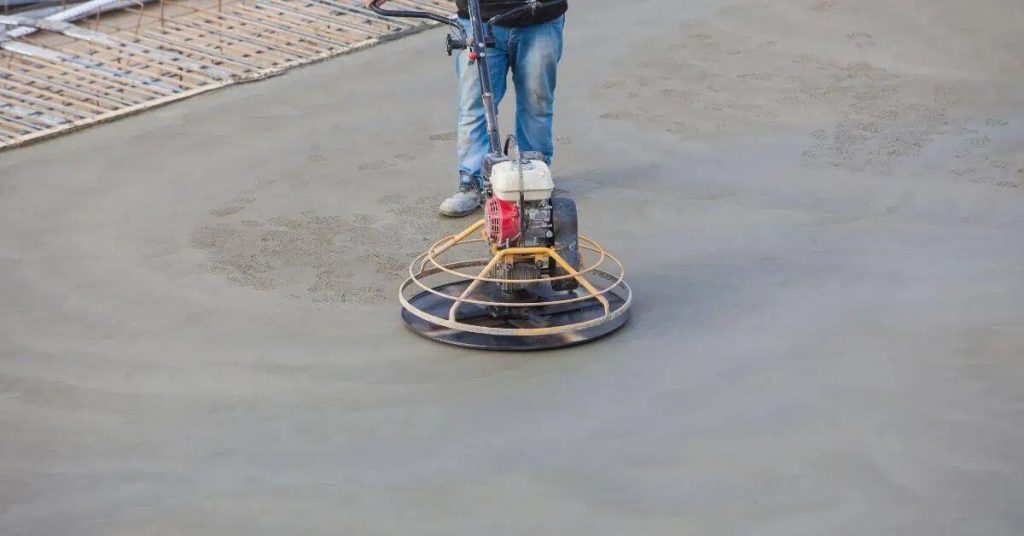
Person operating power trowel on fresh concrete surface

Concrete Finishing at High Altitude: Evaporation Spikes, Set Time Changes, and Curing Adjustments

Introduction Concrete finishing at high altitude means adjusting your process and materials to account for thinner air and changing weather so the slab cures properly and finishes stay intact. Keep the surface protected from rapid evaporation by scheduling pours for cooler parts of the day, covering with appropriate material soon after finishing, and watching wind

Concrete Finishing at High Altitude: Evaporation Spikes, Set Time Changes, and Curing Adjustments Read More »

fresh concrete partially poured on rough surface

Using Burlap for Wet Curing: How to Keep It Wet Without Staining the Surface

Introduction Burlap can be used to keep concrete moist during curing without staining the surface when applied correctly. This method relies on evenly saturated burlap laid over the fresh pour and kept moist. Check the burlap material and manufacturer guidance for suitability and any surface protection needs. Choose burlap that is plain and untreated, and

Using Burlap for Wet Curing: How to Keep It Wet Without Staining the Surface Read More »

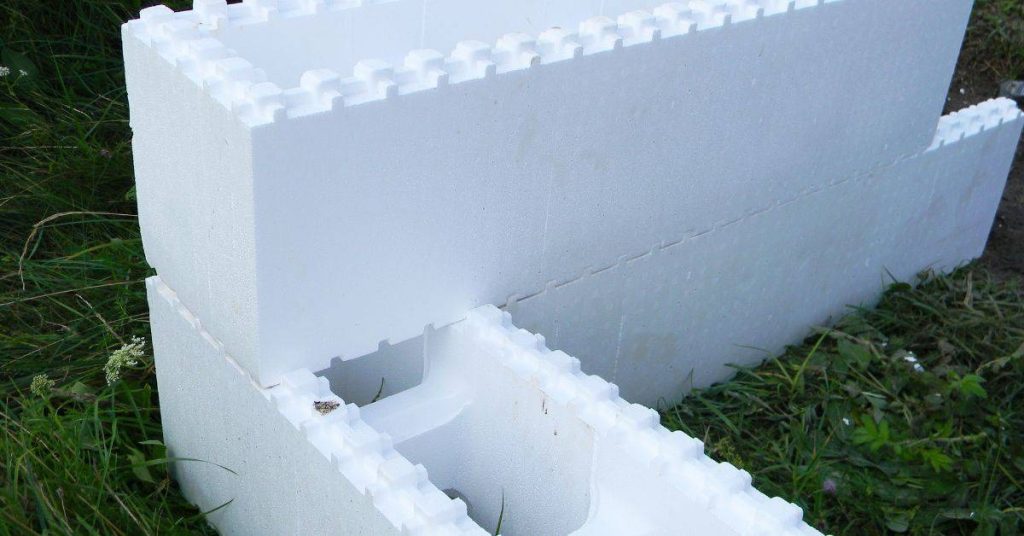
White insulated concrete forms stacked outside on grass

Curing Blankets and Insulated Tarps: Preventing Early Freeze Without Overheating

Introduction Curing blankets and insulated tarps are coverings used to shield soil and plants from early freezing while preventing overheating. In DIY terms, you can drape them over beds and secure edges with stakes or weights. Check the label for how to vent on sunny days and what materials breathe, so you don’t trap too

Curing Blankets and Insulated Tarps: Preventing Early Freeze Without Overheating Read More »

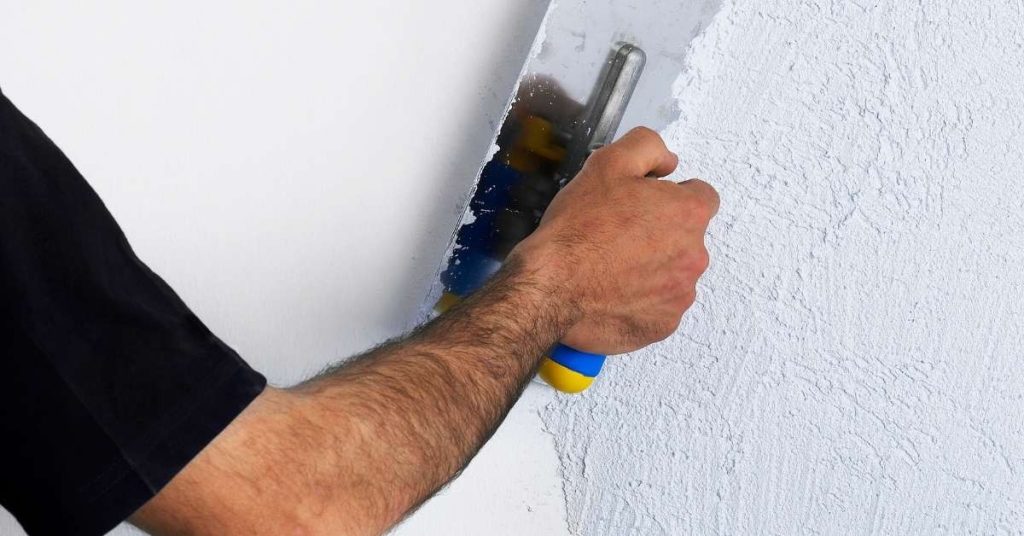
Hand applying textured plaster finish on wall with trowel

Stucco Patch Curing: Misting Schedules That Prevent Weak, Dusty Finish Coats

Introduction Misting during curing helps prevent weak, dusty finish coats on stucco patches. A light, even spray keeps the surface from drying too fast and pulling water away from the patch. Keep it consistent and watch for a slightly damp look without pooling. Set a gentle misting routine and stick with it for the full

Stucco Patch Curing: Misting Schedules That Prevent Weak, Dusty Finish Coats Read More »

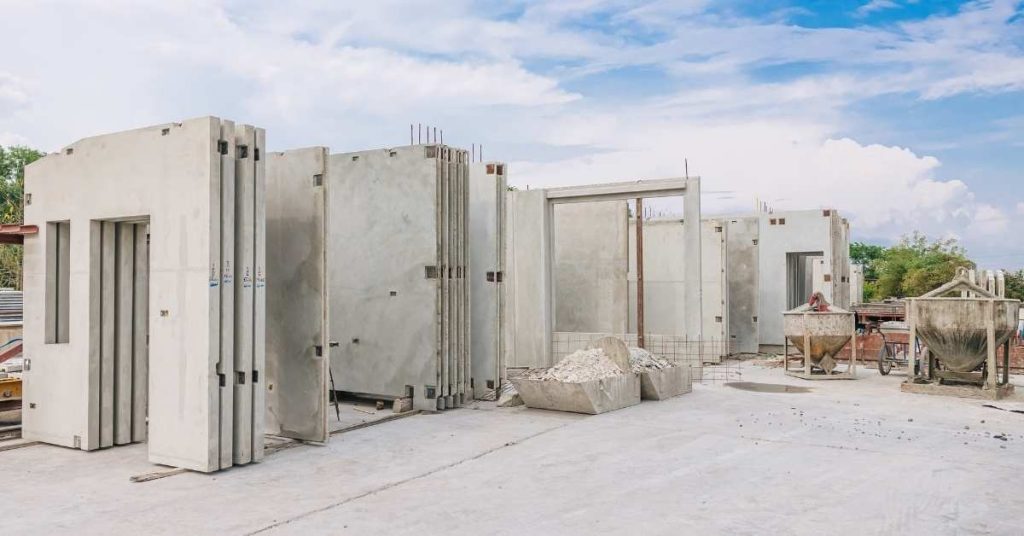
Precast concrete wall panels stored outdoors under cloudy sky

Concrete Patch Color Matching With Integral Pigment: Test Panels, Curing, and Sealer Influence

Introduction Color matching for concrete patches with integral pigment means adding pigment to the mix and comparing test panels to the target shade before a full repair. This article covers how test panels, curing, and sealer options affect the final look and help you spot mismatches early. Common mistakes include uneven coloring and blotchy finishes

Concrete Patch Color Matching With Integral Pigment: Test Panels, Curing, and Sealer Influence Read More »