Search Results for: control joint

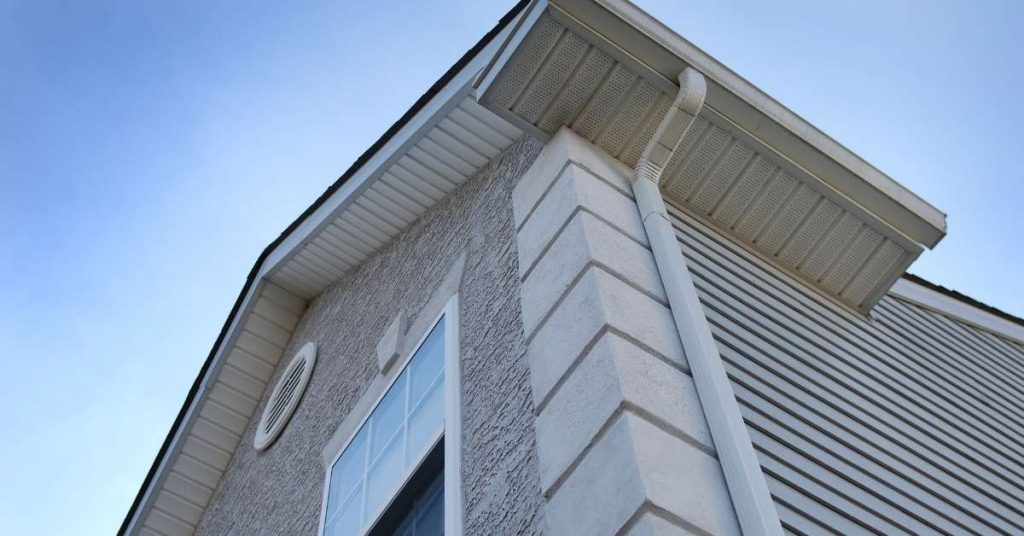
Close-up of outside stucco corner on house with clear sky

Outside Corner Stucco Damage: Stronger corner repairs that don’t chip out

Introduction Outside corner stucco damage refers to cracks or chips at the corner where two exterior walls meet. The goal is to make a repair that stays strong and looks even, without the chip coming back. This article walks you through practical, hands-on steps you can follow with common tools. You’ll want to check if […]

Outside Corner Stucco Damage: Stronger corner repairs that don’t chip out Read More »

Black freestanding bathtub on dark concrete floor

Concrete Under Heavy Shelving: Load distribution and avoiding point-load cracking

Introduction Concrete under heavy shelving means the floor must spread a concentrated weight over a larger area to prevent cracking. In plain terms, a point load is a high force on a small spot that can pinhole or crack the slab. This is a practical, hands-on issue you’ll manage by checking how the load sits

Concrete Under Heavy Shelving: Load distribution and avoiding point-load cracking Read More »

Hand applying gray stucco to exterior wall with trowel

New Stucco Over Old Stucco: When it’s safe and how to prep properly

Introduction Yes—new stucco can go over old stucco when the base is sound. Look for cracks, loose sections, and obvious moisture problems and address them. Ask about local rules and follow manufacturer instructions for the products you choose. Prepare the surface by cleaning, repairing loose areas, and ensuring a stable bond. Prime as directed and

New Stucco Over Old Stucco: When it’s safe and how to prep properly Read More »

Worker applying plaster over blue mesh on wall

Mesh Reinforcement for Stucco Patches: Overlaps, thickness, and common mistakes

Introduction Mesh reinforcement for stucco patches is a fabric mesh laid over the repair to help hold the patch in place. Follow the mesh overlap guidelines from the product label or manufacturer and ensure the mesh extends beyond the patch edges. Use the correct patch thickness and mesh type as directed, and verify compatibility with

Mesh Reinforcement for Stucco Patches: Overlaps, thickness, and common mistakes Read More »

Light gray rough stucco texture with uneven surface

Hot Weather Stucco Repairs: Preventing shrink cracks and weak patches

Introduction Hot weather stucco repairs are fixes done when heat causes the mix to dry too fast, increasing shrinkage and weak patches. Try to schedule work for the cooler parts of the day and keep the surface damp as you go. Always follow the product label and local guidelines for curing and application. Key takeaways

Hot Weather Stucco Repairs: Preventing shrink cracks and weak patches Read More »

Exterior stucco wall with multiple windows under clear sky

How to Repair Cracks Around Stucco Windows

Introduction Cracks around a stucco window can be limited finish-coat defects, a failed sealant joint, or evidence of movement or water reaching the wall behind the stucco. The crack’s location, whether it returns, moisture evidence, and how the window operates matter more than a single crack-width measurement. Related guidance: Stucco Cracks Around Windows: Common Causes

How to Repair Cracks Around Stucco Windows Read More »

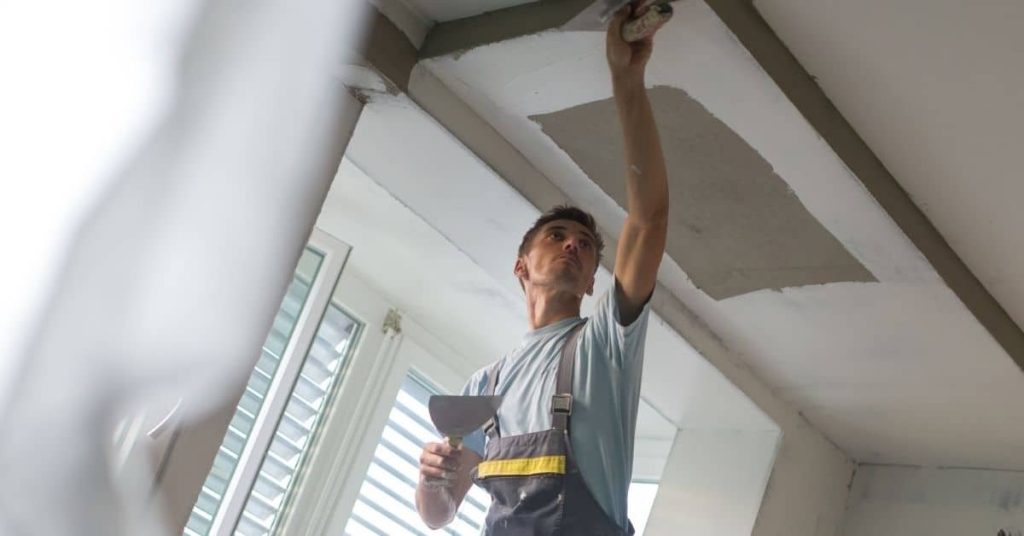
Person smoothing plaster on ceiling with trowel

Recurring Plaster Cracks: Hidden causes and reinforcement that helps

Introduction Recurring plaster cracks are cracks that keep coming back after repairs due to underlying movement or moisture. This article explains practical, hands-on steps you can take to stop the cycle. We’ll look at common hidden causes and simple reinforcement ideas you can try. Check your wall conditions and proceed with care to avoid making

Recurring Plaster Cracks: Hidden causes and reinforcement that helps Read More »