Search Results for: control joint

Close-up of concrete screed tool smoothing wet concrete slab

Concrete Bleed Water: Finishing timing to avoid dusting, blisters, and flakes

Introduction Bleed water is the surface water that rises through the concrete mix as it sets. Finishing timing means waiting for that water to emerge and begin to dry before you apply final troweling or brooming. Doing it too soon can trap moisture and lead to dusting, blisters, or flaking later. The bleeding rate depends […]

Concrete Bleed Water: Finishing timing to avoid dusting, blisters, and flakes Read More »
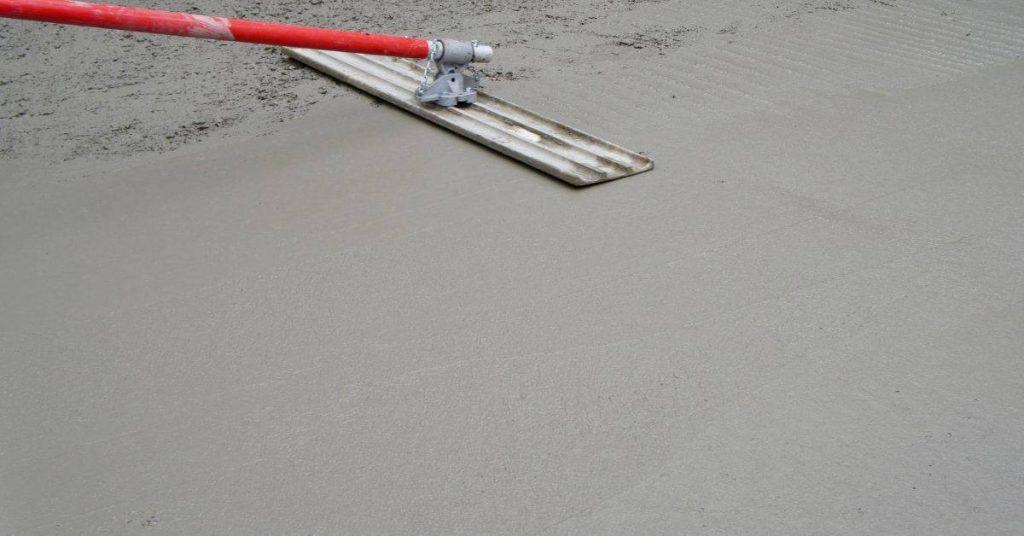
Long-handled tool smoothing fresh concrete slab surface

Concrete Paste vs Aggregate Balance: Why some slabs finish smooth and others tear

Introduction A smooth concrete slab starts with a proper paste-to-aggregate balance and clean finishing technique. Too much paste or too little can cause a rough touch or surface tearing; using the right balance alongside the standard finishing steps helps the surface stay uniform. Always verify with the product label or local guidelines if you’re unsure

Concrete Paste vs Aggregate Balance: Why some slabs finish smooth and others tear Read More »

Concrete wall surface with peeling and cracking finish

Concrete Finish Peeling Off a Patch: Bond failures and how to redo it correctly

Introduction Bond failure happens when a concrete patch peels because the new mix won’t adhere to the old surface. It means the patch didn’t bond well to the substrate due to contamination, moisture, or a weak surface. Fixing it starts with identifying the rough spots and cleaning up before rework. To redo it correctly, start

Concrete Finish Peeling Off a Patch: Bond failures and how to redo it correctly Read More »

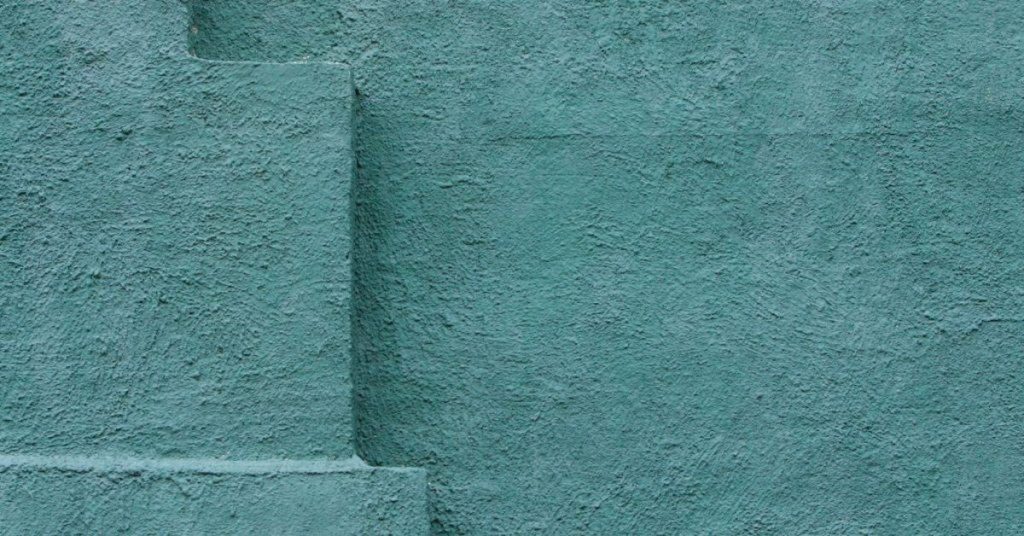
Close-up of blue stucco textured wall corner

Sealing Stucco Around Pipes: A leak-proof method that still lets walls dry

Introduction Sealing stucco around pipes means creating a tight, watertight seal where pipes enter the wall while letting the surrounding stucco dry out. You’ll typically clean the joint, apply a compatible sealant, and backer material if needed, but don’t overfill. Follow product instructions for cure times and weather limits, and check for gaps after sealing.

Sealing Stucco Around Pipes: A leak-proof method that still lets walls dry Read More »

Black metal fence with gold decorative spikes close-up

Concrete Fibers Explained: Microfiber vs macrofiber and what each actually does

Introduction Concrete fibers are tiny reinforcing additives added to concrete to improve crack resistance and durability. Microfibers are very fine fibers that help control tiny cracks and plastic shrinkage, while macrofibers are larger and designed to increase toughness and impact resistance. In DIY terms, you’ll notice better handling and fewer tiny cracks, but you still

Concrete Fibers Explained: Microfiber vs macrofiber and what each actually does Read More »

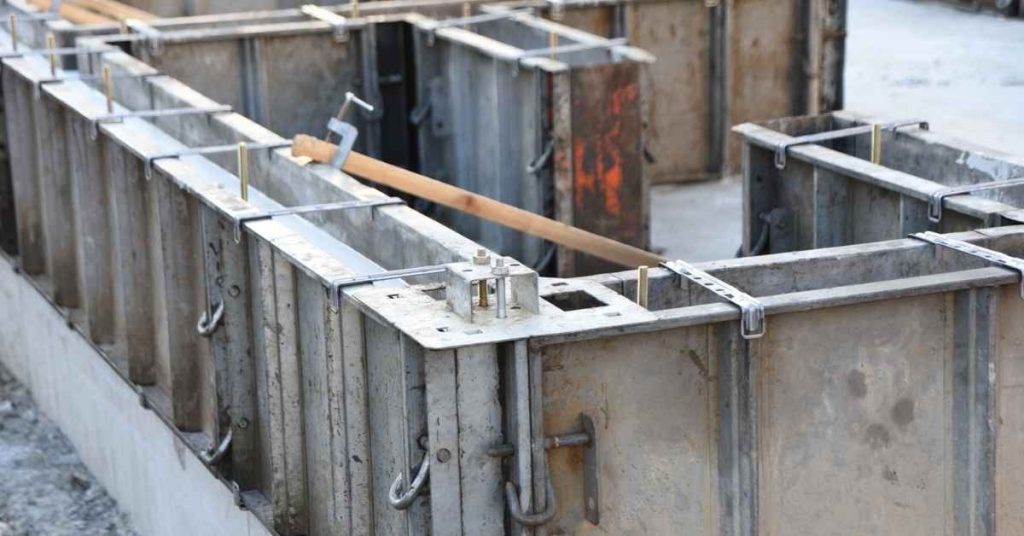
Metal concrete formwork arranged to shape a corner

Concrete That Cracks at Re-Entrant Corners: Layout tricks to reduce stress cracks

Introduction Re-entrant corners are sharp, inward-facing corners in a concrete layout where cracks tend to start. This article covers simple layout tricks to reduce those stress cracks during pouring and finishing. You’ll learn practical ideas you can apply on a DIY project without fancy tools. Using radiused corners and properly placed joint lines helps lower

Concrete That Cracks at Re-Entrant Corners: Layout tricks to reduce stress cracks Read More »

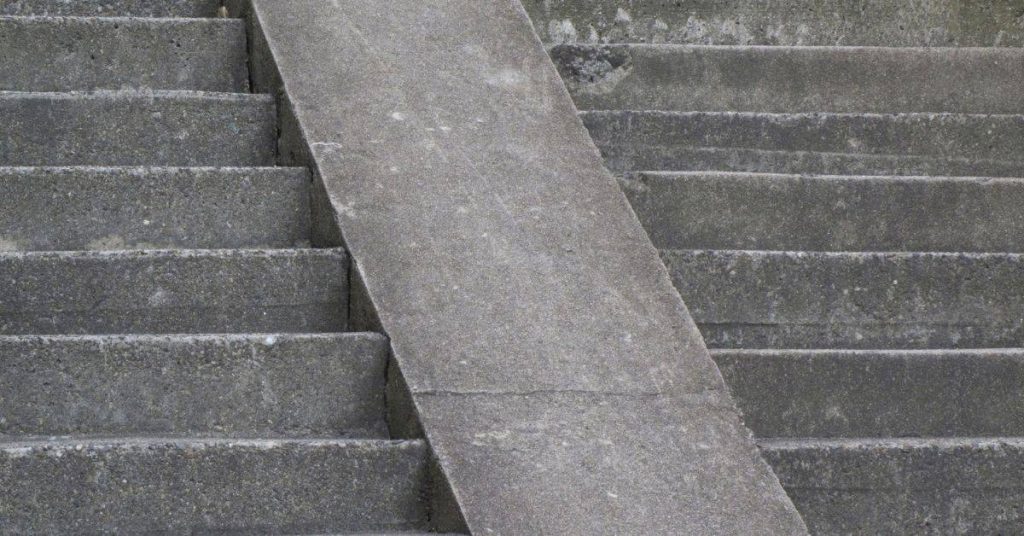
Concrete stairs with a smooth ramp in the middle

Fixing a Concrete Patch That Won’t Take Stain: Porosity matching and blending

Introduction Porosity matching and blending means adjusting a concrete patch so it accepts stain like the surrounding concrete and hides the edges. Start with a clean, dry surface and test a small area to see how the stain looks. If the patch seems off, adjust the patch mix with a compatible additive or bonding agent

Fixing a Concrete Patch That Won’t Take Stain: Porosity matching and blending Read More »

Concrete being poured from chute onto prepared slab area

Concrete Against Existing Slabs: How to pour next to old concrete without cracks

Introduction Pouring new concrete next to an existing slab requires careful planning to prevent cracks. You’ll need a clean joint, proper isolation, and a compatible mix to control movement. Inspect the existing slab for movement, moisture, or coating and plan the joint and bonding approach accordingly. Always verify with the product label, manufacturer instructions, or

Concrete Against Existing Slabs: How to pour next to old concrete without cracks Read More »