Search Results for: control joint

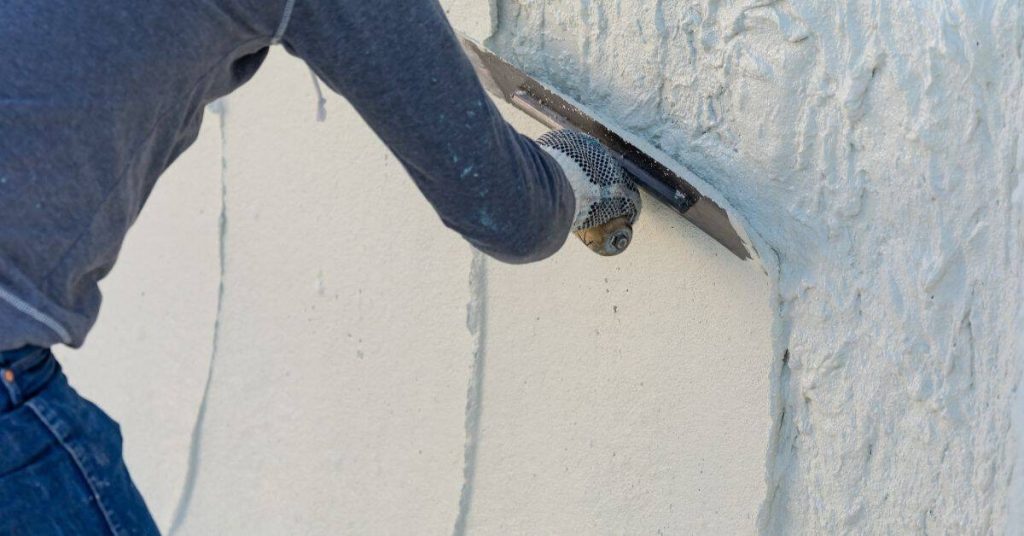
Person applying stucco texture to exterior foam wall

Stucco + Exterior Foam Additions: Transition Details That Keep Drainage Paths Open

Introduction This approach combines stucco with exterior foam to manage drainage and keep water from standing against the foundation. It adds an insulating layer outside the wall and creates a smooth receiver for the stucco finish. You’ll want to plan how drainage paths remain open while the layers are installed and sealed. For DIY work, […]

Stucco + Exterior Foam Additions: Transition Details That Keep Drainage Paths Open Read More »
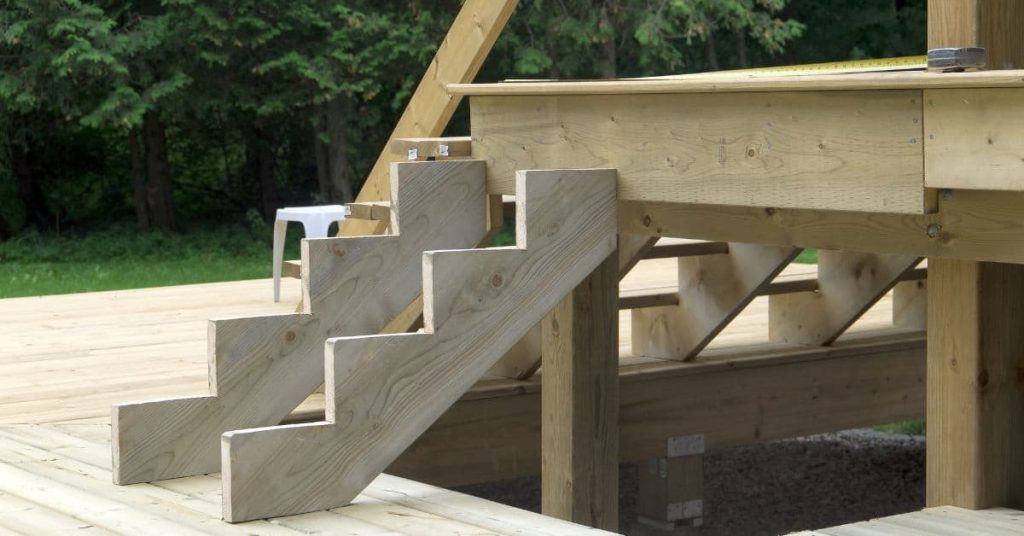
Wooden stair stringers attached to deck frame outdoors

Stucco Around Deck Ledger Boards: Waterproofing Details That Don’t Rely on Caulk

Introduction Stucco around a deck ledger boards is a method to seal and protect the joint where the deck meets the house. It relies on proper transitions and flashing rather than relying on caulk as the main waterproofing tool. The goal is to keep water from getting behind the stucco and into the wall cavity.

Stucco Around Deck Ledger Boards: Waterproofing Details That Don’t Rely on Caulk Read More »

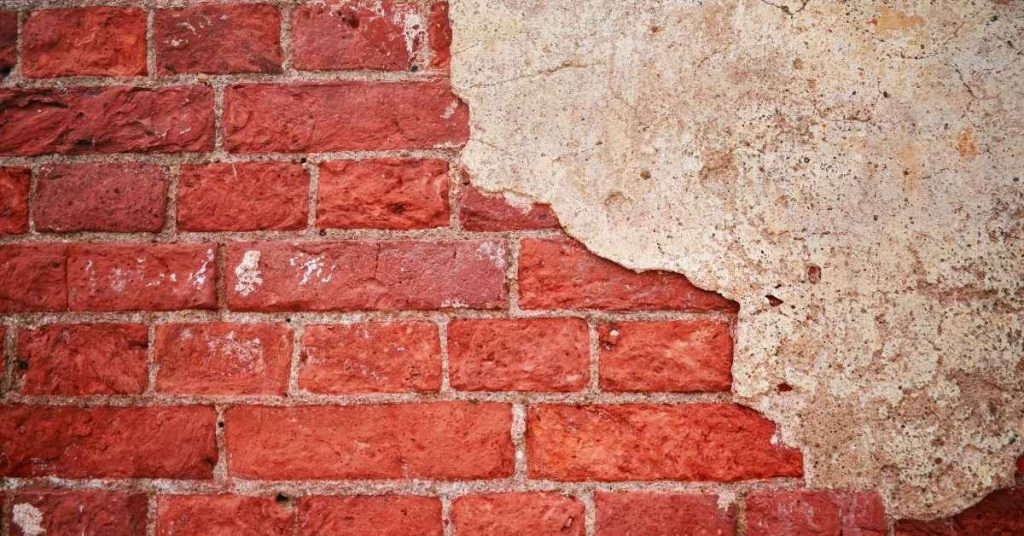
Peeling stucco on red brick wall

Stucco Patch Cracks That Reappear: Movement vs Shrinkage and How to Tell

Introduction Cracks that reappear after patching are usually caused by movement or shrinkage in the stucco system. You can tell them apart by looking at how the crack ran and what the surrounding area did over time; movement cracks often change with structure or temperature, while shrinkage cracks stay smaller and more uniform. To start,

Stucco Patch Cracks That Reappear: Movement vs Shrinkage and How to Tell Read More »

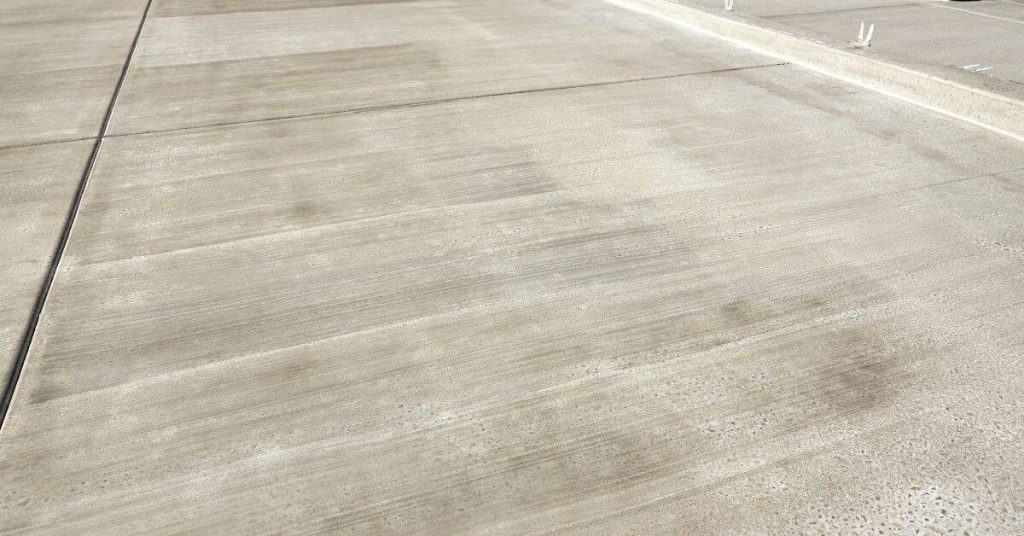
Concrete driveway slab with visible discoloration and stains

Why Thin Concrete Warps: Moisture Gradients, Reinforcement, and Better Curing Setups

Introduction Thin concrete warps when uneven moisture and temperature pull the slab in different directions. Moisture gradients and the way the mix dries out interact with the slab’s thin profile to cause bowing. Reinforcement and curing setup can worsen or help the effect depending on how evenly things stay throughout the cure. To keep things

Why Thin Concrete Warps: Moisture Gradients, Reinforcement, and Better Curing Setups Read More »

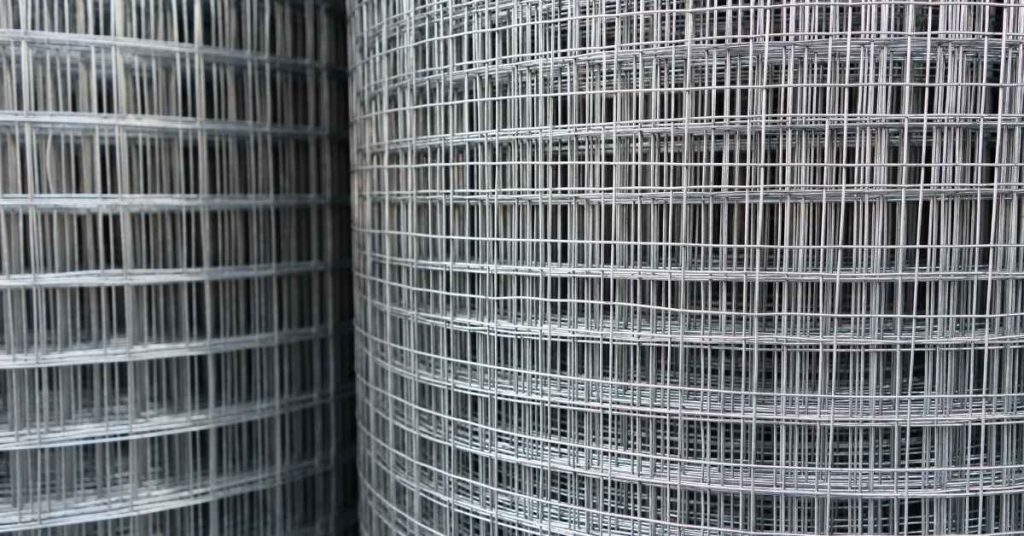
Close-up of two rolls of metal wire mesh

Fiber + Wire Mesh Together: When It’s Redundant and When It Helps

Introduction Fiber + wire mesh together is a reinforced concrete setup where fibers help control cracking and mesh provides added structural distribution. Redundancy can mean extra fibers or extra mesh ends up overlapping; watch for overcomplicating the pour. Combining fiber with mesh can help in slabs with control joints or poor soil, but it can

Fiber + Wire Mesh Together: When It’s Redundant and When It Helps Read More »

Clean decorative concrete driveway with landscaping

Concrete Deicer Alternatives: What’s Safer for Decorative Concrete in Winter

Introduction Safer deicer options for decorative concrete are milder chemicals and methods that reduce staining and damage. Choose products with clear labeling and follow the manufacturer’s directions, and always check local rules or requirements before use. For a DIY approach, prioritize methods that minimize surface impact while keeping things safe on contact with your finish.

Concrete Deicer Alternatives: What’s Safer for Decorative Concrete in Winter Read More »

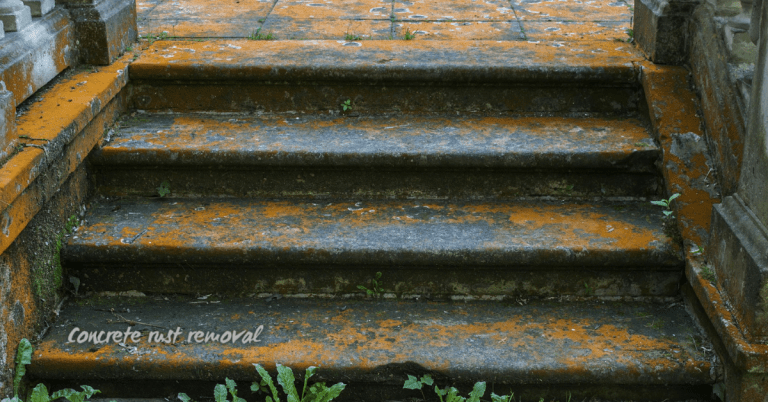
Concrete steps with orange rust stains and some plants growing

DIY Salt Damage Prevention for Steps: Pre-Winter Sealer Checks and Drainage Tweaks

Introduction Salt damage prevention for steps means preparing concrete stairs to resist freeze-thaw and salt exposure before winter. This involves inspecting surfaces, cleaning debris, and checking the edge seals so water and salt don’t penetrate. Keep an eye on cracks or chips and plan resealing if you spot trouble. Before the cold sets in, look

DIY Salt Damage Prevention for Steps: Pre-Winter Sealer Checks and Drainage Tweaks Read More »

Close-up of old concrete surface with small holes and discoloration

Anchoring into Old Concrete: When the Surface Lies and How to Test Strength

Introduction Old concrete can be unreliable for anchors because the surface may lie about overall strength. The outer layer can look solid even when cores are weak. That means you need a simple test to verify what you’re drilling into. Start by listening for a hollow sound and looking for flaking, spalling, or cracks near

Anchoring into Old Concrete: When the Surface Lies and How to Test Strength Read More »

Decorative plaster floral relief with visible cracks

Fixing Plaster Cracks Above Doorways: Stress Relief Cuts and Reinforcement Choices

Introduction Stress-relief cuts and reinforcement help fix plaster cracks above doorways by reducing tension and adding support. I’ll show you how to identify the crack pattern and decide if you need cuts, mesh, or patching compound. This is a hands-on job you can do with common tools, but check your plaster type and any local

Fixing Plaster Cracks Above Doorways: Stress Relief Cuts and Reinforcement Choices Read More »