Search Results for: control joint

Person applying stucco plaster to wall with trowel

Stucco

Stucco Guides: Start Here This hub is for exterior render and stucco work—prep, lath and base coats, mixing, application technique, details, curing, and repairs. With stucco, most failures aren’t “bad mix.” They’re prep and detailing problems—bonding, moisture, and movement. Start with the basics first. Start here Identify what you have (systems matter) Moisture diagnostics (before […]

Stucco Read More »

Concrete pouring onto rebar grid with workers in background

Concrete

Concrete Guides: Start Here This hub collects my most practical concrete guides in one place—prep, forms, reinforcement, placing, finishing, curing, sealing, and repairs. If you’re new to concrete, don’t start with the pour. Start with the prep and planning guides first. That’s where most “mystery problems” are born. Start here Prep & planning (before you

Concrete Read More »

fresh concrete partially poured on rough surface

Using Burlap for Wet Curing: How to Keep It Wet Without Staining the Surface

Introduction Burlap can be used to keep concrete moist during curing without staining the surface when applied correctly. This method relies on evenly saturated burlap laid over the fresh pour and kept moist. Check the burlap material and manufacturer guidance for suitability and any surface protection needs. Choose burlap that is plain and untreated, and

Using Burlap for Wet Curing: How to Keep It Wet Without Staining the Surface Read More »

black wooden double entry doors with small window panes

Saw-Cut Timing With Early-Entry Saws: When They Beat a Standard Saw

Introduction Early-entry saws let you start a cut sooner than a standard saw. This approach aims to save time and reduce waiting around for equipment or setup. Keep in mind you must check safety and jobsite rules before changing timing. Plan your sequence, set up blades, and keep steady progression to avoid overheating or mistakes.

Saw-Cut Timing With Early-Entry Saws: When They Beat a Standard Saw Read More »

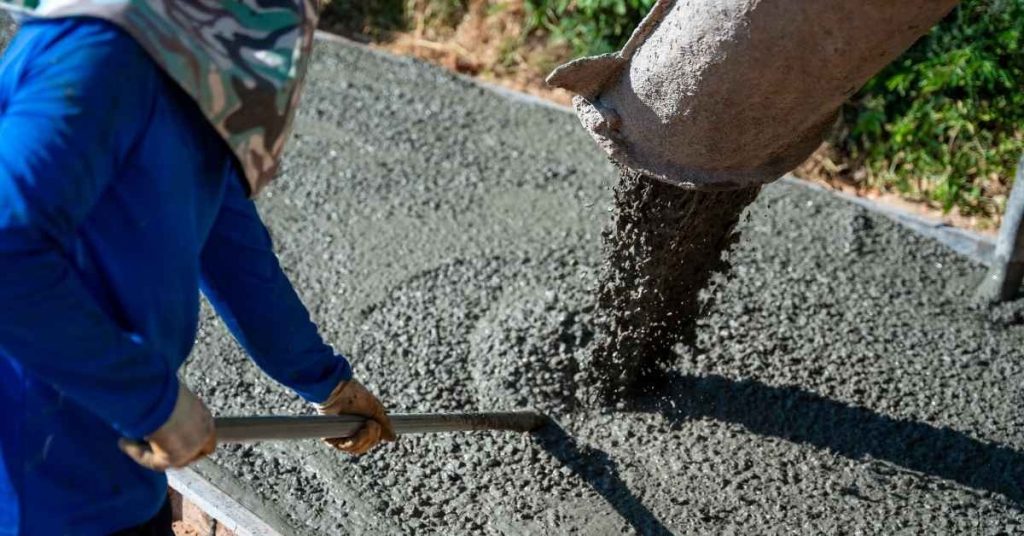
Worker pouring concrete slab outdoors using chute and tool

How to Pour a Slab With a Hidden Slope: Laser Setup, Screed Rails, and Checking Fall

Introduction A slab with a hidden slope is a concrete pad poured with a deliberate, nonlevel fall that you set up before pouring. You’ll plan the fall and confirm it as you go using simple reference points and a level tool. Keep the process practical and honest, avoiding surprises at pour time. Set up the

How to Pour a Slab With a Hidden Slope: Laser Setup, Screed Rails, and Checking Fall Read More »

Close-up of stucco render partially covering fiberglass mesh

EIFS Impact Damage Prevention: Mesh Weights, Additional Layers, and Vulnerable Zone Detailing

Introduction EIFS impact damage prevention means using proper mesh weights, extra applications, and careful detailing in vulnerable zones to resist impact. As a DIYer, you’ll focus on securing the base coat mesh, adding layers as allowed, and outlining high-risk areas. Always check the product label and local rules for what’s allowed. Start by identifying vulnerable

EIFS Impact Damage Prevention: Mesh Weights, Additional Layers, and Vulnerable Zone Detailing Read More »

Weathered pink stucco wall with discoloration and patches

Acrylic Finish Coats (Synthetic Stucco): When They’re Appropriate and How to Avoid Plastic-Looking Patches

Introduction Acrylic finish coats are a synthetic stucco layer applied to exterior walls for a hard, weather-resistant surface. They’re appropriate when you want a durable, low-maintenance outer coat that can flex with shifting framing. Choose a system that matches your substrate and climate, and verify guidance from the manufacturer or local rules. The installation steps

Acrylic Finish Coats (Synthetic Stucco): When They’re Appropriate and How to Avoid Plastic-Looking Patches Read More »

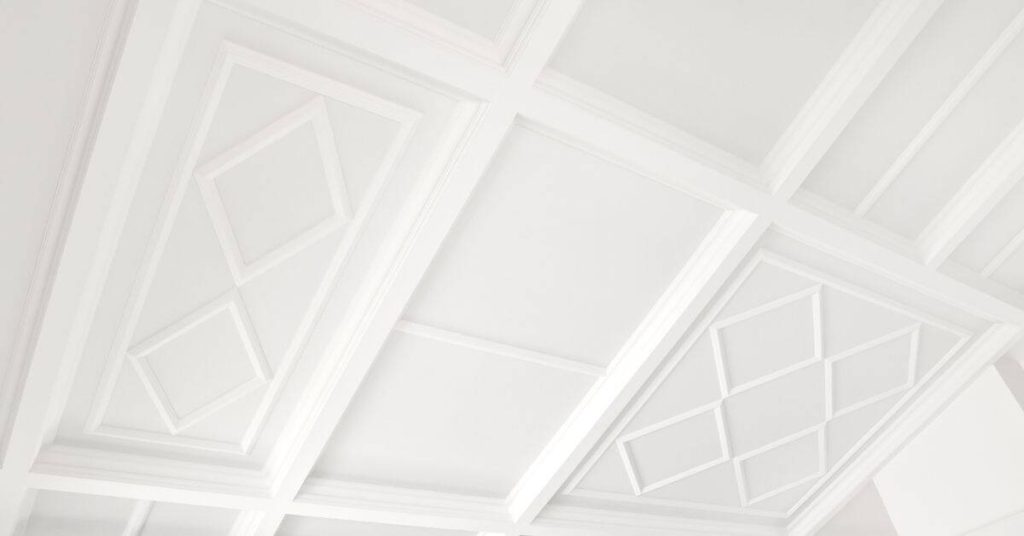
white decorative plaster ceiling panels with geometric patterns

Stucco Delamination at Plywood Shear Panels: Why It Happens and How to Rebuild the Assembly

Introduction Stucco delamination at plywood shear panels occurs when the stucco separates from the plywood backing, usually due to moisture intrusion and substrate movement. That separation shows up as cracks, bubbling, or flaking, and it weakens the exterior assembly. It’s a hands-on issue you can diagnose by looking for soft spots, damp patches, or loose

Stucco Delamination at Plywood Shear Panels: Why It Happens and How to Rebuild the Assembly Read More »

Worker applying first coat of stucco on wall with trowel

Three-Coat vs One-Coat Stucco: Thickness Targets, Cure Times, and Where Each Fails

Introduction Three-coat stucco uses three separate layers, while one-coat finishes are completed in a single composite application. Thickness targets and cure times depend on the system you choose, so always check the product label and local rules rather than guessing. Also verify how a weather-resistive barrier is used and how the lath is installed, since

Three-Coat vs One-Coat Stucco: Thickness Targets, Cure Times, and Where Each Fails Read More »