Search Results for: control joint

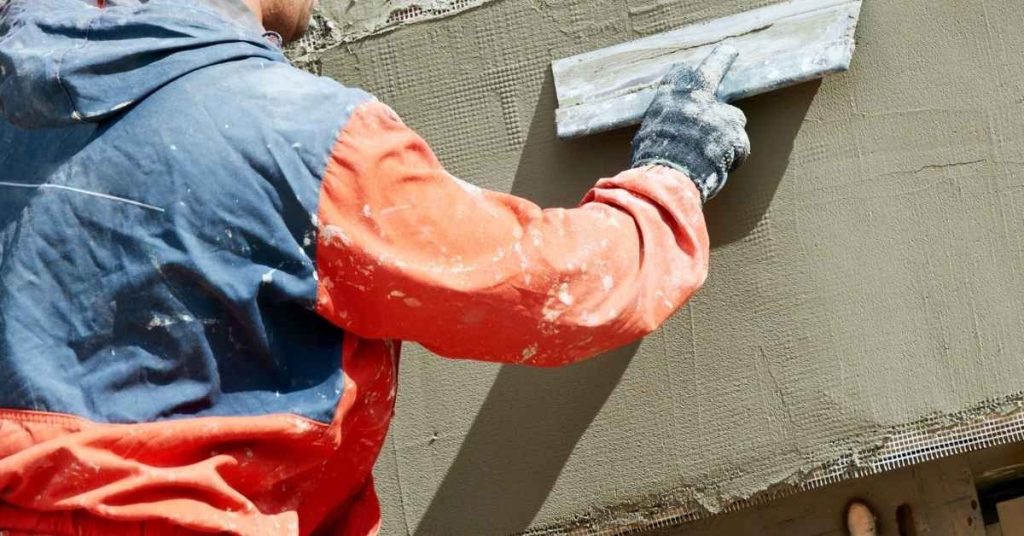
Worker applying fresh stucco with trowel to wall surface

Soft Stucco Diagnosis: Probe Tests to Separate Erosion from Lath Failure

Introduction Soft stucco indicates exterior plaster that feels soft or hollow, signaling potential erosion or lath failure. You’ll see blistering, crumbling edges, or patches where the wall sounds hollow when tapped. This intro helps you spot trouble before you rip into major repairs. Probe tests involve gently tapping or lifting at suspect spots to feel […]

Soft Stucco Diagnosis: Probe Tests to Separate Erosion from Lath Failure Read More »
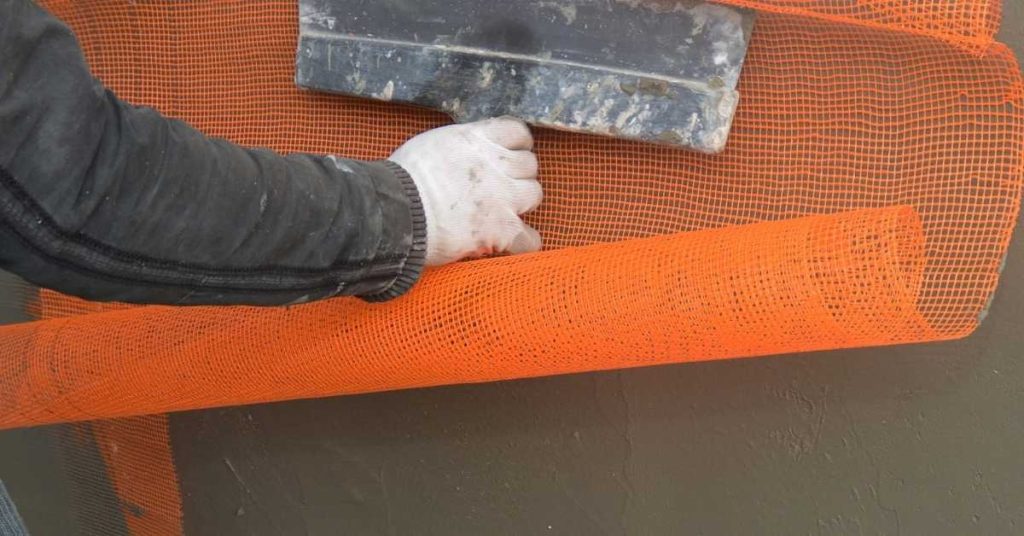
Person applying orange fiberglass mesh onto wet stucco surface

Cracks Over Framing in Stucco: Reinforcement Mesh Patterns That Actually Hold

Introduction Reinforcement mesh helps prevent cracks where stucco meets framing. Different mesh patterns distribute movement across a crack and across corners, so choose one that fits your wall and framing. Always check manufacturer and local guidance for mesh type, installation height, and any soak-in or primer requirements. For a DIY install, plan your mesh pattern

Cracks Over Framing in Stucco: Reinforcement Mesh Patterns That Actually Hold Read More »

Person applying stucco to wall with trowel

Stucco Window Sills Done Right: Slope, End Dams, and Rot Prevention

Introduction This is about making stucco window sills that shed water properly and resist rot. You’ll focus on the right slope, install end dams, and plan for long-lasting rot prevention. Tackle it like a practical DIY project with common tools and careful flashing. Choose materials and details that stand up to moisture, and verify with

Stucco Window Sills Done Right: Slope, End Dams, and Rot Prevention Read More »

Exterior building wall with scaffolding and stucco application in progress

Stucco Lath Fasteners That Last: Corrosion, Length, and Avoiding Loose Walls

Introduction Stucco lath fasteners are the hardware that attach exterior stucco lath to the framing and keep the wall solid. They come in several styles for different substrates, so you should pick ones that fit your lath and backing material. Check the label or manufacturer guidance to ensure corrosion resistance and proper compatibility with your

Stucco Lath Fasteners That Last: Corrosion, Length, and Avoiding Loose Walls Read More »

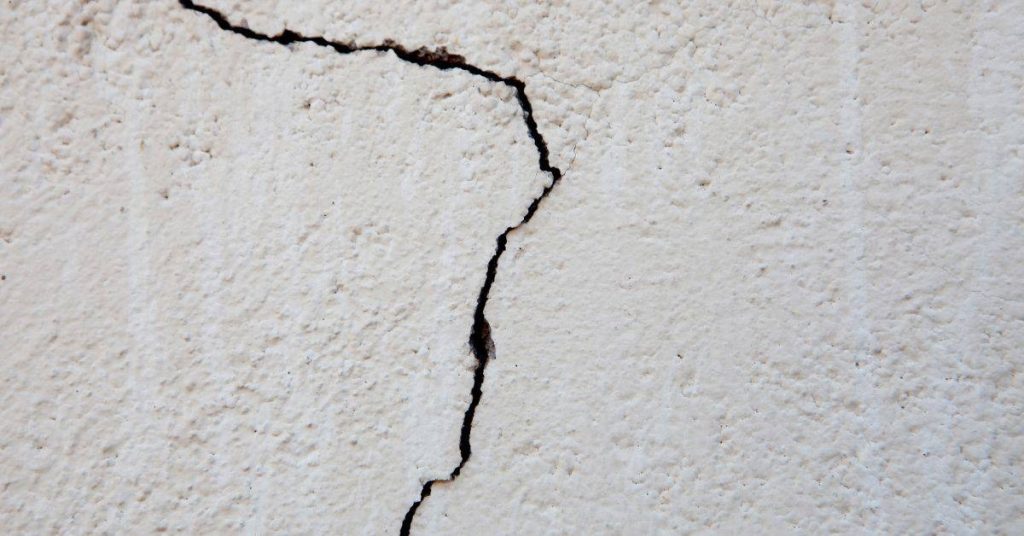
Closeup of stucco surface with a visible crack

Curing Cement-Based Stucco Patches in Heat and Wind

Introduction Heat, direct sun, and wind can pull moisture from a fresh cement-based stucco patch before it gains enough strength. The answer is not a universal spray schedule: first identify the exact repair product and follow its current technical data sheet. Some cementitious stucco products call for fog or moist curing; acrylic, acrylic-fortified, polymer-modified, and

Curing Cement-Based Stucco Patches in Heat and Wind Read More »

Three workers pouring concrete over rebar framework outdoors

Pouring a Concrete Ramp Over an Existing Slab: Bond Breakers, Dowels, and Slope Math

Introduction Pouring a concrete ramp over an existing slab means adding a new ramp surface on top of the old slab and tying it together properly. Make sure the bond between old and new concrete is controlled with the right bond breaker plan and reinforcement setup. I’ll use bond breakers where they’re needed to prevent

Pouring a Concrete Ramp Over an Existing Slab: Bond Breakers, Dowels, and Slope Math Read More »

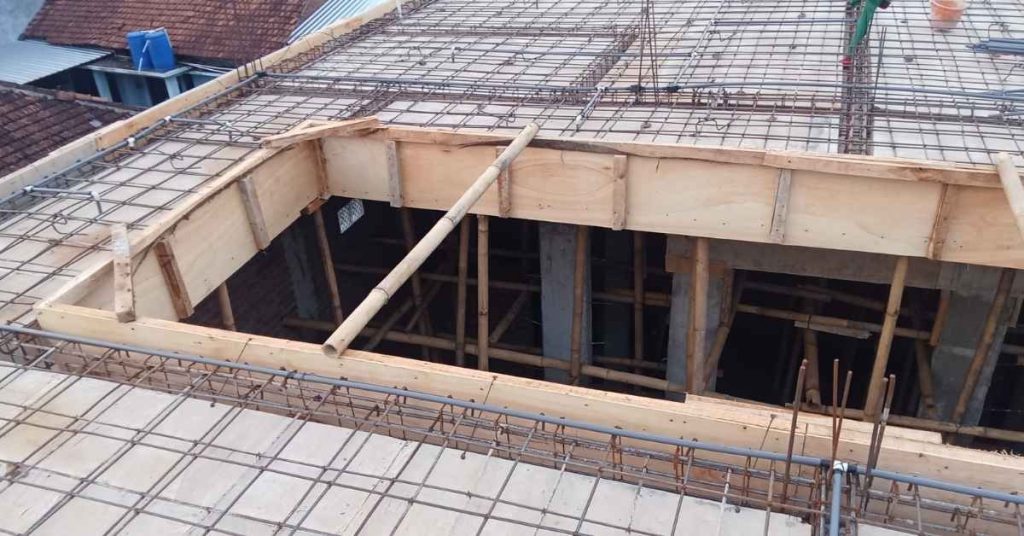
Wooden formwork and steel rebar grid on concrete slab

Concrete Slab-on-Grade for a Small Shed: Vapor Barriers, Thickened Edges, and Bolt Layout

Introduction A slab-on-grade is a concrete floor poured directly on prepared ground with no raised foundation. For a small shed, you’ll want to plan for a vapor barrier, thickened edges, and a simple bolt layout to anchor posts. As you work, verify local rules and follow manufacturer instructions for materials. Starting prep means grading, compacting,

Concrete Slab-on-Grade for a Small Shed: Vapor Barriers, Thickened Edges, and Bolt Layout Read More »

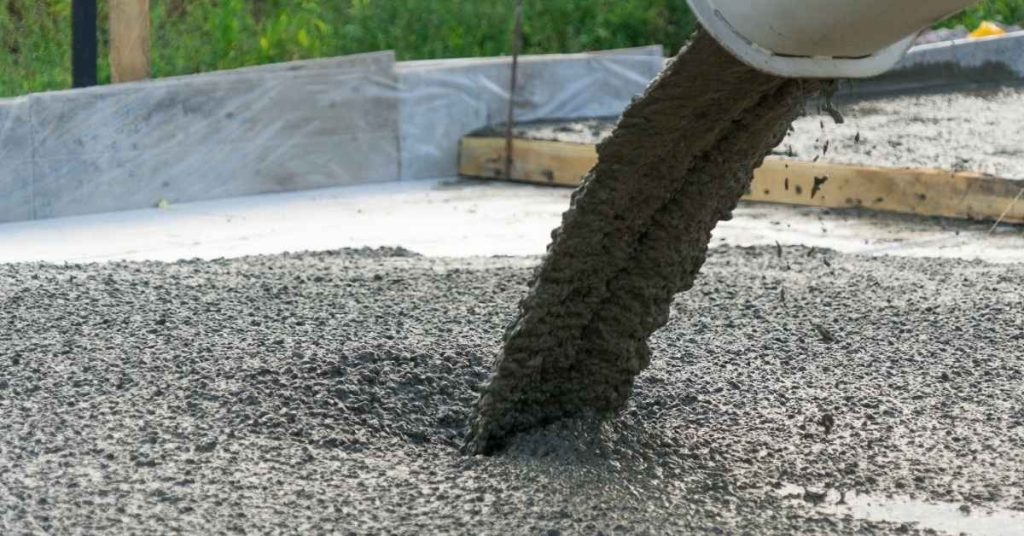
Concrete being poured onto slab framed by wood

Anchor Bolts in Fresh Concrete: Templates, Thread Protection, and Staying Dead-Accurate

Introduction Anchor bolts in fresh concrete are bolts placed before the pour to lock in exact locations for the structure. Getting them right means using simple templates, protecting threads during the pour, and checking alignment as you go. I’ll keep it plain and practical, with no fluff or guesswork. For proper placement, work from the

Anchor Bolts in Fresh Concrete: Templates, Thread Protection, and Staying Dead-Accurate Read More »

Person installing reflective foil insulation on floor

Frost-Protected Shallow Foundations (FPSF) for Small Slabs: Insulation Layout and Drainage Basics

Introduction Frost-Protected Shallow Foundations (FPSF) are a way to keep concrete slabs from freezing by using insulation and careful drainage. As a DIYer, you’ll want to plan insulation under and around the slab edge and maintain a continuous layer. Always check local rules and product instructions for how to install and transition between insulation and

Frost-Protected Shallow Foundations (FPSF) for Small Slabs: Insulation Layout and Drainage Basics Read More »

Hand holding trowel with wet concrete inside container

Feather-Edge Patch Failures: Minimum Thickness Rules and Better Edge Details

Introduction Feather-edge patch failures occur when the thin edge of a patch is not thick or stable enough to grip the surrounding concrete. In plain terms, the edge can erode or chip and the patch pulls away. Make sure you follow the material’s directions and local rules for edge prep. To avoid failures, clean and

Feather-Edge Patch Failures: Minimum Thickness Rules and Better Edge Details Read More »