Search Results for: control joint

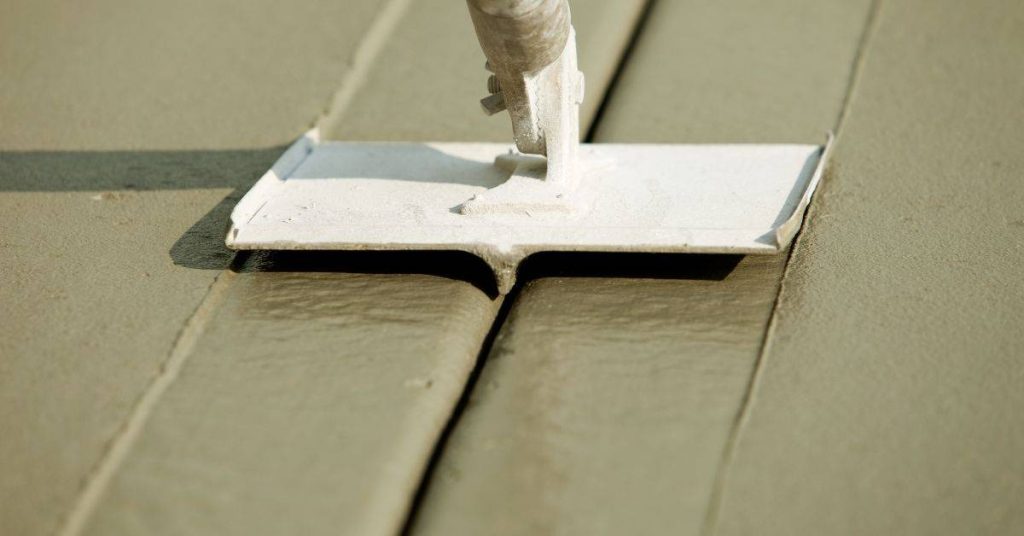
Tool smoothing fresh concrete joint on pavement

Concrete Joint Sealant: Polyurethane vs Silicone (Where Each Belongs)

Introduction Polyurethane and silicone are two sealing options for concrete joints, each suited to different jobs. Polyurethane tends to be tougher and more resistant to movement, while silicone seals stay flexible longer in some conditions. This article compares when to use each, in plain terms you can apply at home. There are practical restrictions to […]

Concrete Joint Sealant: Polyurethane vs Silicone (Where Each Belongs) Read More »

Rusty rebar grid and foam insulation panels in concrete form

Concrete Slab Termite Shields: Detailing for Pest Control and Moisture

Introduction Termite shields in concrete slabs are physical barriers and detailing practices that help deter termites from entering the structure. They sit at the interface between soil and slab and are installed during pour to block termite paths. Along with proper moisture control and detailing, they reduce the chance termites take up residence. Termites favor

Concrete Slab Termite Shields: Detailing for Pest Control and Moisture Read More »

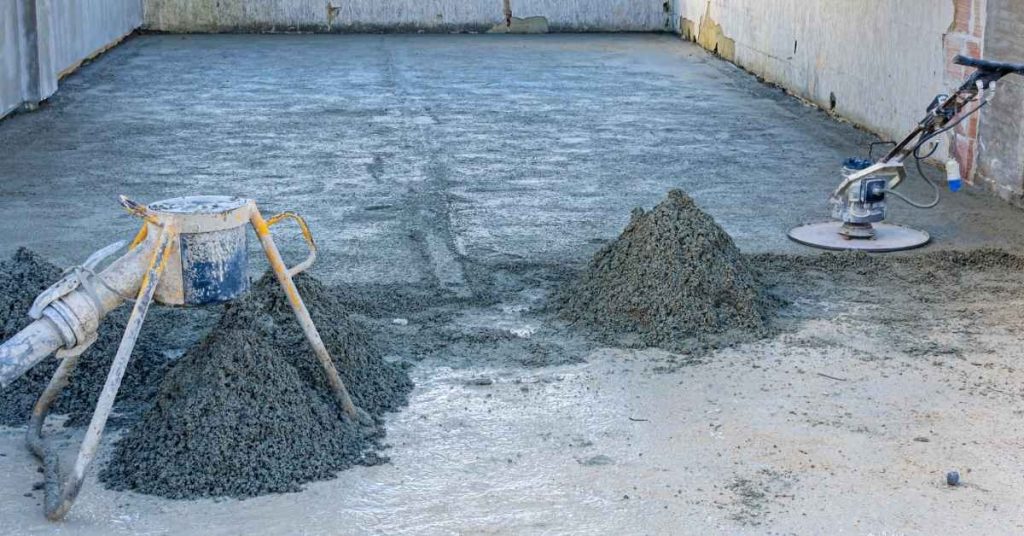
Concrete slab being poured and leveled inside a building

Pouring Footings in Wet Soil: Pumping, Mud Control, and When to Wait

Introduction Pouring footings in wet soil means you must stabilize the site first, remove water, and control mud before concrete. Assess drainage, stick to a plan for pumping, and set up barriers to keep mud from spreading. If conditions aren’t right, it’s safer to wait and check local guidance. Set up proper forms and ensure

Pouring Footings in Wet Soil: Pumping, Mud Control, and When to Wait Read More »

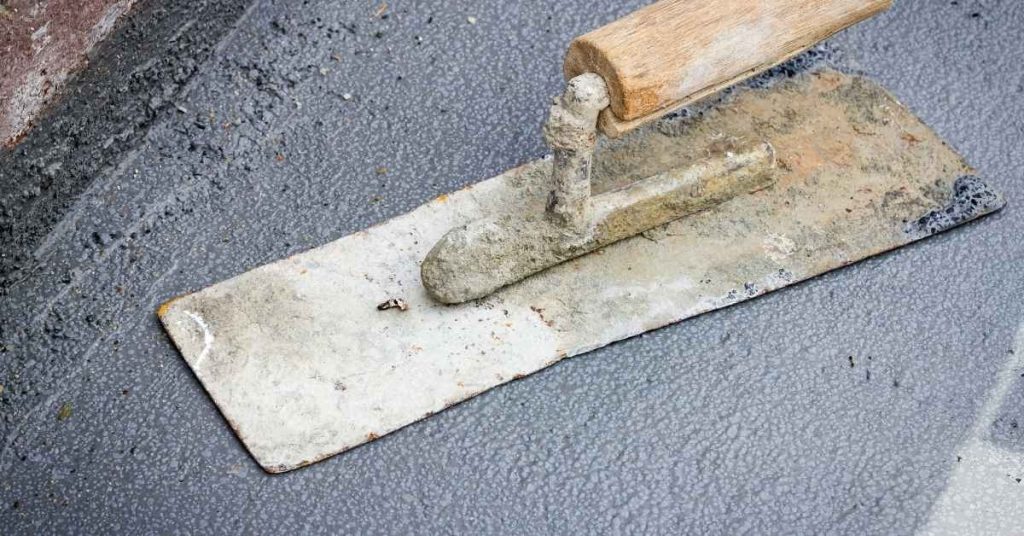
Metal float tool resting on gray parge coat surface

Parge Coat on Foundation Walls: Mix, Surface Prep, and Crack Control

Introduction A parge coat is a thin cement-like coating applied to foundation walls to seal, smooth, and protect them. This article walks you through the basics of mixing, prepping the surface, and controlling cracks so you can do it safely and effectively. You’ll tackle foundation wall prep, choosing a parging mix, and applying a thin,

Parge Coat on Foundation Walls: Mix, Surface Prep, and Crack Control Read More »

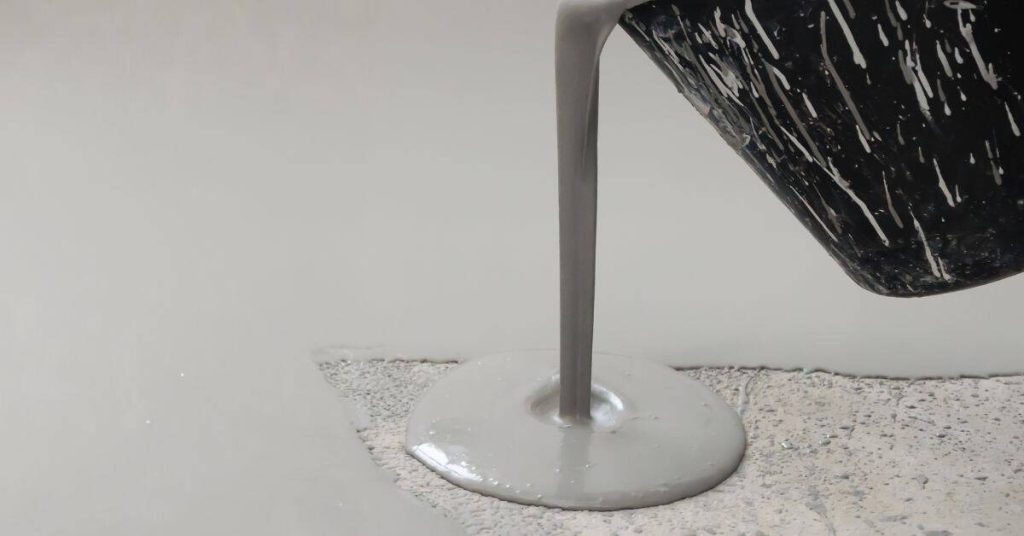
Gray liquid concrete being poured from bucket onto surface

Concrete Isolation Joints: Where to Place Them Around Walls and Columns

Introduction An isolation joint is a gap that lets the concrete slab move independently from walls and columns to prevent cracking. In this article we cover where to put them around walls and columns in a DIY-friendly way, not a textbook. Check local rules and manufacturer instructions for placement guidance. Geotechnical soil conditions and reports

Concrete Isolation Joints: Where to Place Them Around Walls and Columns Read More »

Box fan facing damp concrete basement floor and wall

Limecrete Basement Floors: Breathability, Moisture Control, and DIY Installation

Introduction Limecrete basement floors are lime-based, breathable floor layers that help moisture move through the slab. They differ from traditional concrete by using lime binders and softer finishes, which are more forgiving for moisture control. In practice, you’ll prep the area, mix according to the product label, and check for proper ventilation and curing. DIY

Limecrete Basement Floors: Breathability, Moisture Control, and DIY Installation Read More »

Construction workers reviewing blueprints on table

Construction Joint Waterstops: PVC vs Bentonite vs Hydrophilic (How to Choose)

Introduction Waterstops for construction joints are barriers installed in concrete joints to prevent leaks. PVC, bentonite, and hydrophilic types each work differently, and the choice depends on how the joint will be used. Check the product label, follow manufacturer instructions, and confirm local rules before installing. PVC waterstops are a common rigid option you position

Construction Joint Waterstops: PVC vs Bentonite vs Hydrophilic (How to Choose) Read More »

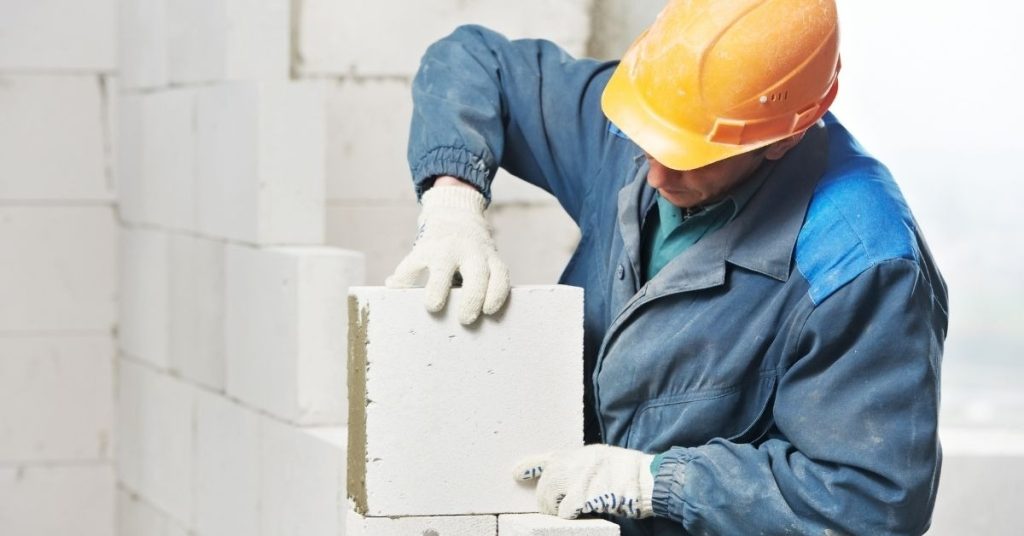
Construction worker placing foam concrete blocks on wall

Bentonite Waterstops: Controlling Swell, Preventing Gaps, and Common Mistakes

Introduction Bentonite waterstops are flexible liners embedded in concrete joints that swell when they get wet to seal the gap. They help control swelling and reduce leaks in walls, foundations, and slabs. Used in place of rigid seals, they require proper placement and overlap for a good seal. Installing bentonite waterstops involves placing the strip

Bentonite Waterstops: Controlling Swell, Preventing Gaps, and Common Mistakes Read More »

White mesh embedded in wet stucco on white wall surface

Stucco Over ICF Walls: Mesh, Fasteners, and Crack Control at Openings

Introduction Stucco over ICF walls means applying a cement-based veneer to insulated concrete forms using a proper weather-resistive layer, reinforcement mesh, and secure fasteners so the finish sticks and moves with the wall. This job needs the right mesh type, fastener method, and detailing at windows and doors to control cracking; check the stucco manufacturer’s

Stucco Over ICF Walls: Mesh, Fasteners, and Crack Control at Openings Read More »

Indoor view through window blinds showing green plants outside

EIFS Window Detailing Basics: Backwrapping, Sealant Joints, and Common DIY Failures

Introduction EIFS window detailing is the practical work of wrapping the window opening with the EIFS base and mesh, backwrapping the flange or jamb, and creating sealed, jointed transitions so water and movement stay out. Think of it as three chores: proper substrate prep and flashing, neat backwrap techniques that embed mesh into the basecoat,

EIFS Window Detailing Basics: Backwrapping, Sealant Joints, and Common DIY Failures Read More »