Search Results for: control joint

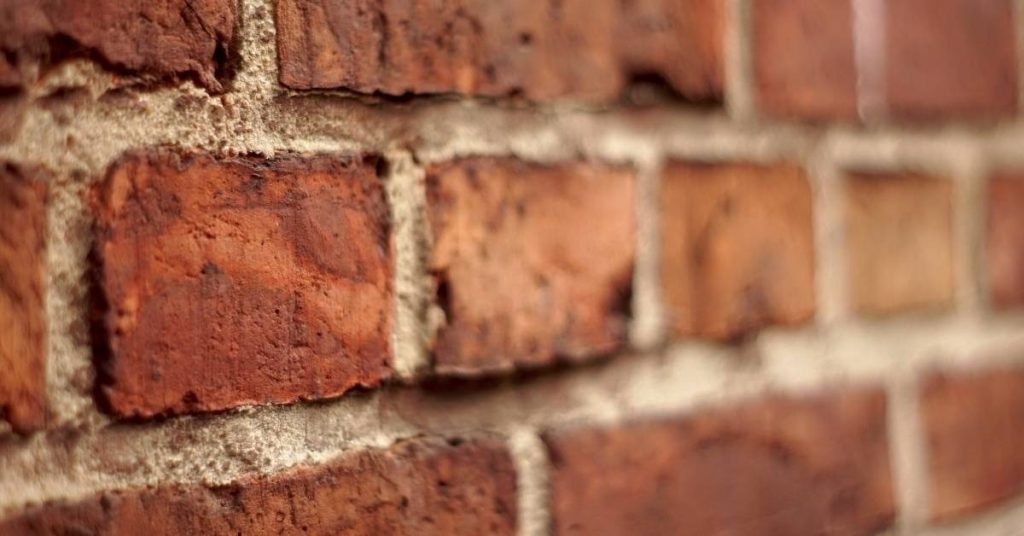
Closeup of red brick and mortar joints in wall

Caulk Pulling Away From Stucco: Why joints fail and how to rebuild them

Introduction Caulk pulling away from stucco happens when the seal between the joint and surface fails, allowing the caulk to separate from the wall. Common causes include movement in the building, sun and weather wear, improper surface prep, and using the wrong type of caulk. These gaps can trap moisture and worsen cracking, so addressing […]

Caulk Pulling Away From Stucco: Why joints fail and how to rebuild them Read More »

Close-up of asphalt shingle with visible impact damage

Stucco Damage Behind Downspouts: Repairs and water control improvements

Introduction Stucco damage behind downspouts is hidden water intrusion that weakens the wall where the downspout sits. Water running off the gutter can seep behind the stucco and cause cracking, bulging, or soft spots. This article shows practical steps you can do to inspect and start repairs without specialized equipment. Start by cleaning the area

Stucco Damage Behind Downspouts: Repairs and water control improvements Read More »

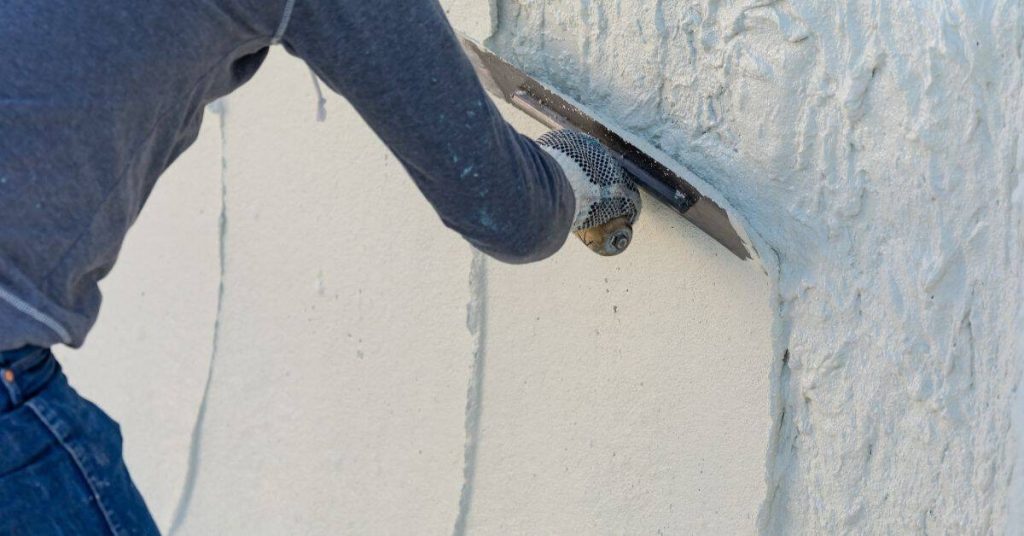
Person applying stucco texture to wall with trowel

Stucco at Deck and Porch Connections: Water control and movement details

Introduction Stucco at deck and porch connections is the moisture-control detail where stucco meets the deck to stop water from entering the structure. It relies on flashing, proper joint gaps, and movement allowances to shed water and accommodate movement. Always check manufacturer instructions and local rules for flashing, sealants, and clearance requirements. For a practical

Stucco at Deck and Porch Connections: Water control and movement details Read More »

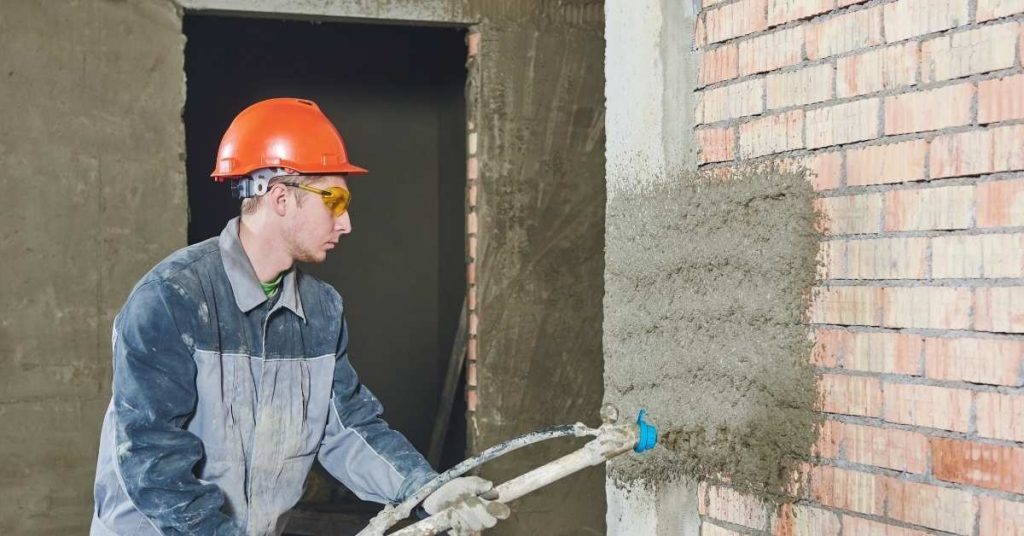
Worker applying textured plaster with paint roller

Controlling Plaster Dry Time: Moisture management without soft surfaces

Introduction Controlling plaster dry time means managing moisture so the surface sets firm and doesn’t stay soft. In DIY work, you adjust humidity, ventilation, and application thickness to guide the cure. Keep an eye on how the room feels and how the plaster responds as it dries. Keep the work area within a steady temperature

Controlling Plaster Dry Time: Moisture management without soft surfaces Read More »

Hand tool smoothing a concrete slab surface outdoors

Concrete Dust Control: HEPA Vac Basics for Grinders and Cutters

Introduction HEPA vacuums are high‑efficiency cleanup tools that trap fine concrete dust while you grind or cut. They help reduce airborne dust exposure and keep your work area cleaner, especially when paired with the grinder or cutter you’re using. Use them with care, following the tool’s setup steps and maintaining the filter and hose connection

Concrete Dust Control: HEPA Vac Basics for Grinders and Cutters Read More »

Close-up of rough gray concrete wall surface

Backer Rod Sizing: How to Pick the Right Diameter for Concrete Joints

Introduction Backer rod sizing is choosing the right diameter to fit behind concrete joints before filling. For DIY projects, pick a diameter that fits the joint and leaves a small gap for the sealant. Always check the product label or manufacturer instructions for the recommended diameter for your joint, and measure the actual gap on

Backer Rod Sizing: How to Pick the Right Diameter for Concrete Joints Read More »