Search Results for: control joint

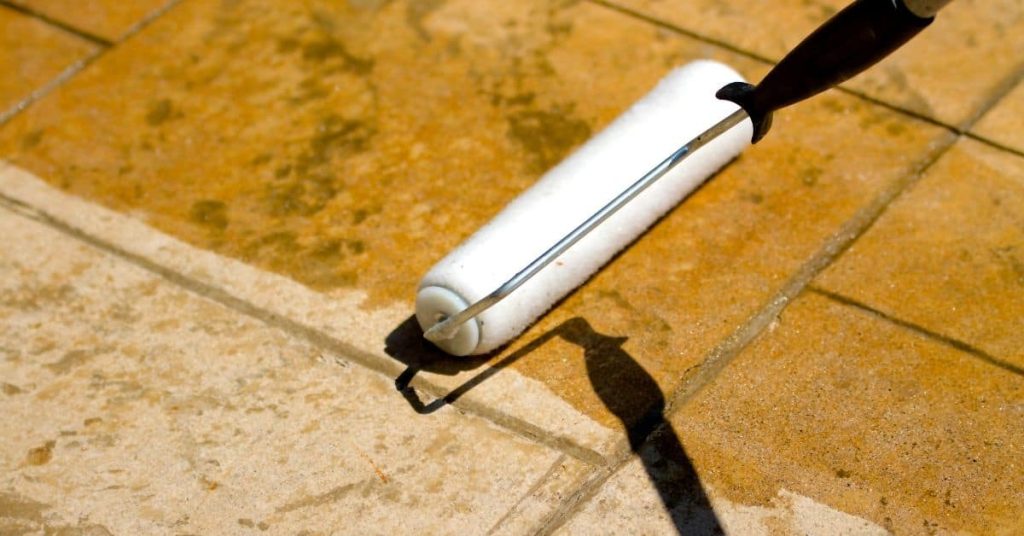
Paint roller applying liquid on concrete pavers outdoors

Concrete That Turns Dark After Sealing: Moisture, Solvent Trap, and Fixes

Introduction Darkening after sealing happens when moisture or solvent residues interact with the sealer on the surface. This can make the concrete look blotchy or deeper in color as it dries. If this happens, check moisture levels of the slab and review the sealer’s instructions. Try simple fixes first by letting the surface breathe, cleaning

Concrete That Turns Dark After Sealing: Moisture, Solvent Trap, and Fixes Read More »

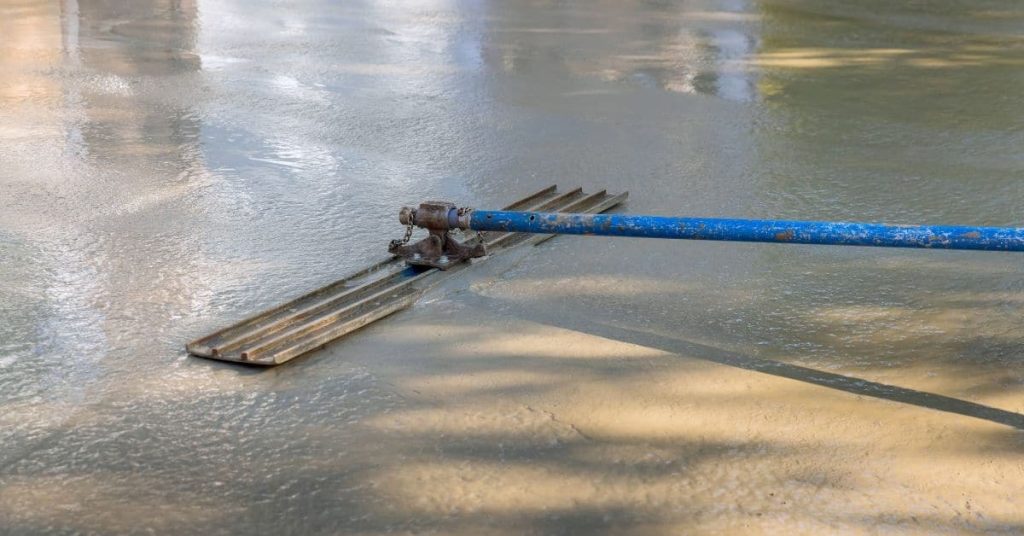
Concrete screed tool smoothing wet concrete surface outdoors

Concrete Finishing in Direct Sun: Shade, Fogging, and Timing Tips

Introduction Concrete finishing in direct sun means you need shade, moisture control, and smart timing to get a smooth, durable surface. Shade helps slow rapid moisture loss, fogging or misting adds surface cooling, and timing keeps finishing steps aligned with the concrete’s surface condition. Plan ahead to avoid streaks, itching, or surface damage from heat

Concrete Finishing in Direct Sun: Shade, Fogging, and Timing Tips Read More »

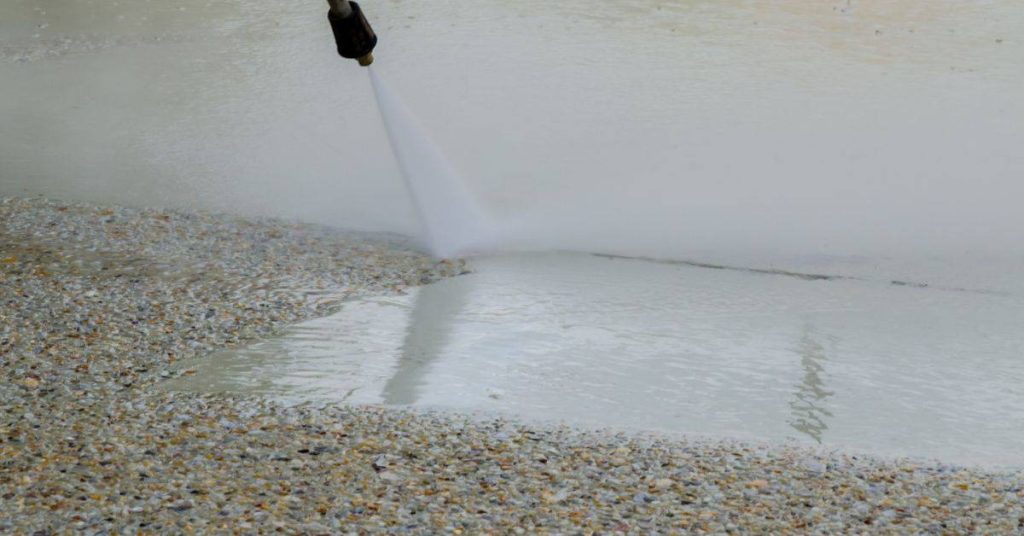
Pressure washing exposed aggregate concrete surface

Exposed Aggregate Finish: Timing, Washing, and Sealing for Long-Term Durability

Introduction Exposed aggregate finish is when you reveal the decorative rocks in fresh concrete by washing away the surface grout at the right time. Plan the pour with your exposure goal in mind, and monitor the surface as it firms so you can decide when to start washing. Have a clear sequence for washing, exposing

Exposed Aggregate Finish: Timing, Washing, and Sealing for Long-Term Durability Read More »

Worker applying drywall joint tape on wall standing on scaffold

Cement Board Seams in Showers: Tape, Thinset, and Where Waterproofing Goes

Introduction Cement board seams in showers are the joints where panels meet and must be sealed with tape and thinset before waterproofing. This helps keep water from wicking behind the boards and causing damage over time. You’ll want a careful, patch‑and‑press approach that follows the board and tape instructions for best results. Best practices include

Cement Board Seams in Showers: Tape, Thinset, and Where Waterproofing Goes Read More »

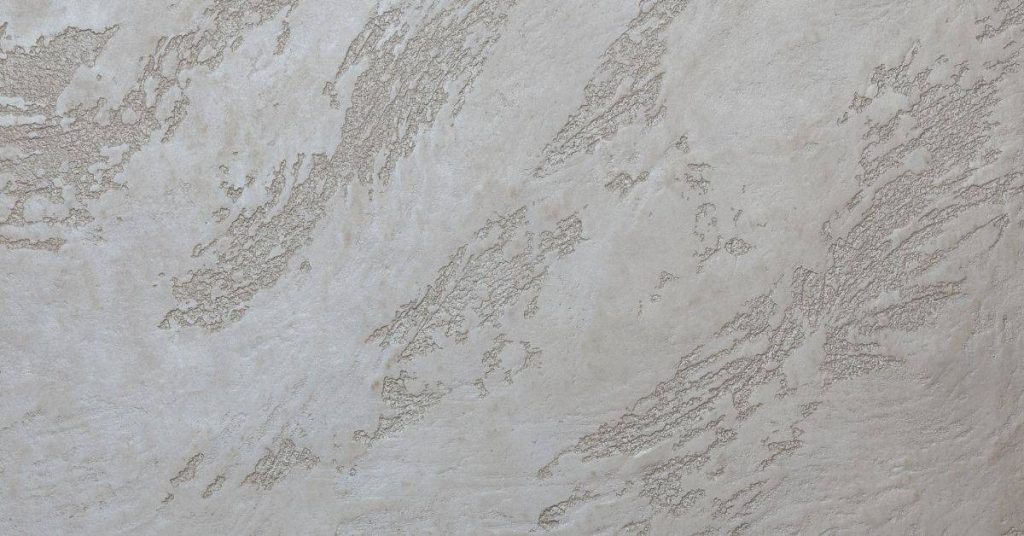
Close-up of textured beige wall finish with irregular patterns

Feather Finish vs. Self-Leveler for Minor Concrete-Floor Dips

Introduction For an isolated, shallow dip, gouge, or edge transition in a concrete floor, choose a feather-finish patching compound. Choose self-leveling underlayment when low areas are broad, numerous, or outside the patch product’s stated thickness range. A patch lets you correct one defect without raising the surrounding floor; a self-leveler treats a larger field and

Feather Finish vs. Self-Leveler for Minor Concrete-Floor Dips Read More »

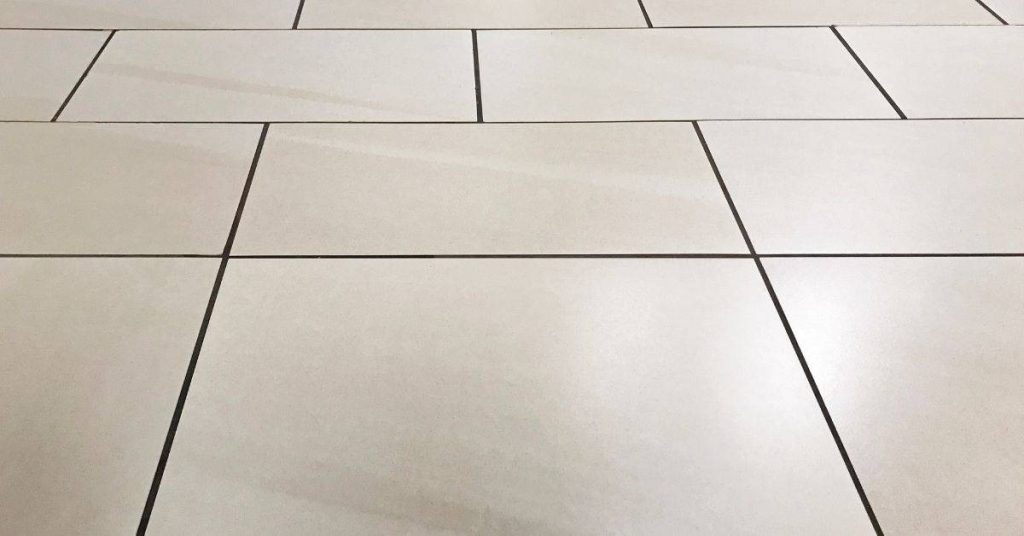
Light beige porcelain floor tiles with dark grout lines

Decoupling Membranes for Tile: When They Matter and When They’re Overkill

Introduction Decoupling membranes are underlayment products that isolate tile from the substrate to reduce cracks. They act as a physical buffer that absorbs movement in the substrate. Use them if the substrate is uneven, shows cracks, or you want moisture control. There are sheet and liquid types, each with its own installation steps. Check the

Decoupling Membranes for Tile: When They Matter and When They’re Overkill Read More »

Hand applying plaster to wall with trowel

How to Tell Whether a Plaster Wall Crack Is Cosmetic or Movement-Related

Introduction A fine crack confined to a dry plaster finish is often cosmetic. A crack that is widening, extending, displaced, or accompanied by bulging plaster, sticking doors or windows, or matching damage elsewhere needs investigation. This article is a homeowner triage guide, not a structural diagnosis. Crack width alone cannot tell you whether a wall

How to Tell Whether a Plaster Wall Crack Is Cosmetic or Movement-Related Read More »