Search Results for: control joint

grey concrete paving slabs arranged in grid pattern

Tree Root Damage to Slabs: When to Cut Roots and When to Rethink the Tree

Introduction Root damage to slabs occurs when tree roots grow under a concrete slab and start cracking, heaving, or lifting it. This article explains how to spot signs and decide whether cutting roots is a reasonable DIY step or if you should rethink the tree. It keeps things practical and hands-on, not academic. Look for […]

Tree Root Damage to Slabs: When to Cut Roots and When to Rethink the Tree Read More »

close up of gray concrete surface with visible cracks

Routing and Sealing Cracks: When a “V-Groove” Helps and When It Doesn’t

Introduction Routing and sealing cracks means cutting a V-shaped groove along the crack and sealing it to prevent further movement. It’s a technique that can help when the crack is stable and the substrate is sound, but it isn’t right for every crack or situation. Consider crack size, movement, and the surrounding material before choosing

Routing and Sealing Cracks: When a “V-Groove” Helps and When It Doesn’t Read More »

Close up of a concrete core drilled hole with wet slurry and orange pipe

Epoxy Setting Rebar Dowels: Hole Size, Cleaning, and Cure Time Basics

Introduction Epoxy setting rebar dowels are epoxy-anchored steel rods installed into concrete to transfer load. Getting the hole size, cleaning, and cure time right is a hands-on, DIY task you can manage with common tools. Check the manufacturer instructions for exact hole diameters, cleaning steps, and cure-time guidance. Hole size requirements vary by product, so

Epoxy Setting Rebar Dowels: Hole Size, Cleaning, and Cure Time Basics Read More »

Concrete pouring from chute into wooden forms supported by gravel

Concrete Form Blowouts: How to Brace, Inspect, and Stop a Failing Pour

Introduction A concrete form blowout is a formwork failure during placement: a panel bows, a joint opens, a tie or anchor moves, or the form collapses and releases fresh concrete. Treat visible movement or rapidly increasing leakage as a stop-work condition, not a cosmetic problem. Do not use generic brace dimensions as a design. Formwork

Concrete Form Blowouts: How to Brace, Inspect, and Stop a Failing Pour Read More »

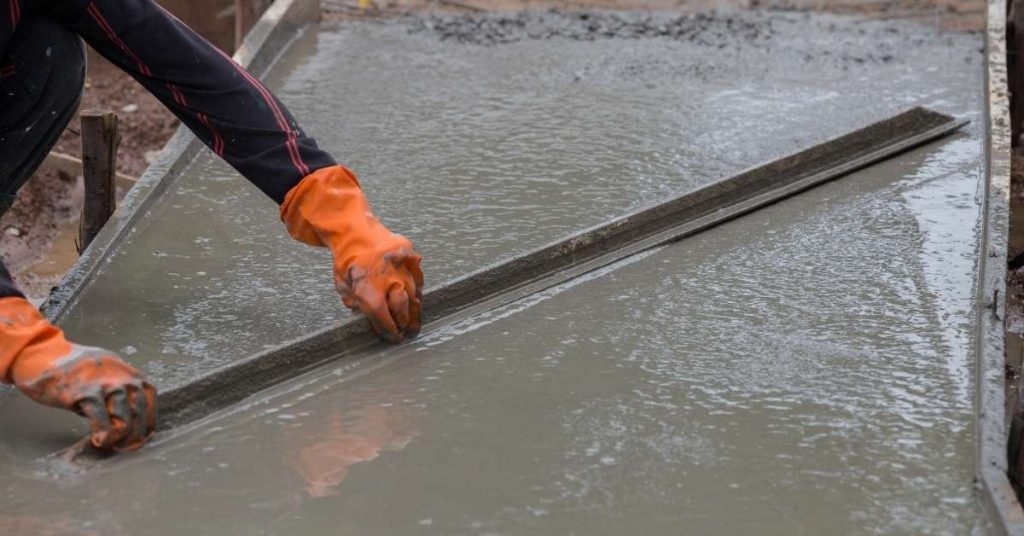
person leveling wet concrete on ground outdoors

Infrared Thermometer for Concrete: What It Can and Can’t Tell You

Introduction An infrared thermometer measures surface temperature without touching the concrete. Use it to spot cold spots, thawing edges, or rapid surface changes during curing, but it won’t reveal internal conditions. Check the device emissivity settings and read the manufacturer instructions for how to use it on concrete. For winter pours, take quick surface readings

Infrared Thermometer for Concrete: What It Can and Can’t Tell You Read More »

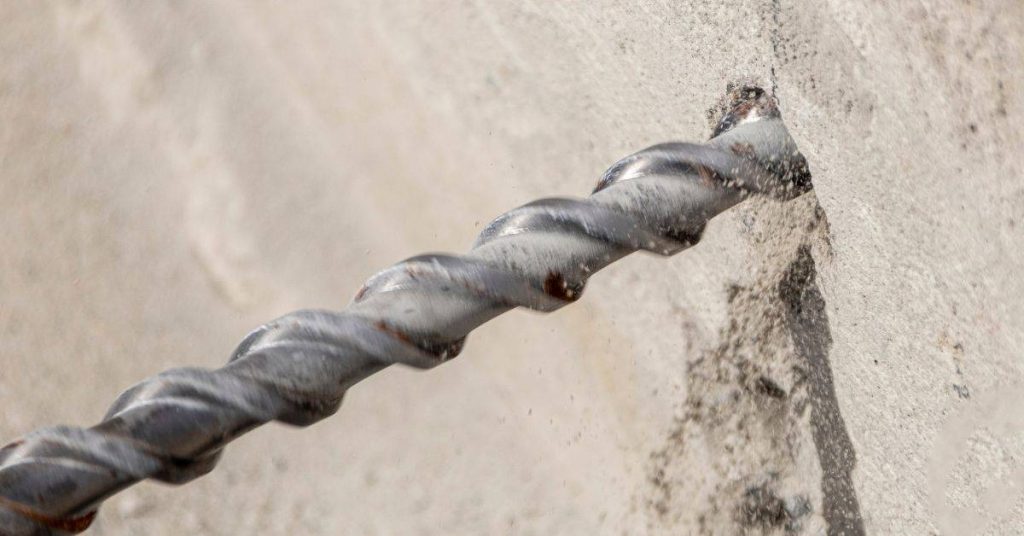
Close up of drill bit penetrating concrete surface

Drilling Rebar Dowels: How Deep to Go and How to Avoid Blowouts

Introduction Drilling rebar dowels is the process of making a hole that the steel bar can sit in securely. Key takeaways Verify embedment depth per plans and code requirements before drilling. Choose drill bits matching hole diameter and concrete hardness per label. Drill slowly with steady pressure to reduce blowouts and surface spalling risk. Clean

Drilling Rebar Dowels: How Deep to Go and How to Avoid Blowouts Read More »

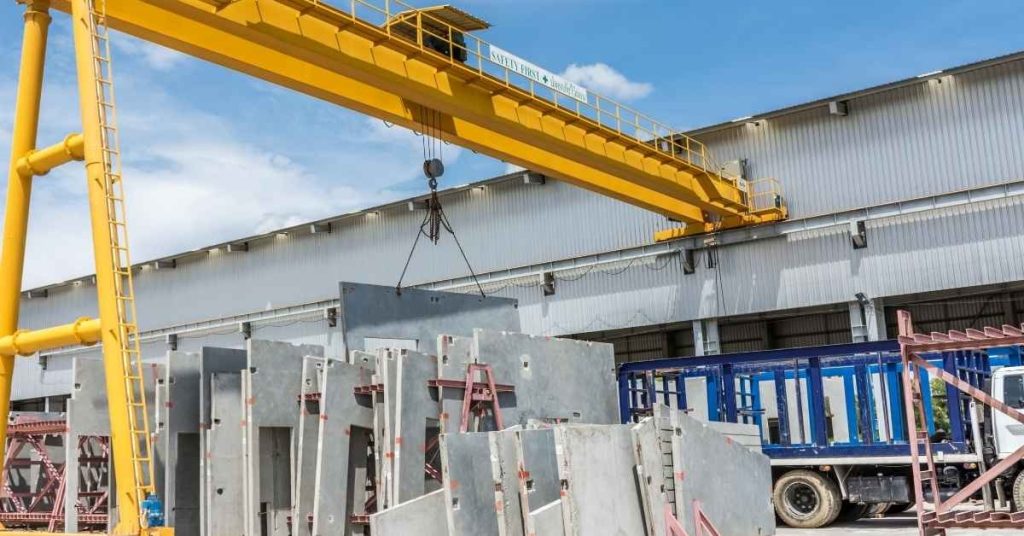
Yellow crane lifting precast concrete panels outdoors

How to Remove a Failed Acrylic Sealer From Concrete Without Etching

Introduction Removing a failed acrylic sealer from concrete without etching means lifting the film without harming the concrete surface. Do this safely with good ventilation, eye protection, and gloves, and follow the product instructions. Your choice of remover depends on the sealer type and the concrete porosity, so always check the label and local rules

How to Remove a Failed Acrylic Sealer From Concrete Without Etching Read More »