Search Results for: control joint

Textured blue stucco wall with recessed section

Retrofitting Drainage Behind Barrier Stucco: What’s Realistic and What’s Wishful Thinking

Introduction Retrofitting drainage behind barrier stucco means creating a practical path for moisture to escape from behind the stucco without compromising the wall. Start with a careful visual check of the barrier, flashing, and any visible weep gaps, then plan based on your wall type and conditions. Always verify with manufacturer instructions and local rules […]
Retrofitting Drainage Behind Barrier Stucco: What’s Realistic and What’s Wishful Thinking Read More »

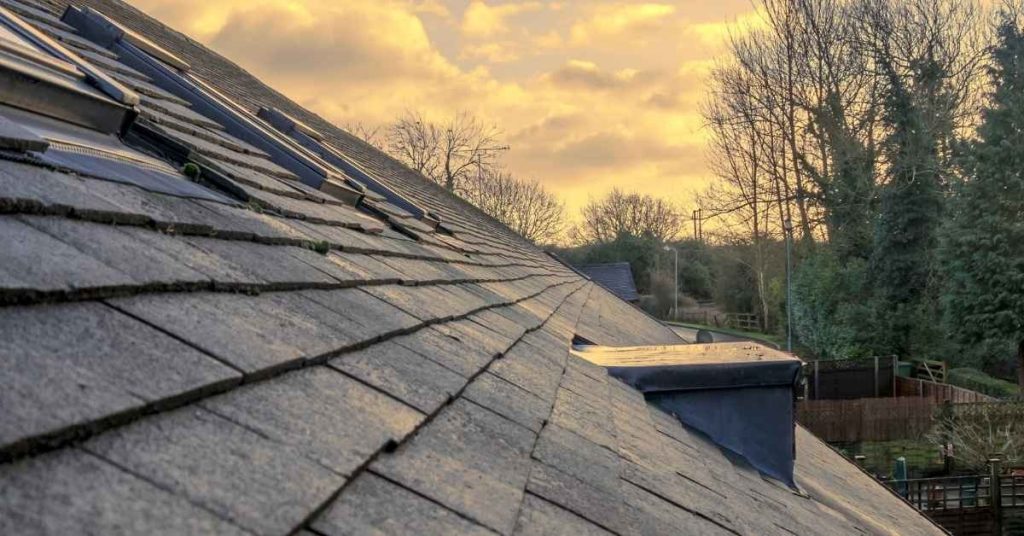
Slate roof with metal flashing under golden sky

Window Head Flashing Behind Stucco: Drip Caps, End Dams, and How to Stop Head Leaks

Introduction Window head flashing behind stucco is a weatherproofing detail that directs water at the top of the window away from the opening. It often relies on drip caps, end dams, and proper sealing to shed water behind the stucco rather than into the wall. When you’re working, look for gaps, torn flashing, or loose

Window Head Flashing Behind Stucco: Drip Caps, End Dams, and How to Stop Head Leaks Read More »

Closeup of metal chain link fence with blurred background

Metal Accessory Corrosion (Beads, Screeds) in Coastal Zones: Material Upgrades and Isolation Tricks

Introduction Coastal metal accessories like beads and screeds that contact concrete are prone to corrosion from salt and moisture. This topic covers practical upgrades and isolation tricks you can use during DIY work. Treat it as a hands-on job: plan, protect, and seal where metal meets concrete. Look for corrosion-resistant alloys or coatings and install

Metal Accessory Corrosion (Beads, Screeds) in Coastal Zones: Material Upgrades and Isolation Tricks Read More »

Stucco wall with two boarded windows and one boarded door

Stucco Discoloration From Efflorescence vs Salts in Sand: Simple Tests and Fixes

Introduction Efflorescence is a white salt bloom that appears on stucco when moisture moves soluble salts to the surface. It can look like chalky powder and is often mistaken for new stains. But salts in the sand or mix can also discolor, and moisture is the common driver. To tell efflorescence from salts in the

Stucco Discoloration From Efflorescence vs Salts in Sand: Simple Tests and Fixes Read More »

Close-up of textured pink stucco wall surface

Stucco Around Mini-Split Line Sets and Condensate Drains: Sleeves, Drip Loops, and Sealants

Introduction Stucco around mini-split line sets and condensate drains is the exterior finish that encases the lines and keeps moisture out. The job is about creating sleeves, drip loops, and proper seals so the system looks integrated and sheds water. Do this carefully so you don’t trap condensation or create paths for leaks. Plan sleeve

Stucco Around Mini-Split Line Sets and Condensate Drains: Sleeves, Drip Loops, and Sealants Read More »

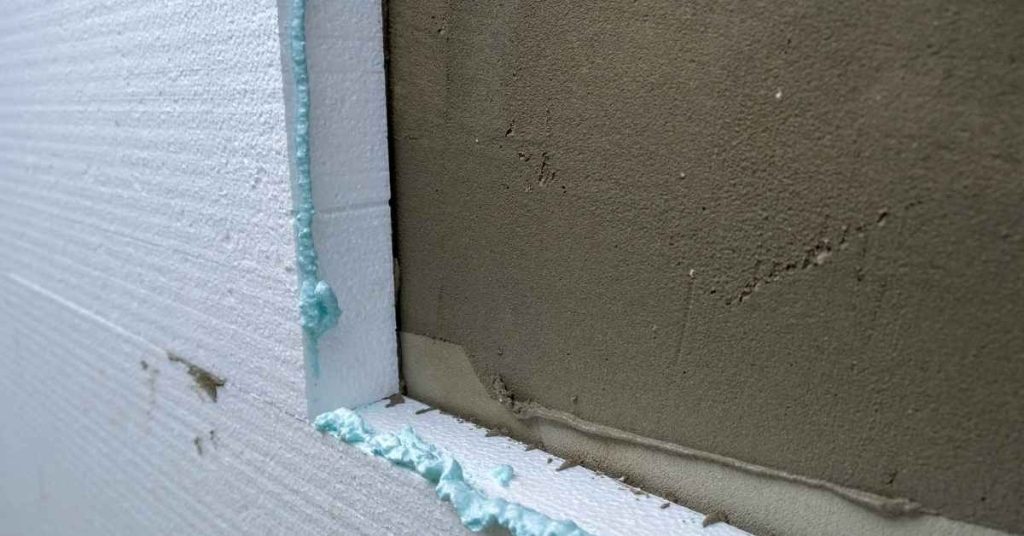
Close-up of stucco edge with foam insulation and sealant

Stucco Parapet Walls: Coping, Cap Flashing, and Why the Top Edge Is the #1 Leak Source

Introduction Coping, cap flashing, and the top edge are the critical areas that control leaks on stucco parapet walls. This article explains why the top edge leaks and how to approach coping and flashing like a DIY job. Because every project is different, check manufacturer instructions and local rules for your setup. We’ll cover coping

Stucco Parapet Walls: Coping, Cap Flashing, and Why the Top Edge Is the #1 Leak Source Read More »

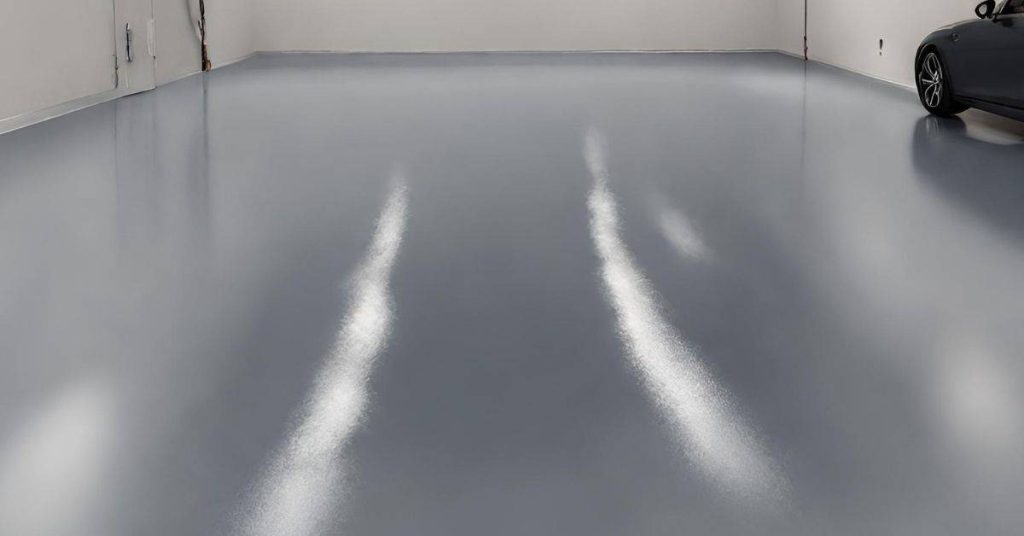
Smooth grey epoxy coated concrete floor in garage

Concrete Crack Sealants: Polyurethane, Epoxy, MMA, and Why ‘Flexible’ Isn’t Always Better

Introduction Concrete crack sealants come in polyurethane, epoxy, and methyl methacrylate (MMA), and the goal is to seal cracks while allowing some movement. In practical DIY terms, you choose based on how much movement the crack will have, the exposure, and what the product label recommends. Always check the manufacturer instructions and local rules before

Concrete Crack Sealants: Polyurethane, Epoxy, MMA, and Why ‘Flexible’ Isn’t Always Better Read More »

Concrete columns with exposed steel reinforcement bars

Repairing Concrete Exposed to Acids: What Can Be Neutralized and What Must Be Removed

Introduction Acid-exposed concrete can sometimes be neutralized on the surface, but damaged material must be removed. This DIY overview explains what you can safely treat and how to tell when removal is necessary. It keeps the process practical and plain-language, like a job you can tackle on a weekend. Begin by cleaning, neutralizing per label

Repairing Concrete Exposed to Acids: What Can Be Neutralized and What Must Be Removed Read More »

Smooth glossy gray epoxy coated floor inside a room

Dealing With Soft, Carbonated Surface Paste: Grind Depth, Densifiers, and Coating Compatibility

Introduction Soft, carbonated surface paste is the chalky, weakened layer on concrete that needs removal or stabilization before finishing. Start with a small test spot to gauge how deep you’ll need to grind, and avoid taking off more than necessary. Always check the tool’s pad wear and the manufacturer or local rules for safe grind

Dealing With Soft, Carbonated Surface Paste: Grind Depth, Densifiers, and Coating Compatibility Read More »

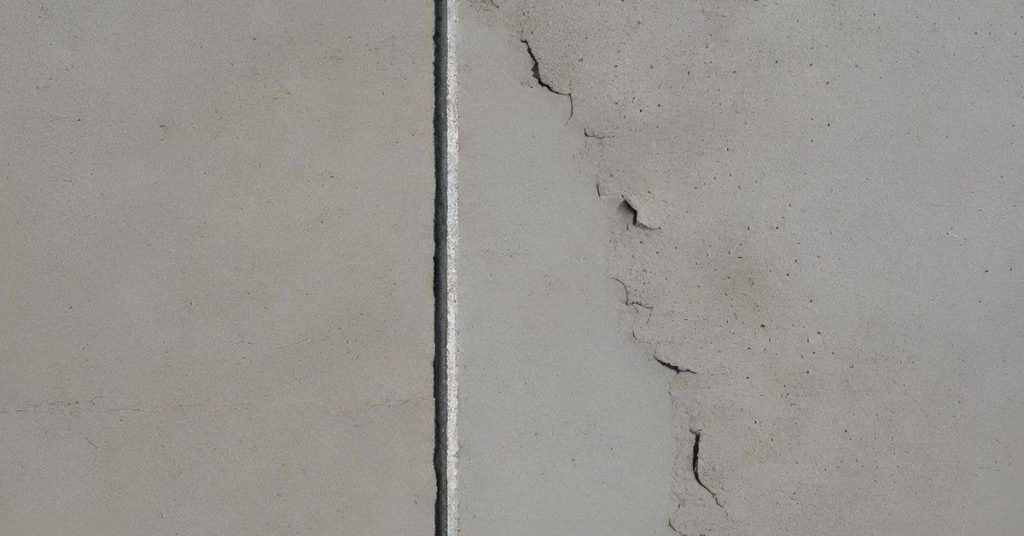
close-up of cracked concrete wall surface and joint

ASR Cracking in Existing Concrete: Diagnosis, Repair Limits, and Replacement

Introduction Suspected alkali-silica reaction (ASR) is not a DIY crack-repair diagnosis. Map cracking, dampness, gel-like deposits, spalling, or displaced joints can suggest ASR, but freeze–thaw damage, drying shrinkage, reinforcement corrosion, settlement, and structural movement can look similar—and can occur at the same time. Before approving an ASR-specific repair, document the distress, rule out urgent structural

ASR Cracking in Existing Concrete: Diagnosis, Repair Limits, and Replacement Read More »