Search Results for: control joint stucco

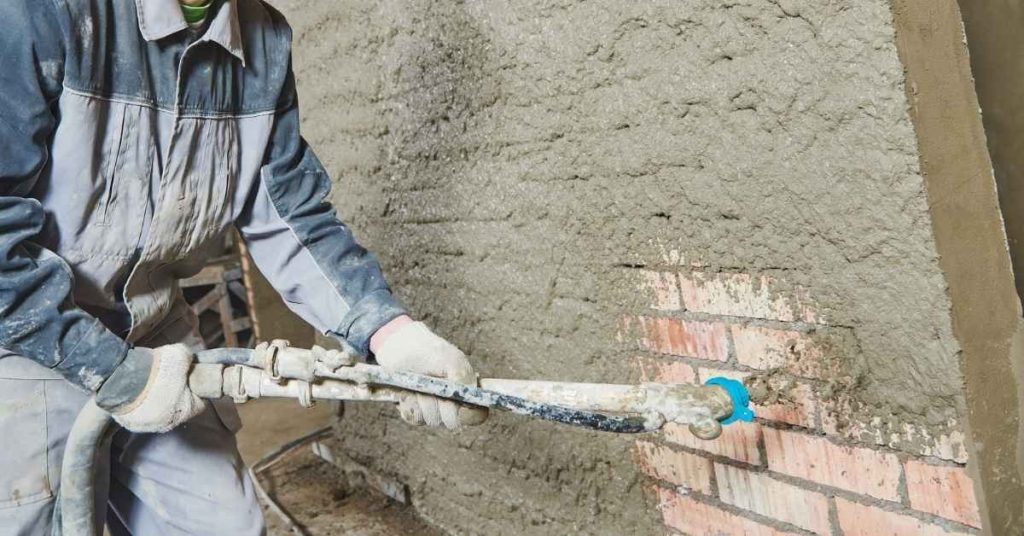
Person spraying wet stucco on brick wall

How to Stucco Done Right Correctly – DIY Steps + Stop Points

Introduction Stucco is a layered exterior finish you apply in coats to protect and decorate a wall. Doing it right means preparing the surface, choosing the right materials, and following a logical sequence. This article walks you through practical steps and common stop points so you can DIY with confidence. We’ll cover surface prep, material […]

How to Stucco Done Right Correctly – DIY Steps + Stop Points Read More »
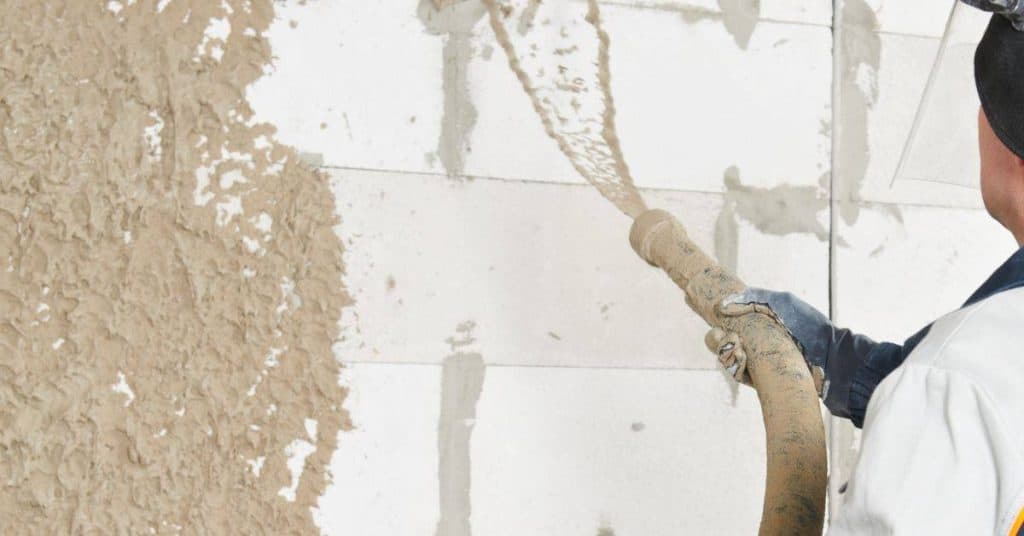
Person spraying wet stucco onto a wall with hose

How to Stucco Home Question Correctly – DIY Steps + Stop Points

Introduction This is a practical DIY guide to stuccoing a home correctly, with step-by-step actions and clear stop points. You’ll learn how to prepare the surface, mix the stucco, apply the base coat, and finish with top coats using common hand tools. Keep in mind this is hands-on work, not a read-through, and outcomes depend

How to Stucco Home Question Correctly – DIY Steps + Stop Points Read More »

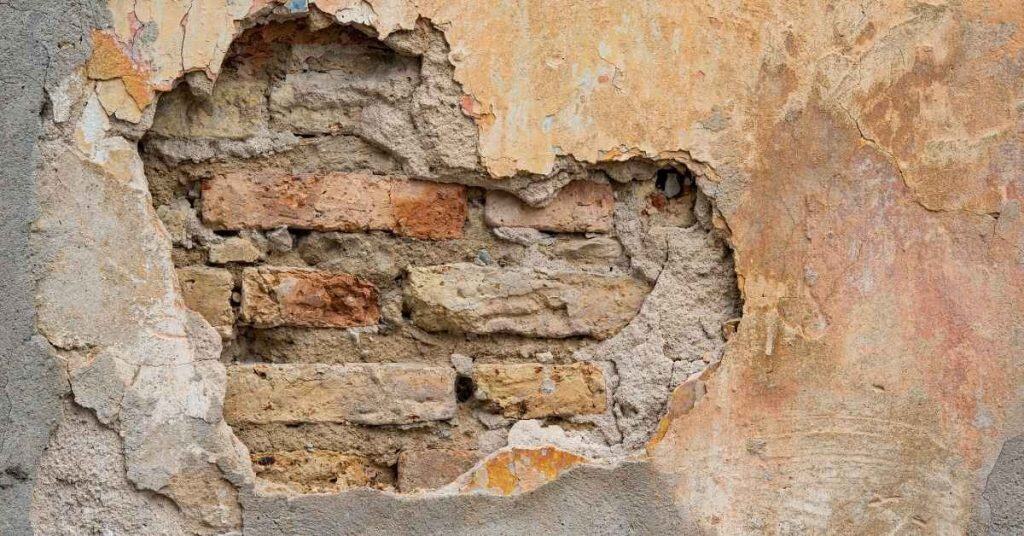
Damaged stucco with hollowed areas exposing brick underneath

How to Fix Loose or Hollow-Sounding Stucco (Delamination Repair)

Introduction Delamination in stucco occurs when the outer stucco layer loses its bond to the underlying substrate, creating a hollow or tinny sound when tapped. Visually, you’ll see cracks, bubbling, or patches that feel loose or wiggle under pressure. That combination signals a likely delamination that needs closer inspection. To assess it, gently probe suspected

How to Fix Loose or Hollow-Sounding Stucco (Delamination Repair) Read More »

Metal hose bib mounted on textured stucco wall

How to Repair Stucco Holes Around Pipes, Lights, and Hose Bibs

Introduction Repairing stucco holes around pipes, lights, and hose bibs means patching and sealing the open gaps in the exterior surface so water can’t seep in. Identify what caused the hole and what material surrounds it, since different hole types call for different patching approaches. Choose a cement-based patch that fits the hole type and

How to Repair Stucco Holes Around Pipes, Lights, and Hose Bibs Read More »

close-up of blue textured stucco wall surface

How to Patch Small Stucco Cracks That Keep Coming Back

Introduction Recurring small stucco cracks can be patched, but success depends on whether movement has stopped. Common DIY methods include caulking, meshing with reinforcement, or applying a new coat over the repaired area. Before you patch, assess how many cracks there are and whether they seem to be spreading, which guides your method. Expect patches

How to Patch Small Stucco Cracks That Keep Coming Back Read More »

Hand smoothing fresh stucco scratch coat on wall

Stucco Layers Explained: Lath, Scratch, Brown, and Finish Coats

Introduction Traditional exterior stucco is a coordinated wall assembly, not simply several layers of cement. On a framed wall, the usual sequence is drainage layer and flashings, lath, scratch coat, brown coat, and finish coat. Each part has a different job; a failure behind the visible finish can cause staining, cracks, or loose stucco later.

Stucco Layers Explained: Lath, Scratch, Brown, and Finish Coats Read More »

close-up of white textured stucco wall surface

How to Identify Your Stucco Type (Traditional, Acrylic, Eifs) Before Repairing

Introduction Identifying your stucco type means distinguishing traditional cement or lime-based stucco from acrylic and EIFS. Traditional stucco is usually cement-based, acrylic uses polymers, and EIFS adds an insulated finish. Check the surface feel, appearance, and any labeling to confirm the type before starting repairs. Have the right tools and materials on hand, including scrapers,

How to Identify Your Stucco Type (Traditional, Acrylic, Eifs) Before Repairing Read More »