Search Results for: control joint stucco

Hand with glove applying stucco using metal trowel on wall

3-Coat Stucco vs. One-Coat Stucco vs. EIFS

Introduction Traditional 3-coat stucco, one-coat stucco, and EIFS are complete exterior wall-cladding assemblies—not interchangeable finish products. The right choice depends on the wall type, drainage and flashing design, insulation goal, local code, and whether a trained installer is available for the exact specified system. Short version: Choose 3-coat stucco for a conventional cement-plaster assembly when […]

3-Coat Stucco vs. One-Coat Stucco vs. EIFS Read More »

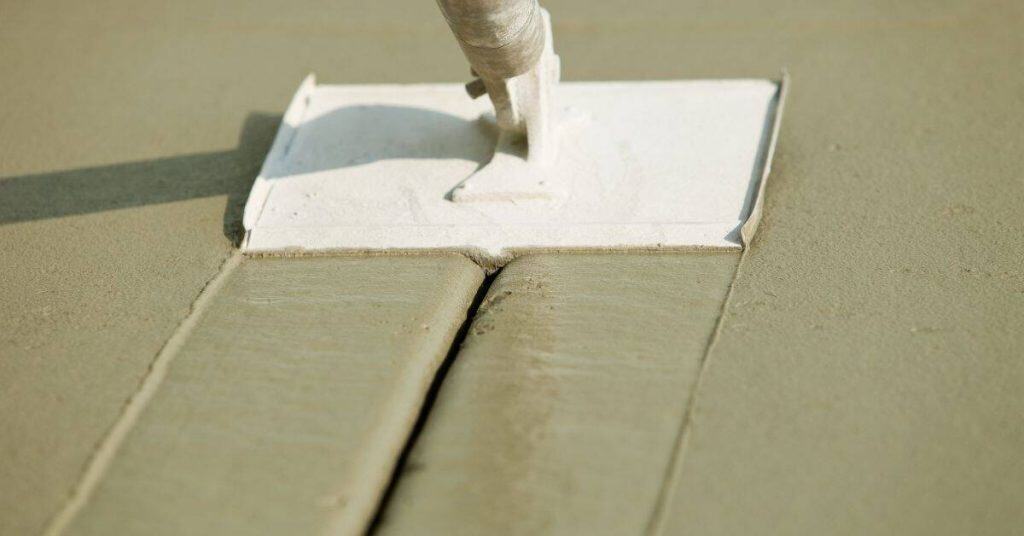
Smooth concrete slab with visible control joint lines

How to Layout Control Joints for a Patio, Driveway, and Garage Slab

Introduction Control joints are intentional gaps placed in a concrete slab to control where it cracks. When laying out a patio, driveway, or garage slab, plan the joints to create a clean, predictable pattern that follows the overall shape. Check local rules and the product instructions for allowable spacing and methods before you start. Decide

How to Layout Control Joints for a Patio, Driveway, and Garage Slab Read More »

Concrete surface being grooved with a hand tool

Control Joints Vs Expansion Joints in Concrete: Placement, Spacing, and Timing

Introduction Control joints are deliberate grooves that control where cracks form, while expansion joints separate slabs to accommodate movement. In practice, placement is planned during finishing to guide cracking, and timing depends on how the concrete cures and hardens. Always check manufacturer instructions and local rules for any specific requirements. Spacing and type depend on

Control Joints Vs Expansion Joints in Concrete: Placement, Spacing, and Timing Read More »

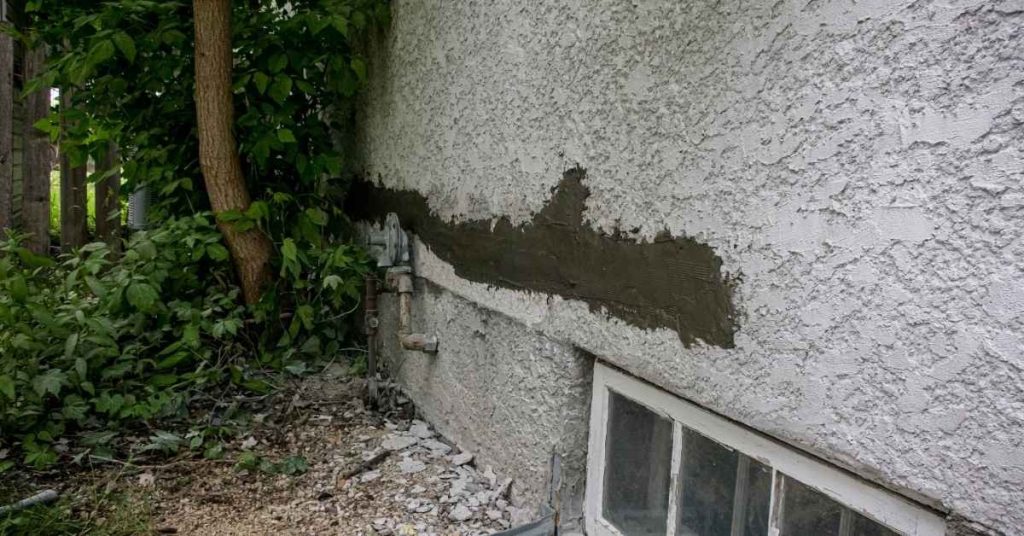
Stucco Color Coat Repairs: Why They Fail and How to Avoid Weak “Skim” Patches

Stucco Color Coat Repairs: Why They Fail and How to Avoid Weak “Skim” Patches

Introduction A Stucco Color Coat Repair is fixing the top stucco layer to seal cracks and restore the surface. This kind of patch relies on proper surface prep, compatible material, and a smooth skim to blend with the surrounding wall. If the skim is weak, patches can crack, delaminate, or look obvious. You’ll need basic

Stucco Color Coat Repairs: Why They Fail and How to Avoid Weak “Skim” Patches Read More »

Parapet Caps and Stucco: Where Water Gets in and How to Detail the Top Edge

Parapet Caps and Stucco: A Step-by-Step Timeline for Installation and Top-Edge Detailing

Introduction The installation of parapet caps is a critical step in protecting your building’s exterior from water intrusion. But how long does it take, and what are the key steps involved? In this guide, we’ll walk you through a detailed timeline for installing stucco parapet caps, ensuring that each stage is completed efficiently and effectively.

Parapet Caps and Stucco: A Step-by-Step Timeline for Installation and Top-Edge Detailing Read More »

Chimney Stucco Failures: Heat

Chimney Stucco Failures: Heat – Timeline & Duration of Repairs

Introduction The timeline and duration of chimney stucco repairs can vary greatly depending on the extent of heat damage. Understanding this timeline helps you plan your project effectively. In this guide, we’ll walk you through the step-by-step process of repairing heat-damaged chimney stucco, focusing on how long each stage takes and what affects the overall

Chimney Stucco Failures: Heat – Timeline & Duration of Repairs Read More »

Stucco Texture Options That Hide Repairs: Sand Float Vs Lace Vs Dash Vs Skip Trowel

Stucco Repair Timeline: Step-by-Step Guide to Hiding Repairs with Sand Float, Lace, Dash, and Skip Trowel Textures

Introduction Embarking on a stucco repair project? Understanding the timeline is crucial for planning your work efficiently. This guide walks you through the step-by-step process of hiding repairs using sand float, lace, dash, and skip trowel textures, ensuring you complete each task within the right timeframe. Whether you’re a seasoned DIYer or a first-timer, this

Stucco Repair Timeline: Step-by-Step Guide to Hiding Repairs with Sand Float, Lace, Dash, and Skip Trowel Textures Read More »

Stucco Patch Curing Stains: How to Reduce “Dark Rings” Around Repairs

Stucco Patch Curing Stains: How to Reduce “Dark Rings” Around Repairs

Introduction Dark rings around stucco repairs are staining caused by moisture during the curing process. This article calls out a practical, hands-on approach to reduce those stains while you patch. What you do and when you do it matters for a cleaner, longer-lasting repair. Plan ahead for weather, especially in Eugene, and keep the surface

Stucco Patch Curing Stains: How to Reduce “Dark Rings” Around Repairs Read More »

Fasteners Through Stucco: Sealing Strategies That Don’t Create a Water Trap

Sealing Fasteners Through Stucco: A Step-by-Step Timeline to Avoid Water Traps

Introduction The process of sealing fasteners through stucco can seem daunting, but with a clear understanding of the timeline and steps involved, you can ensure a watertight finish that lasts. This guide walks you through the entire process, from site assessment to final inspection, with an emphasis on how long each step takes. Whether you’re

Sealing Fasteners Through Stucco: A Step-by-Step Timeline to Avoid Water Traps Read More »