Search Results for: contractor to pour concrete slab

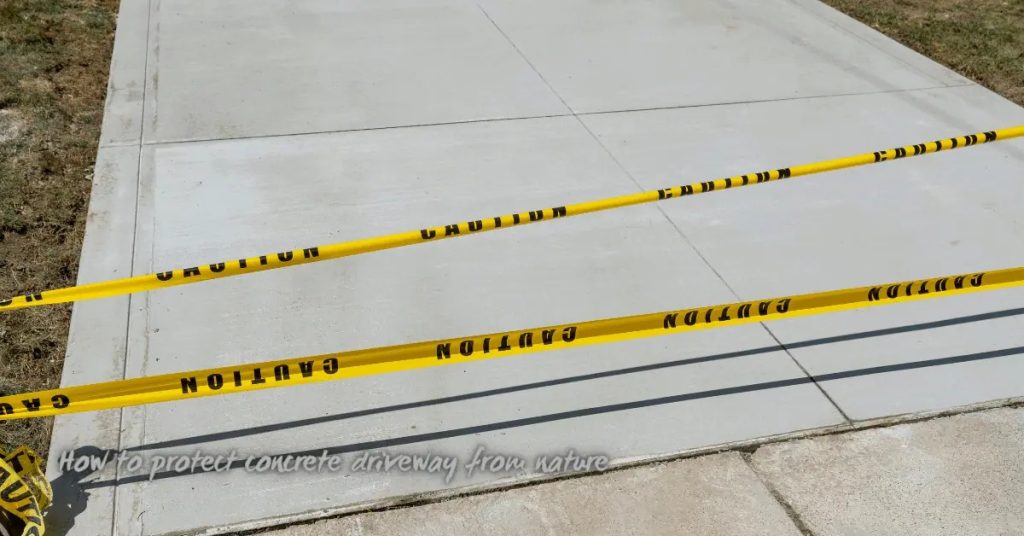
Concrete driveway section blocked by yellow caution tape

Concrete Vapor Barrier Seams and Penetrations: Tape, Patches, and “Oops” Fixes

Introduction A concrete vapor barrier seam is the joined, airtight edge where barrier material meets itself or a patch. Tape and patches are used to seal these seams, and proper technique means clean surfaces, careful pressure, and following the material’s instructions. Penetrations like pipes or conduits must be sealed carefully at the edge where they […]

Concrete Vapor Barrier Seams and Penetrations: Tape, Patches, and “Oops” Fixes Read More »
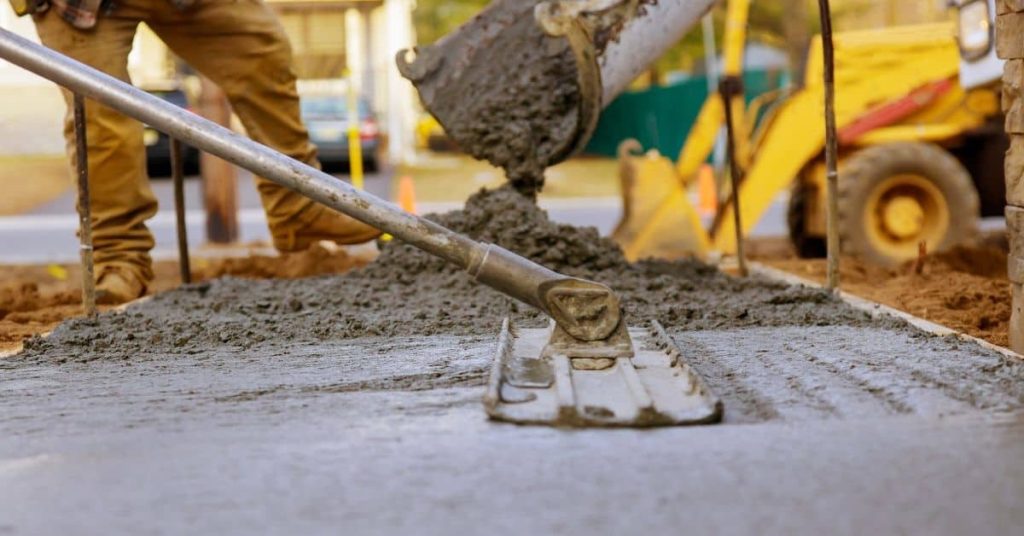
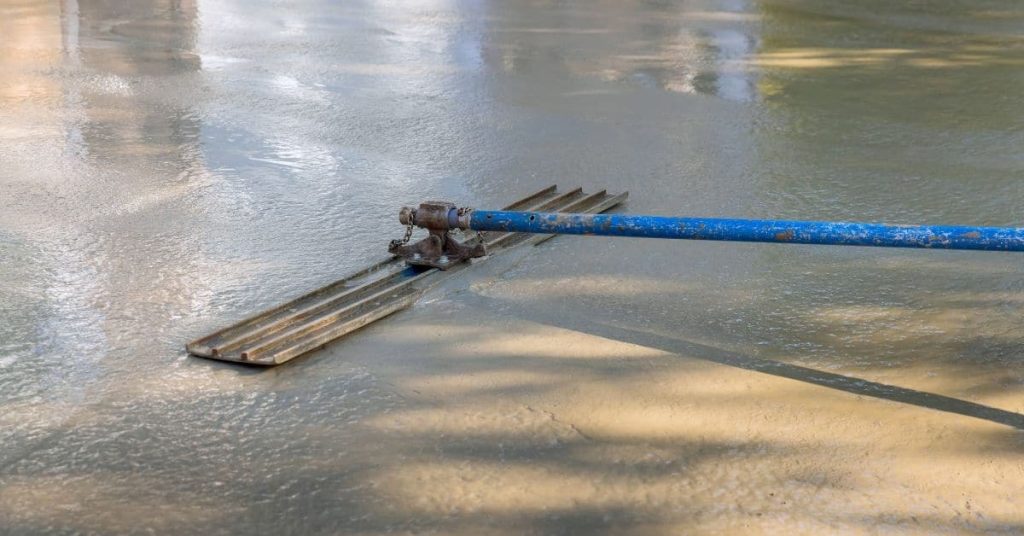
Worker leveling wet concrete with screed tool

DIY Compaction Checks Before Concrete: Moisture, Pass Counts, and Simple Field Tests

Introduction Compaction checks before pouring concrete means testing how tightly the soil is packed and how wet it is to see if it’s ready for formwork. Getting this right helps prevent settling, cracks, and uneven slabs. In this article, we’ll cover moisture checks, visible pass counts, and quick field tests you can do on site.

DIY Compaction Checks Before Concrete: Moisture, Pass Counts, and Simple Field Tests Read More »

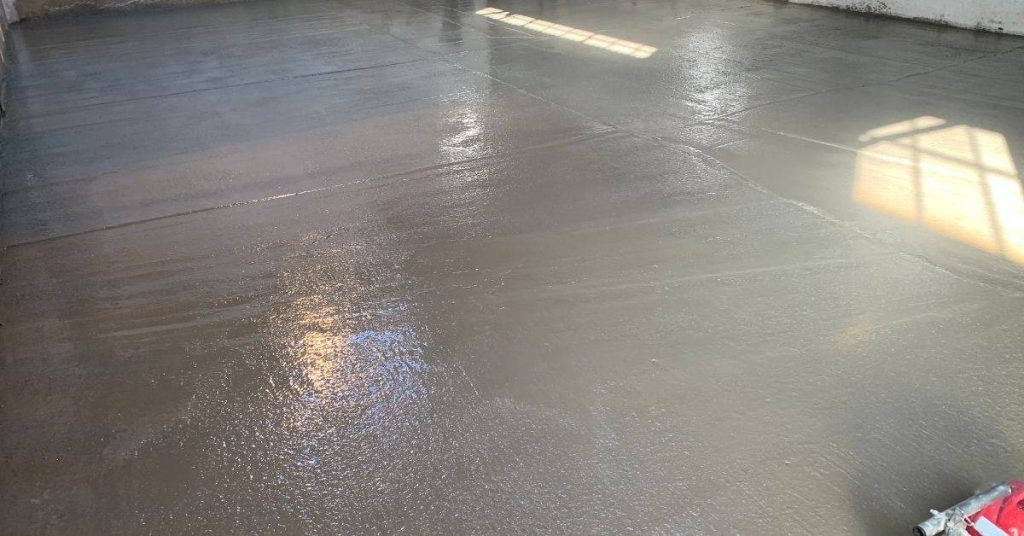
Freshly poured smooth wet concrete slab inside a building

Concrete Slab Curling on Small Pours: How to Measure It and Prevent the Next One

Introduction Curling is when a concrete slab lifts in the middle as it cures. Causes include moisture differences, improper edge drying, and uneven shrinkage during curing. On small pours, wind and heat shifts can worsen the effect. To measure curling, check for a ridge or gap at the edges by placing a straightedge across the

Concrete Slab Curling on Small Pours: How to Measure It and Prevent the Next One Read More »

Pile of crushed concrete outdoors under clear sky

GFRC Concrete Face Coat Troubleshooting: Pinholes, Fiber Behavior, and Timing

Introduction GFRC face coat troubleshooting is diagnosing and fixing common issues like pinholes, fiber behavior, and timing mistakes in GFRC mixes. This guide aims to give practical, hands-on steps you can check on the job site. Start by confirming your mix design and how the fibers are added, since those drive surface quality. Pinholes tend

GFRC Concrete Face Coat Troubleshooting: Pinholes, Fiber Behavior, and Timing Read More »

Red concrete pump booms set against clear blue sky

Concrete Color Samples That Match Reality: Mockups, Cure Time, and Sealer Darkening

Introduction Concrete color samples are real-life previews of how your finish will look after curing and sealing. These mockups help you see how shade, texture, and sheen change as the concrete dries. Real results can vary with cure time and the darkening effect of sealers, so plan for some variability. If you’re considering lime paint

Concrete Color Samples That Match Reality: Mockups, Cure Time, and Sealer Darkening Read More »

Close-up of concrete floor grinding machine in action

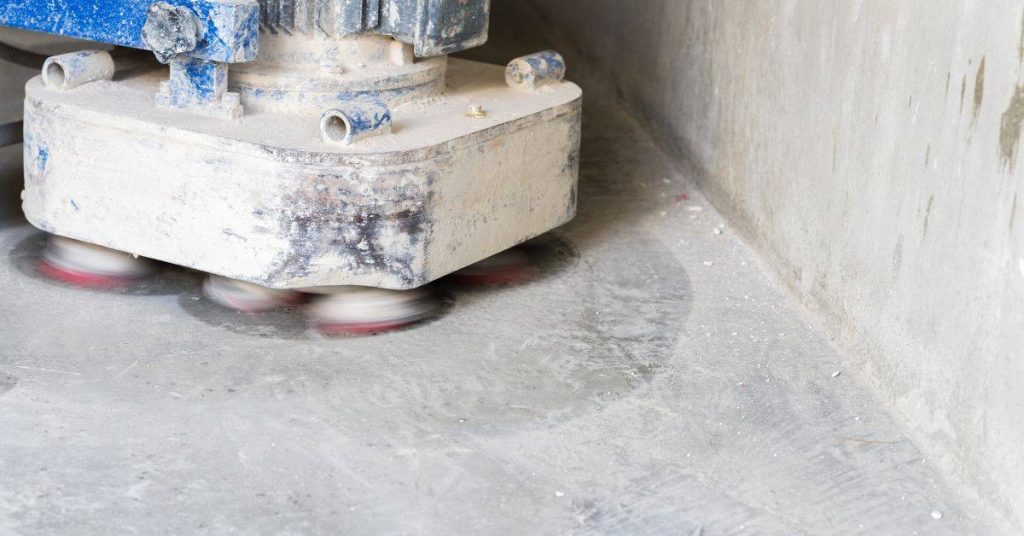
Grinding High Spots on Concrete: How Deep Is Safe Before You Hit Trouble

Introduction Grinding high spots on concrete is the process of removing tiny amounts of surface to bring the floor to a level plane. It’s a hands-on job that starts with locating the high spots and planning the approach, not blasting away blindly. Check your grinder’s guard, power rating, and the manufacturer’s instructions before you begin,

Grinding High Spots on Concrete: How Deep Is Safe Before You Hit Trouble Read More »

Stone-look concrete gate pillars with metal fence panels

Stone-Look Concrete Finishes: Rub Techniques, High Spots, and Sealer Choices

Introduction Stone-Look Concrete Finishes are achieved by rubbing and refining a concrete surface to resemble natural stone. On the job, you’ll use hand tools and trowels to work the surface while it’s still workable, then wipe, rub, and burnish to blend colors. Check product labels and manufacturer instructions for cure times and safety before starting.

Stone-Look Concrete Finishes: Rub Techniques, High Spots, and Sealer Choices Read More »

Close-up of rebar and wooden formwork for concrete slab

Garage Door Slab-Edge Rebuild in Concrete: Pinning, Isolation, and Durable Transitions

Introduction This is a practical overview of rebuilding a garage door slab edge by pinning the slab, isolating it to allow movement, and creating durable transitions to surrounding concrete. It explains the core idea in plain language, with a hands-on, DIY-friendly tone. You’ll get a straightforward sense of how these parts fit together and what

Garage Door Slab-Edge Rebuild in Concrete: Pinning, Isolation, and Durable Transitions Read More »

Freshly poured smooth wet concrete slab inside a building

Broom-Finished Concrete Driveways: Timing, Direction, and Tear-Out Prevention

Introduction A broom-finished concrete driveway is a surface texture created by brushing a broom over freshly poured concrete to leave short, even lines. This finish adds a non-slip surface and a utilitarian look that hides minor imperfections as it wears. Keep the work simple and consistent, moving at a steady pace and planning your crossings

Broom-Finished Concrete Driveways: Timing, Direction, and Tear-Out Prevention Read More »