
Introduction
Balcony concrete slopes are the angled surfaces on a balcony that direct water toward the edge so it drains away. This guide covers using screed rails to shape the slope, checking with a laser level, and detailing the edge to keep water from wicking. Work with a steady hand and plan to recheck as you go to avoid low spots at corners.
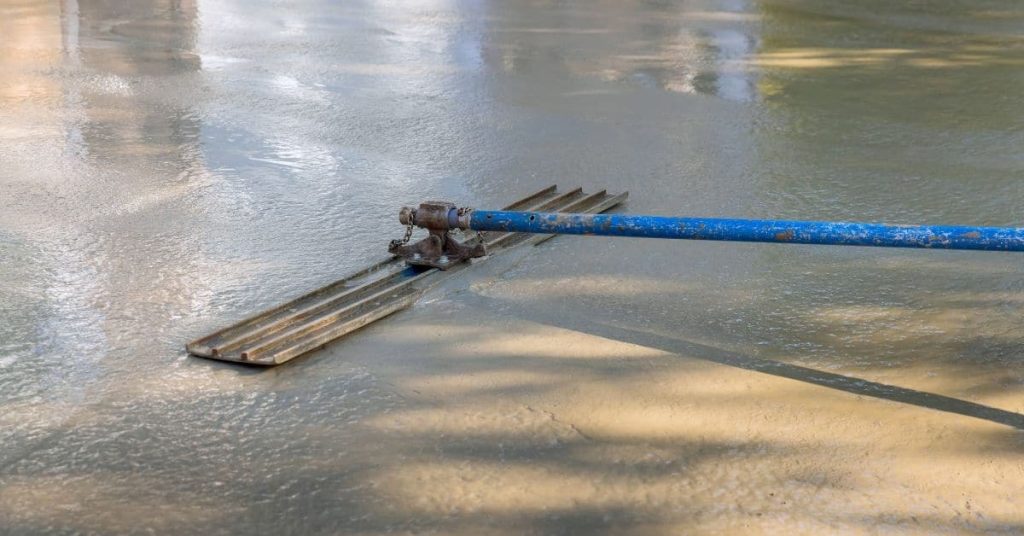
For a large area, set up screed rails at the high point and pull the screed or straightedge across in steady passes. Keep a laser level reference handy to check the slope along multiple spots, and adjust by adding or removing mix at the edge. Wear gloves, eye protection, and keep the work area clean to avoid trips and mistakes.
Key takeaways
- Plan slope direction before screeding, aligning with drain and balcony edges.
- Set screed rails level and stable to maintain uniform balcony slope.
- Use laser level or rotating laser for precise height checks daily.
- Edge detailing includes waterproof transitions and proper bonding with flashing or sealant.
- Inspect for low spots and voids; repair before final curing.
- Safety first: PPE, edge protection, and organized tools reduce on-site injuries.
Table of Contents
- Introduction
- Key takeaways
- Why Correct Balcony Slopes Matter
- Planning and Preparation Before Screeding
- Tools and Materials Checklist
- Screed Rails and Techniques for Large Balcony Areas
- Laser Checks, Measuring and Verification
- Edge Detailing and Waterproofing Transitions
- Common Mistakes, Troubleshooting and Repairs
- Cost, Time Estimates and DIY Vs Professional Decision
- Conclusion
- FAQ
Why Correct Balcony Slopes Matter
The slope of a balcony isn’t decorative; it directs water away from the structure to protect waterproofing and extend finish life. A well-planned grade helps keep coatings, membranes, and deck finishes dry and durable. A flat or ponding surface invites trouble and costly repairs.
Drainage performance ties directly to occupant safety and material longevity. Ponding can contribute to slip risk when wet and freeze-thaw damage in cold seasons. Look for signs of edge issues, clogged drains, and inadequate slope at corners as red flags that drainage isn’t doing its job.
Drainage and water management
Balcony slopes are crucial for managing water away from the structure. A proper fall directs rainwater and melted snow towards drains, preventing moisture intrusion.
Without a slope, water can pond on the surface, leading to standing water that seeps into cracks or weak points in the concrete over time.
Remember, even a slight slope makes a big difference. Aim for around 1-2% gradient towards your drains.
Structural and finish longevity
A well-designed slope protects your balcony’s structural integrity and finish durability. Water that doesn’t pool on the surface is less likely to cause damage over time.
Proper drainage reduces the risk of freeze-thaw distress, where water expands as it freezes, cracking or spalling the concrete.
It also extends the life of coatings or membranes by minimizing exposure to standing water. Regular slope checks ensure your balcony stays protected.
Code and warranty considerations
Before starting any work, check local building codes for required slope ranges. These vary by region, so it’s important to know the specifics for your area.
Also, review product warranties for waterproofing materials. Many require a minimum slope to maintain coverage.
Ensuring your balcony meets these requirements protects you from potential legal issues and voided warranties down the line.
Planning and Preparation Before Screeding
Start with a site-specific survey and access plan that covers balcony dimensions, edge heights, railing clearances, and drainage slopes. Note any weight limits from the structural plan and manufacturer guidelines for balcony use during curing. This sets a safe, workable baseline before any concrete goes down.
Define staging, containment, and pathing to keep moisture, debris, and people moving safely. Coordinate with waterproofing, tiling, railing, and drainage crews to minimize rework and protect existing services. Prepare equipment and safety protocols so you can work efficiently without compromising the balcony or its neighbors.
Site assessment and survey
Before you start, check the balcony’s condition. Look for cracks, loose material, or signs of water damage.
Fall direction: Check where water flows to ensure proper drainage. This helps avoid pooling and future issues.
Drain locations: Locate all existing drains. Make sure they’re clear and functioning properly.
Measure reference elevations using a laser level or similar tool. This ensures your slopes are accurate and consistent.
Permits and building codes
Check if you need permits for this work. Your local building department can advise.
Fire & waterproofing: Ensure your concrete meets fire resistance ratings and waterproofing standards. This is crucial, especially in high-rise buildings.
High-rise safety: Follow rules for working at height. Inspect balconies regularly to ensure they’re safe for work.
Consult with a structural engineer if you’re unsure about any aspect of your project’s compliance with codes and regulations.
Safety plan and PPE
Fall protection: Use guardrails, safety nets, or personal fall arrest systems where necessary. Always wear a harness when working at height.
Edge containment: Install screed rails to contain the concrete and prevent falls.
Ventilation: Ensure proper ventilation to protect against harmful dust and fumes from wet concrete.
Wear appropriate PPE, including hard hats, safety glasses, gloves, and steel-toe boots. Always follow manufacturer guidelines for your specific equipment.
Tools and Materials Checklist
Core tools and consumables include screed rails, straightedges, a laser level, grade rods, floats, trowels, mesh, and appropriate concrete mixes. Add region-specific admixtures only after checking local guidelines and engineer instructions. This list keeps the job moving without constant tool hunting.
Selection criteria focus on rail lengths and materials (aluminum vs. plastic), mix design guidelines, slump targets, and when to involve a structural engineer for concrete specs. Verify compatibility with edge detailing and curing requirements before pouring.
Hand and power tools (screed rails, laser levels, rakes)
Before you start screeding your balcony concrete slope, ensure you have all the right tools. This checklist helps you prepare.
- Screed Rails: Choose aluminum for strength and durability. Check lengths match your longest slope.
- Laser Level: Ensure it’s calibrated before use. Accuracy is key for consistent slopes.
- Straightedges: Use for fine-tuning after screeding. Check they’re straight and undamaged.
- Rakes: Needed to strike off excess concrete. Ensure tines are intact.
- Floats: For finishing the surface. Check for damage or wear.
- Trowels: For final smoothing. Inspect for straight edges and no bends.
Quick rule: Always check tools before use to avoid job-site delays.
Material selection (concrete mixes, additives, edge profiles)
Selecting the right materials ensures a durable, long-lasting balcony slope. Here’s what to consider.
- Concrete Mix: Choose a mix designed for slabs and slopes. Check with your supplier or engineer.
- Admixtures: Consider adding shrinkage-reducing or bonding agents. Follow manufacturer guidelines.
- Edge Profiles: Use durable, weather-resistant profiles. Avoid sharp edges for safety.
Quick rule: Always follow manufacturer specs and engineer instructions for material selection.
Accessories and temporary supports (formwork, mesh, sealants)
These accessories help create a strong, durable balcony slope. Don’t forget to include them in your plans.
- Formwork: Use sturdy, well-maintained formwork. Check for leaks or weak points before pouring.
- Reinforcement Mesh: Include it for added strength. Ensure it’s properly anchored.
- Temporary Anchors: Use to secure formwork. Check they’re secure and level.
- Membrane Protection: Apply a waterproof membrane to prevent dampness. Follow manufacturer guidelines.
- Sealants: Choose compatible sealants for joints and edges. Ensure they’re suitable for your concrete mix.
Quick rule: Always use quality accessories and supports for a strong, lasting balcony slope.
Screed Rails and Techniques for Large Balcony Areas
Establish reference geometry first by using laser checks, string lines, and well-spaced marks to guide screed rail placement. This keeps slopes consistent as you move across wide surfaces. Avoid guesswork that leads to uneven edges or misaligned drains.
Screed rail layout for large areas involves choosing rail type, spacing along the edges and mid-span, and a secure anchoring method to prevent movement during pours. Plan substrate prep, edge containment, and cure conditions so you can maintain a continuous, uniform slope without flattening joints.
Setting screed rails and reference points
Start by establishing your main slope, run, and fall using laser checks and string lines. Mark these reference points across the balcony at regular intervals.
Secure temporary aluminum or steel screed rails to these marks. Use rail spacers along slab edges and mid-span for stability. Anchor them firmly to prevent movement during pouring.
Pro tip: Ensure rails are level and plumb, following your reference lines exactly. This maintains a consistent slope across the entire balcony area.
Pipes, screeders and continuous screeding methods
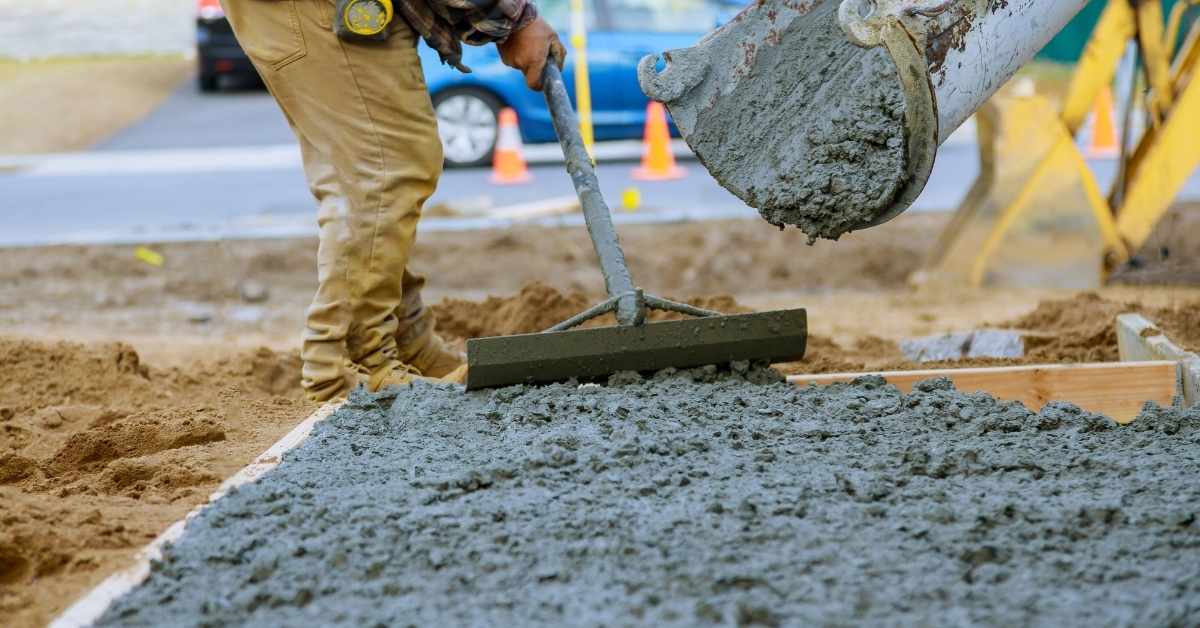
For large balconies, use pipes or straightedges as additional screeds to maintain a consistent depth. Run them parallel to your rails.
When screeding, work in a smooth, continuous motion. Keep the tool’s edge in contact with the rail and pipe at all times. This ensures an even pass across the entire slab.
Pro tip: Use a 2×4 or similar straightedge for smaller areas to maintain control and consistency.
Working in sections and managing joints
Divide your balcony into manageable sections. Pour, screed, and finish each section before moving on to the next. This helps maintain a consistent slope and avoids redistributing unset concrete.
Create clean construction joints by back-flagging them with a trowel or jointing tool before pouring. This prevents the new slab from bonding to the existing one.
Pro tip: Tie new screeds into existing slabs using a ‘staggered’ approach. This helps distribute loads evenly and prevents cracking at joints.
Laser Checks, Measuring and Verification
Before pouring, select the appropriate laser level and complete calibration steps to ensure horizontal and vertical accuracy. Start with a known reference and confirm line readings align with grade rods across the balcony. A solid setup reduces ongoing rework later.
Establish check-point locations and spacing, such as ends, midspan, and transitions to doors or railings, and decide monitoring frequency. Record readings and flag deviations so you can correct any slope issues before proceeding with more screed passes.
Choosing and operating laser levels for slopes
Laser levels are your eyes on the job. Pick one that’s self-leveling, has a good range, and sits steady on its tripod.
Self-leveling: This ensures accurate readings. Check it works before you start.
Range: The laser should reach from one end of your balcony to the other. Check in real conditions, not just specs.
Laser rod and target workflows (grade rods, check points)
Use this checklist when setting up control elevations with a laser rod and targets.
- Mark ends: Start at both ends. Ensure they’re level and match your plans.
- Midspan checks: Every 2-3 meters, mark midpoints. This catches any dips or humps.
- Transitions: Check where balcony meets doors or railings. These can throw off readings if not accounted for.
- Targets: Use targets to ensure you’re reading the right line. They make it easy to see if your slope’s on track.
- Recheck critical points: After screeding, recheck ends and transitions. These are prone to errors.
- Document readings: Keep a record of your readings. This helps spot trends and troubleshoot issues.
- Compare to plans: Ensure your readings match your plans. If not, adjust your screed rails or re-level.
- Recheck after adjustments: After making changes, recheck your points. Make sure you’re on track.
Quick rule: A