Search Results for: contractor cement

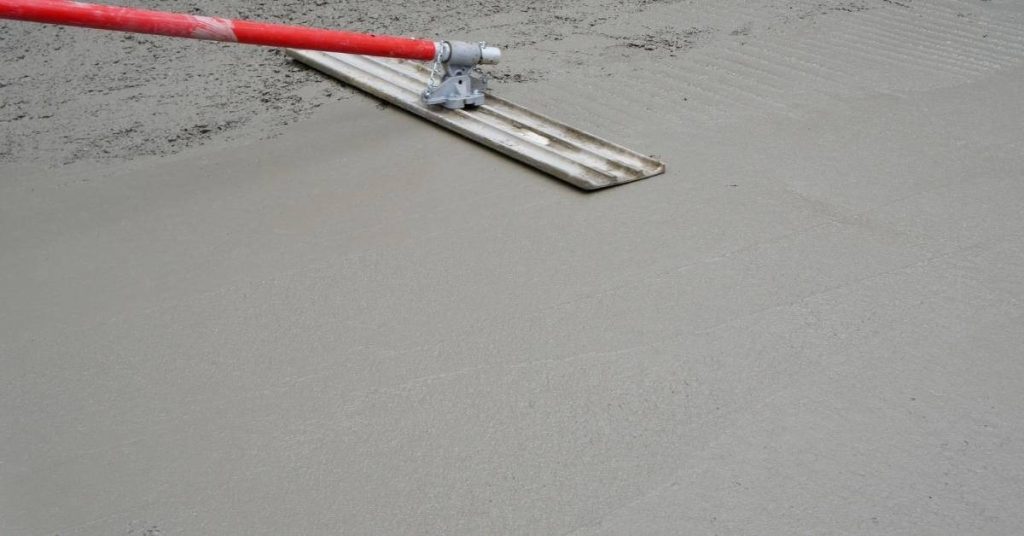
Concrete slab being smoothed with a long-handled screed tool

Scarifier vs grinder on concrete slabs: which tool makes a better overlay profile

Introduction Scarifier (floor planner) and grinder are two concrete tools that produce different overlay profiles. A scarifier removes material with rotating blades to flatten and roughen the surface for bonding. A grinder uses abrasive wheels to shave and finish the surface for a smoother edge. Understanding when each tool is appropriate helps avoid under- or […]

Scarifier vs grinder on concrete slabs: which tool makes a better overlay profile Read More »
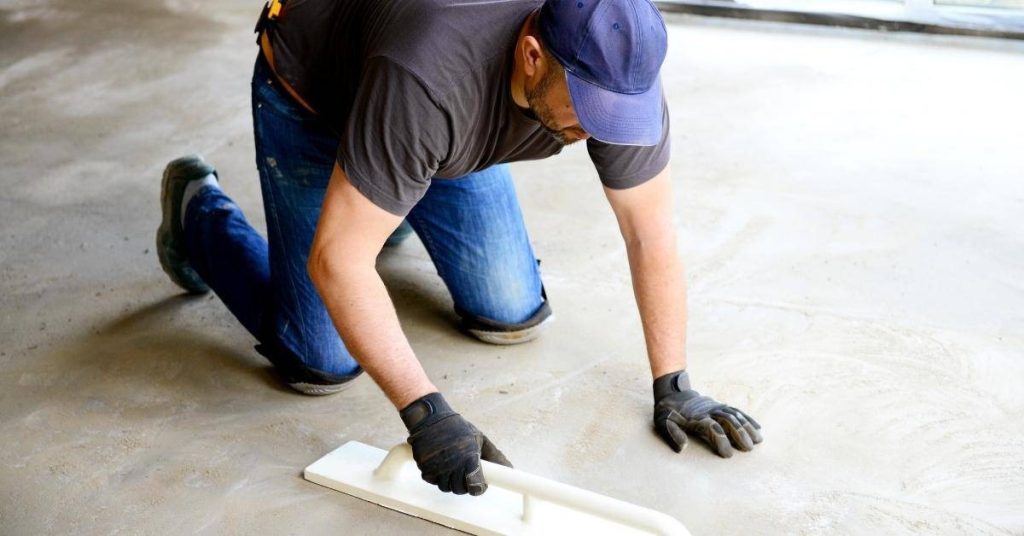
Worker kneeling smoothing wet concrete floor

Stringline vs laser for concrete and masonry layout: when old-school lines beat tech for accuracy

Introduction Stringlines are a traditional layout method using taut string and stakes to mark precise lines for concrete and masonry. Lasers introduce electronic sighting and can be faster, but stringlines can be more accurate in limited spaces or on uneven terrain when properly stretched and aligned. The choice depends on accuracy needs, site conditions, and

Stringline vs laser for concrete and masonry layout: when old-school lines beat tech for accuracy Read More »

Close-up of drill bit drilling into concrete wall

Choosing a mixer for concrete and mortar: drill paddle vs mortar mixer vs tow-behind for your batch size

Introduction Choosing a mixer for concrete and mortar comes down to batch size and material, with drill paddles, stand-alone mortar mixers, and tow-behind units as common options. Drill paddles attach to a drill and work best for small jobs or light mixes, while dedicated mortar mixers and tow-behind models handle larger or tougher batches. Each

Choosing a mixer for concrete and mortar: drill paddle vs mortar mixer vs tow-behind for your batch size Read More »

Concrete driveway ramp with horizontal saw-cut joints

Blending tooled and saw-cut concrete joints: making last-minute changes look intentional

Introduction Blending tooled and saw-cut concrete joints means intentionally combining hand-worked joints with later-cut joints to create a varied, cohesive joint pattern. This approach requires planning the joint locations and finishing texture so appearance looks deliberate. Keep in mind the different tools and methods affect edge quality, so confirm your plan before you cut. Before

Blending tooled and saw-cut concrete joints: making last-minute changes look intentional Read More »

Close-up of drill bit drilling into concrete wall

Fixing loose cap blocks: why they pop and a reset method that survives winter

Introduction Fixing loose cap blocks means resetting and securing the caps so they stay in place through freeze-thaw cycles. Loose caps can pop off from settling, wind, or vibration, and winter conditions make the problem worse. A safe reset method is essential to keep the cap aligned and prevent water intrusion. To reset, clean the

Fixing loose cap blocks: why they pop and a reset method that survives winter Read More »

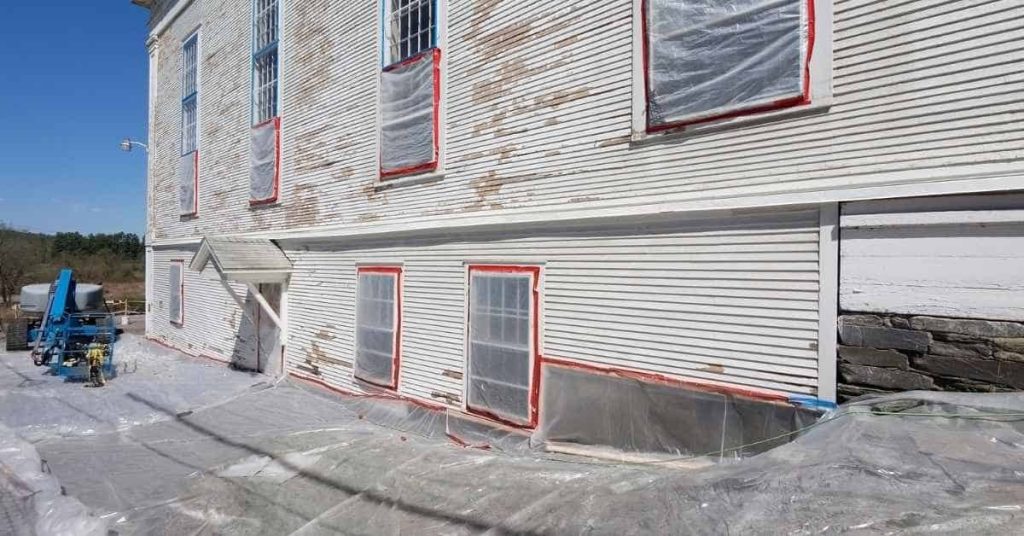
House exterior with windows covered in plastic and taped

Block surface prep for paint: efflorescence, alkalinity, and primer compatibility

Introduction Block surface prep for paint is the process of cleaning and treating concrete block surfaces to remove efflorescence, manage alkalinity, and ensure the primer will adhere properly. This work helps prevent staining and peeling by addressing the minerals that can migrate to the surface. Start by removing visible efflorescence with a brush and water,

Block surface prep for paint: efflorescence, alkalinity, and primer compatibility Read More »

red brick wall with wooden door and concrete steps

Soundproofing block partitions: resilient channels, furring, and sealing gaps

Introduction Soundproofing block partitions means reducing sound transfer by using resilient channels, furring strips, and careful sealing. This is a practical, hands-on approach you can tackle in a DIY project, with steps that rely on basic framing and sealing practices. Start by evaluating the existing wall, then install resilient channels and furring to create a

Soundproofing block partitions: resilient channels, furring, and sealing gaps Read More »

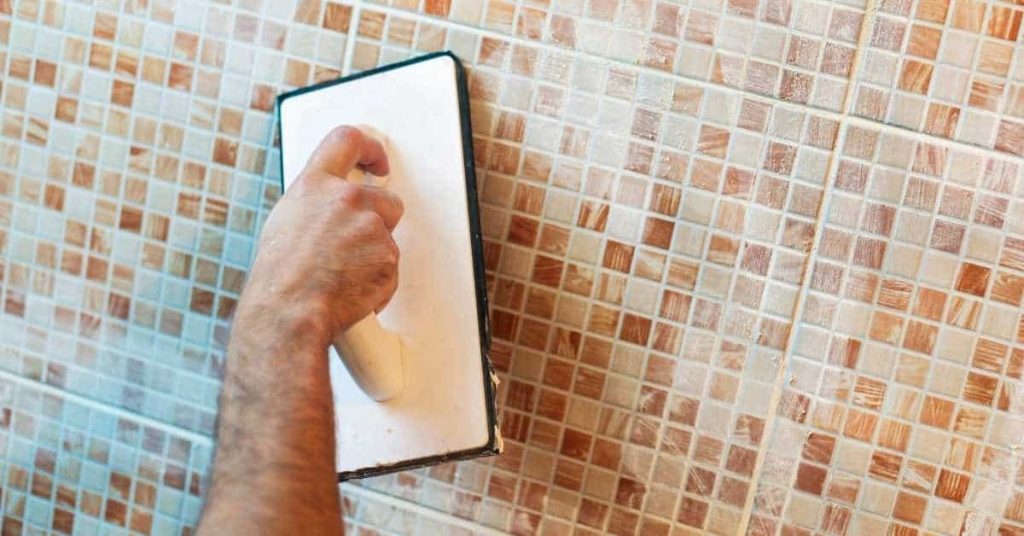
Hand holding grout float over tiled wall

Repairing grout blowouts in block walls: what’s cosmetic and what’s a structural red flag

Introduction Grout blowouts in block walls are gaps where the grout has failed and the fill no longer stays in place. This article helps you tell which gaps are cosmetic and which signal a structural issue. It keeps the focus on safe, practical repairs you can assess from the surface. Start by looking for signs

Repairing grout blowouts in block walls: what’s cosmetic and what’s a structural red flag Read More »

Worker wearing yellow helmet drilling into wall with power drill

Adding drainage to an existing block retaining wall: surface fixes vs partial rebuilds

Introduction Adding drainage to an existing block retaining wall involves improving water handling to prevent pressure buildup behind the wall. It covers surface fixes and partial rebuild options for managing run-off and seepage. This guide stays practical and aims to help you assess signs of drainage problems and choose safe approaches. You’ll start by identifying

Adding drainage to an existing block retaining wall: surface fixes vs partial rebuilds Read More »

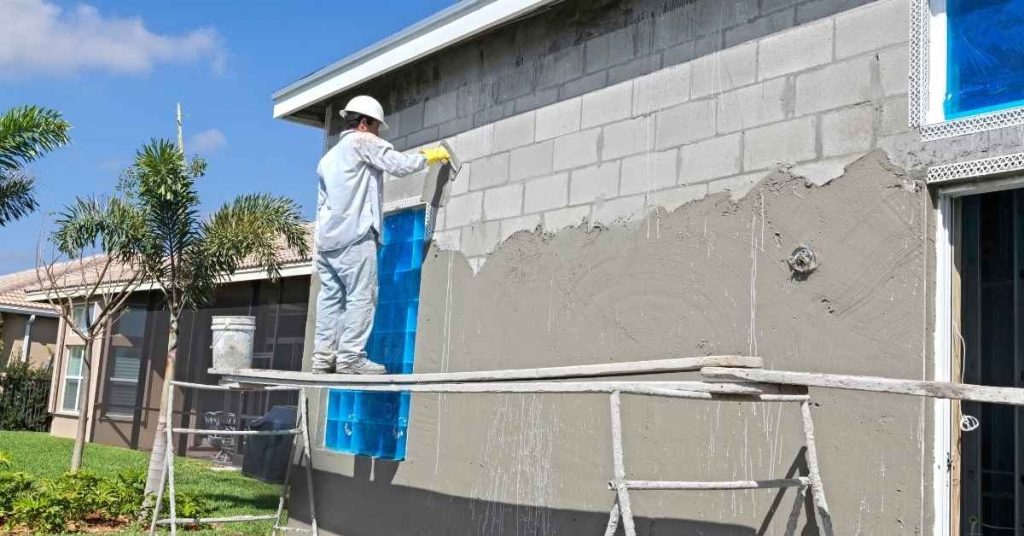
Worker applying stucco on cinder block wall outdoors

Parging vs stucco on block: prep, bonding, and avoiding delamination

Introduction Parging and stucco are two surface finishes for block walls, with parging being a thin cement-based coating and stucco a thicker, textured layer. Both aim to prevent moisture intrusion and create a smooth or textured exterior. The article compares prep, bonding, and how to avoid delamination in each method. Surface prep should start with

Parging vs stucco on block: prep, bonding, and avoiding delamination Read More »