Search Results for: contractor cement

Person using power drill on composite deck boards

Waterproofing block foundations: coatings vs membranes vs drainage boards

Introduction Waterproofing block foundations means choosing between coatings, membranes, or drainage boards to keep moisture from entering the structure. Coatings seal the surface, membranes create a continuous barrier, and drainage boards help direct water away from the wall. Think about how water will contact the wall and what prep is needed before any product is […]

Waterproofing block foundations: coatings vs membranes vs drainage boards Read More »

Row of modern townhouses with siding and brick veneer

Vertical cracks in block walls: shrinkage vs movement and how to monitor them

Introduction Vertical cracks in block walls are cracks that run straight up and down the masonry and are often linked to shrinkage or movement in the structure. They can form as the wall settles or as the blocks and mortar dry and adjust over time. Monitoring these cracks involves simple visual checks and noting any

Vertical cracks in block walls: shrinkage vs movement and how to monitor them Read More »

Worker in hard hat and vest handling rusty rebar

Tying new block walls into old ones: rebar lap details that keep cracks away

Introduction Tying new block walls into existing ones involves overlapping rebar to create a continuous path for load transfer and crack control. This requires careful placement and proper lap details so the new and old walls behave as a single structure. Follow manufacturer guidelines and local building rules for lap length and rebar spacing. Plan

Tying new block walls into old ones: rebar lap details that keep cracks away Read More »

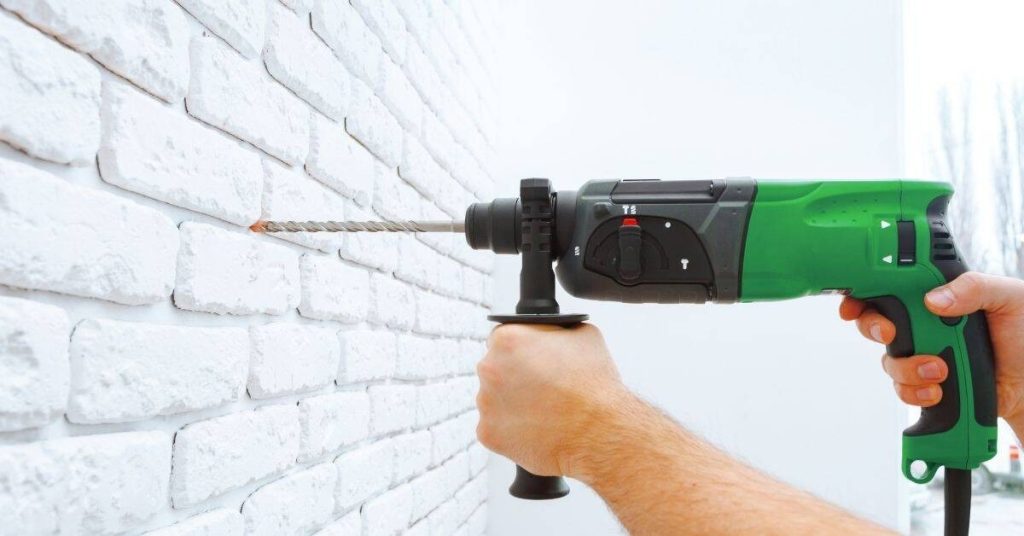
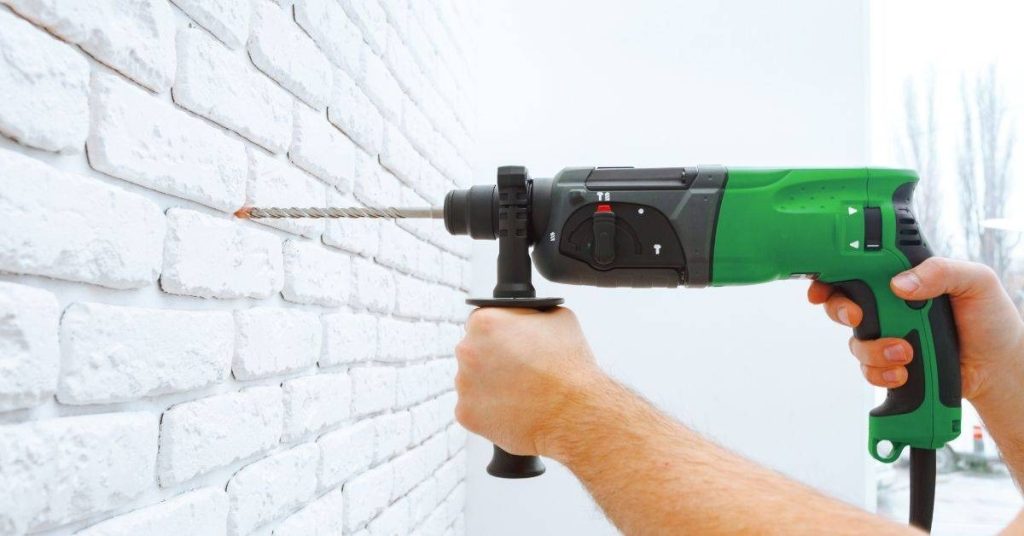
Hand holding a green drill drilling into a white brick wall

Strengthening an existing block wall with grout fill: what DIYers can and can’t do

Introduction Grout filling a block wall is a method to add rigidity by binding hollow cores and masonry units together. This article explains what you can and can’t do as a DIYer. It focuses on practical steps, safety, and what to check before you start. Before you begin, confirm local rules and product instructions, and

Strengthening an existing block wall with grout fill: what DIYers can and can’t do Read More »

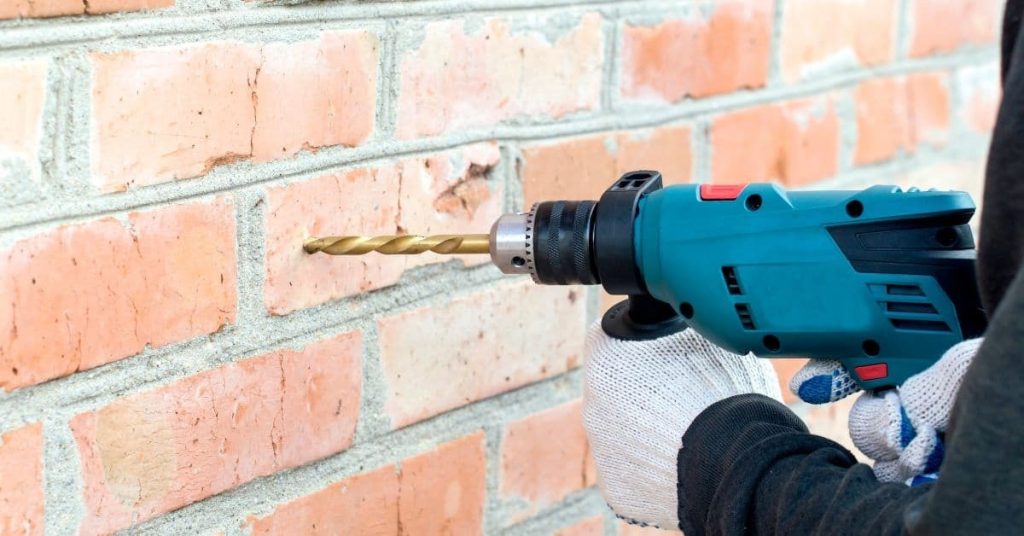
Person drilling into a brick wall with a blue power drill

Common brick repair scams: what ‘miracle sealers’ can’t fix

Introduction Miracle sealers are scams that cannot fix brickwork. They may promise permanent repair of cracks, moisture, or damaged mortar, but they fail to address real defects. A straight, honest approach relies on proper assessment and proven repair methods. Before you start, understand what needs addressing and what a DIY repair can and cannot cover.

Common brick repair scams: what ‘miracle sealers’ can’t fix Read More »

Gray brick wall with visible mortar joints

Winter brick repointing: temperature limits, protection, and curing reality

Introduction Winter brick repointing means renewing mortar joints during cold weather while managing temperature and curing. The process requires careful protection of the work area and an awareness of how low temperatures affect mortar performance. Prepare to adapt with weather-appropriate methods and follow manufacturer instructions for products. Expect questions about temperature limits, protective enclosures, and

Winter brick repointing: temperature limits, protection, and curing reality Read More »

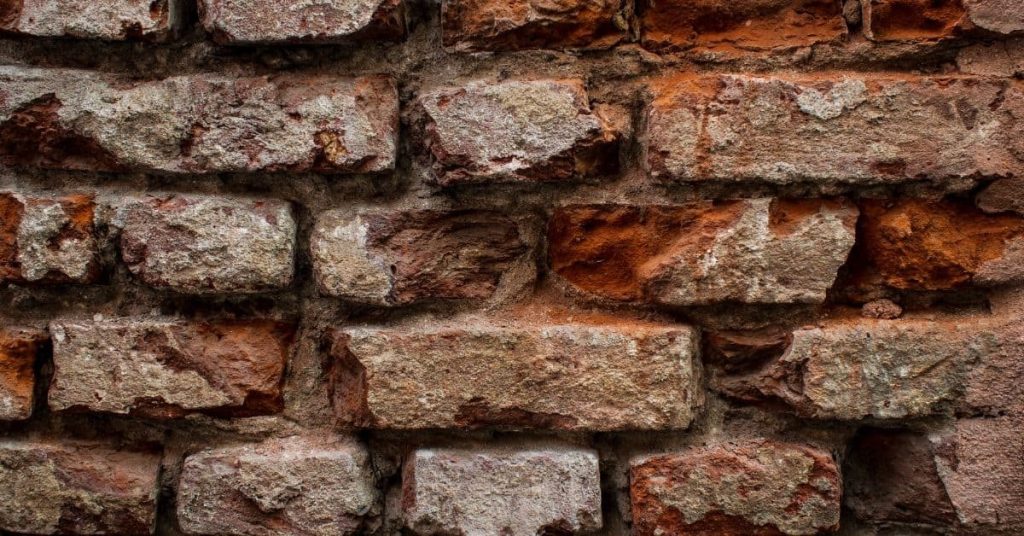
old red brick wall with mortar joints and some white stains

How to spot failed brick flashing: stain trails, damp sheathing clues, and inspection points

Introduction Failed brick flashing shows up as moisture intrusion at joints, leaving stain trails and damp spots on the wall. It signals that water is not being directed away properly. You’ll want to look for signs of staining, softness, or peeling where the flashing meets the surface. In practice, inspect for moisture clues around manufactured

How to spot failed brick flashing: stain trails, damp sheathing clues, and inspection points Read More »

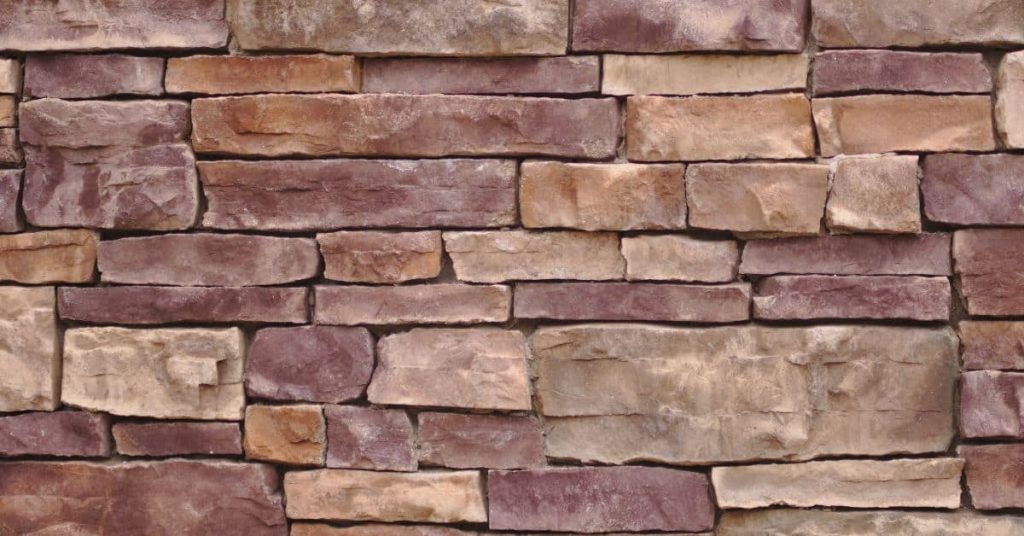
Close-up of stacked stone veneer wall in various brown shades

Brick veneer bulging: warning signs and why ‘just tuckpoint it’ is risky

Introduction Brick veneer bulging is when the outer brick layer appears to poke out or push away from the structure. This article focuses on what to watch for and why it matters in practical terms. It’s a hands-on topic, not a theoretical guide. Look for bulging along walls near openings, or where the veneer seems

Brick veneer bulging: warning signs and why ‘just tuckpoint it’ is risky Read More »

Close-up of weathered red brick wall with white deposits

Efflorescence on brick that keeps returning: stop the water path before you scrub again

Introduction Efflorescence is mineral salt deposits that reappear on brick when moisture moves through the wall. If it keeps returning, the moisture path through the masonry is still active. Stopping that path is the first step before you scrub again. Start by tracing where the water is coming from and address leaks, irrigation, or poor

Efflorescence on brick that keeps returning: stop the water path before you scrub again Read More »

Person using green handheld electric drill on white brick wall

Rebuilding a loose single-wythe brick wall: tying methods and when to rebuild a section

Introduction Rebuilding a loose single-wythe brick wall involves using tying methods to re-secure the masonry and prevent additional movement. Identify the points of looseness and choose appropriate tying or anchoring approaches based on the wall condition. In some cases, that work only stabilizes the wall and a section may still need rebuilding if the bricks

Rebuilding a loose single-wythe brick wall: tying methods and when to rebuild a section Read More »