Search Results for: concrete staining and sealing

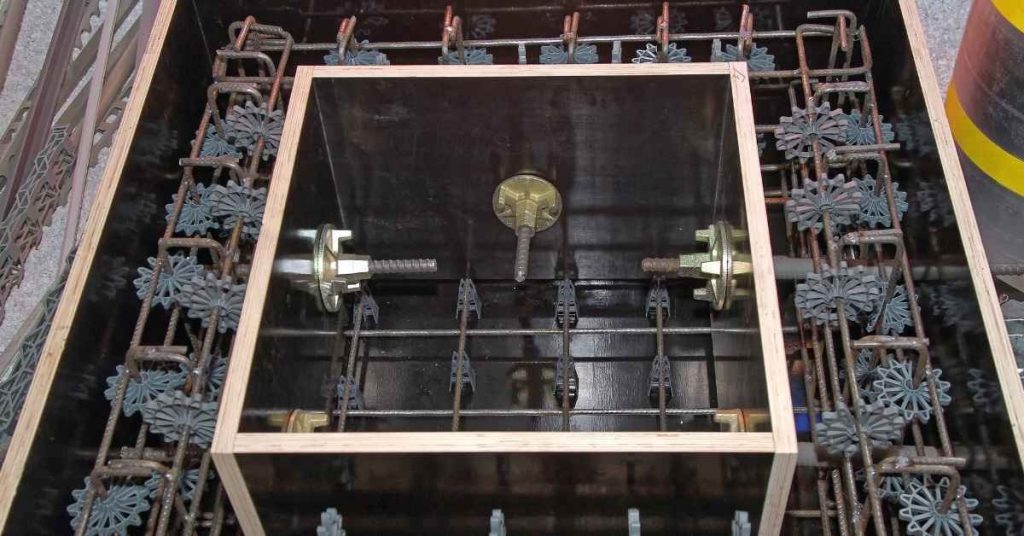
Concrete formwork with rebar and spacer components inside

Concrete Spall Repairs at Rebar: Cleaning Standards, Corrosion Protection, and Patch Build-up

Introduction Concrete spall repairs at rebar involve cleaning the damaged area, exposing corroded steel, and rebuilding the surface. This is a hands‑on task you can handle with basic tools, patience, and attention to safety. You’ll focus on cleaning to remove loose material, protecting rebar from further corrosion, and patching with compatible concrete. Check manufacturer instructions […]

Concrete Spall Repairs at Rebar: Cleaning Standards, Corrosion Protection, and Patch Build-up Read More »

Close-up of smooth textured plaster wall surface

Clay Plaster Sealer Tests: Why Some Topcoats Darken Color and How to Predict It

Introduction Sealers on clay plaster can darken the surface, and tests reveal when and why. This is a practical, hands-on look at how topcoats behave on plaster and why color shifts happen. Expect results to vary with prep, humidity, and the plaster mix you used. Varathane and similar wipe-on or spray sealers can interact with

Clay Plaster Sealer Tests: Why Some Topcoats Darken Color and How to Predict It Read More »

Concrete formwork with rebar and metal anchors in soil

Setting Wedge Anchors in Weak Concrete: When They Spin and Better Options

Introduction Wedge anchors spin in weak concrete when the anchor’s wedging action can’t grab solid material. That spinning often means the fastener won’t hold the load you expect. In practice, it’s a sign the substrate or hole preparation isn’t up to the task. If they spin, stop and check that the hole size and depth

Setting Wedge Anchors in Weak Concrete: When They Spin and Better Options Read More »

Decorative plaster corbels on a yellow wall

Plaster Stains That Bleed Through Paint: Shellac vs Waterborne Sealers and Drying Rules

Introduction Shellac and waterborne sealers can stop plaster stains from bleeding through paint. They work by sealing the porous plaster so pigment and moisture don’t migrate into the top coat. Choose the right option by checking product guidance and local rules. Surface prep matters: clean and dry the plaster, repair any cracks, and wipe away

Plaster Stains That Bleed Through Paint: Shellac vs Waterborne Sealers and Drying Rules Read More »

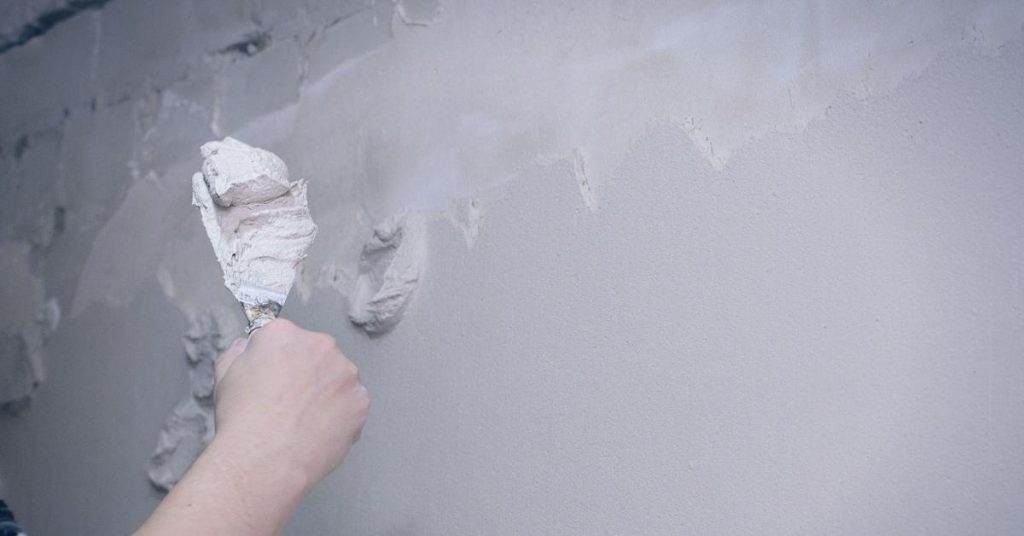
Hand applying plaster to damaged wall with trowel

Repairing Plaster Keys From the Back Side: When Access Exists and How to Lock It In

Introduction Repairing plaster keys from the back side means fixing the hidden anchors behind the plaster when you can reach them. You work from the cavity side, not the face, and you aim to reattach loose plaster to the lath or keys. This approach relies on solid access and careful placement to lock the repair

Repairing Plaster Keys From the Back Side: When Access Exists and How to Lock It In Read More »

Blue painted stucco wall texture close-up

Mineral Paint on Stucco: When It Outlasts Acrylic and How to Prep Properly

Introduction Mineral paint on stucco provides a durable, breathable finish that can outlast typical acrylic when the surface is prepped properly. In plain terms, you start with clean, sound stucco, protect surrounding areas, and choose a mineral-based paint designed for masonry. The prep and technique matter more than color or brand. The application hinges on

Mineral Paint on Stucco: When It Outlasts Acrylic and How to Prep Properly Read More »

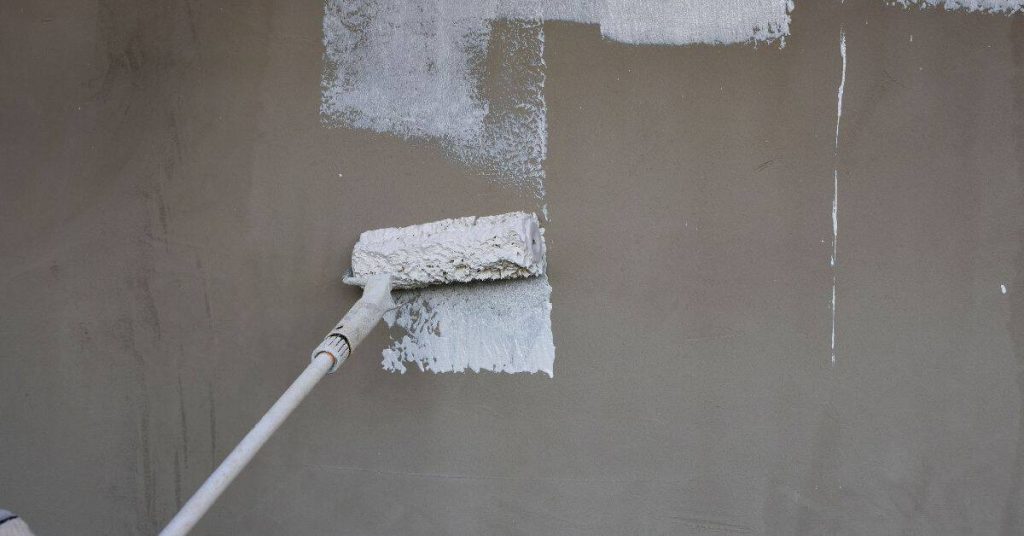
Paint roller applying white paint on brown stucco wall

Elastomeric Paint Over Hard Coat Stucco: When It Bridges Cracks and When It Blisters

Introduction Elastomeric paint over hard coat stucco is a flexible coating designed to bridge small cracks in the surface. It can improve weather resistance but may blister if the surface is dirty, damp, or improperly prepped. Proper prep and careful application are essential to a durable coat. Preparation and proper application are key to avoiding

Elastomeric Paint Over Hard Coat Stucco: When It Bridges Cracks and When It Blisters Read More »

White stucco coated brick wall texture close-up

Stucco Control Joint Layout: Where They Belong and Why Random Cracks Follow Bad Layout

Introduction Control joints in stucco are deliberate gaps that guide where cracks will form, instead of letting random cracks run everywhere. They serve as a planned break for movement due to temperature, moisture, and framing shifts. Placement guidelines depend on factors like height, openings, and changes in plane; check manufacturer instructions for specifics. Use appropriate

Stucco Control Joint Layout: Where They Belong and Why Random Cracks Follow Bad Layout Read More »

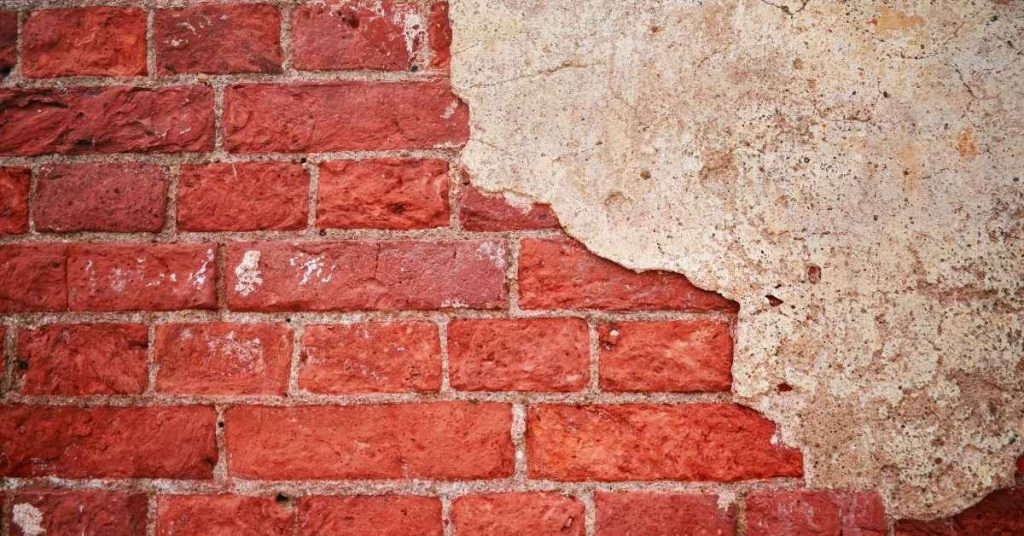
Peeling stucco on red brick wall

Stucco Patch Cracks That Reappear: Movement vs Shrinkage and How to Tell

Introduction Cracks that reappear after patching are usually caused by movement or shrinkage in the stucco system. You can tell them apart by looking at how the crack ran and what the surrounding area did over time; movement cracks often change with structure or temperature, while shrinkage cracks stay smaller and more uniform. To start,

Stucco Patch Cracks That Reappear: Movement vs Shrinkage and How to Tell Read More »