Search Results for: concrete cut off saw blade guard

Orange concrete bucket silo suspended against blue sky

Concrete Joint Sawcut Chipping: Blade Choice and Timing to Reduce Spalls

Introduction Concrete joint sawcut chipping is the controlled removal of material around a sawcut to reduce spalls. Choosing the right blade and timing the cut helps minimize chipping and keeps the surface smoother. Always check the blade label and the manufacturer’s instructions, and follow local rules for your project. Soff Cut style saws are designed […]

Concrete Joint Sawcut Chipping: Blade Choice and Timing to Reduce Spalls Read More »
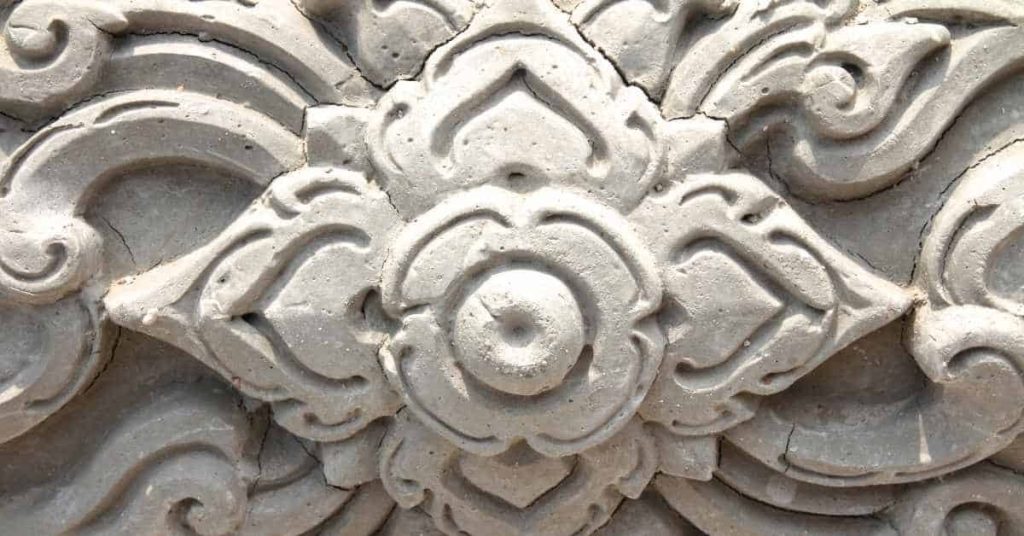
Decorative plaster floral relief with visible cracks

Fixing Plaster Cracks Above Doorways: Stress Relief Cuts and Reinforcement Choices

Introduction Stress-relief cuts and reinforcement help fix plaster cracks above doorways by reducing tension and adding support. I’ll show you how to identify the crack pattern and decide if you need cuts, mesh, or patching compound. This is a hands-on job you can do with common tools, but check your plaster type and any local

Fixing Plaster Cracks Above Doorways: Stress Relief Cuts and Reinforcement Choices Read More »

black wooden double entry doors with small window panes

Saw-Cut Timing With Early-Entry Saws: When They Beat a Standard Saw

Introduction Early-entry saws let you start a cut sooner than a standard saw. This approach aims to save time and reduce waiting around for equipment or setup. Keep in mind you must check safety and jobsite rules before changing timing. Plan your sequence, set up blades, and keep steady progression to avoid overheating or mistakes.

Saw-Cut Timing With Early-Entry Saws: When They Beat a Standard Saw Read More »

curved stamped concrete patio next to garden bed

Cutting Control Joints in Stamped Concrete: Timing, Blade Choice, and Avoiding Ragged Edges

Introduction Cutting control joints in stamped concrete is about planning when to cut, choosing the right blade, and making clean edges to prevent cracks. Get your timing right by planning ahead before you stamp, so the concrete has the strength needed when joints are cut. Always check manufacturer instructions and local rules for any timing

Cutting Control Joints in Stamped Concrete: Timing, Blade Choice, and Avoiding Ragged Edges Read More »

Damaged concrete surface with peeling and cracks near wall base

Concrete Jackhammer Damage Repair: Rebuilding Edges Without Creating Microcracks

Introduction Repairing concrete jackhammer damage means rebuilding damaged edges without creating microcracks. Use careful hand tools and proper cleaning to prepare the edge before any repair. Work slowly and check for hollow spots or loose material as you go. Common causes include over-penetration, vibration, and poor initial compaction, which you can look for as cracks,

Concrete Jackhammer Damage Repair: Rebuilding Edges Without Creating Microcracks Read More »

Construction worker cutting joint in brick wall with a hand saw

How Deep to Saw Control Joints: Depth rules that reduce random cracking

Introduction Control joints should be cut to relieve concrete stress and reduce random cracking. They are planned gaps that let the slab crack in a controlled way rather than at random spots. Depth matters, and you should follow guidance from the product labels or manufacturer instructions and local rules. There are different ways to make

How Deep to Saw Control Joints: Depth rules that reduce random cracking Read More »