Search Results for: concrete cut off saw blade guard

Corded orange and black angle grinder on concrete floor

Wet saw vs grinder for brick and block: cut quality, dust, and speed tradeoffs

Introduction Wet saws cut brick and block with water cooling and a fixed blade, offering dust control and different cut quality than grinders. A grinder can cut faster on rough brick or block but tends to produce more dust and less precise edges unless a careful technique and guard are used. Check the blade type, […]

Wet saw vs grinder for brick and block: cut quality, dust, and speed tradeoffs Read More »
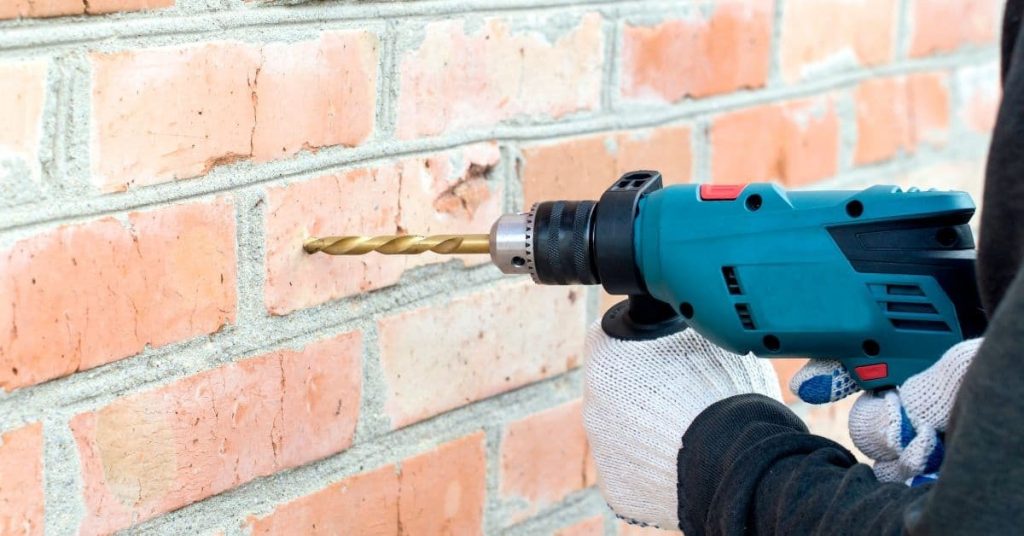
Corded drill with drill bit drilling into brick wall

Choosing blades for concrete, brick, and block: masonry vs diamond vs segmented—matching blade to material

Introduction Choosing blades for concrete, brick, and block means matching the blade type to the material you cut. Masonry blades are the basic option, while diamond blades handle harder or denser masonry, and segmented designs help with cooling and debris removal. Consider material hardness and whether you need a continuous or segmented edge. Blade design

Choosing blades for concrete, brick, and block: masonry vs diamond vs segmented—matching blade to material Read More »

Yellow corded electric drill with masonry bit on wooden surface

Cutoff saw choices for masonry and concrete: gas vs electric and what changes for indoor work

Introduction Cutoff saw choices for masonry and concrete are about selecting gas or electric power and understanding how that choice affects indoor use. This introduction explains what to expect from each option, how it changes your setup, and what to check before you begin. You’ll want to follow manufacturer instructions and local rules for safe

Cutoff saw choices for masonry and concrete: gas vs electric and what changes for indoor work Read More »

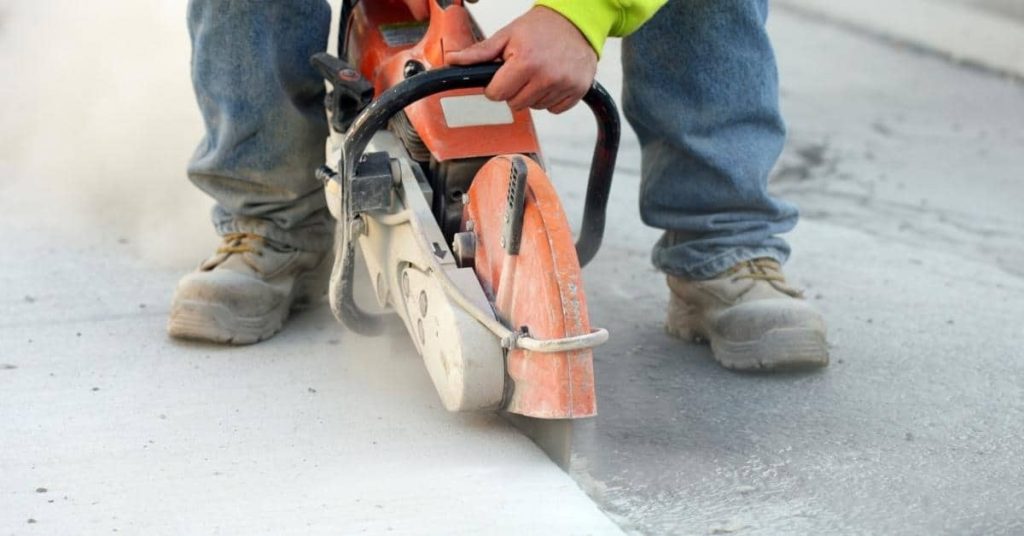
Person cutting concrete with orange power saw and protective boots

Cutting concrete block units: dust control tips and fastest methods for clean ends

Introduction Cutting concrete block units involves trimming and finishing blocks with a focus on dust control and clean ends. This introduction provides practical, hands-on guidance for selecting tools and following safe, efficient techniques. You’ll learn dust control steps, proper cutting methods, and the safety gear that helps you work cleanly. From saws and masonry bits

Cutting concrete block units: dust control tips and fastest methods for clean ends Read More »

Close-up of red gas-powered cutting saw in front of vehicle

Cutting brick cleanly: blade choice, support, and minimizing blowout

Introduction Cutting brick cleanly means controlling the cut with the right blade, steady support, and careful technique. Choose a blade designed for brick and masonry, and pair it with proper support to reduce chipping. Always check the manufacturer instructions and local rules for your tool and material. Use a suitable diamond blade for brick, and

Cutting brick cleanly: blade choice, support, and minimizing blowout Read More »

Close-up of damaged stucco wall with peeling and exposed underlying surface

Bulging or hollow stucco spots: tap testing, cut windows, and when patching is a trap

Introduction Bulging or hollow spots in stucco indicate hidden voids or moisture behind the surface. Use a light tapping test to distinguish solid backing from hollow areas, and treat any suspect spot as a sign to inspect further. Avoid rushing to patch; confirm what you’re dealing with before sealing. If you decide to open a

Bulging or hollow stucco spots: tap testing, cut windows, and when patching is a trap Read More »

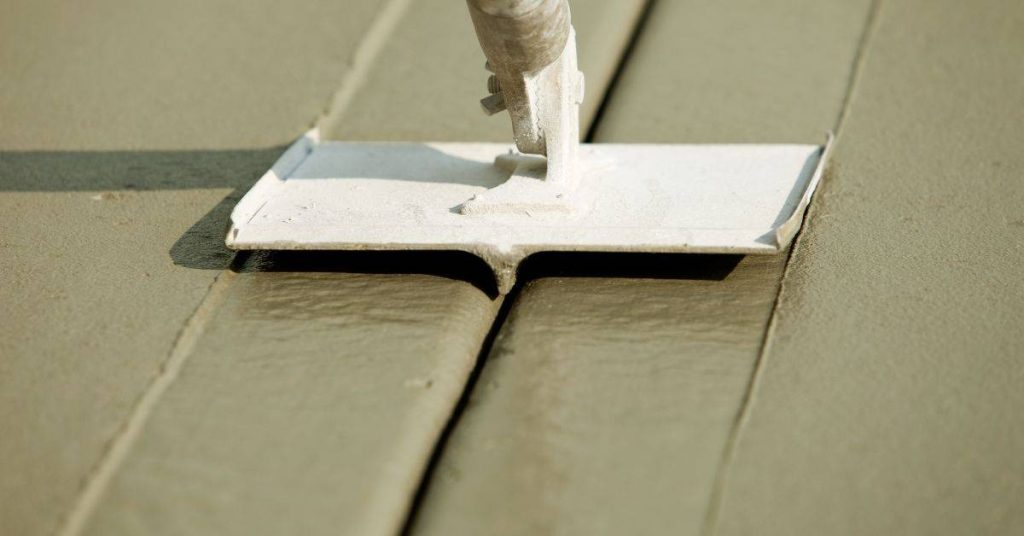
Concrete joint being tooled with a hand trowel

Concrete Finishing Sequence for Beginners: Bull Float, Edge, Joint, Then Walk Away (Sometimes)

Introduction The finishing sequence for this concrete work is the order of steps you follow after pouring: bull float, edge, joint, then walk away. This approach helps keep the surface workable while reducing roughness and lines. It works best when you have the right tools and a fresh pour to guide the finish. Before you

Concrete Finishing Sequence for Beginners: Bull Float, Edge, Joint, Then Walk Away (Sometimes) Read More »

Worker with sledgehammer demolishing interior wall

Hollow-Sounding Stucco: Tap Testing, Cut Windows, and When to Stop Spot-Patching

Introduction Hollow-Sounding stucco occurs when tapping the surface reveals a hollow or loose layer beneath the finish. It’s a signal that the underlying material or lath may be compromised. Listen and feel for soft spots, and note where the sound changes as you tap around the area. Start with surface preparation by removing loose material

Hollow-Sounding Stucco: Tap Testing, Cut Windows, and When to Stop Spot-Patching Read More »

Close-up of gas-powered cutting saw blade in front of red truck

Cutting Brick Pavers Cleanly: Blades, Chipping Control, and Dust Safety

Introduction Cutting brick pavers cleanly means using the right blade and technique to produce straight, square cuts with minimal chipping. Choose a blade rated for masonry and masonry-specific cutting, and align your cut with the paver face for a clean edge. Take your time to steady the paver and clamp it, then make a shallow

Cutting Brick Pavers Cleanly: Blades, Chipping Control, and Dust Safety Read More »

Decorative plaster corbel on brick wall under sill

Adding a Drip Groove Under Brick Sills: Cutting, Sealing, and Stopping Stains

Introduction A drip groove under brick sills is a small channel cut into the sill edge or underside to guide water away from the wall. Cutting it helps prevent standing water and staining, while proper sealing keeps materials from wicking moisture. It’s a practical DIY step that reduces moisture problems behind brick. To do it,

Adding a Drip Groove Under Brick Sills: Cutting, Sealing, and Stopping Stains Read More »