Search Results for: concrete chip repair

Rows of concrete blocks with protruding metal anchor bolts

Concrete Anchor Layout for Wall Plates: Spacing, Edge Distance, and Fixing Misplaced Holes

Introduction Concrete Anchor Layout for Wall Plates is the practical plan for where to put anchors so the plate stays true and secure. It centers on how far apart the anchors should be, how close to the edge you can go, and what to do if a hole isn’t in the right spot. Think of […]

Concrete Anchor Layout for Wall Plates: Spacing, Edge Distance, and Fixing Misplaced Holes Read More »

White decorative plaster molding on wall and ceiling corners

Repairing Plaster at Crown Molding Lines: Keeping Shadow Lines Sharp

Introduction Repairing plaster at crown molding lines means restoring damaged plaster so the shadow line stays sharp. You’ll look for cracks, chips, or loose edges where the molding meets the wall. Addressing these spots carefully keeps the line from looking soft or uneven. Start by cleaning and dampening the area, then remove loose material and

Repairing Plaster at Crown Molding Lines: Keeping Shadow Lines Sharp Read More »

Wooden lath exposed behind damaged plaster wall

Repairing Plaster Where Lath Is Loose: Refastening vs Replacing and How to Decide

Introduction Repairing plaster where lath is loose means choosing between refastening the existing lath and replacing damaged lath. This article helps you decide which path fits your wall and how to do it safely. It keeps things practical and ready for a DIY project, not a textbook. To decide, start by locating loose lath and

Repairing Plaster Where Lath Is Loose: Refastening vs Replacing and How to Decide Read More »

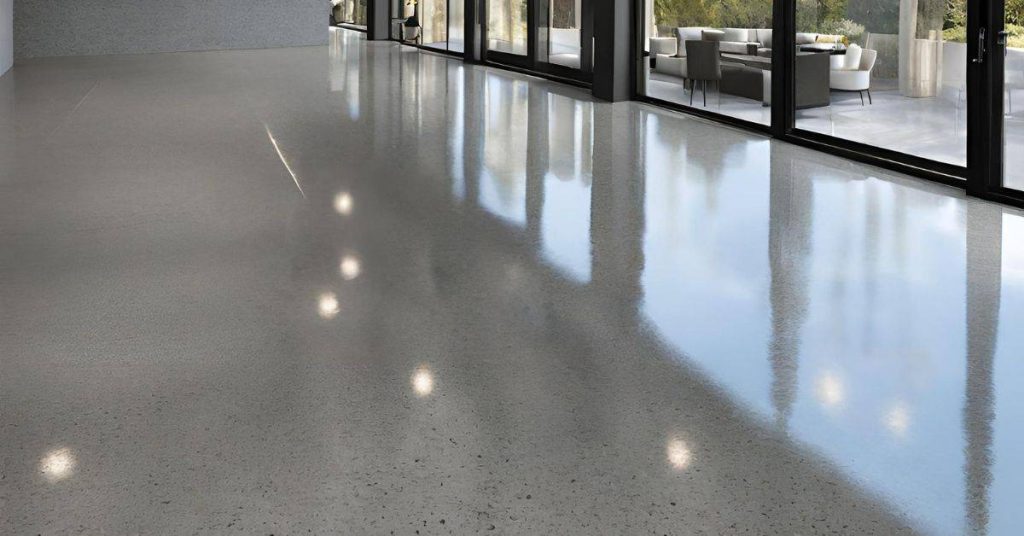
Smooth polished concrete floor reflecting windows and lights

Concrete Finishing for Broom Direction: Traction vs Cleanability Tradeoffs

Introduction Concrete finishing for broom direction is the texture you create when you drag a broom across fresh concrete to set a pattern. This defines how much traction you get and how easy it is to clean. Keep it simple and work with what your slab can tolerate—no gimmicks. Broom patterns range from tight, firm

Concrete Finishing for Broom Direction: Traction vs Cleanability Tradeoffs Read More »

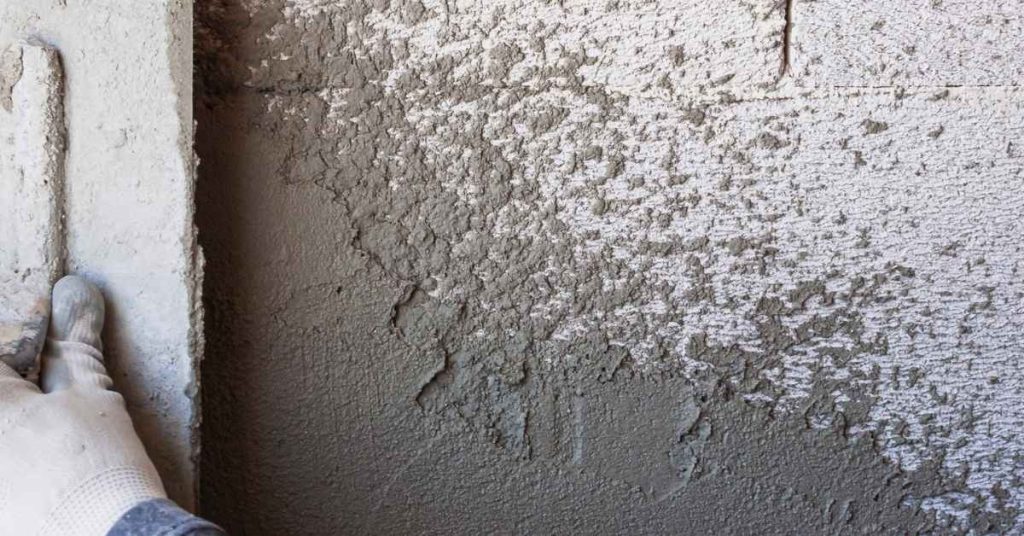
Hand smoothing wet scratch coat over base wall surface

Stucco Over Autoclaved Aerated Concrete (AAC): Base Coat Choice, Fasteners, and Suction Control

Introduction Stucco over AAC is applying a compatible base coat to Autoclaved Aerated Concrete walls. Pre-installation prep is key—clean surfaces, seal any joints, and plan how you’ll store and handle panels to avoid damage. Handle AAC panels with care, store flat in a dry, shaded area, and check manufacturer guidance for any site-specific restrictions. Choose

Stucco Over Autoclaved Aerated Concrete (AAC): Base Coat Choice, Fasteners, and Suction Control Read More »

Concrete columns with exposed steel reinforcement bars

Repairing Concrete Exposed to Acids: What Can Be Neutralized and What Must Be Removed

Introduction Acid-exposed concrete can sometimes be neutralized on the surface, but damaged material must be removed. This DIY overview explains what you can safely treat and how to tell when removal is necessary. It keeps the process practical and plain-language, like a job you can tackle on a weekend. Begin by cleaning, neutralizing per label

Repairing Concrete Exposed to Acids: What Can Be Neutralized and What Must Be Removed Read More »

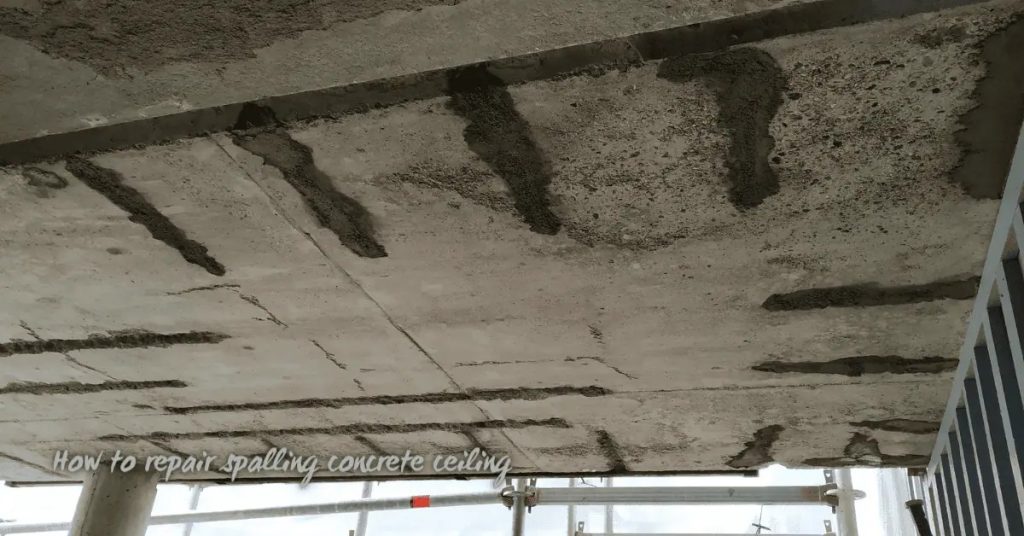
Concrete ceiling with patched spalling damage areas

Repairing Concrete After Fire Exposure: Spalling, Strength Loss Signs, and Testing

Introduction Repairing concrete after fire exposure means assessing damage from heat, spalling, and strength loss and deciding what to fix. This guide covers what to look for and how to approach testing and repairs in plain, DIY language. It focuses on visual signs and simple checks you can perform safely at home. Start with a

Repairing Concrete After Fire Exposure: Spalling, Strength Loss Signs, and Testing Read More »

Close-up of a metal tool shaping a joint in fresh concrete

Stamped Concrete at DIY Scale: Release Agents, Joint Planning, and Sealing Without Slippery Film

Introduction Stamped concrete at a DIY scale is about using release agents, planning joints, and sealing so the finish isn’t slick. Keep expectations simple: choose a release agent you can apply evenly, map where joints go before stamping, and select a sealer that reduces glare without creating a slippery film. Start with a clear plan,

Stamped Concrete at DIY Scale: Release Agents, Joint Planning, and Sealing Without Slippery Film Read More »

Smooth concrete window sill below metal frame window

Concrete Delamination Under Tiles: Removing Thinset Residue and Preventing Re-Bond Failure

Introduction Delamination under tiles happens when the adhesive bond fails and thinset residue is left behind, leading to loose or cracked tile. It’s a sign you need to assess the substrate before continuing and plan how to remove it safely. Start with a clear look at what’s under the surface and what you’ll need to

Concrete Delamination Under Tiles: Removing Thinset Residue and Preventing Re-Bond Failure Read More »