Search Results for: concrete floor panels

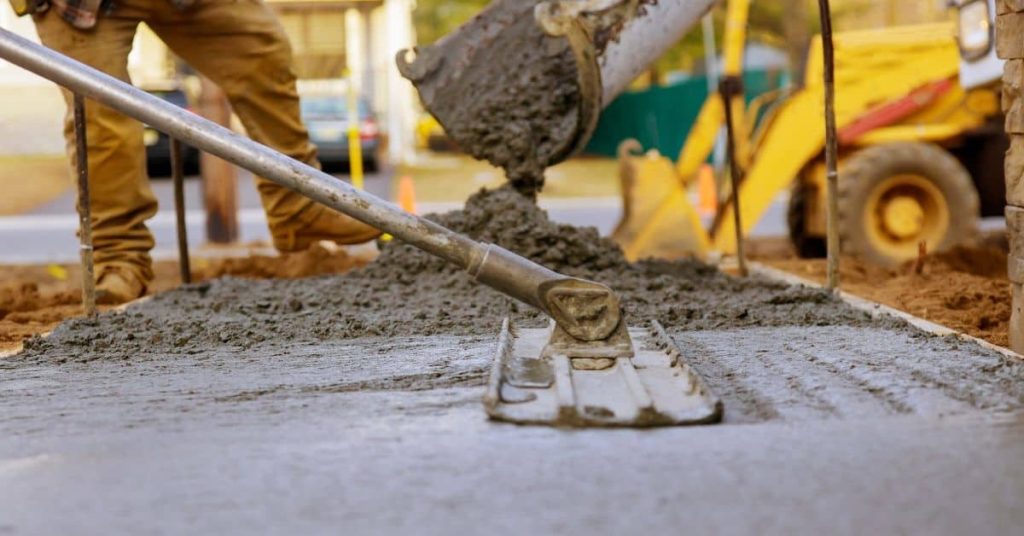
Worker using concrete screed to smooth freshly poured concrete

Sprayers for concrete curing compounds: tip selection and cleanup that avoids clogs

Introduction Sprayers for concrete curing compounds are tools used to apply liquid sealers evenly over fresh concrete to control evaporation. When selecting a sprayer, choose one compatible with curing compounds and pay attention to tip size and spray pattern to minimize clogs. Follow the manufacturer’s guidance for setup and maintenance to support even coverage and […]

Sprayers for concrete curing compounds: tip selection and cleanup that avoids clogs Read More »
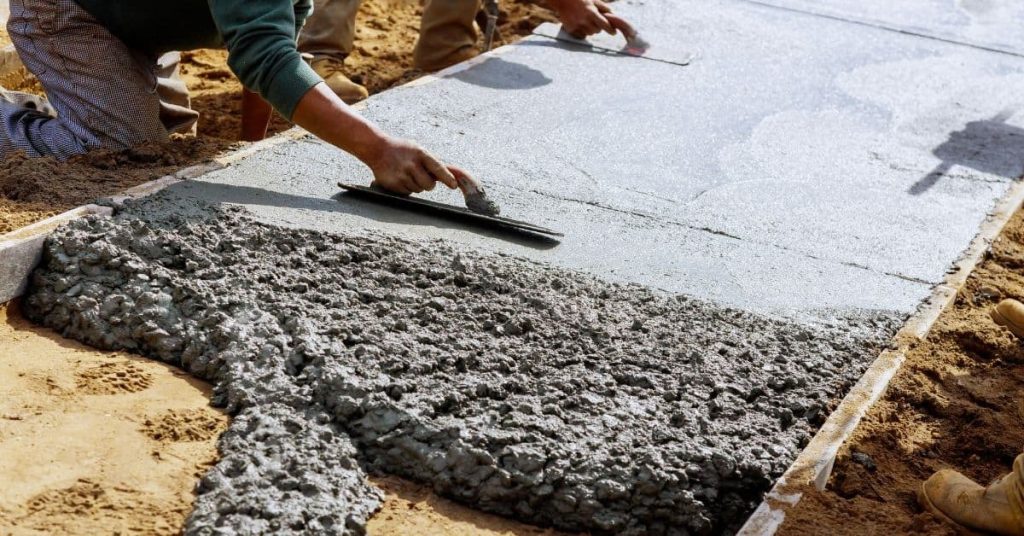
Hands smoothing wet concrete with trowels on outdoor slab

Breaking in a new concrete trowel: edge prep so you don’t leave tracks everywhere

Introduction Edge prep for a new concrete trowel means ensuring the blade edge is clean and true so your finish tracks are minimal. Keep metal free of nicks and burrs, and verify the edge sits straight against the handle. If the edge isn’t true, check the manufacturer’s guidance on bevels and sharpening before proceeding. Begin

Breaking in a new concrete trowel: edge prep so you don’t leave tracks everywhere Read More »

Person using power trowel on fresh concrete slab

Crazing and hairline map cracks in concrete: over-finishing clues and how to keep it subtle

Introduction Crazing and hairline map cracks are fine surface fractures that develop on concrete as it dries and cures. They often appear as delicate networks across countertops or floors and can be challenging to hide with finishing alone. Understanding why they form helps you decide when a subtle finish is appropriate and when to address

Crazing and hairline map cracks in concrete: over-finishing clues and how to keep it subtle Read More »

Concrete formwork panels brace supports at construction site

Concrete Formwork Bulge and Bow: Brace Spacing and Quick Checks Before the Truck Shows up

Introduction Concrete formwork bulge and bow occur when the facing panels deform under poured concrete, and brace spacing determines the frame’s stability. A tight, well-braced layout helps keep panels square and reduces the risk of sudden failures. Before the truck shows up, perform quick checks for obvious bulges, loose braces, and misaligned corners. Check that

Concrete Formwork Bulge and Bow: Brace Spacing and Quick Checks Before the Truck Shows up Read More »

Stamped concrete patio surface with a textured pattern

Form Oil and Release Agents for Concrete: the Types That Stain and How to Avoid Fish-Eyes

Introduction Form oils and release agents are substances applied to molds to prevent sticking and ease demolding in concrete. They come in different types, including petroleum-based form oils and water-emulsion or semi-synthetic releases. The choice affects how the surface looks, so always check the product label and follow manufacturer instructions. To avoid fish-eye and staining,

Form Oil and Release Agents for Concrete: the Types That Stain and How to Avoid Fish-Eyes Read More »

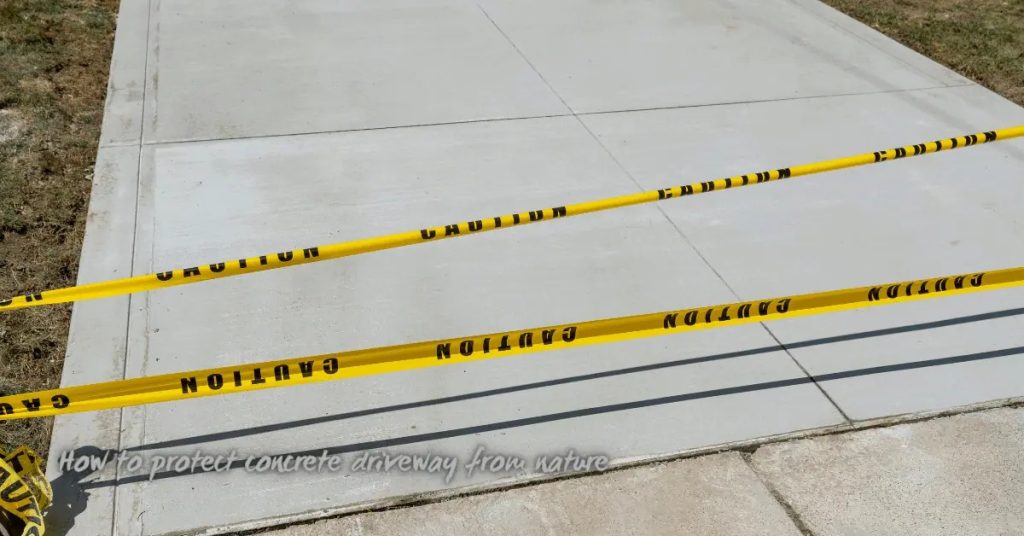
Concrete driveway section blocked by yellow caution tape

Concrete Vapor Barrier Seams and Penetrations: Tape, Patches, and “Oops” Fixes

Introduction A concrete vapor barrier seam is the joined, airtight edge where barrier material meets itself or a patch. Tape and patches are used to seal these seams, and proper technique means clean surfaces, careful pressure, and following the material’s instructions. Penetrations like pipes or conduits must be sealed carefully at the edge where they

Concrete Vapor Barrier Seams and Penetrations: Tape, Patches, and “Oops” Fixes Read More »

Concrete building with vertical and horizontal structural elements

How to Patch Vertical Concrete Without Sag: Mix Stiffness, Bonding, and Lift Thickness

Introduction Patch vertical concrete without sag by using a stiff, workable mix that stays put once placed. Choose a mix with good bonding and low slump, and apply in quick, controlled strokes. Always check product labels and local guidelines to confirm compatible bonding agents and lift thickness. Keep the surface clean and dampened as needed,

How to Patch Vertical Concrete Without Sag: Mix Stiffness, Bonding, and Lift Thickness Read More »

modern multi-story apartment building with concrete surfaces and balconies

Concrete Surface Densifying on Vertical Faces: When It’s Worth It and Application Tricks

Introduction Concrete surface densifying on vertical faces is a treatment that hardens and seals the outer layer of the concrete. It aims to improve abrasion resistance and make vertical surfaces easier to keep clean. Before you start, read the product label and follow the manufacturer’s instructions for temps, application method, and cure time. It’s worth

Concrete Surface Densifying on Vertical Faces: When It’s Worth It and Application Tricks Read More »

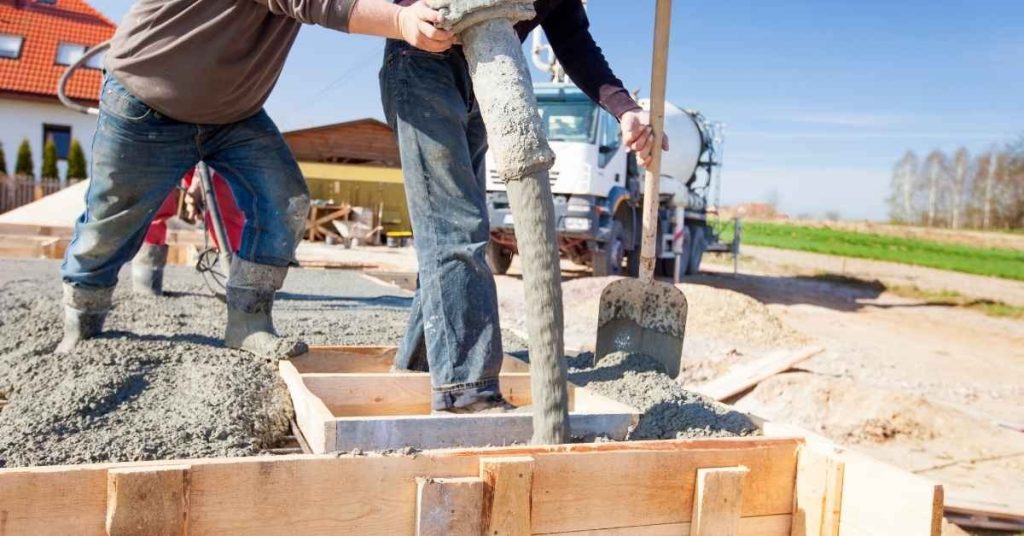
Two workers pouring concrete into wooden formwork outdoors

Pouring Concrete in Two Lifts: Cold Joint Risks and How to Make the Interface Strong

Introduction Pouring concrete in two lifts means placing concrete in one lift, pausing, and then adding a second lift later, which creates a joint between pours. That joint, or cold joint, can be weaker if the surfaces don’t bond well or if the second pour doesn’t integrate with the first. Understanding how this joint forms

Pouring Concrete in Two Lifts: Cold Joint Risks and How to Make the Interface Strong Read More »

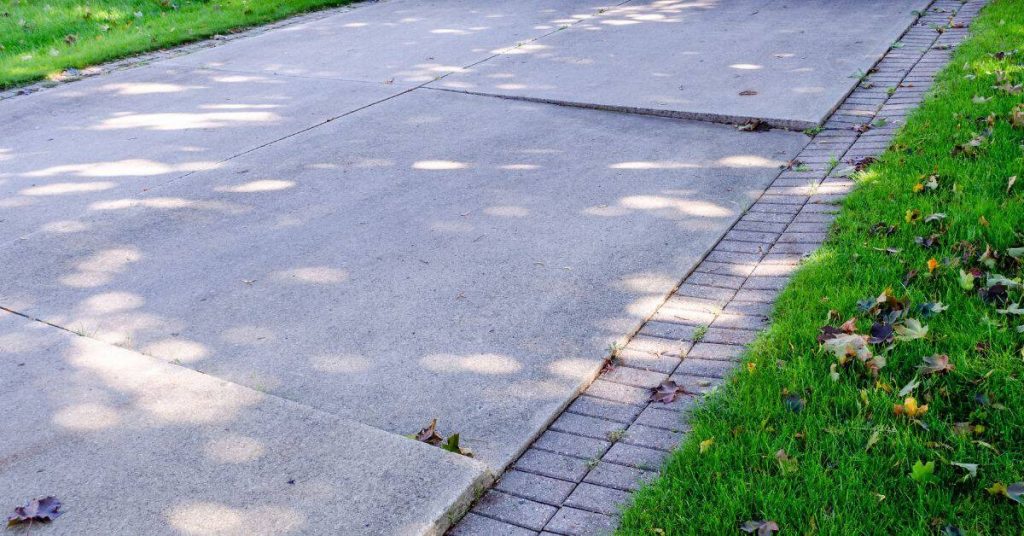
Concrete driveway with brick border and straight control joints

Concrete Fountain Leaks: Pinholes, Cold Joints, and Repair Options That Hold Water

Introduction Concrete fountain leaks happen when tiny holes or seams let water escape. Common causes are pinholes and cold joints that form gaps as concrete cures and settles. If you notice damp spots, dripping, or a steady seep near joints, that signals a leak to investigate. To fix it, you’ll seal pinholes and address cold

Concrete Fountain Leaks: Pinholes, Cold Joints, and Repair Options That Hold Water Read More »