Search Results for: concrete floor panels

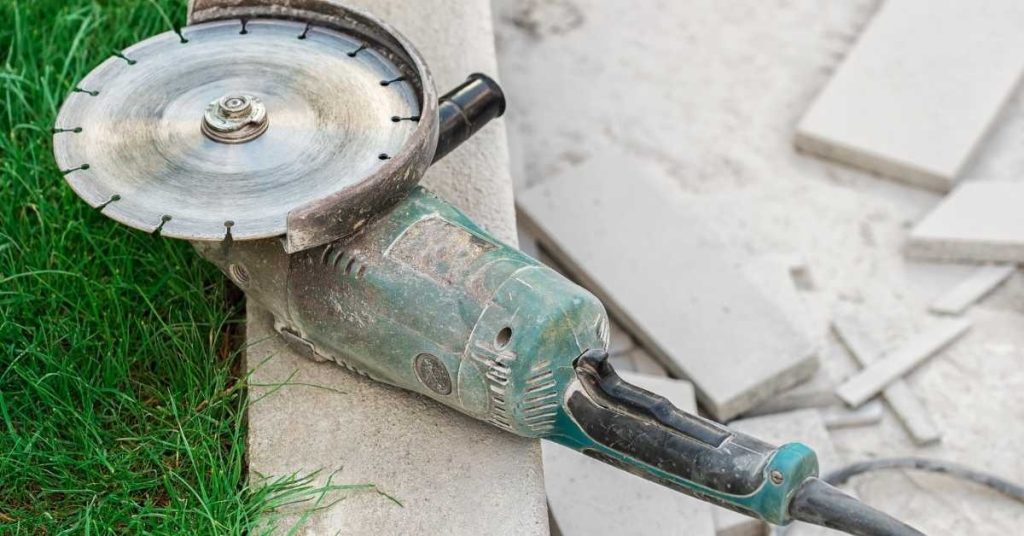
Angle grinder with diamond blade lying on concrete edge

How to Cut Concrete Without Chipping Edges: Score Cuts, Support, and Blade Control

Introduction Cutting concrete without chipping edges means making clean, controlled cuts by scoring first, supporting the cut edge, and maintaining steady blade control. In practice, plan your score line, use light, steady passes, and let the blade do the work without forcing it. Always verify that your blade and tool are suitable for the concrete […]

How to Cut Concrete Without Chipping Edges: Score Cuts, Support, and Blade Control Read More »
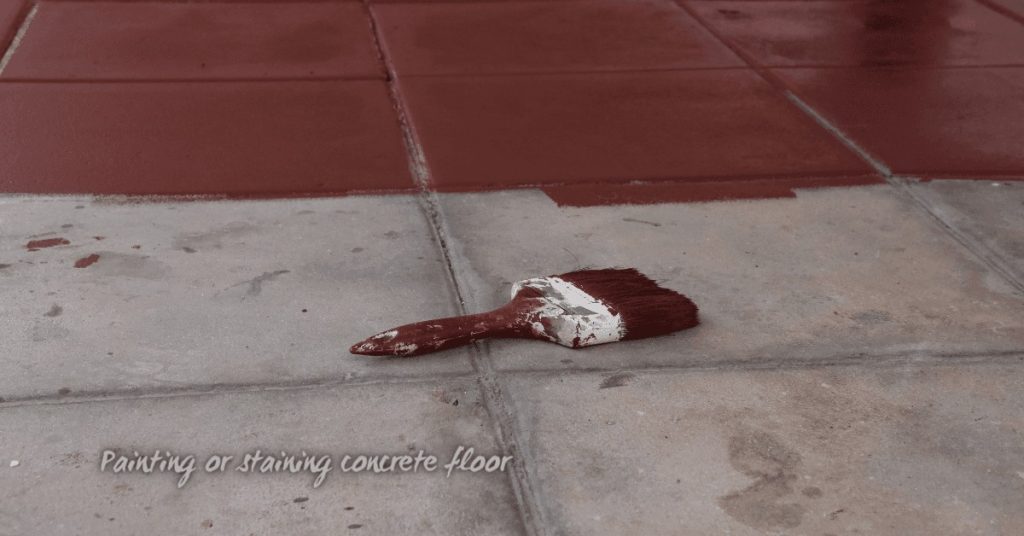
Paintbrush resting on partly painted concrete floor tiles

Concrete Color Consistency for Multiple Batches: Measuring Water and Pigment Without Guessing

Introduction Color consistency across multiple concrete batches is achieved by measuring water and pigment accurately rather than guessing. In a DIY setting, small changes in water or pigment can shift shade, so take consistent measurements for each mix. Keep notes on your process as you go to spot drift early. Choosing the right pigment for

Concrete Color Consistency for Multiple Batches: Measuring Water and Pigment Without Guessing Read More »

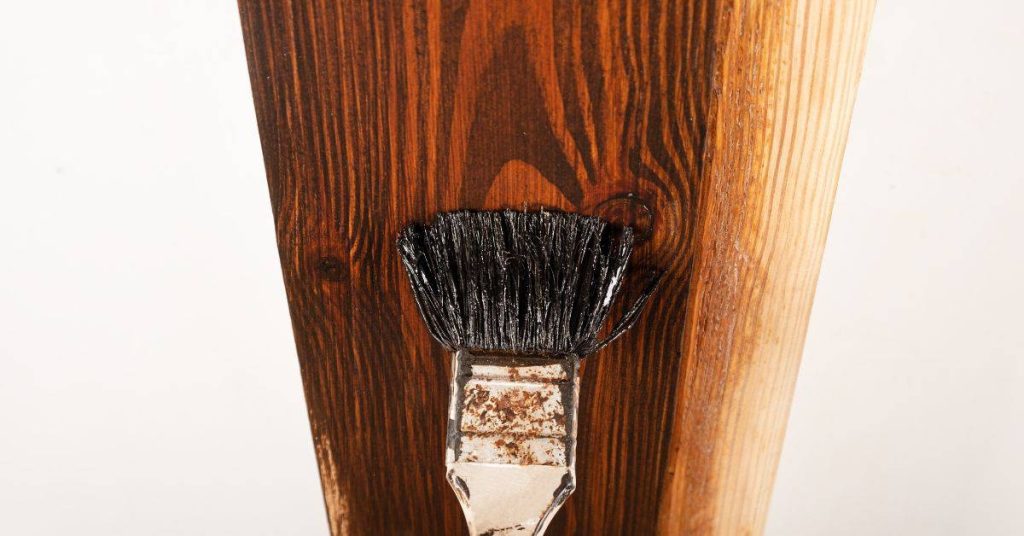
Paintbrush applying dark varnish to wooden plank

Coating Over Damp Wood Near Concrete: Why Blisters Form and Better Breathable Systems

Introduction Blisters form when moisture underneath the coating pushes through and splits the film over damp wood near concrete. You’ll see raised bubbles or pockets as the coating tries to cure in a wet, alkaline environment. Work is risky if you skip drying and proper surface prep. Look for breathable coating options and follow proper

Coating Over Damp Wood Near Concrete: Why Blisters Form and Better Breathable Systems Read More »

Concrete floor grinding machine preparing surface near wall

Concrete Surface Prep for Coatings: How to Hit the Right Profile Without Over-Grinding

Introduction A proper surface profile is the texture and cleanliness of concrete that coatings need to bond. Before applying anything, clean the floor thoroughly to remove oils, dust, and contaminants. Profiling options like shot blasting or diamond grinding are used to create the key texture; choose based on the concrete and the coating. After blasting

Concrete Surface Prep for Coatings: How to Hit the Right Profile Without Over-Grinding Read More »

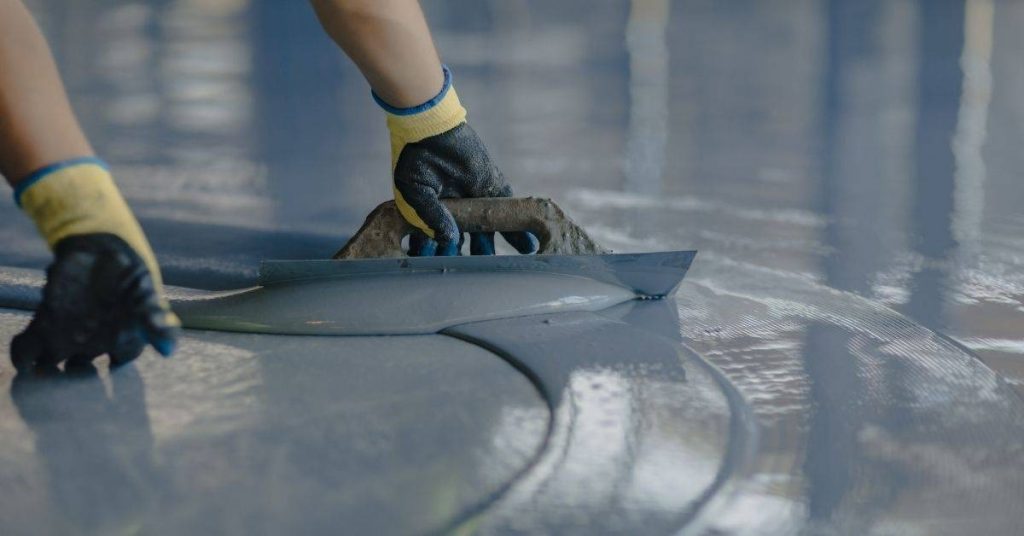
Hands wearing gloves smoothing gray epoxy on floor with trowel

DIY Epoxy Patch on a Garage Floor: Feathering Edges and Matching Gloss Without a Halo

Introduction An epoxy patch is a DIY repair that fills a damaged garage floor and blends it into the surrounding concrete. You’ll feather the edges so the repair tapers into the floor, and aim for a consistent sheen to avoid a noticeable halo. Check manufacturer instructions for cure times, prep steps, and recommended products. This

DIY Epoxy Patch on a Garage Floor: Feathering Edges and Matching Gloss Without a Halo Read More »

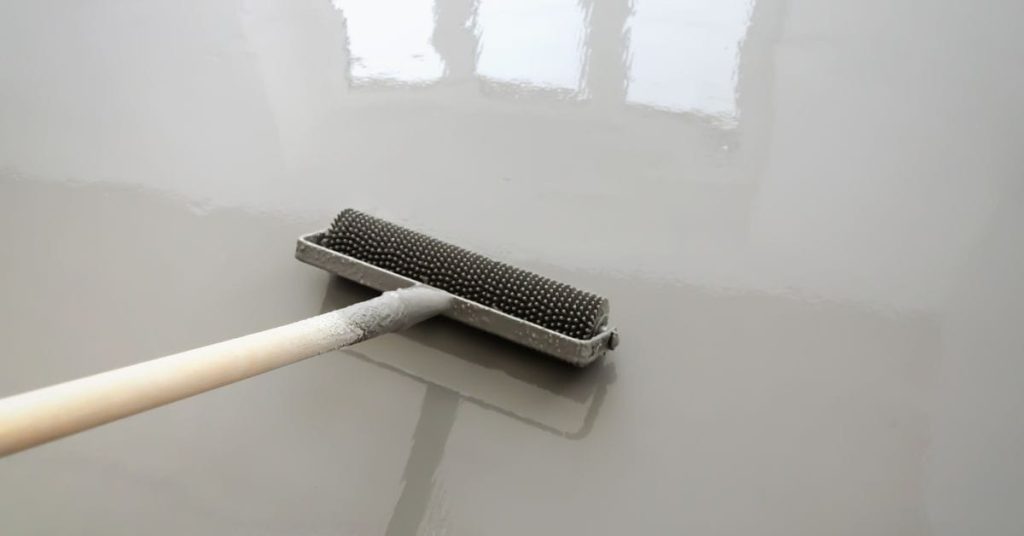
Paint roller with textured surface applying coating on floor

Flake Floor Topcoat Orange Peel: Roller Choice, Pot Life, and Temperature Effects

Introduction Flake Floor Topcoat Orange Peel is a textured coating finish created by rolling to leave small pits in the surface. Choose a roller with a short nap and a smooth frame, and test small areas to see how the texture lands. Apply in even coats and follow the manufacturer’s guidance for drying and cure

Flake Floor Topcoat Orange Peel: Roller Choice, Pot Life, and Temperature Effects Read More »

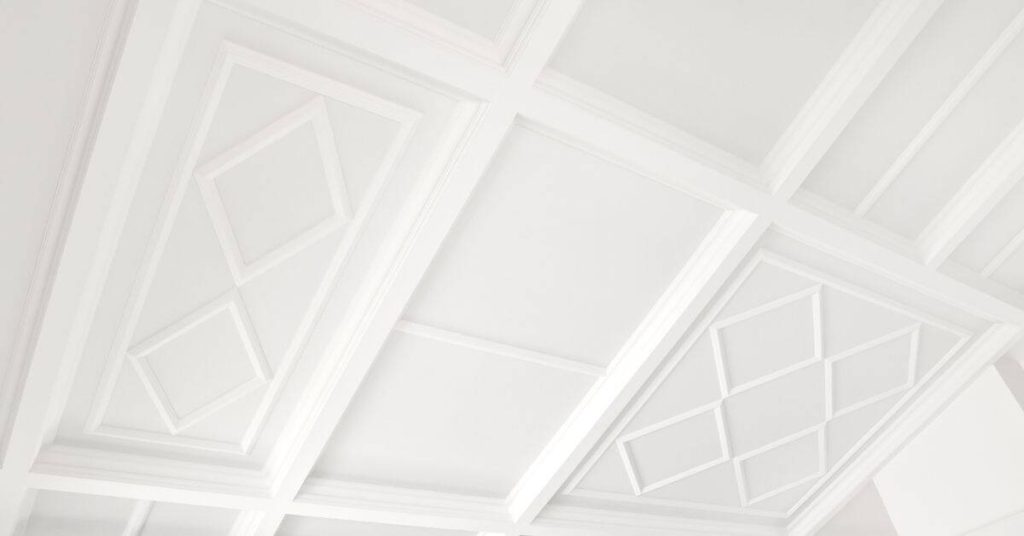
white decorative plaster ceiling panels with geometric patterns

Stucco Delamination at Plywood Shear Panels: Why It Happens and How to Rebuild the Assembly

Introduction Stucco delamination at plywood shear panels occurs when the stucco separates from the plywood backing, usually due to moisture intrusion and substrate movement. That separation shows up as cracks, bubbling, or flaking, and it weakens the exterior assembly. It’s a hands-on issue you can diagnose by looking for soft spots, damp patches, or loose

Stucco Delamination at Plywood Shear Panels: Why It Happens and How to Rebuild the Assembly Read More »

Empty room with large windows and polished concrete floor

Salt-and-Pepper Polished Concrete: Achieving a Consistent Exposure Without Over-Grinding Edges

Introduction Salt-and-pepper polished concrete is a finish created by exposing a small, random mix of aggregate to produce a speckled, even look. The goal is to achieve a consistent exposure across the slab without carving too deep at edges. This approach keeps the surface looking uniform and practical for DIY applications. Edge finishing matters because

Salt-and-Pepper Polished Concrete: Achieving a Consistent Exposure Without Over-Grinding Edges Read More »

Close-up of a grey concrete wall surface

Concrete Color Samples That Predict Reality: Mockups, Curing Conditions, and Sealer Effects

Introduction Concrete color samples that predict reality are mockups used to forecast how a finished mix will look under curing and sealing. As a hands-on DIY, you compare small, controlled slabs with different curing conditions and sealers to see how color holds up. Always check product labels and manufacturer instructions, and follow local rules for

Concrete Color Samples That Predict Reality: Mockups, Curing Conditions, and Sealer Effects Read More »

Close-up of fibrous gray insulation material texture

Perlite and Vermiculite Concretes: Lightweight Fills, Insulation Value, and Crush Limits

Introduction Perlite and vermiculite concretes are lightweight mixes made with expanded mineral fillers that increase porosity in cement. They can help reduce weight and add some insulation value for fills, beds, or non-structural applications. Check the product label for how they’re intended to be used and what the mix recommends for your project. In DIY

Perlite and Vermiculite Concretes: Lightweight Fills, Insulation Value, and Crush Limits Read More »