Search Results for: commercial concrete leveling

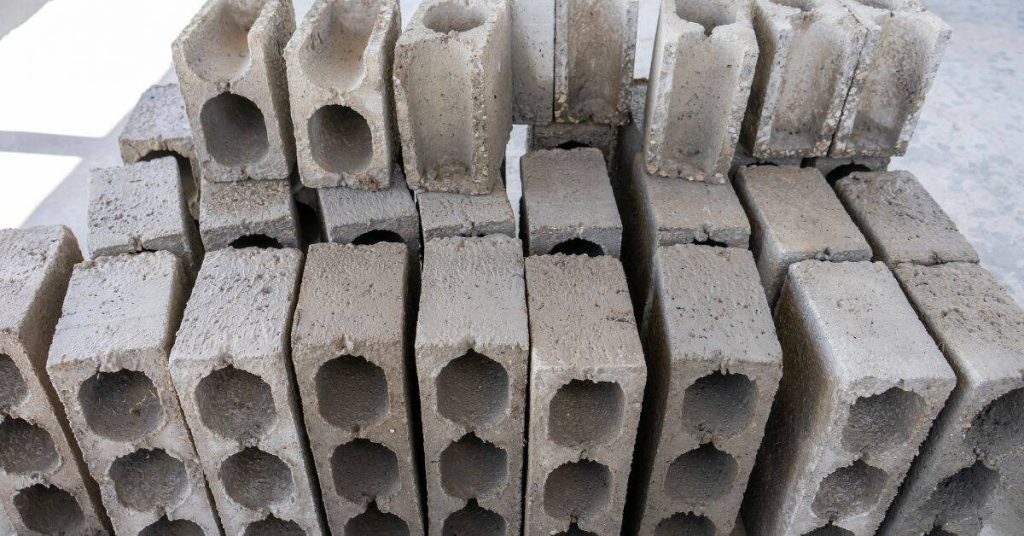
stacked hollow concrete blocks in various shapes and sizes

Knee pads and kneeboards on concrete slabs: when they save finishes and when they ruin texture

Introduction Knee pads and kneeboards are protective and guiding tools used on concrete slabs to cushion joints and protect the surface. They can help finishes stay clean by preventing gouges, but improper use can mar textures or leave indentations. Choose pads and boards that fit your knee height and project needs, and adjust as you […]
Knee pads and kneeboards on concrete slabs: when they save finishes and when they ruin texture Read More »

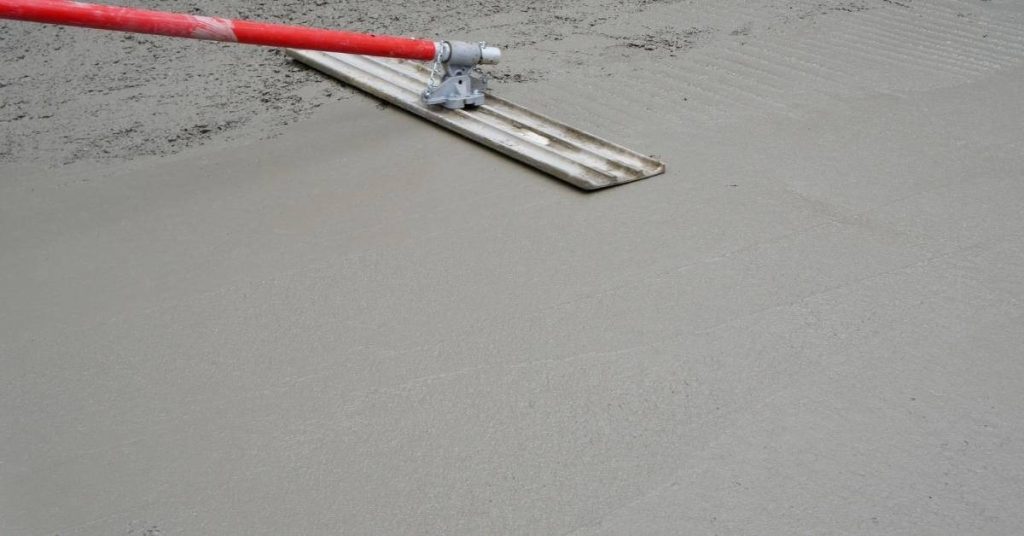
Concrete slab being smoothed with a long-handled screed tool

Scarifier vs grinder on concrete slabs: which tool makes a better overlay profile

Introduction Scarifier (floor planner) and grinder are two concrete tools that produce different overlay profiles. A scarifier removes material with rotating blades to flatten and roughen the surface for bonding. A grinder uses abrasive wheels to shave and finish the surface for a smoother edge. Understanding when each tool is appropriate helps avoid under- or

Scarifier vs grinder on concrete slabs: which tool makes a better overlay profile Read More »

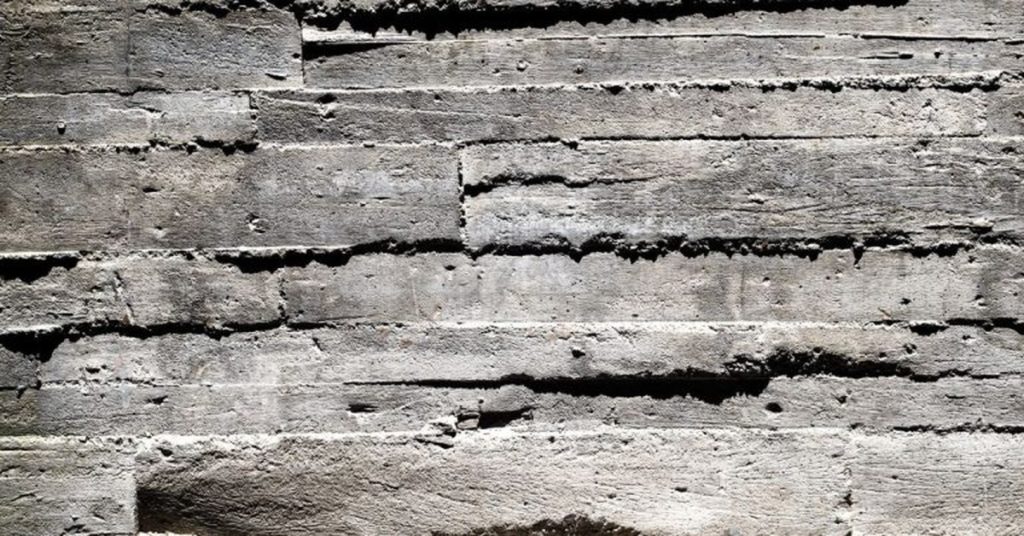
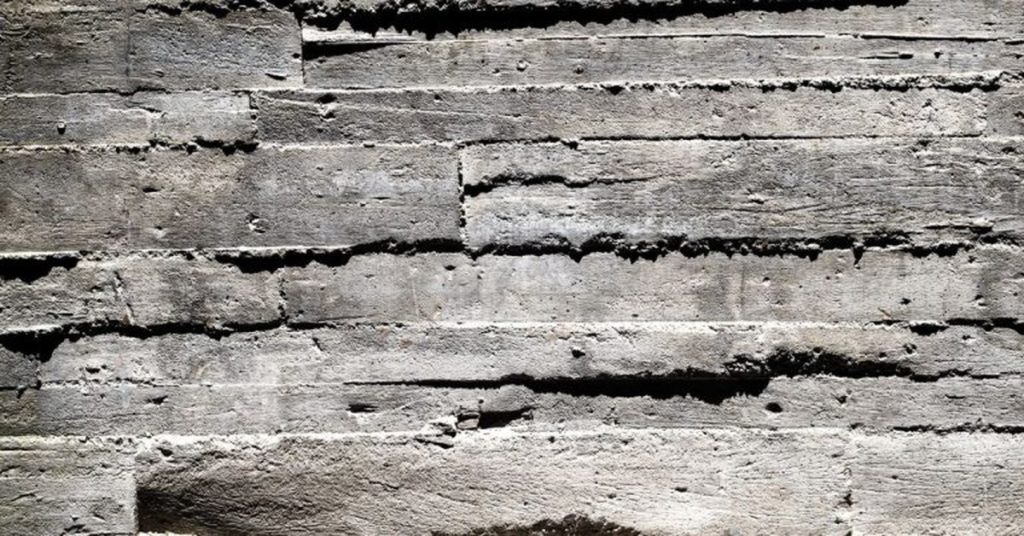
Close-up of rough concrete surface with wood grain texture

Concrete float comparison: mag, wood, resin—how each changes the finish

Introduction A concrete float comparison explains how magnesium, wood, and resin floats affect the surface finish. This article frames what each float type does as you work a concrete slab or patch, with plain, hands-on guidance. You’ll see what to expect in real-world use and how to judge the finish as you go. Magnesium floats

Concrete float comparison: mag, wood, resin—how each changes the finish Read More »

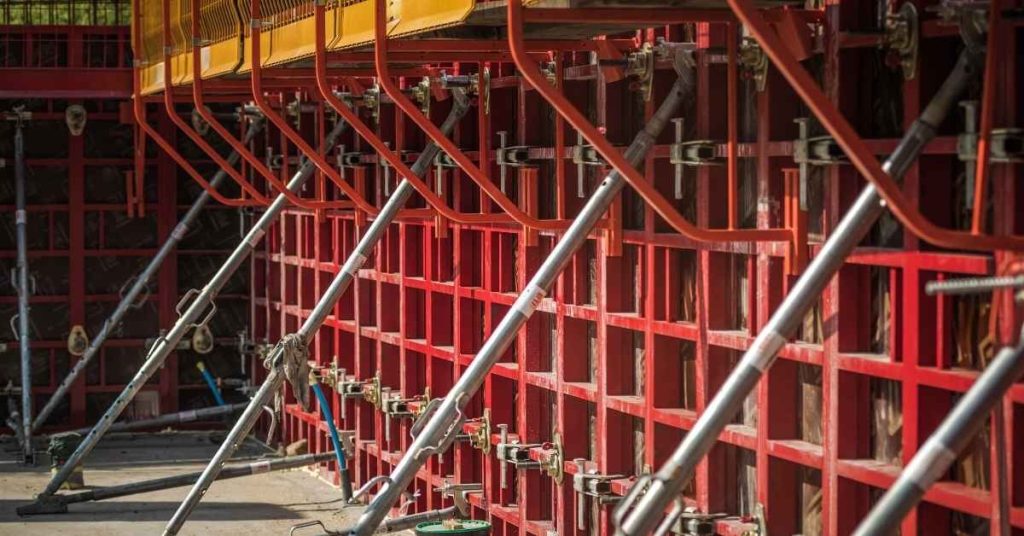
Red metal concrete formwork with angled braces and yellow safety rails

Concrete formwork bulge and bow: brace spacing and quick checks before the truck shows up

Introduction Concrete formwork bulge and bow means the framed plywood or panels are deforming under pressure, creating outward or inward unevenness. Check that brace spacing is appropriate and perform quick, in‑place checks before the truck arrives to hold the form firmly. If you see obvious bow, slack in braces, or loose sheathing, pause and reassess

Concrete formwork bulge and bow: brace spacing and quick checks before the truck shows up Read More »

Workers installing concrete pavers on ground

Concrete Washout at Home: Containment, pH Basics, and Protecting Storm Drains

Introduction Concrete washout is the on-site collection and containment of liquid concrete waste so it can be treated instead of spilling. This protects soil and water, keeps your site tidy, and prevents muddy runoff from harming neighbors. Set up a sturdy, covered containment bin or small portable tank and keep the washwater inside until you

Concrete Washout at Home: Containment, pH Basics, and Protecting Storm Drains Read More »

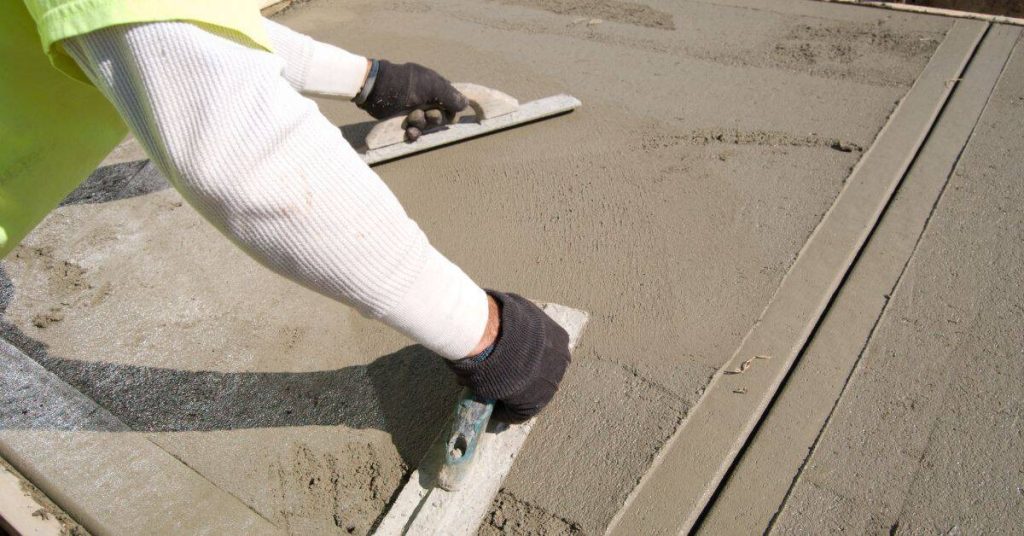
Worker smoothing fresh concrete with hand tools outdoors

DIY Concrete ‘Slump’ Without a Cone: Visual Checks That Actually Correlate to Workability

Introduction A slump without a cone is a simple visual check of concrete’s workability, based on how it holds its shape and settles. You compare the look to what you expect for your mix and application, not a hard number. Use this as a quick sanity check, then verify with the proper method if required

DIY Concrete ‘Slump’ Without a Cone: Visual Checks That Actually Correlate to Workability Read More »

Concrete floor grinding machine preparing surface near wall

Concrete Surface Prep for Coatings: How to Hit the Right Profile Without Over-Grinding

Introduction A proper surface profile is the texture and cleanliness of concrete that coatings need to bond. Before applying anything, clean the floor thoroughly to remove oils, dust, and contaminants. Profiling options like shot blasting or diamond grinding are used to create the key texture; choose based on the concrete and the coating. After blasting

Concrete Surface Prep for Coatings: How to Hit the Right Profile Without Over-Grinding Read More »

Empty room with large windows and polished concrete floor

Salt-and-Pepper Polished Concrete: Achieving a Consistent Exposure Without Over-Grinding Edges

Introduction Salt-and-pepper polished concrete is a finish created by exposing a small, random mix of aggregate to produce a speckled, even look. The goal is to achieve a consistent exposure across the slab without carving too deep at edges. This approach keeps the surface looking uniform and practical for DIY applications. Edge finishing matters because

Salt-and-Pepper Polished Concrete: Achieving a Consistent Exposure Without Over-Grinding Edges Read More »

Close-up of rough concrete wall with wood formboard texture

Hydrated Lime in Concrete Mixes: Workability, Finish, and Strength Effects

Introduction Hydrated lime is a dry powder added to concrete to adjust texture and binding. In DIY mixes, it can improve workability and long-term texture, but it also changes setting behavior. Check the product label and local guidelines before use. It can influence finish quality and how smoothly you can trowel or pour. Lime affects

Hydrated Lime in Concrete Mixes: Workability, Finish, and Strength Effects Read More »

Concrete being poured from chute onto prepared slab area

Concrete Against Existing Slabs: How to pour next to old concrete without cracks

Introduction Pouring new concrete next to an existing slab requires careful planning to prevent cracks. You’ll need a clean joint, proper isolation, and a compatible mix to control movement. Inspect the existing slab for movement, moisture, or coating and plan the joint and bonding approach accordingly. Always verify with the product label, manufacturer instructions, or

Concrete Against Existing Slabs: How to pour next to old concrete without cracks Read More »