Search Results for: commercial concrete leveling

Close-up of concrete edge with green moss growing

Concrete Edge Thickening: When You Need It for Slabs and Pads

Introduction Edge thickening is adding extra concrete at the edge of a slab to strengthen it and slow cracking. It helps when you’re edging against forms or when a transition needs more support. If you’re deciding whether you need it, consider the load, use, and the edge exposure—check the project details and local guidelines. Do […]

Concrete Edge Thickening: When You Need It for Slabs and Pads Read More »
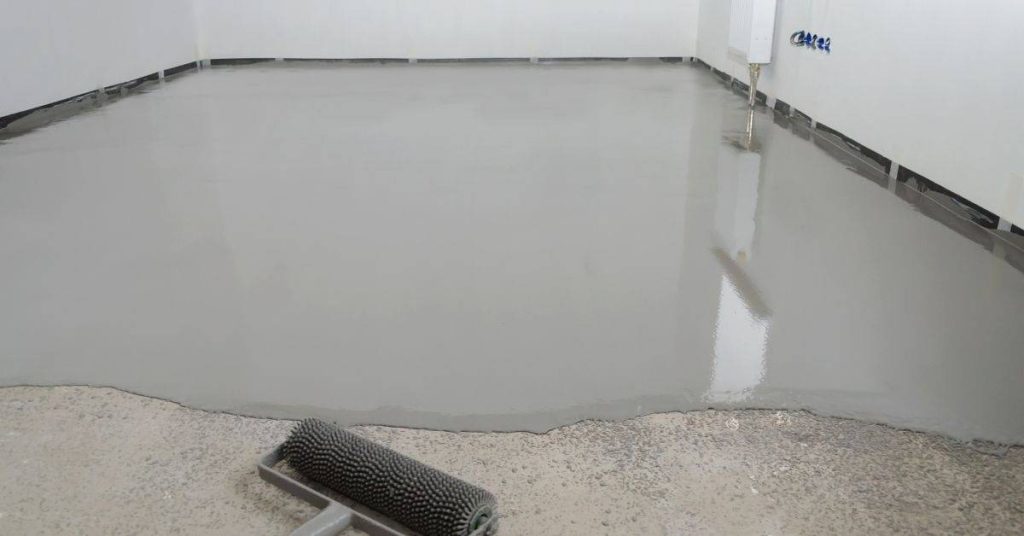
Freshly poured self-leveling concrete floor with a spiked roller

Leveling a Subfloor for Tile: Self-Leveling Underlayment Prep That Prevents Failure

Introduction Leveling a subfloor for tile means making the floor surface flat, stable, and ready to receive tile so you don’t get cracks or hollow spots. This is a hands-on task that starts with checking the current floor and ends with a smooth base for your tile setting. Take your time to plan out the

Leveling a Subfloor for Tile: Self-Leveling Underlayment Prep That Prevents Failure Read More »

Freshly poured smooth concrete floor indoors

DIY Concrete Vibration: Internal vs External, How Long to Vibrate, and What Not to Do

Introduction Concrete vibration is the process of removing air pockets and consolidating fresh concrete to improve strength and finish. It helps achieve a dense, smooth slab when working with concrete. This piece compares internal and external methods and what you should know for a DIY job. Internal vibration uses a probe that goes into the

DIY Concrete Vibration: Internal vs External, How Long to Vibrate, and What Not to Do Read More »

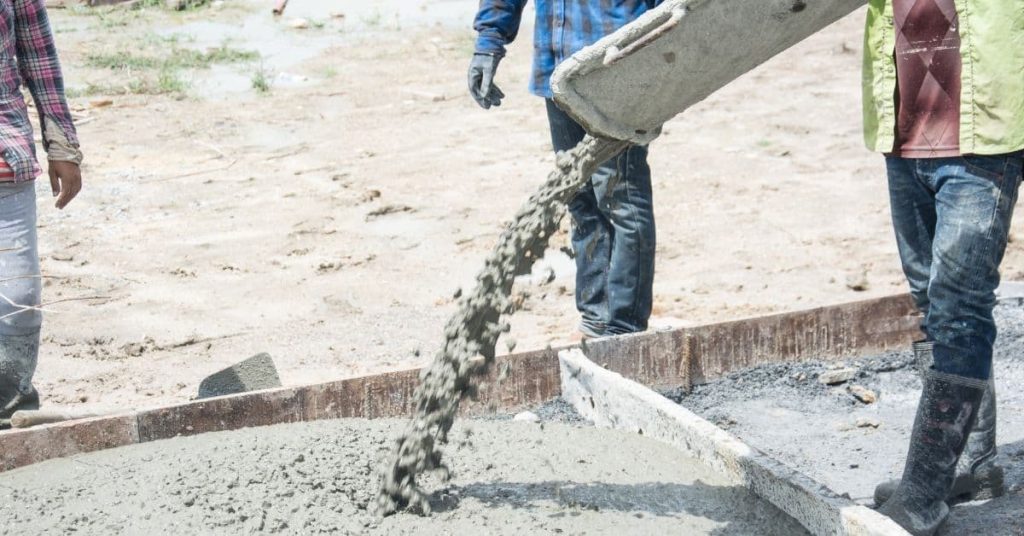
Workers pouring wet concrete into a wooden frame outdoors

Cellular Concrete Uses: Trench Backfill and Under-Slab Fill (Pros, Cons, DIY Limits)

Introduction Cellular concrete is a lightweight concrete mix used for trench backfill and under-slab fill. It is also known as foamed or aerated concrete, and it’s discussed as a DIY-friendly option with attention to local rules and product instructions. It’s not a substitute for every job, so check what your project requires first and follow

Cellular Concrete Uses: Trench Backfill and Under-Slab Fill (Pros, Cons, DIY Limits) Read More »

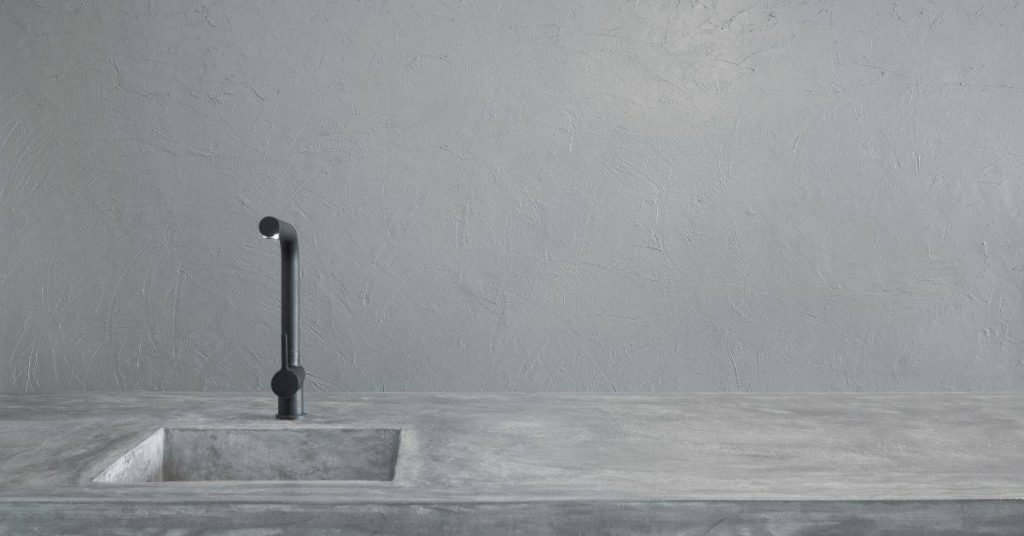
concrete countertop with built-in sink and black faucet

Concrete Countertop Sealer Selection: Food-Safe Reality, Heat, and Stain Resistance

Introduction Concrete countertop sealer selection is choosing the finish that protects the slab while matching needs for food safety, heat handling, and stain resistance. In plain jobsite terms: some sealers are formulated to be food-safe once fully cured, others are not, and heat or stain performance varies by chemistry and film thickness. Check product labels

Concrete Countertop Sealer Selection: Food-Safe Reality, Heat, and Stain Resistance Read More »

Long metal screed smoothing freshly poured concrete slab

Concrete Screeding on Small Slabs: Straightedge Choices and How to Check Flatness

Introduction Concrete screeding on small slabs means using a straightedge to level and strike off excess concrete so the surface is flat and consistent. It’s a hands-on process where the straightedge choice and your technique matter more than fancy tools, and if a spec matters you should check the product label or local rules. Good

Concrete Screeding on Small Slabs: Straightedge Choices and How to Check Flatness Read More »

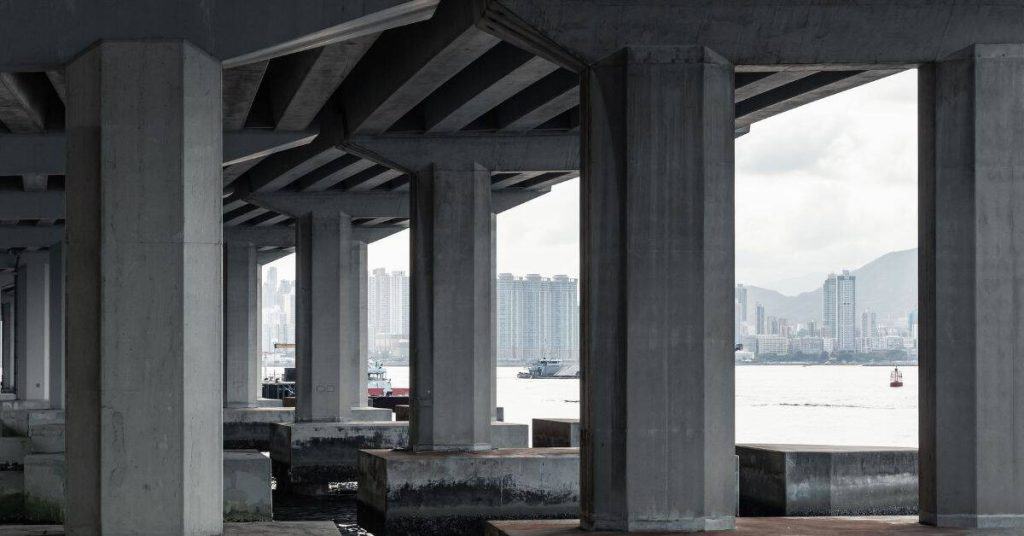
Concrete support columns under a waterfront bridge

Concrete Downspout Extensions: When to Use Channels vs. Buried Pipe

Introduction Concrete downspout extensions are either surface channels or buried pipes that move roof runoff away from the house. Channels sit along the ground and channel water visibly, while buried pipes hide under the soil. Choose the option based on how visible you want it and how much grading you can maintain. Check local rules

Concrete Downspout Extensions: When to Use Channels vs. Buried Pipe Read More »

Old hammer and chisel on wood shavings covered surface

DIY Concrete Overlay Over Tile: When It’s Possible and the Bond-Breakers to Avoid

Introduction Yes, you can overlay concrete over tile if the tile is sound and properly prepared for bonding. Make sure the existing surface is firmly adhered and free of movement. If you’re unsure, check the manufacturer’s instructions or local rules before you start. Watch for bond-breakers like sealants, coatings, or residue that can prevent adhesion

DIY Concrete Overlay Over Tile: When It’s Possible and the Bond-Breakers to Avoid Read More »