Search Results for: cleaning mortar

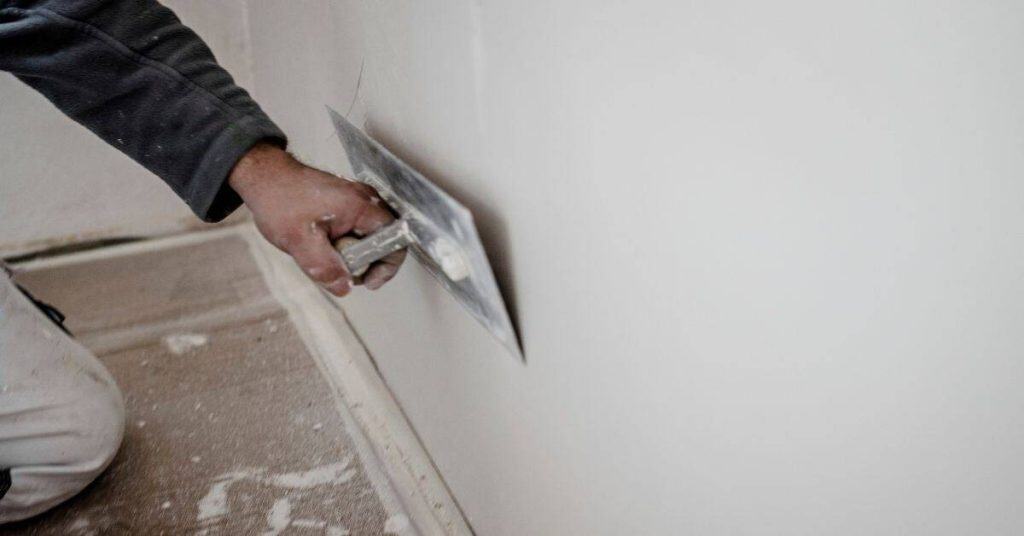
Hand smoothing plaster on wall with trowel

Tadelakt for DIY Bathrooms: Surface Prep, Burnishing, and Waxing Without Failure

Introduction Tadelakt is a traditional lime plaster finish used on bathrooms, finished with burnishing and wax to create a smooth, water-resistant surface. This article walks you through surface prep, burnishing, and waxing with practical, hands-on steps. I’ll keep it plain-language and honest about what to check before you start. Prep the surface clean, sound, and […]

Tadelakt for DIY Bathrooms: Surface Prep, Burnishing, and Waxing Without Failure Read More »
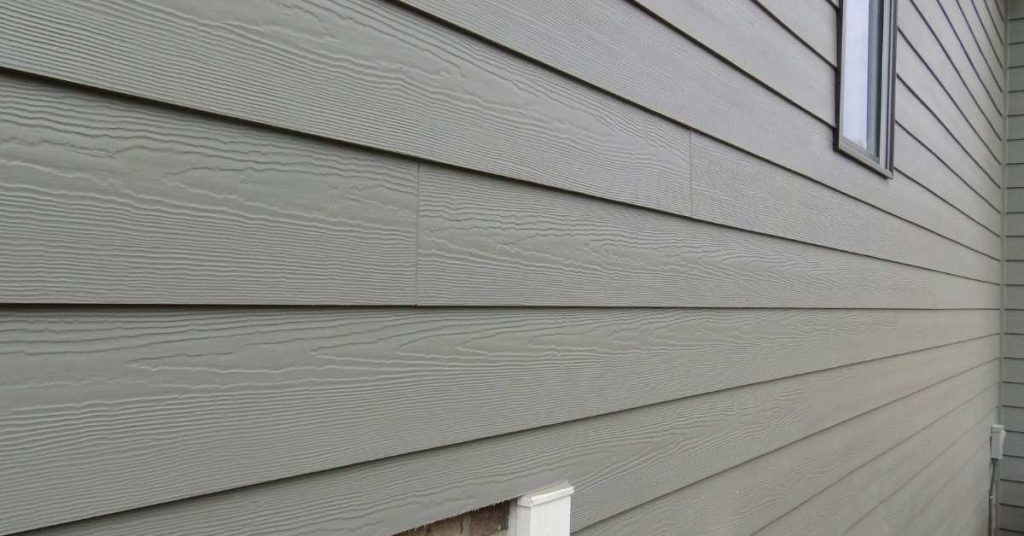
Close-up of gray fiber cement siding on house exterior

Stucco vs. Fiber Cement Siding: DIY Repairability and Long-Term Maintenance Compared

Introduction Stucco and fiber cement siding are two exterior materials, and this article compares their repairability and long-term maintenance. You’ll see practical, hands-on guidance on patching, replacing damaged sections, and what keeps these materials lasting. If a spec matters, check the product label, manufacturer instructions, and local rules before you dive in. From a DIY

Stucco vs. Fiber Cement Siding: DIY Repairability and Long-Term Maintenance Compared Read More »

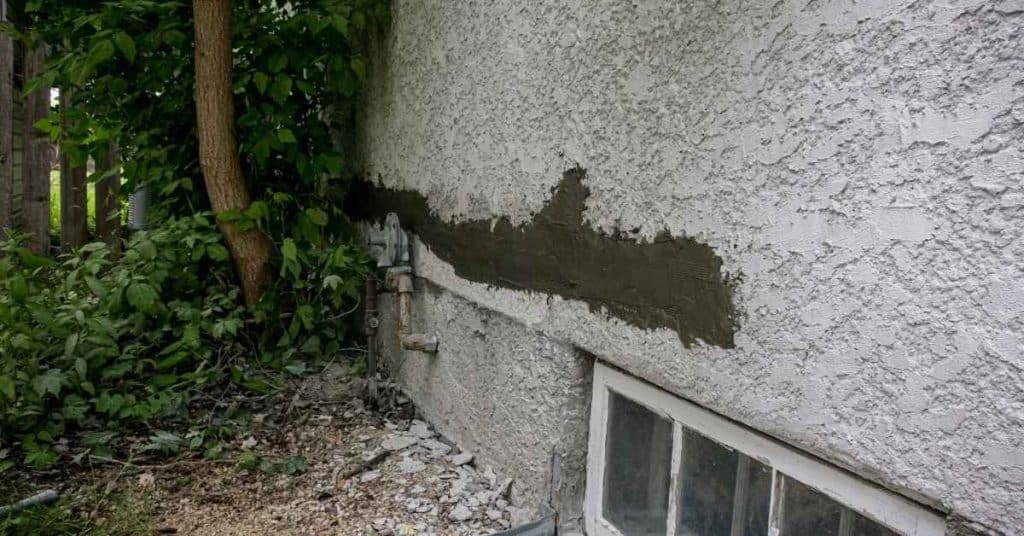
Stucco wall with fresh patch above basement window

How to Patch Stucco Where Lath Is Rusting: Cutback Limits, Fastener Choices, and Rebuild

Introduction This guide shows how to patch stucco when the metal lath under it is rusting. You’ll assess the damage, remove deteriorated material, and prepare the surface for repair. Keep the work conservative and follow safety and building guidance as you go. Cutback limits depend on the substrate and structure, so check manufacturer instructions and

How to Patch Stucco Where Lath Is Rusting: Cutback Limits, Fastener Choices, and Rebuild Read More »

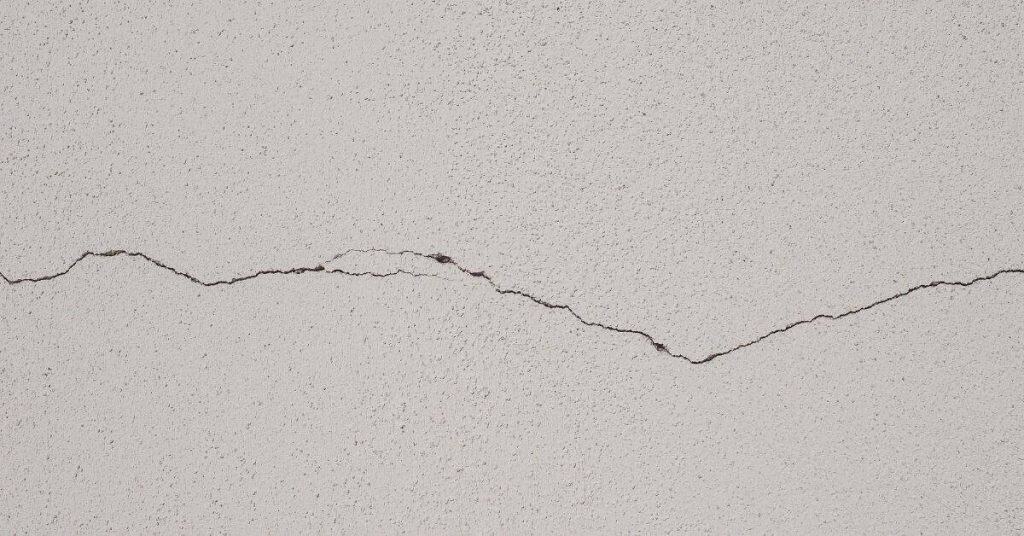
horizontal crack in white stucco wall surface

DIY Stucco Weep Path Maintenance: Keeping Bottom Terminations From Clogging With Dirt

Introduction Weep paths are channels at the bottom of stucco details that drain moisture away. Keeping them clear helps prevent water from backing up into the wall. This article shows a plain‑language, DIY approach to inspecting and cleaning them without tearing the finish. Start by locating the bottom terminations and looking for dirt, debris, or

DIY Stucco Weep Path Maintenance: Keeping Bottom Terminations From Clogging With Dirt Read More »

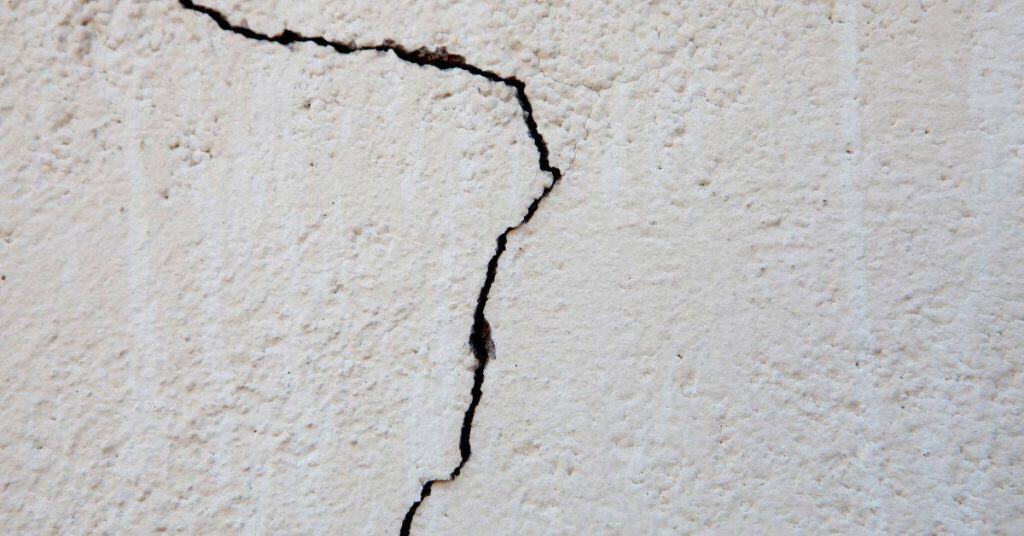
Closeup of cracked white stucco wall surface

Fixing Stucco Bubbling Under Paint: Moisture Sources, Drying Time, and Recoat Choices

Introduction Bubbling stucco under paint happens when moisture gets trapped and lifts both the stucco and the paint. Key takeaways Inspect bubbling areas for moisture signs before chipping or sanding anything. Differentiate active moisture from historic damage to plan repairs carefully. Trace water sources from roof, gutters, and plumbing to prevent recurrence. Allow substrate drying

Fixing Stucco Bubbling Under Paint: Moisture Sources, Drying Time, and Recoat Choices Read More »

Stucco wall with peeling revealing concrete underneath

Efflorescence on Stucco After Rain: What It Indicates and Gentle Removal Methods

Introduction Efflorescence is a white, powdery salt deposit that shows up on stucco after rain. It means moisture is moving through the wall and carrying soluble salts to the surface. This is common after wet weather and is not mold, though it points to moisture behind the veneer. To remove it gently, start with a

Efflorescence on Stucco After Rain: What It Indicates and Gentle Removal Methods Read More »

Close-up of rough stucco dash finish texture surface

Stucco Texture Blending 101: How to Hide a Patch in Sand Float, Dash, and Lace Finishes

Introduction Stucco texture blending is the art of disguising a repair by matching texture and sheen under common finishes like sand float, dash, and lace. Treat the patch as a small project inside the bigger wall, plan to feather edges and adjust trowel pressure. Start by inspecting the surrounding texture and choosing a blending technique

Stucco Texture Blending 101: How to Hide a Patch in Sand Float, Dash, and Lace Finishes Read More »

Closeup of spider crack on rough concrete surface

DIY Concrete Waterproofing on the Inside: When It Works and When It’s a Trap

Introduction DIY concrete waterproofing on the inside is applying moisture barriers and sealants to interior concrete surfaces to keep dampness at bay. It helps when intrusion comes through cracks, porous walls, or hydrostatic pressure, but it isn’t a substitute for good exterior drainage. We’ll walk through identifying water sources and choosing practical interior steps for

DIY Concrete Waterproofing on the Inside: When It Works and When It’s a Trap Read More »

Clean concrete foundation corner with metal anchors installed

Repairing Honeycombed Concrete at a Foundation Corner (Pack vs. Form-and-Pour)

Introduction Repairing honeycombed concrete at a foundation corner means fixing visible voids and rough pockets where the concrete didn’t consolidate properly. Two practical approaches are packing the void with grout or repair material, or using a form-and-pour rebuild with new concrete. This article compares those options from a hands-on, DIY perspective. When evaluating repairs, look

Repairing Honeycombed Concrete at a Foundation Corner (Pack vs. Form-and-Pour) Read More »

Old hammer and chisel on wood shavings covered surface

DIY Concrete Overlay Over Tile: When It’s Possible and the Bond-Breakers to Avoid

Introduction Yes, you can overlay concrete over tile if the tile is sound and properly prepared for bonding. Make sure the existing surface is firmly adhered and free of movement. If you’re unsure, check the manufacturer’s instructions or local rules before you start. Watch for bond-breakers like sealants, coatings, or residue that can prevent adhesion

DIY Concrete Overlay Over Tile: When It’s Possible and the Bond-Breakers to Avoid Read More »