Search Results for: brick without cleaning mortar

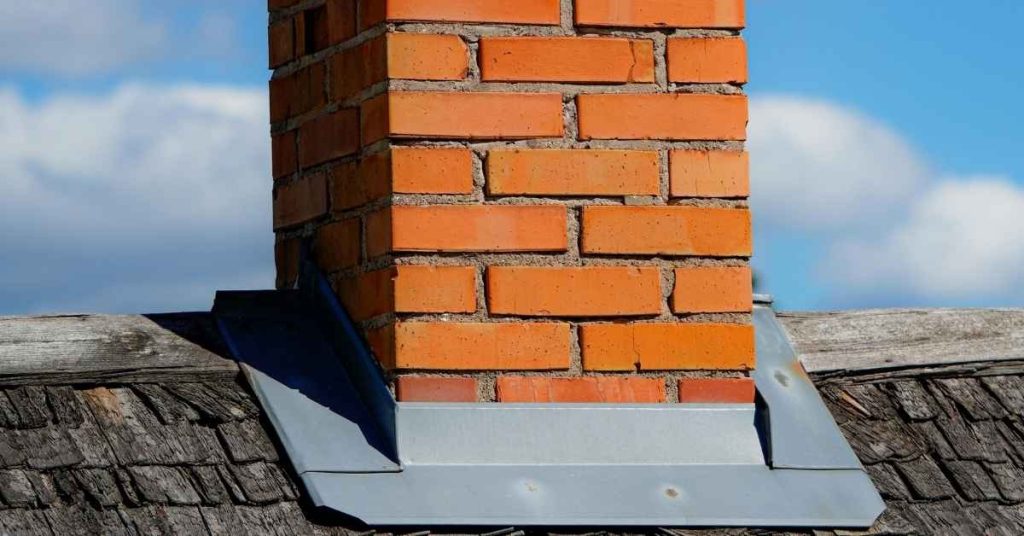
Brick chimney with metal flashing on wooden shingle roof under blue sky

Brick Flashing and Weep Holes at Ledges: How Water Is Supposed to Escape

Introduction Brick flashing and weep holes at ledges are features that let water escape from behind brickwork. They direct runoff away from the wall and help prevent moisture damage. As a DIYer, you’ll inspect for proper placement and unobstructed openings before finishing the ledge. Start by checking that flashing is in place under the brick

Brick Flashing and Weep Holes at Ledges: How Water Is Supposed to Escape Read More »

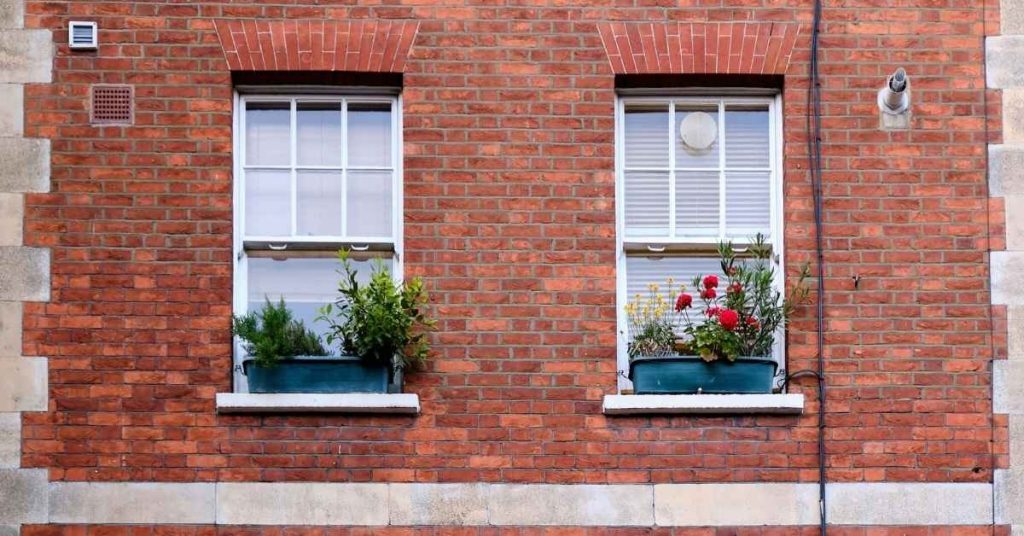
Two white windows in red brick wall with flower boxes

Sealing Brick the Safe Way: Breathable Sealers vs Films—and When to Skip Both

Introduction Breathable sealers let moisture escape from brick while still sealing it; film sealers keep a surface layer that can trap moisture. As a DIYer, you’ll notice breathable options let the brick breathe, while film options can give a smoother, glazed look. Check the label for breathability cues and follow the manufacturer’s suggestions, and avoid

Sealing Brick the Safe Way: Breathable Sealers vs Films—and When to Skip Both Read More »

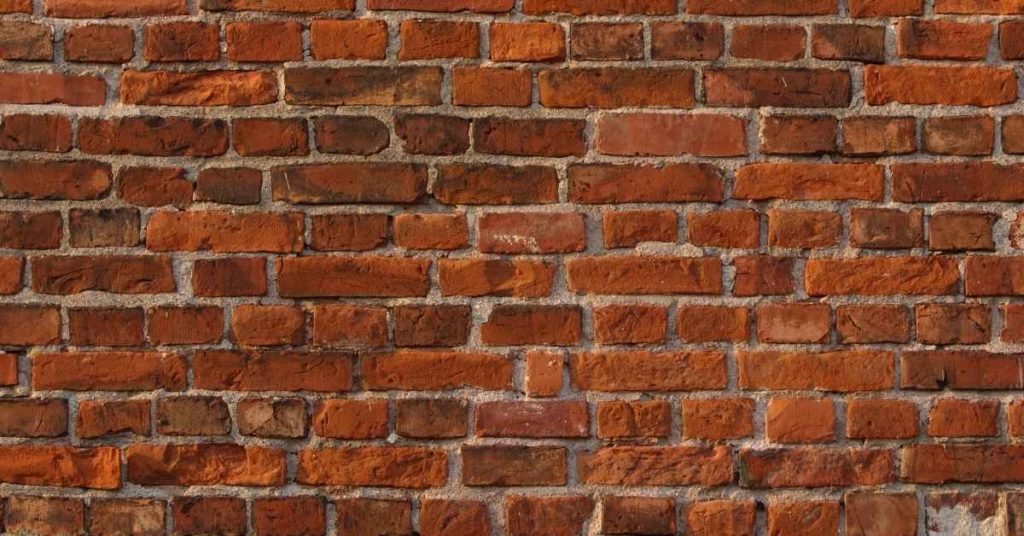
weathered red brick wall with visible mortar joints

Cleaning Mortar Smears Off Brick: Gentle Methods Before You Touch Acid

Introduction Cleaning mortar smears off brick means removing smeared or splashed mortar from brick surfaces using gentle, non-acid methods. The goal is to lift the residue without gouging the brick or mortar joints. Start with testing a small area and choose a mild approach first. Gentle options include dampening the smear and using a plastic

Cleaning Mortar Smears Off Brick: Gentle Methods Before You Touch Acid Read More »

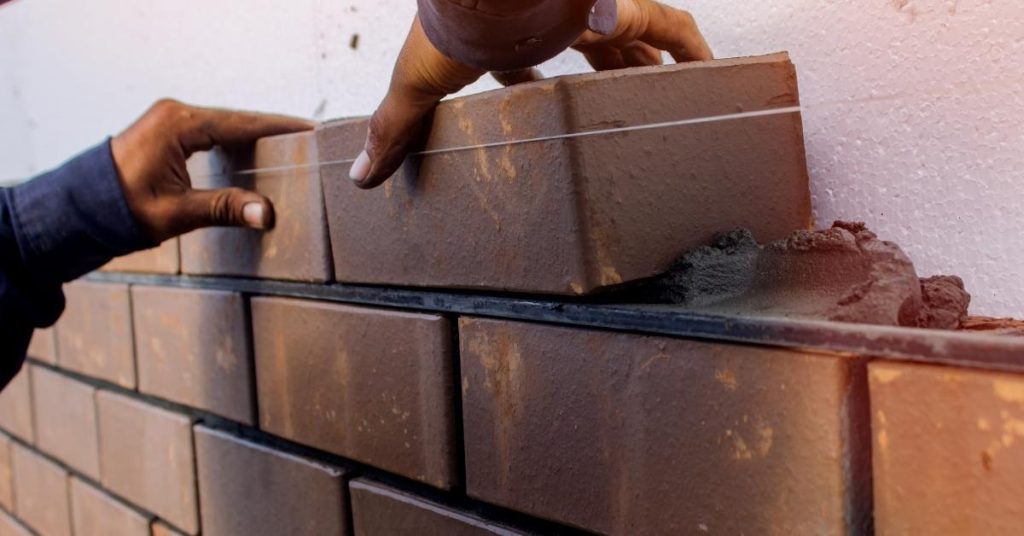
Hands placing bricks with black mortar and string line

Brick Mortar Color Matching: Sand Choices and Test Panels That Tell the Truth

Introduction Brick mortar color matching means choosing sand and mix options that closely match the color of your bricks. This article walks you through simple sand choices and how to test them on small panels before you pour a full job. Keep the tests small, label your samples, and compare them in light similar to

Brick Mortar Color Matching: Sand Choices and Test Panels That Tell the Truth Read More »

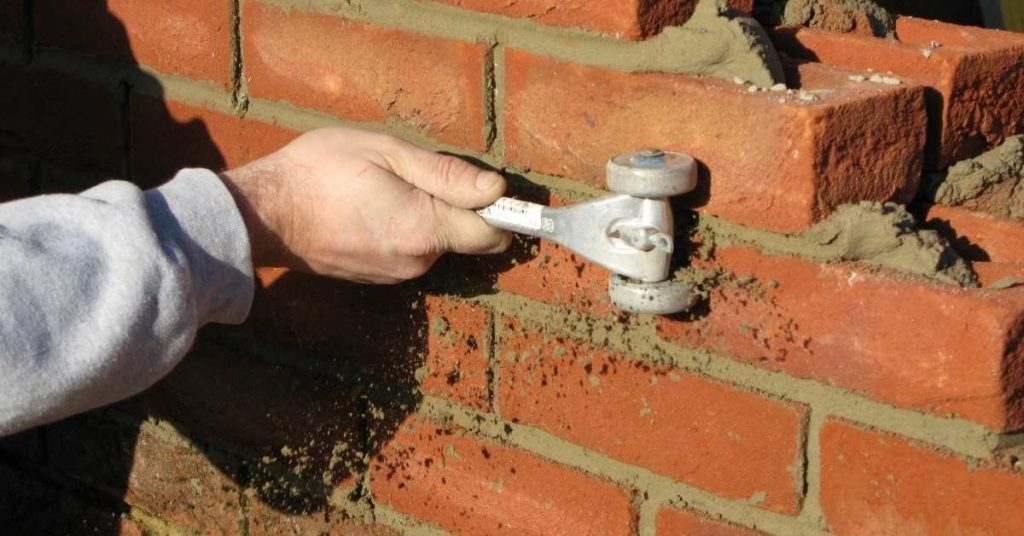
Hand using brick joint roller on fresh mortar joints

Brick Repointing Without Drool Lines: Vertical Joint Control Tricks

Introduction Brick repointing is the process of renewing the mortar between bricks to restore strength and look. This article focuses on doing it without leaving drool lines or smeared mortar, especially along vertical joints. We’ll talk through practical steps you can do on a DIY basis with common tools. Control vertical joints by tooling and

Brick Repointing Without Drool Lines: Vertical Joint Control Tricks Read More »

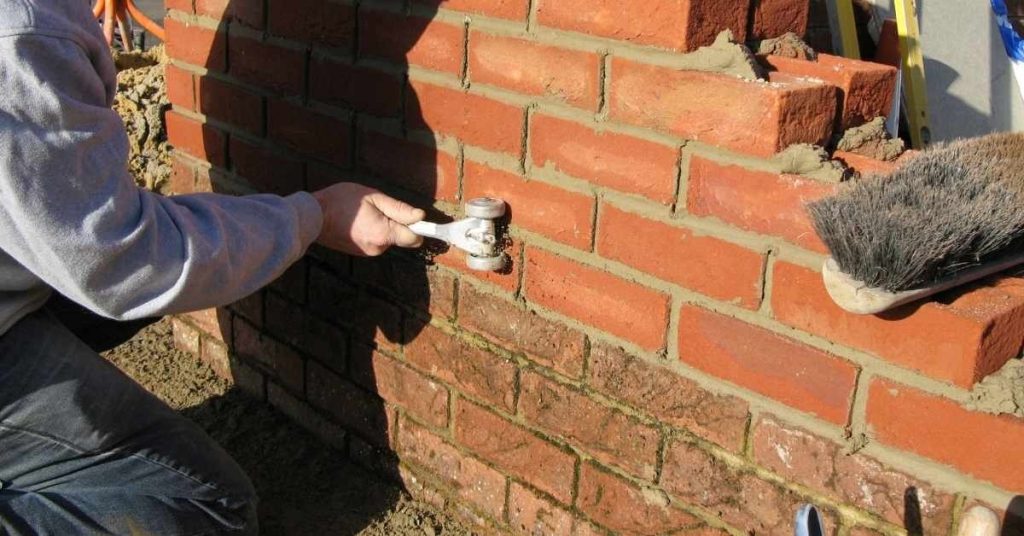
Person using joint roller on brick wall mortar joints

Brick Tuckpointing for DIY: Joint Prep, Tooling, and Curing Basics

Introduction Brick tuckpointing is the process of repairing mortar joints to restore strength and appearance. This article gives a practical, hands-on approach you can use at home. You’ll learn basic prep, tooling, and curing ideas without fancy jargon. Begin with a close inspection of the joints and determine whether you need to rake out damaged

Brick Tuckpointing for DIY: Joint Prep, Tooling, and Curing Basics Read More »

Hand smoothing plaster on white wall with trowel

Repair Mortar That Debonds: Surface Prep Mistakes and How to Reattach Correctly

Introduction Repairing mortar that debonds means reattaching loose mortar to the wall or joint using proper prep and bonding steps. Start by cleaning away loose bits and finding solid edges so the new mix has something solid to grab. Check the product label or manufacturer instructions for bond requirements and suitable mixes, and follow local

Repair Mortar That Debonds: Surface Prep Mistakes and How to Reattach Correctly Read More »